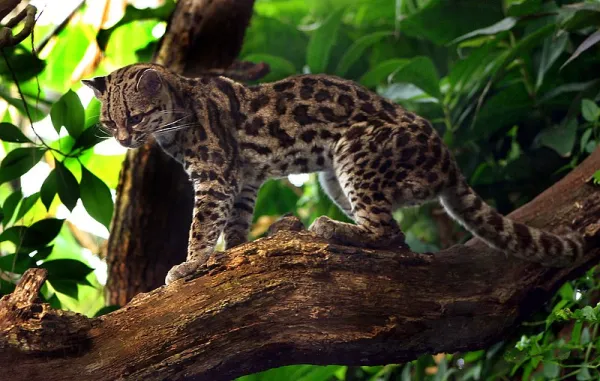
34 Endangered Animals in Argentina
Argentina is extraordinarily biodiverse—from the Andes and Patagonia to the Pampas and Atlantic coast. Yet human activities (deforestation, overhunting, pollution, habitat fragmentation) have pushed many species into vulnerable, threatened, or endangered status.Below are 34 endangered animals in Ar...
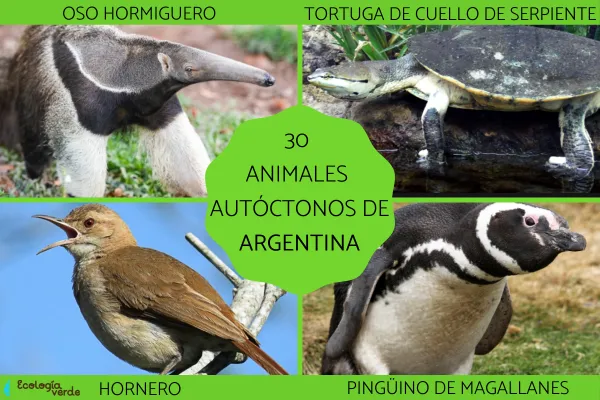
30 Native Animals of Argentina (With Photos and Facts)
Argentina, the eighth-largest country in the world by land area, is home to a spectacular variety of landscapes and climates—from the Andes mountains to the Atlantic coast, tropical jungles to Patagonian plains. This geographic diversity results in 18 distinct ecoregions, each hosting unique biodiv...
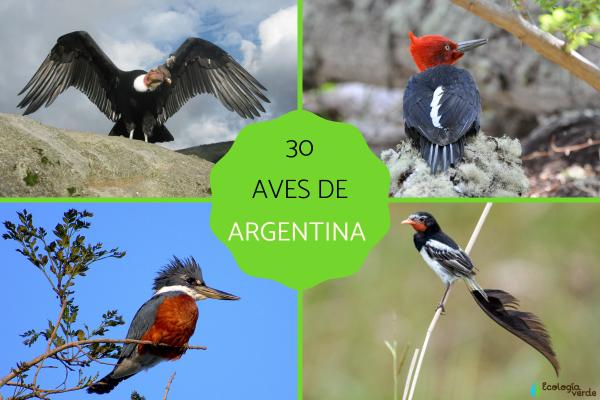
30 Birds of Argentina: Iconic Species, Characteristics, and Conservation Status
Argentina is one of the world’s most biodiverse countries, boasting vast territory and a wide range of climates. It includes 18 ecoregions—15 continental, 2 oceanic, and 1 Antarctic. Much of its rich biodiversity is represented by its bird species, with approximately 980 stable species currently f...
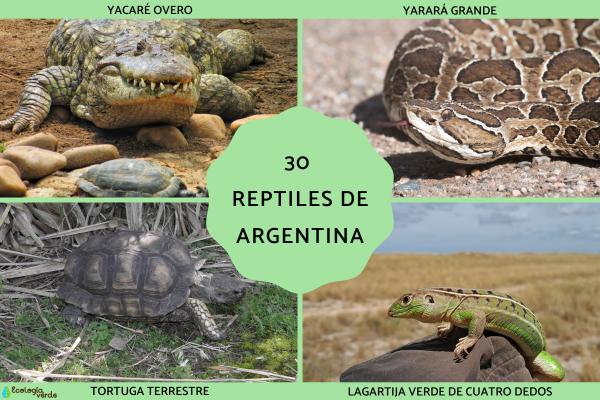
30 Representative Reptiles of Argentina: A Complete Guide
Argentina is home to a vast diversity of reptiles. In this article, we highlight 30 notable Argentine reptiles, including caimans, tegu lizards, anacondas, rattlesnakes, turtles, and geckos. Explore their unique habitats, distinctive features, and conservation challenges!1. Prominent Reptile Species...

Argyrosaurus
Argyrosaurus was a large long-necked plant-eating dinosaur from the Late Cretaceous of South America. It belonged to the titanosaurs, the group of sauropods that became especially important during the later part of dinosaur history. Although Argyrosaurus is not known from a complete skeleton, it rem...


Aeolosaurus
Aeolosaurus was a long-necked plant-eating dinosaur from the Late Cretaceous of South America. It belonged to the titanosaurs, the sauropod group that became especially important during the later part of dinosaur history. Although Aeolosaurus is not as famous as gigantic titanosaurs such as Argentin...

Aerosteon
Aerosteon was a large meat-eating theropod dinosaur from the Late Cretaceous of South America. It is especially important because its fossil bones preserve evidence of air-filled spaces linked to a bird-like breathing system. That makes Aerosteon one of the most scientifically interesting predatory...

Amargasaurus
Amargasaurus was a long-necked plant-eating dinosaur from the Early Cretaceous of South America. It is one of the most unusual sauropods ever discovered because of the extraordinary paired spines along its neck and upper back. While many sauropods are known mainly for giant size, Amargasaurus stands...

Mussaurus
Mussaurus was an early plant-eating sauropodomorph from what is now Argentina. It became famous because the first fossils belonged to tiny hatchlings and juveniles, making scientists think of it as a very small dinosaur. Later discoveries showed that adult Mussaurus was much larger and had the long...

Carnotaurus
Carnotaurus was a large meat-eating dinosaur from the Late Cretaceous of South America. It is one of the most recognizable theropods ever discovered because of the two horns above its eyes, its unusually deep skull, and its tiny forelimbs. Although it was not as massive as Tyrannosaurus, Carnotaurus...

Notohypsilophodon
Notohypsilophodon was a small herbivorous dinosaur from the Late Cretaceous of South America. It is one of the more unusual small dinosaurs from Patagonia because South American dinosaur faunas are often remembered mainly for giant sauropods and large predators. In contrast, Notohypsilophodon repres...

Noasaurus
Noasaurus was a small carnivorous theropod dinosaur from the Late Cretaceous of South America. It is especially important because it gave its name to Noasauridae, a branch of small abelisauroid dinosaurs that were mainly part of southern ecosystems. Although it was much smaller than famous predators...

Megaraptor
Megaraptor was a large meat-eating theropod dinosaur from the Late Cretaceous of South America. It is best known for its oversized hand claws and its unusual mix of features, which have made it one of the more debated predatory dinosaurs in modern paleontology. When it was first described, some of i...

Laplatasaurus
Laplatasaurus was a long-necked plant-eating dinosaur from the Late Cretaceous of South America. It belonged to the titanosaurs, a major group of sauropods that became especially important during the final part of dinosaur history. Although Laplatasaurus is not as famous as giants such as Argentinos...

Abelisaurus
Abelisaurus was a meat-eating theropod dinosaur from the Late Cretaceous of South America. It is especially important because it gave its name to the abelisaurids, a group of predatory dinosaurs that became some of the main large hunters in the southern continents. Although Abelisaurus is not known...

Neuquensaurus
Neuquensaurus was a long-necked plant-eating dinosaur from the Late Cretaceous of South America. It belonged to the titanosaurs, a major sauropod group that became especially successful during the later part of dinosaur history. Unlike the giant record-holding sauropods, Neuquensaurus was more moder...

Cathartesaurus
Cathartesaurus was a long-necked plant-eating sauropod from the Cretaceous of South America. It was not one of the most massive sauropods ever discovered, but it is important because it belonged to the rebbachisaurids, a group of more lightly built diplodocoid sauropods that survived later than many...

Barrosasaurus
Barrosasaurus (Barrosasaurus casamiquelai) was a titanosaur sauropod from the Late Cretaceous of Patagonia, Argentina. Titanosaurs were long-necked, plant-eating dinosaurs that became especially diverse in the Southern Hemisphere near the end of the dinosaur era. Barrosasaurus is known from limited...

Malarguesaurus
Malarguesaurus (Malarguesaurus florenciae) was a titanosauriform sauropod from the Late Cretaceous of Argentina. Like other sauropods, it was a large, long-necked, plant-eating dinosaur that walked on four pillar-like legs. Malarguesaurus is best known from incomplete fossils, but it adds important...