
What are the beneficial insects?
Beneficial insects refer to insects that are beneficial to human agriculture, forestry and horticulture. They have a positive effect on plants, crops and ecosystems. Here are some common beneficial insects: Bees: Bees are important pollinators, helping crops reproduce by collecting...

The ten scariest bugs in the world
Some of the most threatening insects in the world, and many people often underestimate their danger. In fact, many insects, despite their small size, are extremely toxic and can even cause serious illness and fatal injuries to humans. In this article, we will take stock of the ten most terrif...
The difference between arthropods and insects (detailed introduction)
Arthropoda is one of the largest phyla in the animal kingdom, including insects, spiders, crustaceans, isopods and other groups. Here are the detailed differences between arthropods and insects: Body structure: The body of arthropods is usually divided into several segments, each se...

Inventory of the top 10 insects in the world
Insects are the most prosperous group of animals in the world. It is estimated that there are about 5.5 million species worldwide, and more than 1 million species have been discovered, accounting for more than half of the described eukaryotes. Insects play a variety of roles in the ecosystem,...
Are there insects in Antarctica?
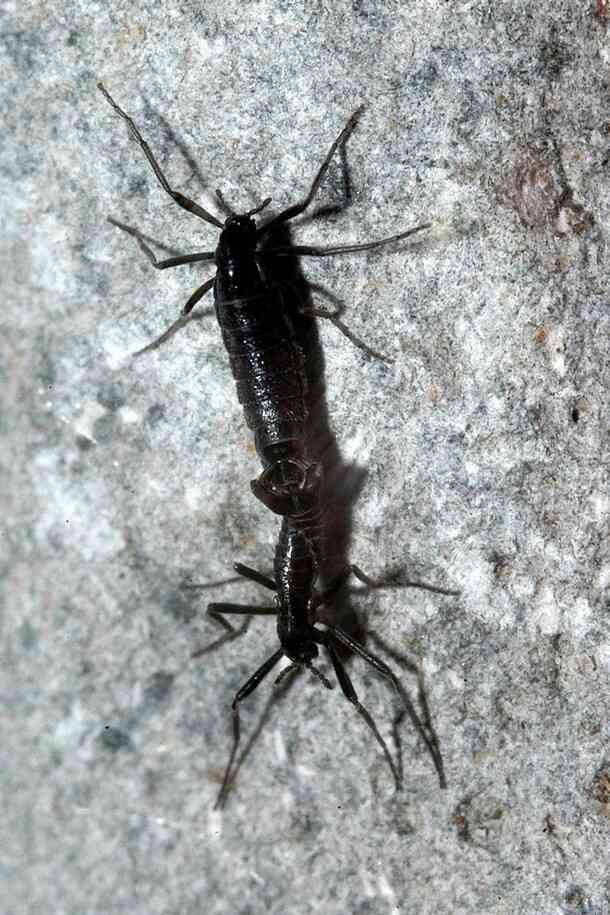
So far, Antarctica seems to have only one insect fauna - the Antarctic midge (Belgica antarctica). This tiny (2-6 mm) fly has no wings (an adaptation made to prevent it from being blown away by the wind), and the maggots spend two years growing from microscopic algae and moss on land. Drawing...
What kind of animal is a clam?
"Clam" usually refers to insects, also known as vipers, beetles, and umbrella insects, which mainly live near water or in humid places. Clam refers to the larvae of cicada, which is the larval stage of an insect. They belong to the order Hemiptera. Clammies are characteri...
Are insects animals?
Yes, insects belong to the animal kingdom. Insects are a category of biological classification, usually classified into the phylum Arthropods, including butterflies, ants, bees, flies, mosquitoes and many other different species. Although insects and other animals have differences in morphology, hab...
What does entomology include (15 subjects in two categories)
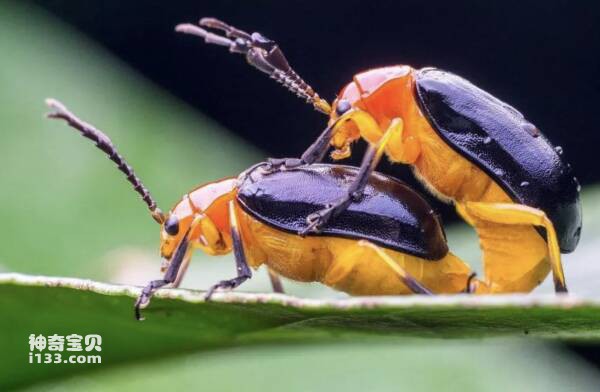
Entomology is a science that specializes in elucidating various laws related to the life activities of insects, and studying their utilization and prevention. Since insects are closely related to all aspects of human life, food, clothing, housing, transportation, and health care, they have be...

The main identifying features of digital butterflies (artful emojis)
The main characteristics of Lepidoptera that can be recognized at a glance are the patterns and colors on their wings. Lepidoptera have many of the most beautiful colors found in the living world on their wings. The bright colors are the most attractive part of butterflies. There are many kin...

Foreign customs of entomophagy (foreign customs of eating insects)
According to literature records, many countries or regions in the world also have the custom of eating insects. Baden Mahal recorded in the book "Animal History" that people in the Middle East had records of eating desert locusts around the 8th century BC. Plina mentioned in his book "Natural...

Bees are full of treasures
Bees are one of the most precious feeding insects for humans, and their interactions with humans have a long history. Bees have made great contributions to mankind by pollinating crops and fruit trees, increasing yields, improving seeds and rejuvenating varieties, promoting the development of...
What is a gadfly
Gnids belong to the order Diptera and are medium to large-sized species with strong and soft hairs. They are often called cow rainbows. Commonly known as "blind fly" or "blind fly" in the northeastern forest area, it has a large head, hemispherical, or slightly triangular. The compound eyes a...

Insects, subclass Hemiptera, order Hemiptera (stink bugs, stink bugs)
[Economic Significance] The basal half of the forewings of most species of adult insects are leathery and the distal half are membranous, making them hemi-elytra. There are often odor glands, some of which can emit a nauseating odor. The body shape and habits of nymphs are similar to those of...

Insects Collembola Collembola
Commonly known as springtails, because it has a bouncer at the end of its abdomen, hence the name Collembola. Its first abdominal segment has a sucker-shaped abdominal tube, and its fourth abdominal segment has a bifurcated jumper. The jumper is usually sucked by the suction tube. When necess...


What do insect reproductive organs look like?
The eighth and ninth segments of the female adult have structures for laying eggs, called ovipositors. The ovipositor is generally tubular and consists of the first ovipositing valve located on the eighth abdominal segment and the second and third ovipositing valves located on the ninth abdominal se...

Insect tentacles with various shapes
Except for Protocera, which has no antennae, and higher Diptera and Hymenoptera larvae, which have degenerated antennae, all other species of insects have one pair of antennae. The tentacles grow in the middle and upper part of the insect's two compound eyes. When the insect is active, these...

Why are there so many insects (the secret of thriving insects)
In our daily lives, we are directly or indirectly related to insects all the time. Especially in the season after spring and before the harsh winter comes, there are so many insects that you can see them everywhere. In addition to being bitten by mosquitoes and harassed by flies, if we are no...

Where do insects live?
There are so many types of insects, so their lifestyles and living places must be diverse, and the lifestyles and life instincts of some insects are of great research value. It can be said that from the ends of the earth to the capes of the sea, from mountains to abyss, from the equator to th...

Characteristics of insects (are spiders insects?)
Insects are a type of arthropod with a body divided into three parts: head, thorax and abdomen. They have six legs and a pair of antennae. They are often called "bugs". Insects are widely distributed in various ecosystems on the earth. They are numerous and diverse, wi...