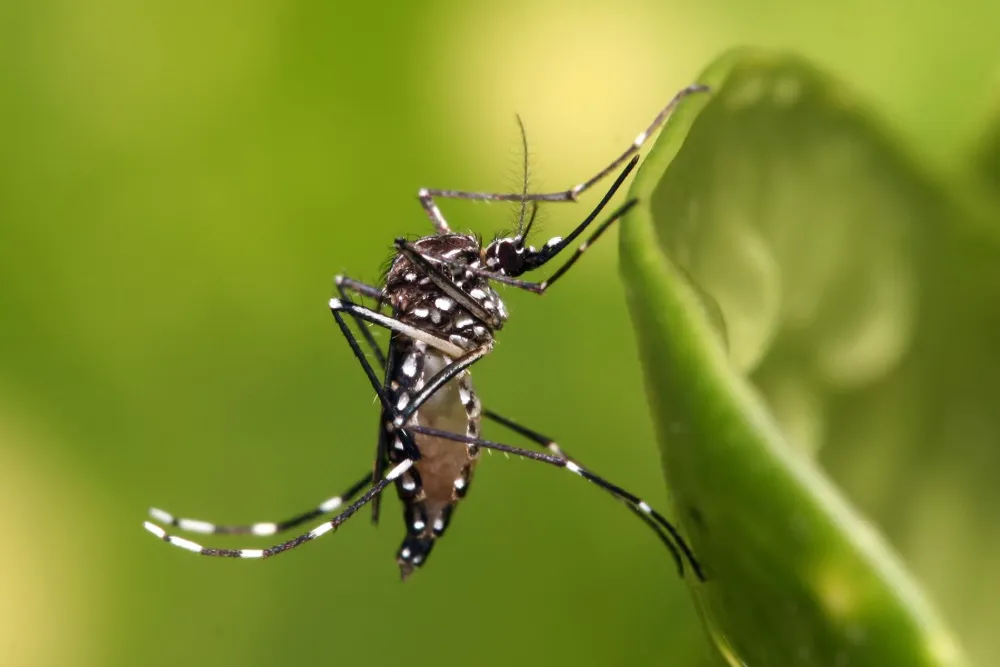
Why Do Mosquitoes Bite Some People More Than Others?
Mosquitoes bite some people more than others largely because people release different combinations of skin odors that mosquitoes can detect. Research has linked greater attraction to certain carboxylic acids found in human skin emissions. Mosquitoes also use carbon dioxide from breathing, visual cue...
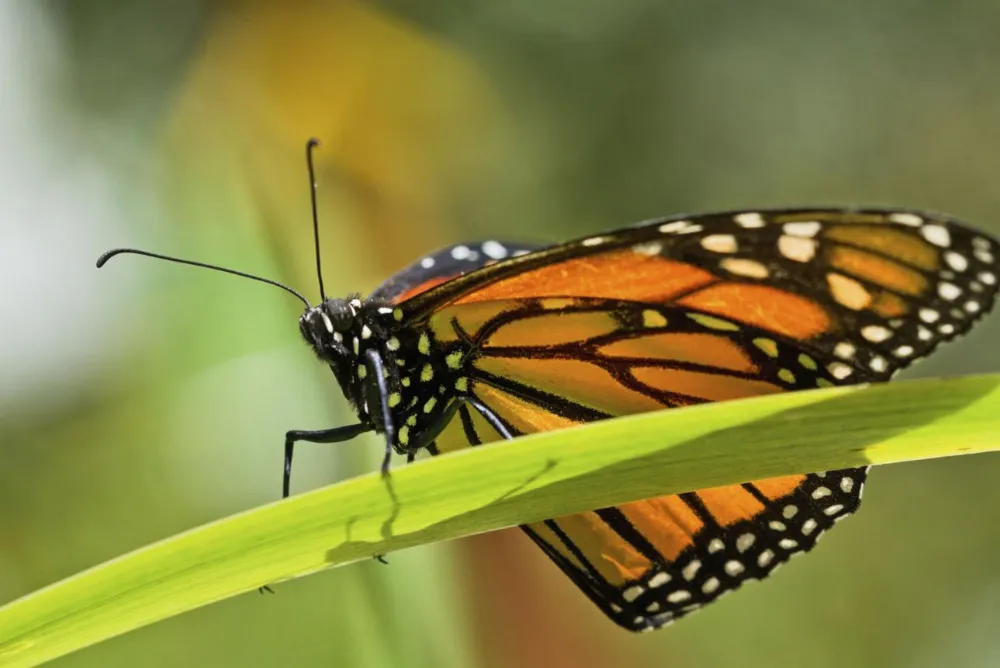
Can Butterflies Taste With Their Feet?
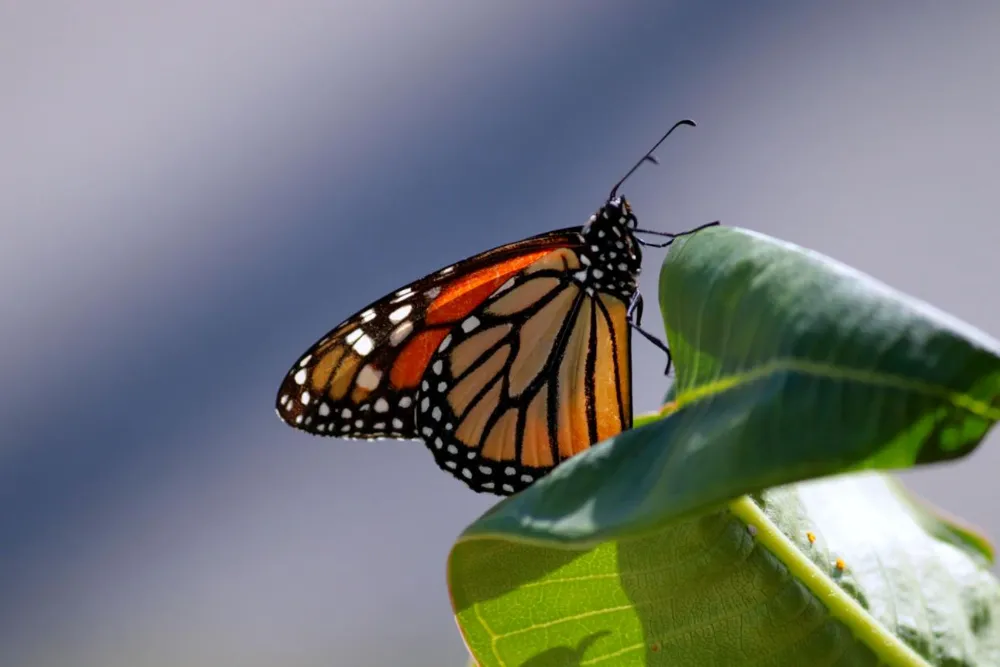
Yes, butterflies can taste with their feet. Many butterflies have specialized chemical sensors called gustatory sensilla on their legs, particularly on the lower foot segments known as tarsi. When a butterfly lands on a leaf or flower, these sensors can detect certain chemicals on the surface. For f...
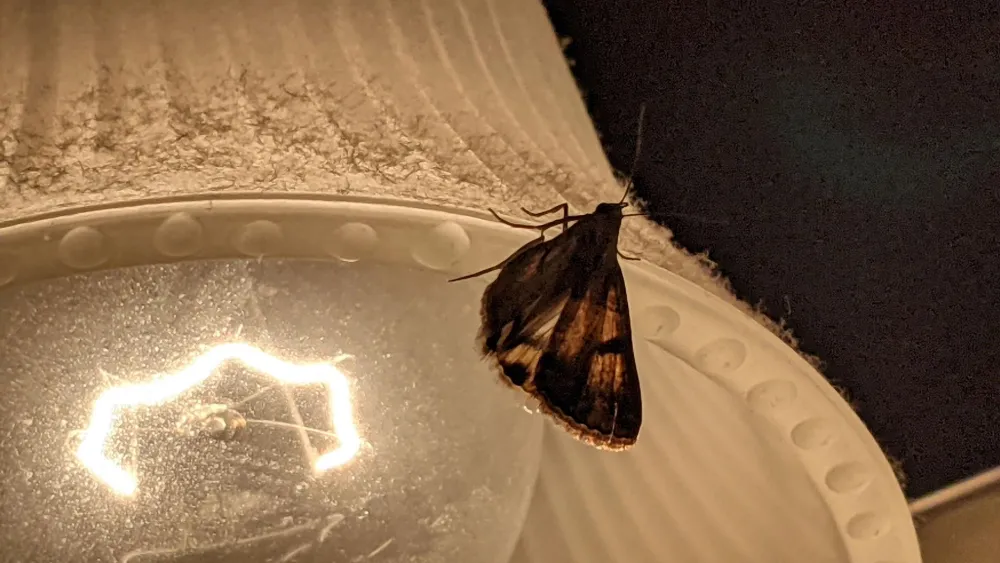
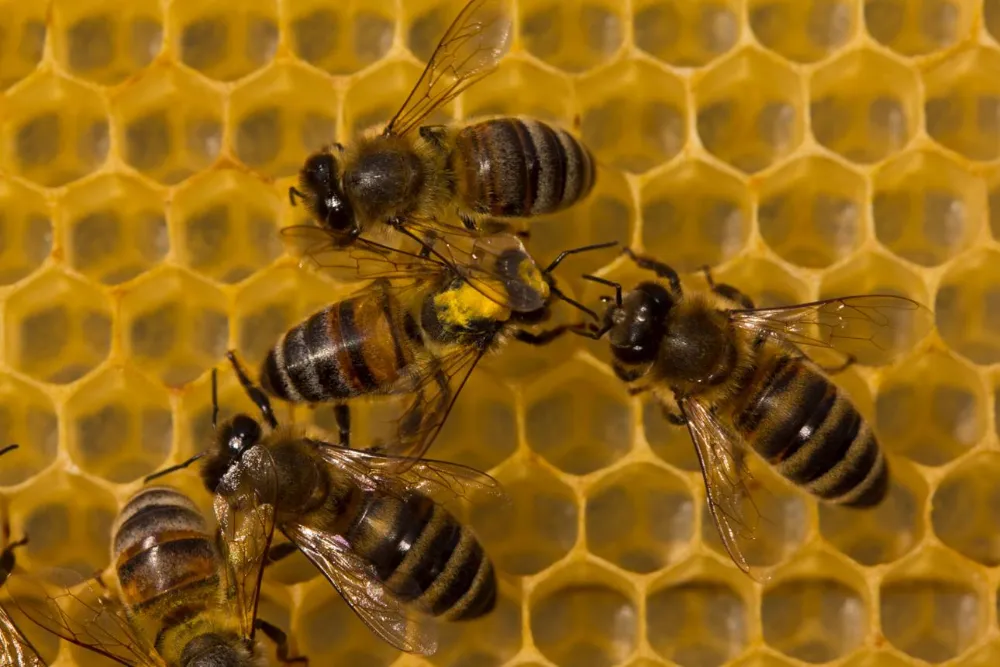

The 10 Most Poisonous Insects in the World
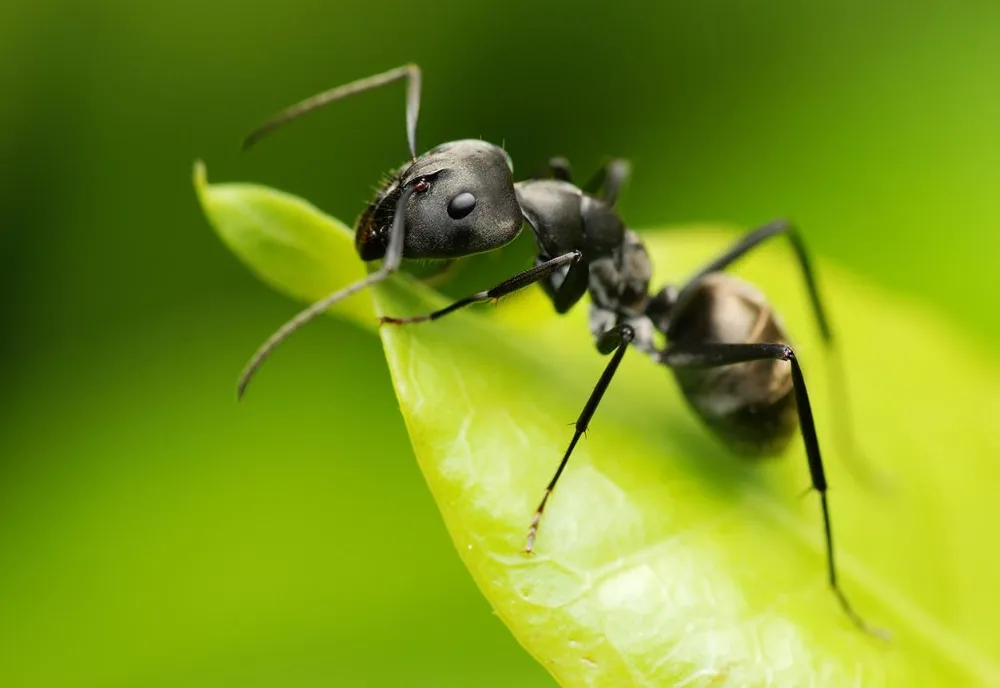
Insects inhabit nearly every corner of our planet. They are the most numerous creatures in the animal kingdom — yet many of them pose serious threats to humans. Some carry deadly toxins, while others spread dangerous diseases.Wondering which insects are the most venomous on Earth? Here are ten of t...
Aquatic Insects: What They Are, Types, and Examples
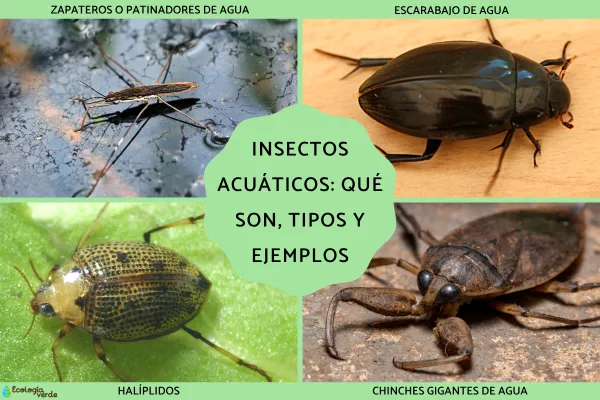
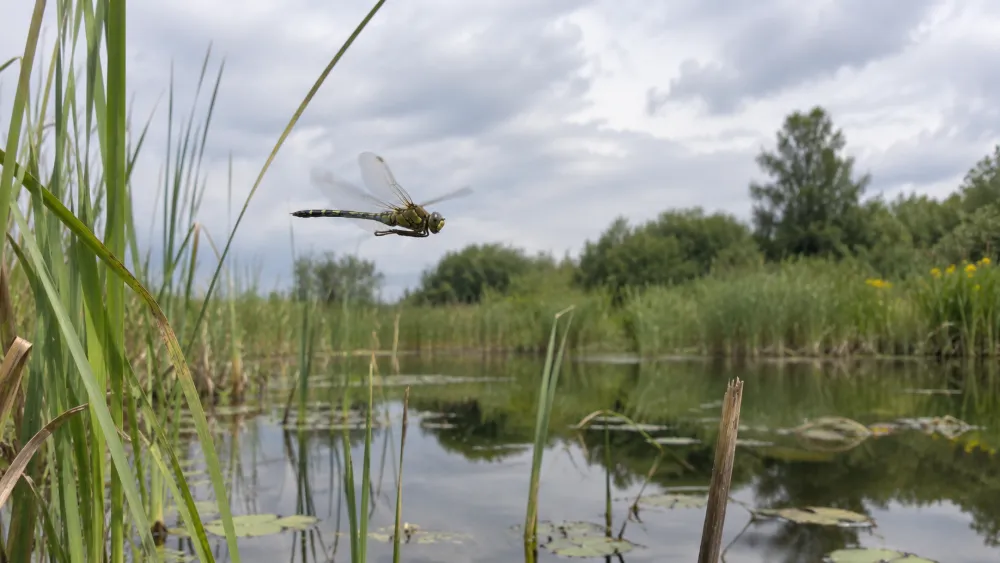
Aquatic insects are invertebrate arthropods that live primarily in freshwater habitats. More than 76,000 aquatic insect species are known. Representative examples include the great silver water beetle (Hydrophilus piceus), diving beetles (Dytiscidae), haliplids (Haliplidae), and hygrobiids (Hygrobii...

Insect Classification (Common Orders, External Anatomy, Diet & Reproduction, and Wingless Groups
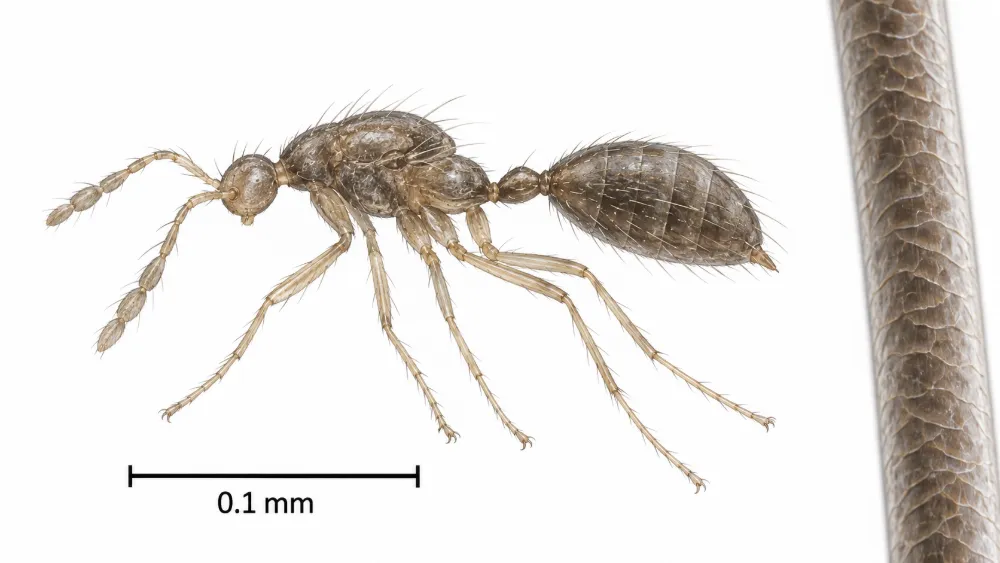
Insects are the most species-rich animals on Earth, occupying nearly every terrestrial and freshwater habitat—from deserts and mountaintops to tropical rainforests. Knowing how entomologists organize insect diversity, how to read their external anatomy, and how they feed and reproduce will help you...

10 Ways Insects Defend Themselves
In the wild world of nature, insects face a constant battle for survival. Birds, frogs, lizards, and countless other creatures see them as tasty meals. So how do these tiny creatures manage to survive against so many threats?Insects have thrived on Earth for hundreds of millions of years by developi...

You Thought It Was a Twig? 10 Fascinating Facts About Stick Insects
They look like twigs, sway like branches, and can vanish into their surroundings with shocking ease. Stick insects — also known as phasmids or walking sticks — are masters of disguise and full of surprising abilities. Let’s uncover 10 incredible truths about these bizarre yet brilliant creatures....


Condylura cristata
Star-nosed mole (scientific name: Condylura cristata): is a small mole found in eastern North America, eastern Canada and northeastern United States. It is the only member of the star-nosed mole family and the star-nosed mole genus, with no subspecies.Star-nosed moles live in moist lowlands and feed...

Top 10 most painful insect bites in the world
Insect bites are often extremely painful. When attacking prey, some insects will secrete pheromones to summon their companions, making the victim's experience even worse. So, which insect bite do you think is the most painful?Today, let's introduce the world's ten most painful inse...

What is the scientific name of fart bug?
Aspongopus chinensis Dallas (scientific name: Aspongopus chinensis Dallas) is a stink bug, also known as the "fart bug", so named because it may produce a special smell or gas when disturbed. The following is a detailed introduction to the nine-scented insect:Characteristics of Nine-Fragra...

What are the common insects in damp homes?
In a humid environment at home, common bugs mainly include insects and invertebrates that like humid environments. Here are some common bugs found in wet environments, along with a detailed description of them:termite:Termites are insects that love moist environments and often feed on wood, causing...
What are beneficial insects and pests?
Beneficial insects and pests are two types of insects commonly found in agriculture and ecosystems, and they have an important impact on plants, crops and ecosystems. Here is a detailed introduction to beneficial insects and pests: beneficial insects bee: Bees ar...