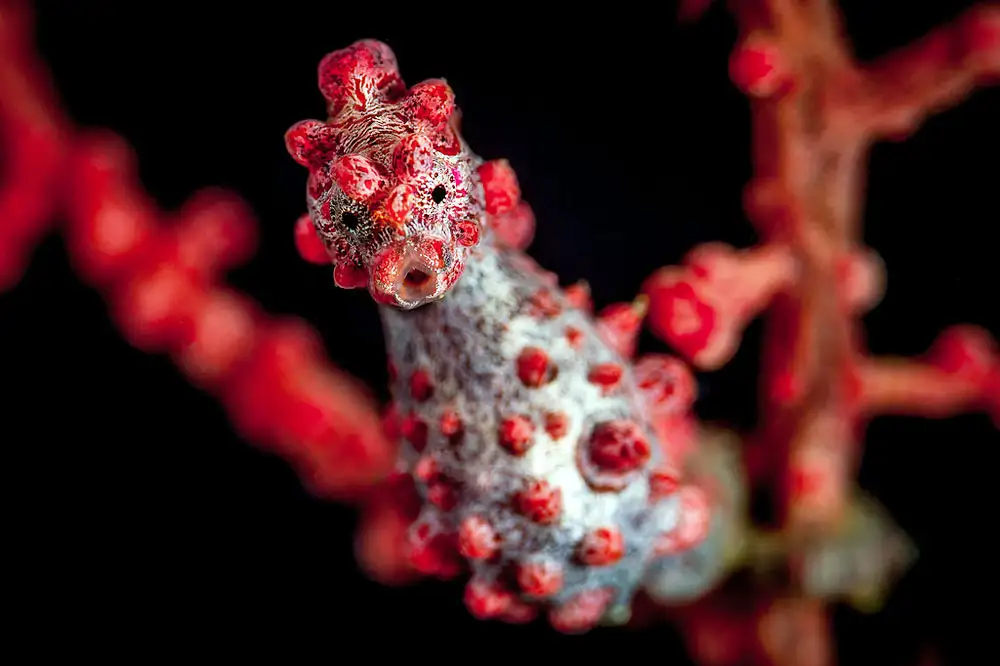
Pygmy seahorse (group overview)
Pygmy seahorses are miniaturised Hippocampus noted for extreme crypsis and male brooding; many live on gorgonians.The pygmy seahorse, measuring about one centimeter in length, is also known as the dwarf seahorse. Its observed body colors include red, gray, yellow, and white, and it varies depending...
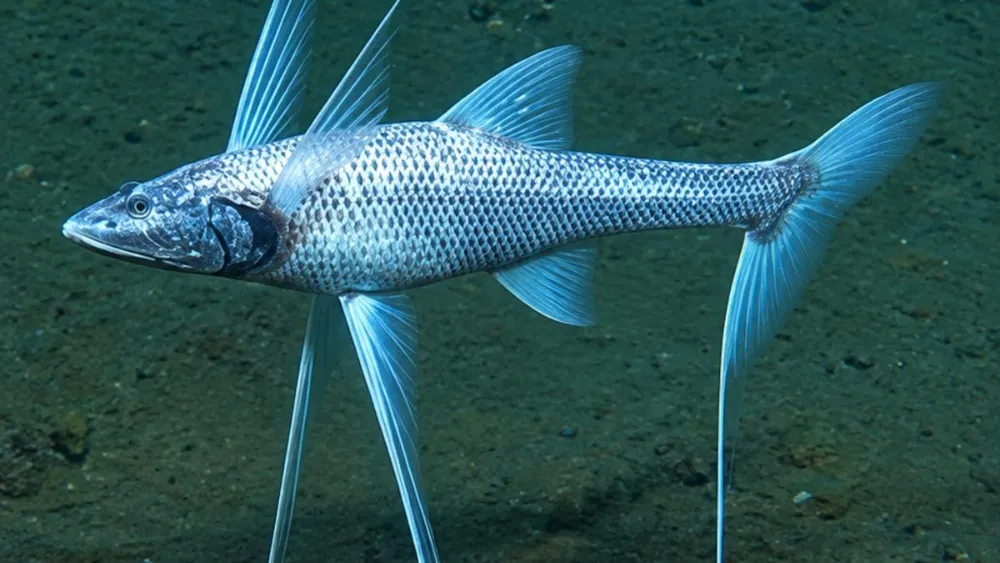
Tripod Fish: The Deep-Sea Fish That Stands on Stilts
The tripod fish is a remarkable deep-sea fish that can stand above the ocean floor using three extraordinarily long fin extensions. One of the best-known species, Bathypterois grallator, rests on two elongated pelvic-fin rays and an extended ray from the lower part of its tail fin. It faces into the...
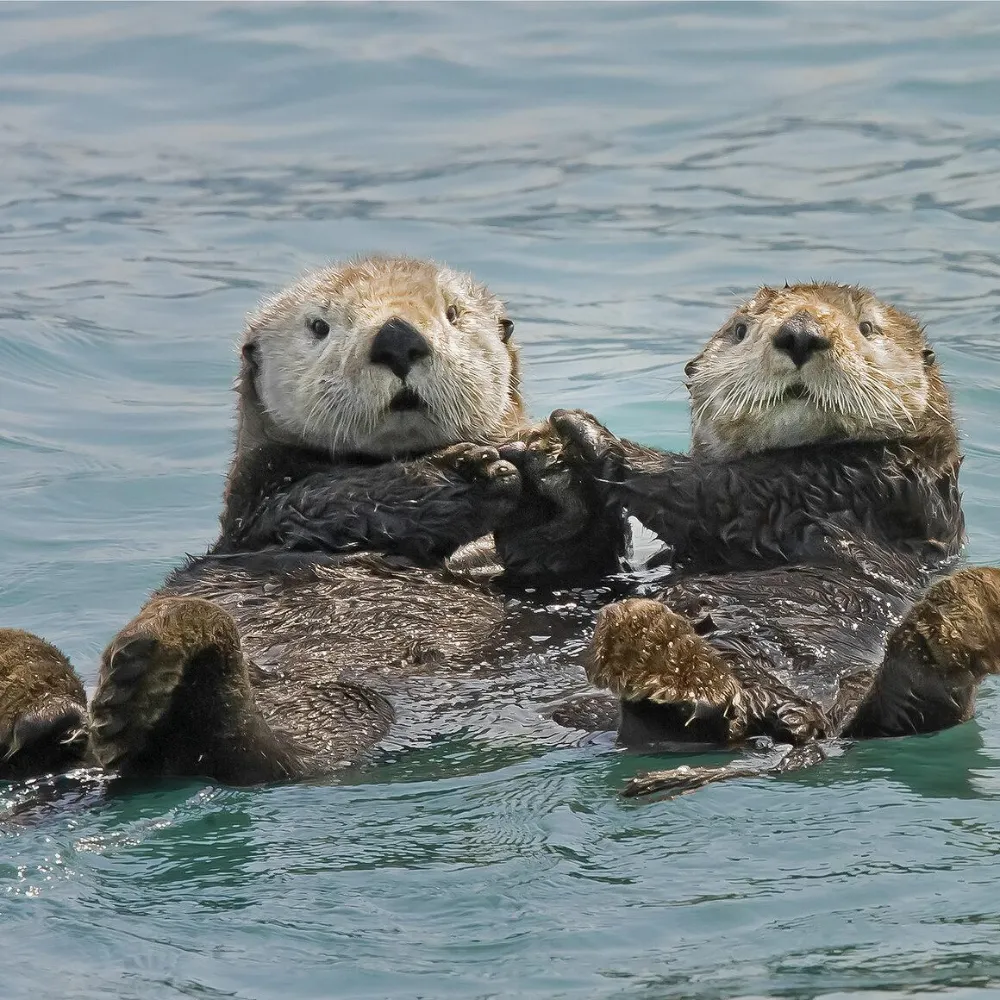
Why Do Sea Otters Hold Hands? The Real Reason
Sea otters sometimes hold hands, or more accurately paws, while resting on the ocean surface to help prevent themselves from drifting apart. However, this behavior is much less common in the wild than popular photographs and videos suggest. Sea otters often rest together in floating groups called ra...
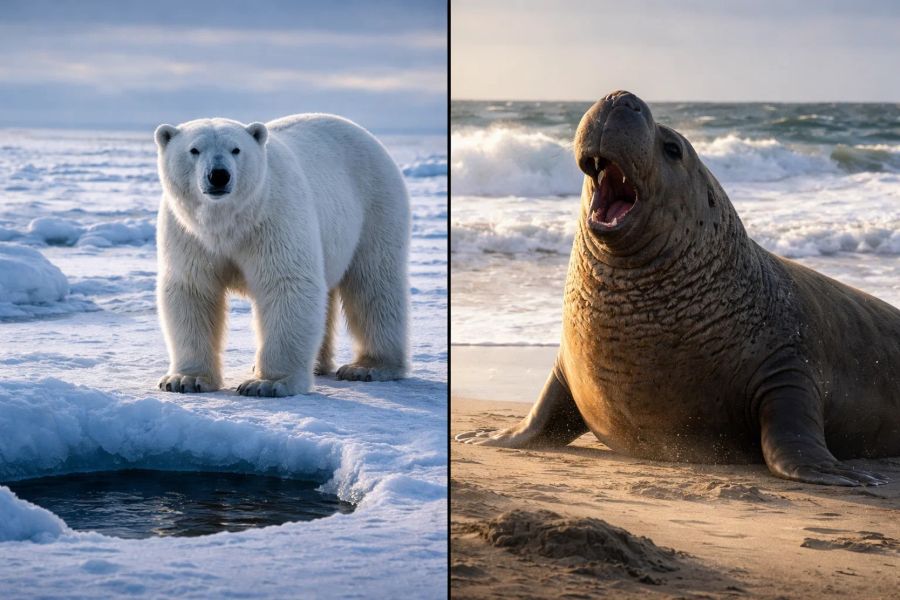
Polar Bear vs. Elephant Seal: A Zoologist’s Reality Check on a “Clash of Titans”
At first glance, Polar Bear vs Elephant Seal sounds like a perfect “who’s the ocean boss?” matchup. But biology starts with geography:Polar bears (Ursus maritimus) are Arctic sea-ice hunters, built to stalk seals from the ice. Elephant seals (Mirounga spp.) are deep-diving pinnipeds—with norther...
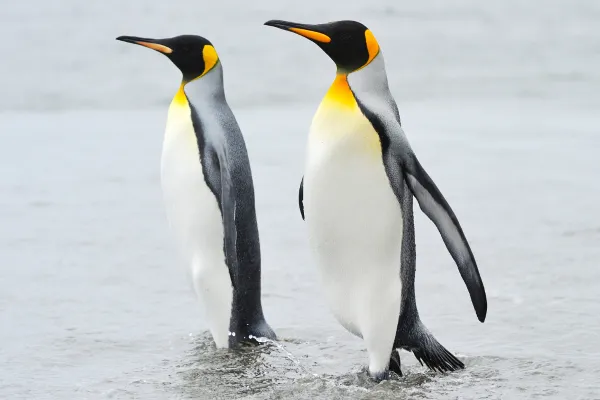
King Penguin: Facts, Habitat, Diet, Breeding, and Conservation
The king penguin (Aptenodytes patagonicus) is one of the most elegant and recognizable penguins in the world. It is the second-largest penguin species, smaller only than the emperor penguin, and is famous for its tall posture, sleek body, and bright orange markings on the head and upper chest. Unlik...
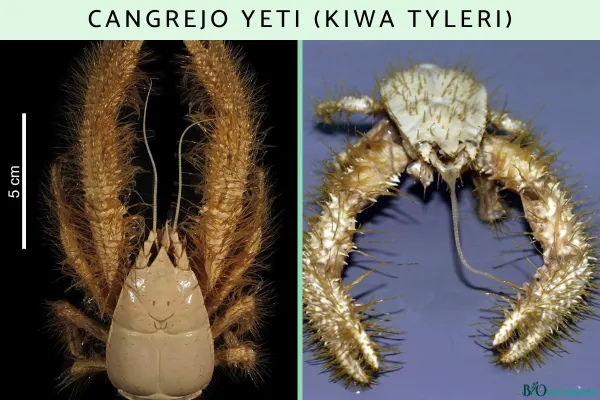
Yeti Crab: Facts, Habitat, Diet, Adaptations, and Deep-Sea Life
The Yeti Crab is one of the strangest animals ever discovered in the deep ocean. With its pale body and hair-like bristles covering its claws and underside, it looks so unusual that scientists and the public quickly gave it a memorable name. Despite being called a crab, the Yeti Crab is not a true c...

Elephant Seal (Mirounga): Size, Weight, Range, and Reproduction
One of the most social marine animals you can see on beaches is the elephant seal, a large pinniped in the genus Mirounga. Pinnipeds are marine mammals with limbs adapted into flippers. Elephant seals are famous for their enormous size—adult males can weigh several tons—and for their dramatic bree...

Mediterranean Monk Seal (Monachus monachus): Diet, Endangered Status, and Interesting Facts
The Mediterranean monk seal (Monachus monachus) is one of Europe’s most threatened marine mammals. Once widespread across the Mediterranean, it now survives in small, scattered groups. It feeds mainly on fish and cephalopods (such as octopus and squid), and it is known for using sea caves for resti...

Leopard Seal (Hydrurga leptonyx): Characteristics, Range, and Diet
The leopard seal (Hydrurga leptonyx) is a true seal (family Phocidae) superbly adapted to marine life. Fast, powerful, and highly efficient in the water, it is one of Antarctica’s most formidable predators. Below is an improved English version of your Spanish source, with clearer structure and smoo...

Differences Between Seals, Sea Lions, and Walruses
Seals, sea lions, and walruses are all pinnipeds—marine mammals adapted to life in the ocean with streamlined bodies, flippers, and excellent swimming ability. Because they look somewhat similar at a glance, people often confuse them. However, they differ clearly in taxonomy, ears, movement on land...

Pygmy Seahorse (Hippocampus bargibanti): Size, Camouflage, Habitat, and Key Facts
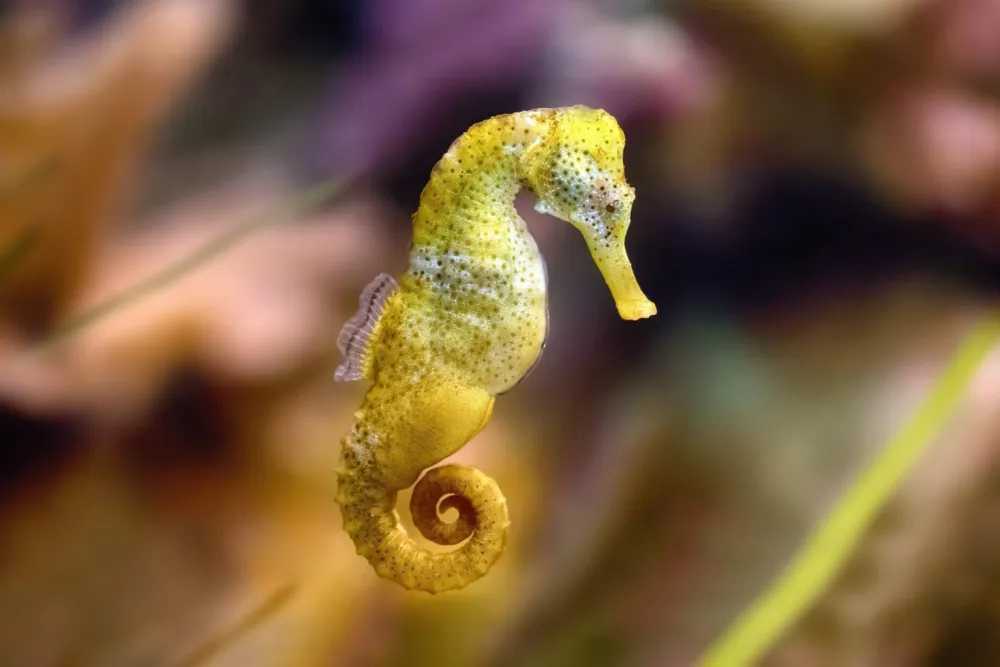
Seahorses are some of the ocean’s most unusual fish. Even though they swim upright and have a horse-like head, they are true bony fish—and they’re famous for a rare twist in parental care: the male carries the developing young. Among the many seahorse species, one of the most extraordinary is the...
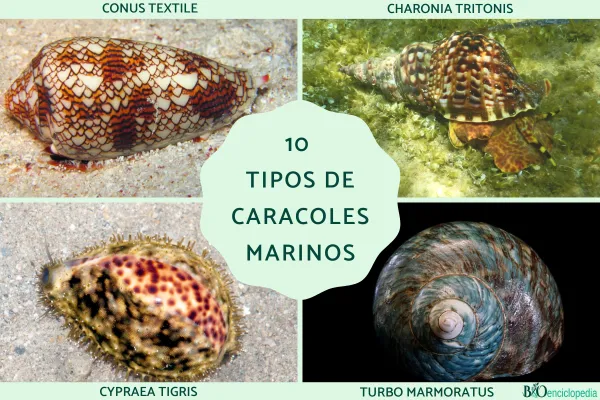
10 Types of Sea Snails: Names and Key Characteristics
Sea snails are marine gastropods found from shallow tide pools to coral reefs and deeper coastal waters. Their shells come in countless shapes and colors, but they’re more than beautiful “ocean ornaments.” Many graze on algae and help keep reefs balanced, while others are active predators that sh...

Dog Breeds That Can Handle Cold Weather vs Heat (Climate-Specific Guide)
Not every dog is built for your weather. A fluffy double coat can be amazing in a snowy winter and miserable in a hot summer. A short-nosed (flat-faced) dog may struggle the moment the temperature climbs. And “my dog loves the snow” doesn’t always mean they’re safe in it for long.This climate-sp...

10 Fascinating Facts About Sea Lions
Sea lions are charismatic marine mammals that many people know from aquariums, documentaries and rocky coasts – but there’s much more to them than their playful appearance. They can hold their breath for 10–15 minutes, stay pregnant for around 11 months, and even “applaud” underwater.Below you’...
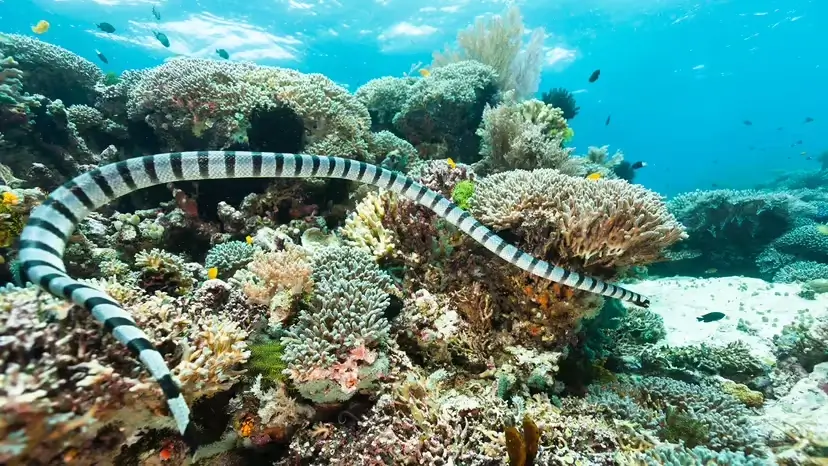
Sea Snakes: Smaller Than You Think, Deadlier Than They Look
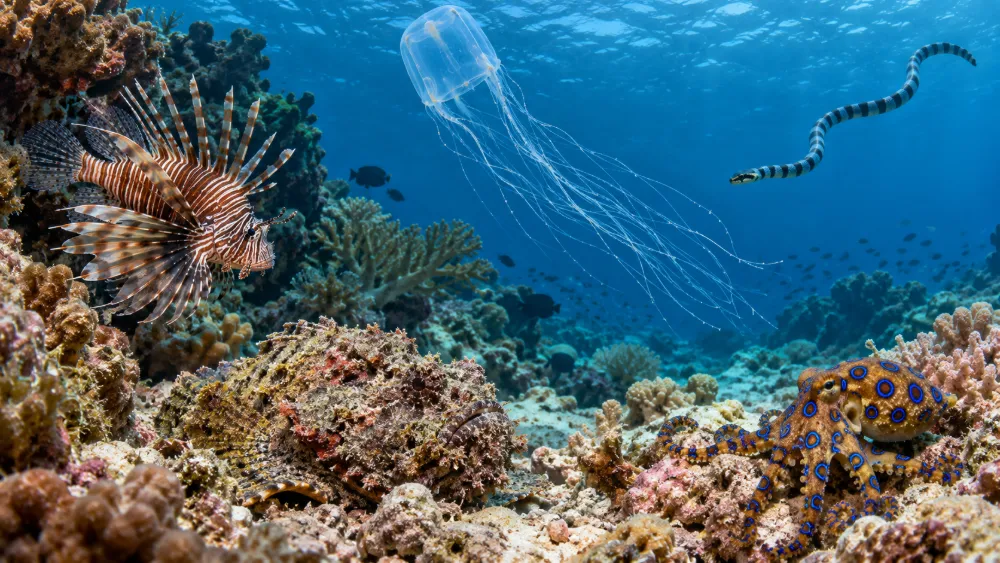
Sea snakes aren’t just any snake that happens to swim. In modern herpetology, the term refers to two lineages within the cobra family (Elapidae): true sea snakes (Hydrophiinae) and sea kraits (Laticaudinae). Both have oar-like tails and superb aquatic agility, yet they live very different lives at...