What animal has the best endurance? There is no single scientific winner because endurance can mean very different things. Common swifts are extraordinary for continuous aerial activity, bar-tailed godwits for nonstop migration, pronghorns for sustained high-speed running, Alaskan sled dogs for prolonged work in extreme cold, and humans for long-distance running in warm conditions. The best answer depends on whether you mean flight time, nonstop distance, running speed, work output or survival in harsh environments.
For overall continuous movement, the common swift is one of the strongest candidates: tracking studies found that some individuals stayed airborne for their entire 10-month non-breeding period, while most remained airborne more than 99% of the time. For a single nonstop migration, the bar-tailed godwit holds an even more dramatic distance record.
10 Animals With the Best Endurance at a Glance
| # | Animal | Main type of endurance | What makes it exceptional |
|---|---|---|---|
| 1 | Common Swift | Continuous aerial endurance | Tracked birds spent more than 99% of a 10-month non-breeding period airborne; some never landed |
| 2 | Bar-Tailed Godwit | Nonstop migration | A tracked juvenile flew about 13,560 km from Alaska to Tasmania in 11 days without stopping |
| 3 | Pronghorn | High-speed land endurance | Can sustain very high running speeds much longer than typical sprint specialists |
| 4 | Alaskan Sled Dog | Cold-weather work endurance | Research dogs completed hundreds of kilometers while maintaining extraordinary energy expenditure |
| 5 | Human | Long-distance running | Humans are poor sprinters but unusually capable endurance runners among primates |
| 6 | Horse | Long-distance running and work | Elite endurance competitions can cover 160 km in one day with mandatory veterinary checks |
| 7 | Ostrich | Running efficiency | Fastest running bird with anatomy specialized for efficient terrestrial locomotion |
| 8 | Gray Wolf | Long-distance travel | Established wolves may travel up to about 30 miles in a day while hunting or patrolling |
| 9 | Dromedary Camel | Desert survival endurance | Highly adapted to dehydration, heat and long travel with limited water |
| 10 | Wandering Albatross | Low-cost ocean flight | Uses dynamic soaring to travel thousands of kilometers with very little flapping |
What Does “Best Endurance” Actually Mean?
Endurance is not the same as speed, strength or toughness.
A cheetah can sprint faster than almost any other land animal but cannot maintain top speed for long. A camel may not run quickly, yet it can keep functioning under severe heat and dehydration. A godwit may not be powerful on land, but it can remain in continuous flight across an ocean for days.
It is more useful to divide endurance into several categories:
continuous movement endurance — staying active for extremely long periods
nonstop migration endurance — covering huge distances without resting
high-speed endurance — maintaining unusually fast movement for longer than typical sprinters
work endurance — sustaining repeated muscular effort over many hours or days
environmental endurance — continuing to function under heat, cold, dehydration or low food availability
That is why no scientifically meaningful ranking can produce one universal “stamina score.”
Common Swift — The Continuous-Flight Champion
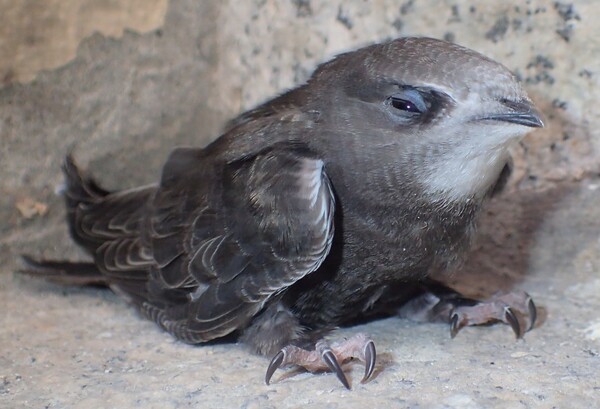
The common swift (Apus apus) has one of the most extraordinary endurance lifestyles ever measured in a bird.
A tracking study published in Current Biology found that common swifts were airborne for more than 99% of their 10-month non-breeding period. Some tracked birds never landed during that period, while most made only brief occasional landings.
Swifts feed and travel in the air, and their long narrow wings make sustained flight extremely efficient. Their endurance is not based on flying at maximum speed. It comes from maintaining an aerial lifestyle almost continuously.
If the question is “Which animal can keep moving for the longest time without normal rest on the ground?”, the common swift is one of the strongest answers.
Bar-Tailed Godwit — The Nonstop Distance Champion
The bar-tailed godwit (Limosa lapponica) represents a different kind of endurance: extreme migration without landing.
In 2022, a juvenile tracked from Alaska reached Tasmania after a minimum flight of about 13,560 km. BirdLife Australia reports that the journey took about 11 days and is the longest recorded nonstop flight by a bird.
Godwits prepare for these journeys by storing large fat reserves before departure. During migration, that stored energy powers continuous flight over the Pacific, where landing is not a practical option.
For a single measured nonstop journey, the bar-tailed godwit has a stronger claim than the common swift. The swift wins in months of aerial living; the godwit wins in spectacular one-trip distance.
Pronghorn — High-Speed Endurance on Land
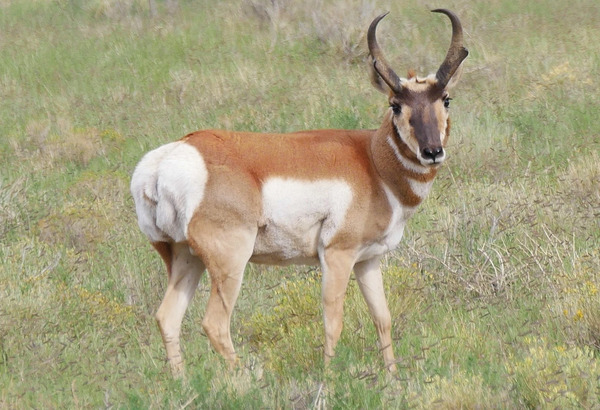
The pronghorn (Antilocapra americana) is not simply fast. Its special advantage is combining speed with endurance.
The U.S. National Park Service reports that pronghorn can reach roughly 55 mph (89 km/h) for short distances and can maintain speeds approaching 45 mph (72 km/h) for much longer than ordinary sprint specialists.
Large airways, a strong cardiovascular system and efficient locomotion help them sustain rapid movement across open North American landscapes.
So if “best stamina” means maintaining unusually high speed on land, the pronghorn is one of the best candidates.
Alaskan Sled Dog — Extreme Work Endurance in the Cold
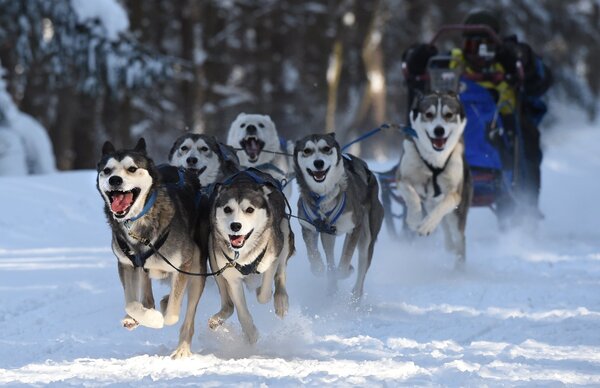
Alaskan sled dogs are among the best-studied endurance athletes in the animal world.
One study measured dogs during a 490-km race completed in about 70 hours in temperatures ranging roughly from -35°C to -10°C. Their sustained metabolic rate was described as extraordinarily high for a large mammal.
Another experiment followed trained sled dogs running about 160 km per day for up to five consecutive days. Despite the repeated workload, the dogs showed remarkable metabolic adaptation during prolonged exercise.
Sled dogs therefore stand out not because of one sprint or one migration, but because they can perform hard muscular work day after day in freezing conditions.
Human — One of the Best Endurance Runners Among Primates
Humans are animals, and they belong in this comparison.
We are poor sprinters compared with many four-legged mammals, but sustained long-distance running is a different story. A classic review in Nature concluded that humans perform remarkably well at endurance running and identified multiple anatomical and physiological traits associated with that ability.
Important features include:
efficient sweating across much of the body
long legs and spring-like tendons
stabilizing structures that help control the body during running
the ability to maintain aerobic effort over long distances
Humans are not the universal endurance champion, but among primates we are exceptional distance runners.
Horse — Proven Long-Distance Running Endurance
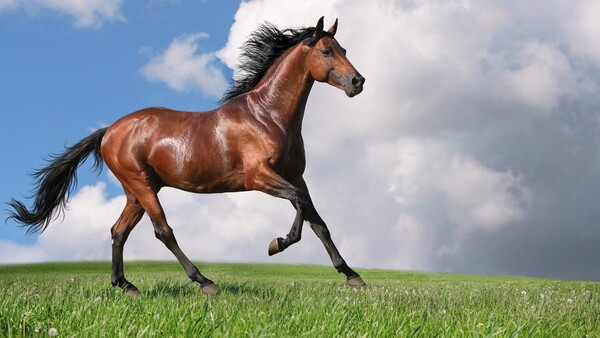
Horses combine speed, aerobic capacity and the ability to cover long distances under controlled effort.
Modern endurance riding provides a useful real-world benchmark. Fédération Equestre Internationale events include distances from 100 km to 160 km, with top-level 160-km competitions completed in one day.
These events are not simple races to exhaustion. Horses undergo repeated veterinary inspections, and heart-rate recovery, gait and metabolic condition determine whether they are allowed to continue.
This makes the horse one of the best examples of long-distance endurance that can be measured under structured conditions.
Ostrich — The Endurance Runner of the Bird World
The ostrich (Struthio camelus) is the fastest running bird, but its importance here is not just top speed.
Its very long legs, elastic tendons and efficient stride reduce the energetic cost of locomotion. Unlike birds that escape by flying, an ostrich relies heavily on sustained terrestrial movement.
It should not be given a precise “can run X mph for Y hours” claim unless a specific study supports that measurement. What is well established is that ostrich anatomy is highly specialized for efficient high-speed running over open ground.
Gray Wolf — Endurance Through Daily Travel
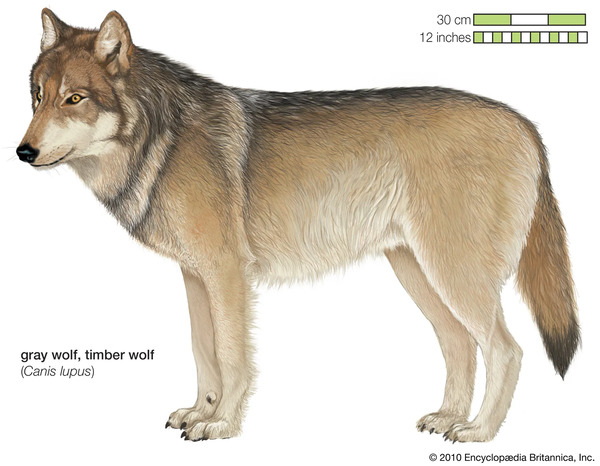
Gray wolves (Canis lupus) use endurance differently from sprint predators.
The U.S. National Park Service reports that wolves may travel as far as about 30 miles (48 km) in a day. They often move at an efficient trot while searching for prey, patrolling territory or dispersing.
Wolves can run quickly for short periods, but their ecological advantage often comes from being able to cover large territories repeatedly rather than from maximum sprint speed.
Dromedary Camel — Desert Survival Endurance
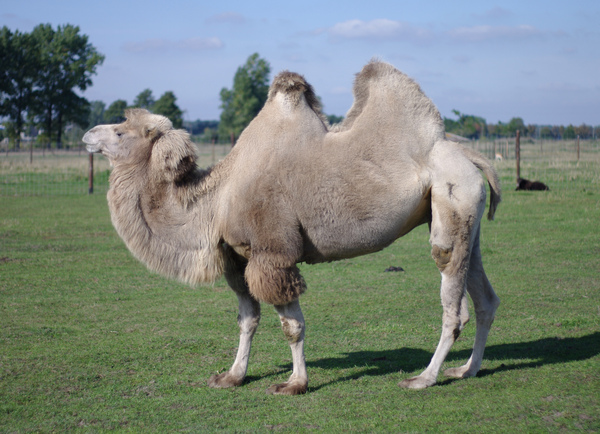
The dromedary camel (Camelus dromedarius) is an endurance specialist in a completely different sense.
Camels tolerate substantial dehydration, reduce water loss efficiently and continue functioning in hot, dry environments that would overwhelm many mammals.
Classic physiology experiments demonstrated that camels could tolerate prolonged periods without drinking under controlled conditions, although the often-repeated claim that “a camel can always go X days without water” is too simplistic. Temperature, workload, diet and water availability all matter.
Camels are therefore best described as desert survival endurance specialists, not as marathon runners.
Wandering Albatross — Thousands of Kilometers With Very Little Flapping
The wandering albatross (Diomedea exulans) crosses huge expanses of the Southern Ocean using a flight strategy called dynamic soaring.
Rather than powering every kilometer through constant wingbeats, the bird extracts energy from wind gradients above ocean waves. Tracking studies have recorded thousands of kilometers of sustained non-flapping flight.
This makes the albatross an efficiency champion. It travels extraordinary distances, but much of its success comes from minimizing muscular energy expenditure rather than sustaining maximum muscular work.
Which Animal Has the Most Stamina?
If you need one answer, it depends on the test:
| Question | Best candidate |
|---|---|
| Longest continuous aerial lifestyle? | Common swift |
| Longest measured nonstop bird flight? | Bar-tailed godwit |
| Best high-speed land endurance? | Pronghorn |
| Best repeated endurance work in extreme cold? | Alaskan sled dog |
| Best endurance runner among primates? | Human |
| Best long-distance domestic running athlete? | Horse |
| Best desert survival endurance? | Dromedary camel |
| Most energy-efficient long-range ocean flyer? | Wandering albatross |
Do Humans Have the Best Endurance of Any Animal?
No. Humans are excellent endurance runners, especially in warm conditions, but other animals outperform us in many endurance categories.
A godwit can fly continuously for more than 13,000 km. A common swift can spend nearly its entire non-breeding season in the air. Sled dogs can repeat long-distance work in extreme cold. Pronghorns can sustain speeds humans cannot approach.
The strongest scientific claim is that humans are remarkably good endurance runners for primates, not that we are the undisputed endurance champions of the animal kingdom.
Speed vs Endurance: Why the Fastest Animal Is Not the Winner
| Trait | Speed | Endurance |
|---|---|---|
| Main question | How fast can it move? | How long can it sustain useful performance? |
| Typical example | Cheetah sprint | Godwit migration or sled-dog race |
| Main physiological demand | Short, intense power output | Energy management, aerobic capacity and recovery |
| Does the fastest animal automatically win? | Yes for a pure speed contest | No |
That distinction is why endurance rankings should not simply copy a list of the world’s fastest animals.
Frequently Asked Questions
What animal has the best endurance?
There is no single scientific winner. The common swift is one of the best candidates for continuous movement because some individuals remain airborne throughout a 10-month non-breeding period. The bar-tailed godwit is exceptional for nonstop migration, and the pronghorn for high-speed land endurance.
What animal has the most stamina?
It depends on the type of stamina. Common swifts excel in prolonged flight, godwits in nonstop migration, pronghorns in fast running, sled dogs in repeated cold-weather work and camels in desert survival.
What animal has the most stamina including humans?
Humans are exceptional endurance runners among primates, but they are not the universal winner. Several birds, sled dogs and pronghorns outperform humans in different endurance categories.
What animal has the best endurance running?
The pronghorn is one of the strongest high-speed endurance runners. Humans and horses are excellent over longer controlled distances, while ostriches are highly efficient running birds.
What bird has the best endurance?
For continuous aerial life, the common swift is a leading candidate. For a single nonstop migration, the bar-tailed godwit holds the most famous measured distance record.
How far can a bar-tailed godwit fly without stopping?
A tracked juvenile flew approximately 13,560 km from Alaska to Tasmania in 2022, completing the nonstop journey in about 11 days.
Why are sled dogs so good at endurance?
They combine selective breeding, cold adaptation, cardiovascular fitness and exceptional fuel metabolism. Research has documented trained sled dogs covering roughly 160 km per day for several consecutive days.
Are horses better endurance athletes than humans?
It depends on distance, terrain, temperature and the comparison method. Horses are outstanding long-distance athletes and compete in 160-km endurance events, while humans are unusually capable distance runners among primates and excel at heat dissipation through sweating.
Can a wolf outrun a human over a long distance?
A wolf can travel very large distances and is much faster than a human over many shorter running intervals. Direct “who wins an ultramarathon” comparisons are artificial because the species use different gaits, pacing strategies and environments.
Is a camel an endurance animal?
Yes, but mainly in environmental endurance. Camels are adapted to dehydration, heat and long-distance desert travel rather than sustained high-speed running.
Scientific and Official Sources
Current Biology — Annual 10-Month Aerial Life Phase in the Common Swift
BirdLife Australia — Record Nonstop Bar-Tailed Godwit Flight
American Journal of Veterinary Research — Energy Expenditure of Racing Sled Dogs
Medicine & Science in Sports & Exercise — Repeated 160-km Runs in Sled Dogs
Journal of Experimental Biology — Dynamic Soaring in Albatrosses
Final Answer
The common swift is one of the best answers for overall continuous movement endurance, while the bar-tailed godwit is the standout for a single nonstop migration. On land, the pronghorn combines speed and stamina exceptionally well, sled dogs dominate prolonged work in extreme cold, and humans are remarkable endurance runners among primates. “Best endurance” only makes sense when the type of endurance is defined first.