When you picture monkeys, you might imagine expressive eyes, playful movements or charming little faces. But across the primate family tree are species with looks so unusual that they make people stop, stare, and sometimes laugh—or recoil.
Yet these monkeys aren’t “ugly” because evolution made mistakes.
They’re “ugly” because nature prioritizes survival over aesthetics.
Oversized noses, bald heads, giant eyes and unusual fur patterns are not flaws. They’re finely tuned adaptations shaped by millions of years of evolution.
Below are 10 monkey species often labeled the “ugliest”—and the fascinating biological reasons behind their unconventional appearances.
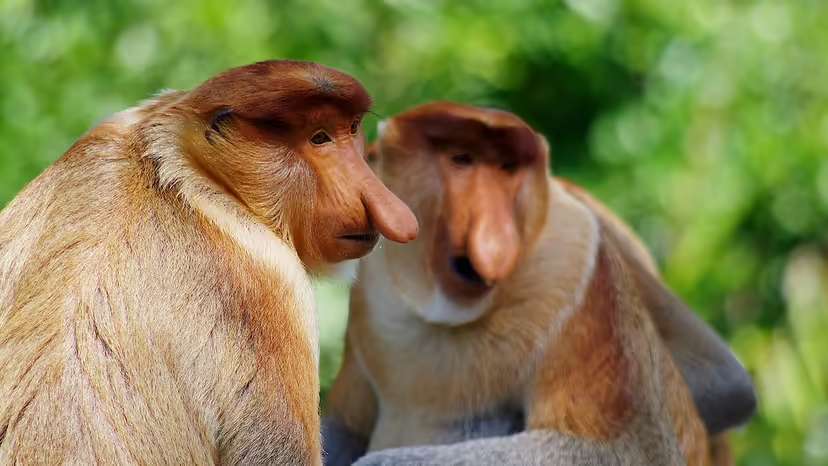
1. Proboscis Monkey
Why the strange look?
The large nose works like a built-in amplifier, helping males attract females.
It also helps warn rival males by producing deeper, louder calls.
These monkeys are excellent swimmers, thanks to partially webbed feet—an adaptation to their swampy Bornean habitat.
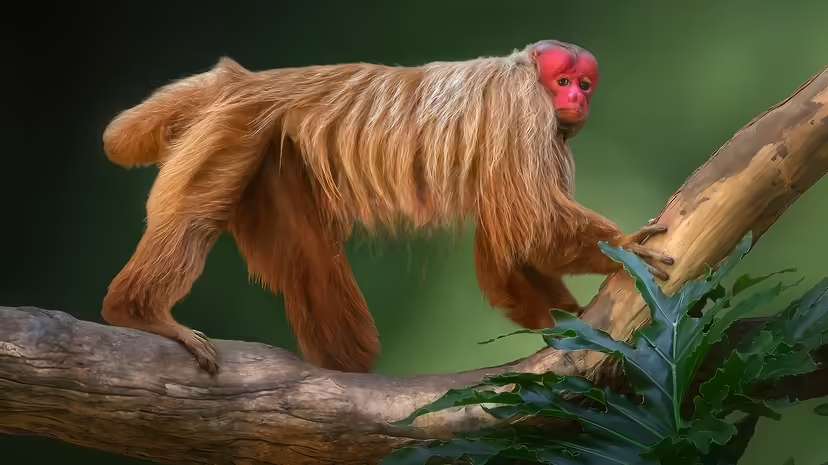
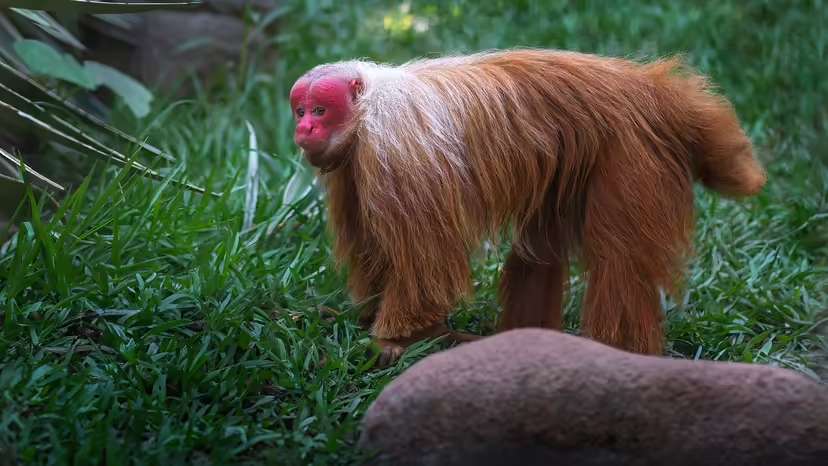
2. Bald Uakari
The bald uakari’s shocking red face and hairless head make it look like a sunburnt human.
Why so red?
In the Amazon:
A bright red face signals strong health and a robust immune system.
Pale or blotchy faces indicate illness.
To uakaris, a bright red face is not ugly—it’s attractive.
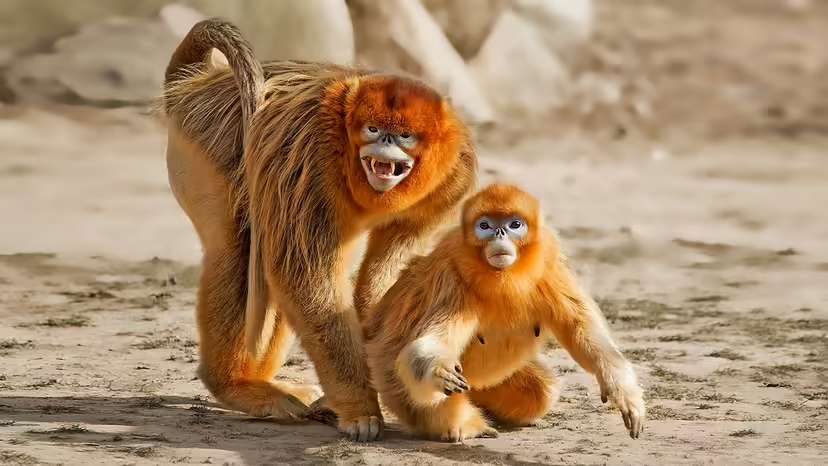
3. Snub-nosed Monkey
With their upturned noses and almost flat faces, snub-nosed monkeys look like someone forgot to finish sculpting their features.
Adapted for extreme cold
Found in high-altitude Asian mountains, their flat noses:
Prevent snow and cold air from entering the nostrils
Reduce frostbite risk
Their thick fur coats help them survive freezing winters where few primates dare to live.
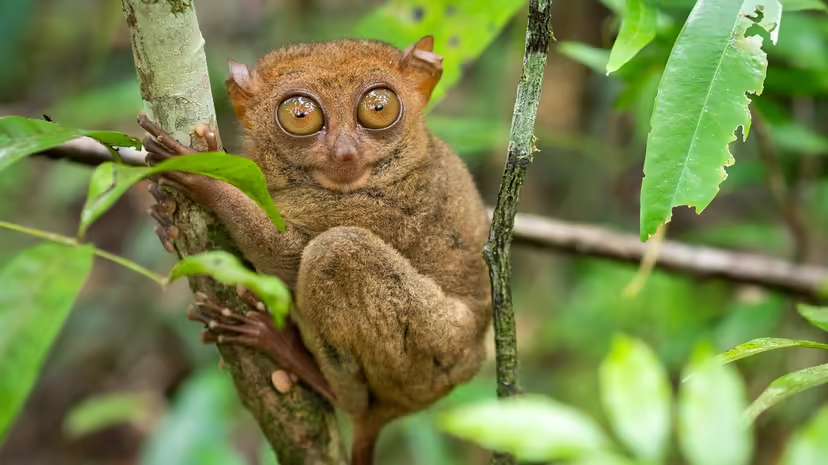
4. Tarsier
The tarsier’s enormous eyes give it a permanently startled expression. Each eye is larger than its brain.
The evolutionary trade-off
Huge eyes = exceptional night vision
Eyes cannot rotate, so the tarsier can twist its head 180 degrees like an owl
Their peculiar features make them spectacular nocturnal hunters.
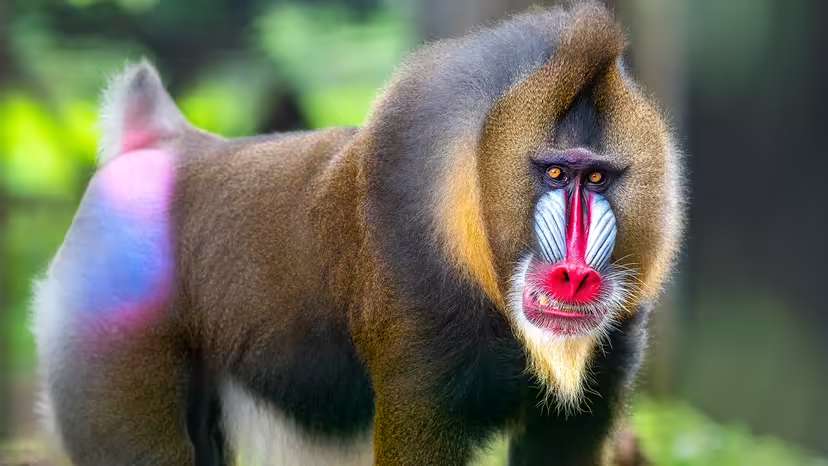
5. Mandrill
Mandrills look like they’re wearing clown makeup gone wrong: neon-blue ridges, bright red noses, and massive yellow fangs.
Why so colorful?
Bright facial colors signal dominance and health
During breeding season, males’ colors intensify dramatically
What humans find strange is, in mandrill society, a powerful visual advertisement.
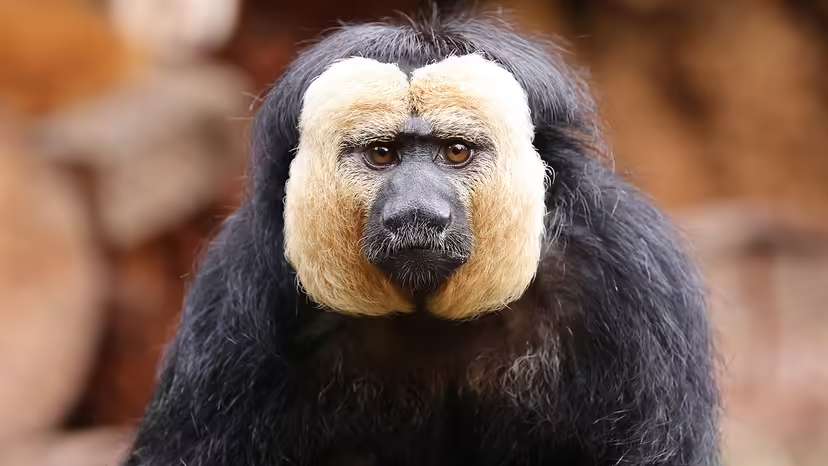
6. Saki Monkey
Function of the odd look
Dense fur helps them hide in rainforest canopies
Their contrasting faces break up their outline, aiding camouflage
Their unusual expressions are simply side effects of a survival-ready design.
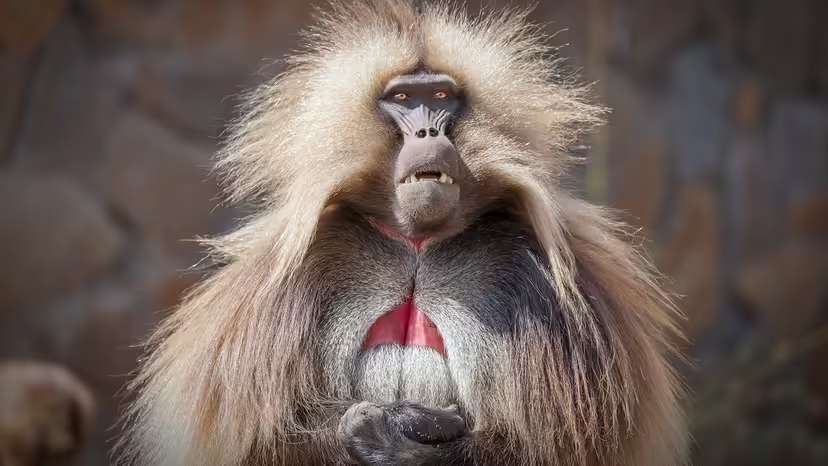
7. Gelada
Red chest = social status
Dominant males have brighter, more saturated red patches
The chest patch acts like a visual ranking badge
Geladas graze like cows in the Ethiopian highlands, making them one of the most unique monkeys on Earth.
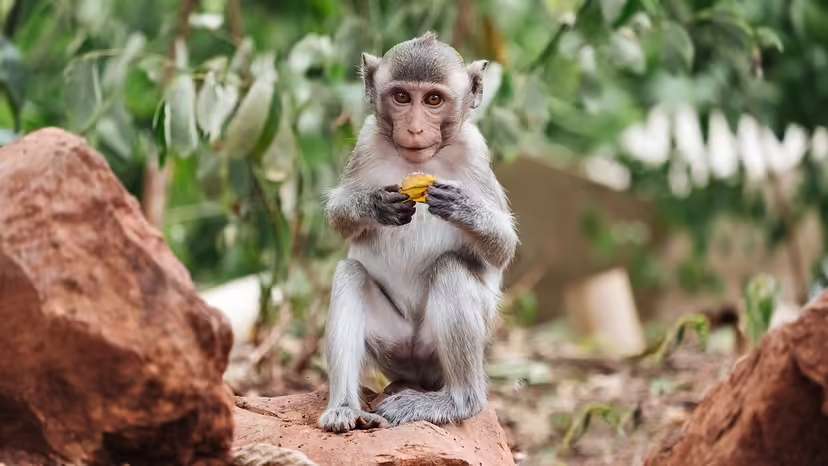
8. Rhesus Macaque
Rhesus macaques don’t look extremely strange, but their wrinkled faces and often mischievous expressions give them a reputation for being “mean-looking.”
Adaptability over beauty
They thrive in nearly any environment:
Forests
Cities
Temples
Tourist hotspots
Their boldness often leads to conflict with humans—another reason some people consider them “unappealing.”
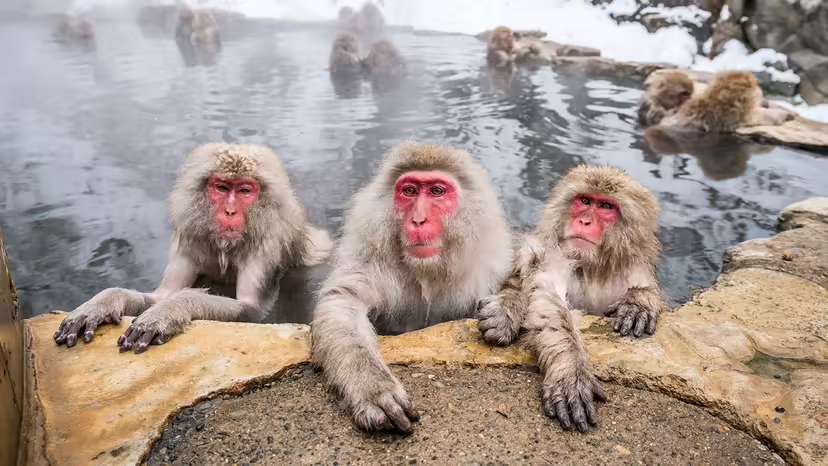
9. Japanese Macaque (Snow Monkey)
Snow monkeys have pink, hairless faces that stand out against their thick winter fur, giving them a perpetually grouchy look.
But why the bare face?
Enhances facial expression for communication
Aids in social bonding within complex groups
Their habit of bathing in hot springs makes them one of the most photogenic “ugly” monkeys.
10. Spectacled Langur
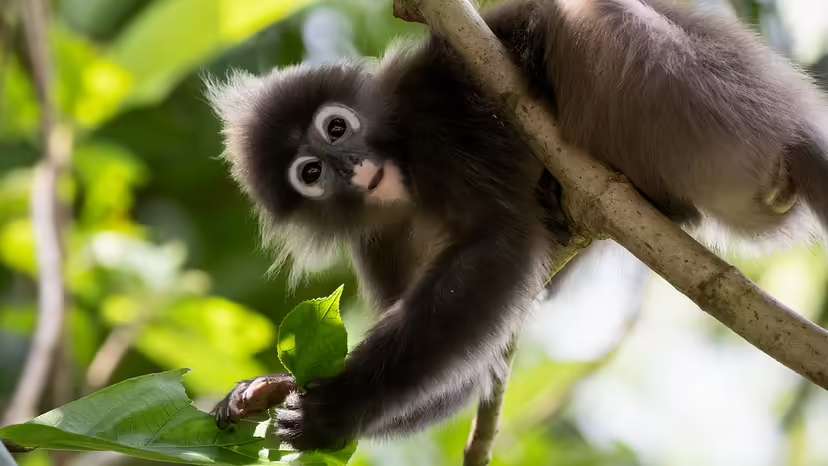
With white rings around their eyes, spectacled langurs look like they applied eyeliner for the first time—or are permanently surprised.
Why the “spectacles”?
Biologists aren’t entirely certain, but possibilities include:
Species recognition
Infant protection
Visual communication
They live high in Southeast Asian forests and feed mostly on leaves.
Final Thoughts: “Ugly” Is Still Perfect in Nature
These monkeys may not fit human beauty standards, but every odd feature—from giant noses to bald heads—helps them:
Attract mates
Survive harsh climates
Avoid predators
Communicate within their groups
In evolution, function always wins over looks, and these primates are shining examples of how bizarre traits can be powerful survival tools.