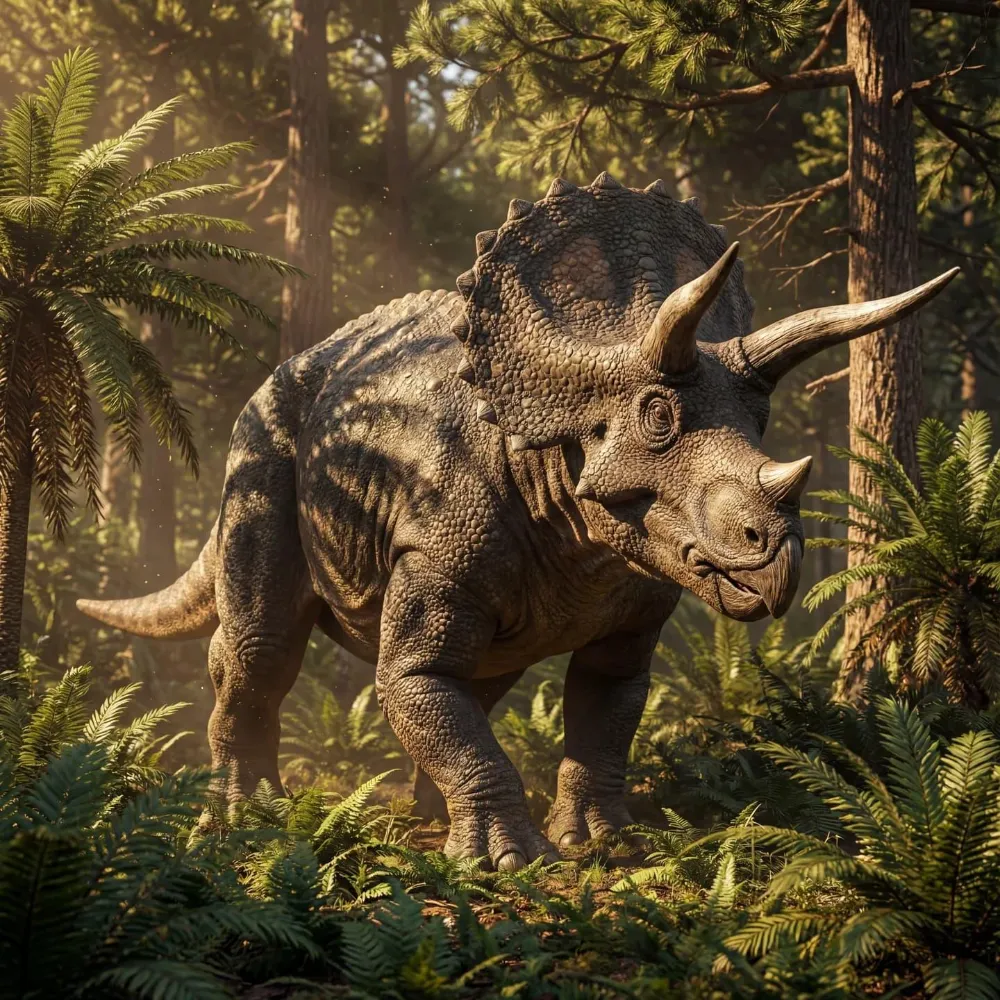
Tuojiangosaurus was a plated herbivorous dinosaur from Jurassic China. It belonged to the stegosaur group, known for body armor made of upright plates and a spiked tail. Although it is sometimes compared with the more famous Stegosaurus from North America, Tuojiangosaurus had its own distinct look, including a somewhat lower-slung body and a characteristic arrangement of plates and tail spikes. It is one of the best-known stegosaurs from Asia and an important dinosaur for understanding how this group spread across the ancient world.
Time Period
Tuojiangosaurus lived during the Late Jurassic. For backend use, Jurassic is the best simple period value. It lived at a time when stegosaurs, sauropods, and large theropod predators were all part of complex dinosaur ecosystems in what is now China. The fossil-bearing rocks of Sichuan have produced many classic Jurassic dinosaurs, and Tuojiangosaurus is one of the best recognized among them.
Habitat
Tuojiangosaurus lived in what is now southwestern China, especially in the Sichuan Basin. Its habitat likely included broad floodplains, river systems, vegetated lowlands, and seasonal forests. These environments supported abundant plant life, which would have been ideal for large herbivores. Tuojiangosaurus shared this world with sauropods, theropods, and other Jurassic reptiles, forming part of a rich and varied ecosystem.
Size and Appearance
Tuojiangosaurus was a medium-sized stegosaur, usually estimated at about 6.5 to 7 meters long and roughly 2 to 4 tonnes in weight, though exact mass estimates remain approximate. It had a small head, short forelimbs, stronger hind limbs, a deep body, and a double row of plates running along the neck, back, and tail base. These plates were not as tall or dramatic as in some other stegosaurs, giving the animal a somewhat lower profile. At the tail tip, Tuojiangosaurus carried multiple long spikes that likely formed an effective defensive weapon.
Diet and Lifestyle
As a herbivore, Tuojiangosaurus likely fed on low-growing vegetation such as ferns, cycads, and other Jurassic plants. Its small head and simple teeth suggest that it cropped plant material rather than chewing it heavily. Like other stegosaurs, it probably moved at a steady pace and relied on its body armor and tail spikes for protection. The tail weapon could have been especially important against medium-sized and large predators living in the same habitat.
Why It Matters
Tuojiangosaurus matters because it helps show that stegosaurs were not limited to a single continent or one famous genus. It reveals that plated dinosaurs were also important members of Jurassic ecosystems in Asia. Tuojiangosaurus is especially valuable because it is one of the clearer and more complete Asian stegosaurs, making it useful for comparing body shape, plate arrangement, and defensive anatomy across the wider stegosaur family.