Ocean & Beach · Illustrated guide
Transparent sea animals
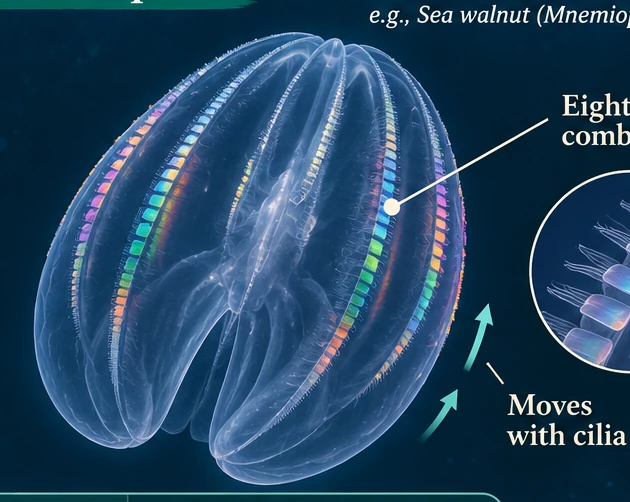
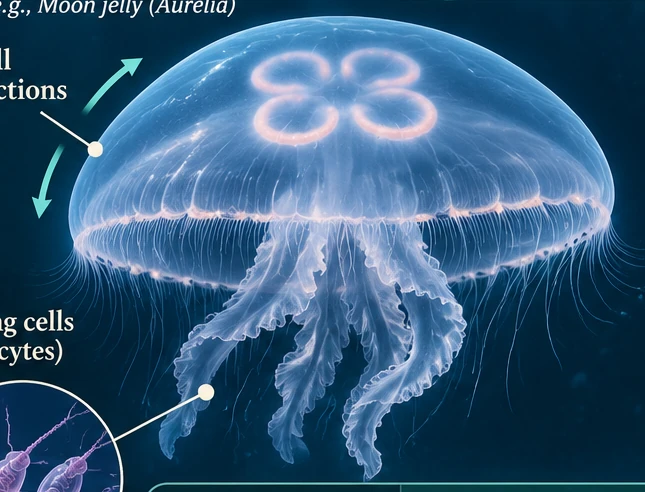
Recognize a pulsing jellyfish, a shimmering comb jelly or a barrel-shaped salp. Similar appearance does not mean the same animal group.
Browse practical photo-based guides to similar-looking animals, insects and ocean life. Use simple clues to choose the right guide and learn the differences.
Curated from articles already published on Animals Top. These guides offer recognizable features, comparisons and common identification mistakes.
Recognize a pulsing jellyfish, a shimmering comb jelly or a barrel-shaped salp. Similar appearance does not mean the same animal group.
Compare wing patterns, body colors, and other visible traits. Some animals can only be identified confidently with location and close photographs.
Use multiple clues rather than one simple rule. Common names like frog and toad do not always reflect a strict biological boundary.
Choose where you saw the animal, then pick a visible clue. This guide points you to possible animal groups and relevant reading—not a confirmed species identification.
Before choosing a guide, write down what you saw. These details often matter more than color alone.
Record the country or region, habitat and whether the animal was on land, in fresh water or at sea.
Estimate size against a familiar object. Note wing shape, body outline, legs, tentacles or other obvious structures.
Look for swimming pulses, wing posture, hopping, hunting behavior or other repeatable actions. Never approach a dangerous animal for a closer view.
If your observation does not fit one guide, compare similar animal groups or browse the wider knowledge library. A responsible identification sometimes ends with “not enough evidence.”