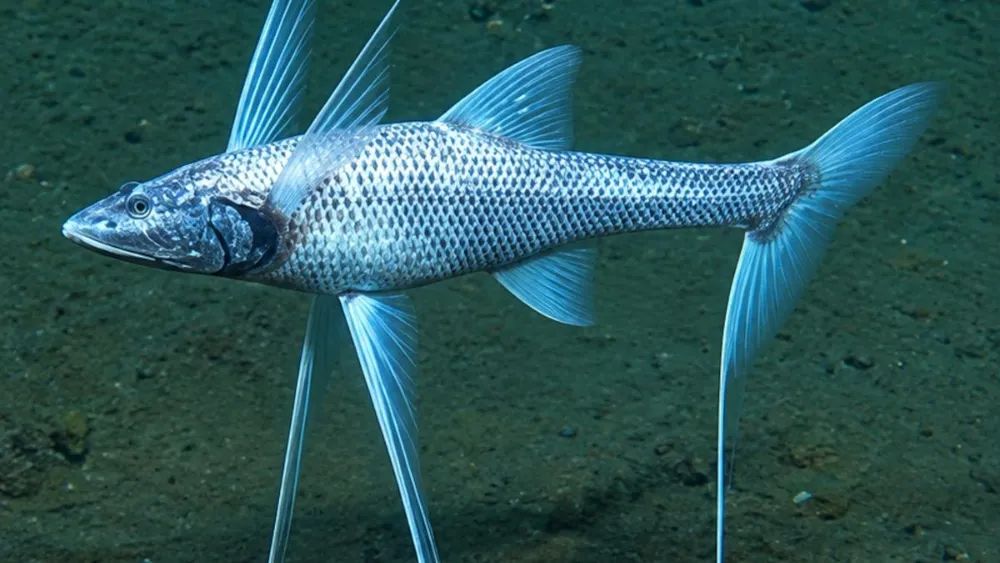
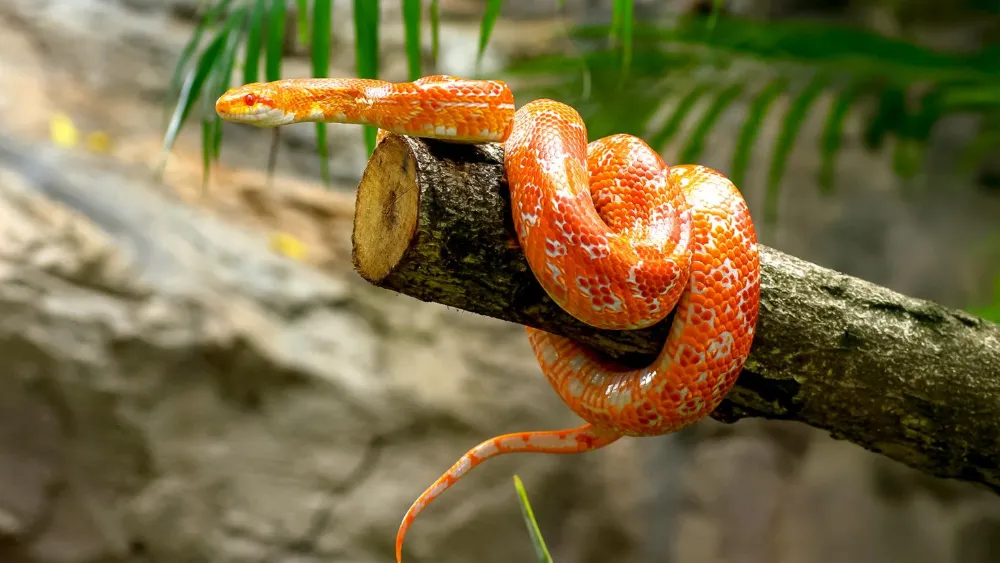
Dinosaurs are reptiles, but not all reptiles are dinosaurs. Dinosaurs belong to a particular evolutionary group called Dinosauria, characterized by distinctive features of the hips, hind limbs, and skeleton. Lizards, snakes, turtles, crocodilians, and many extinct reptiles are not dinosaurs, although they share more distant reptilian ancestry. Pterosaurs and giant marine reptiles lived alongside dinosaurs but belonged to different evolutionary branches. One dinosaur lineage still survives today: birds.
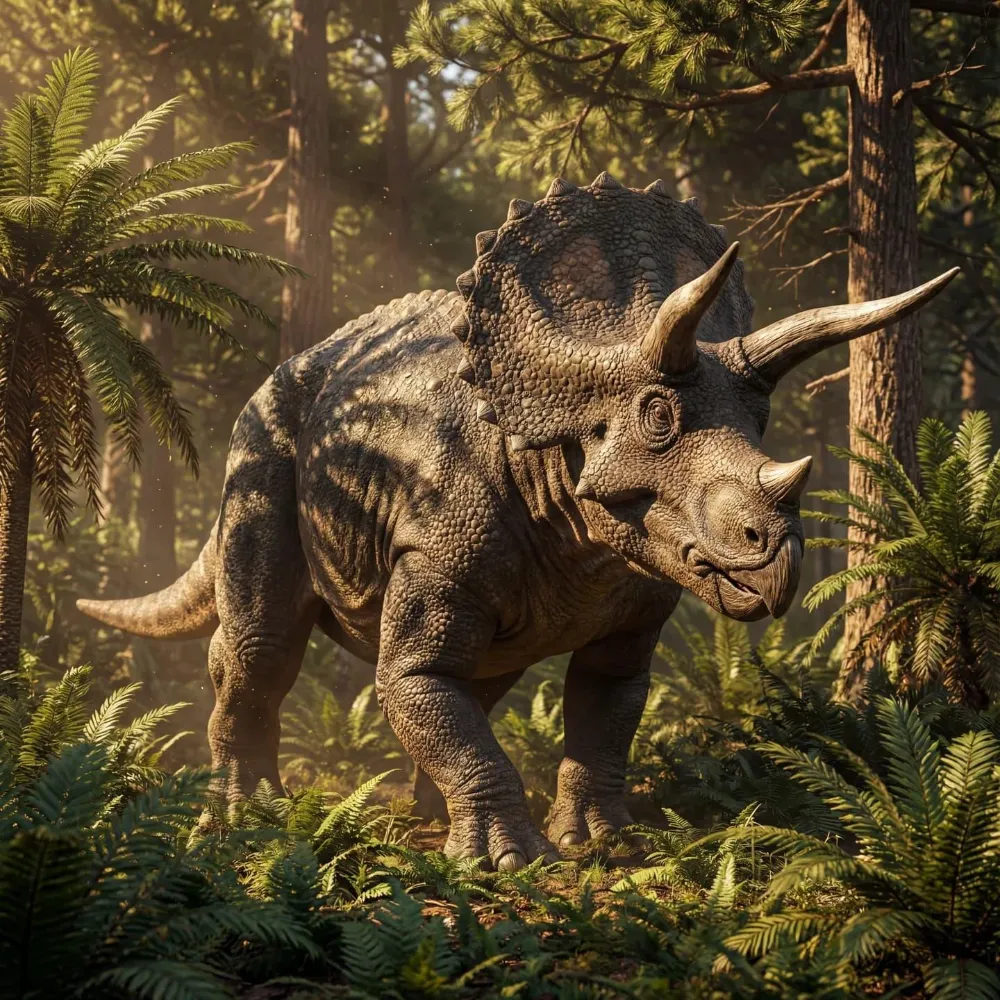
Dinosaurs belong within the broader reptile lineage, but they represent a distinct evolutionary branch.
What Is the Difference Between Dinosaurs and Reptiles?
The simplest difference is one of classification.
Reptiles are a broad evolutionary group containing several distinct lineages. Dinosaurs are a particular branch within that larger group.
In other words, the relationship between dinosaurs and reptiles is not the same as the difference between two unrelated categories.
A dinosaur is a kind of reptile, just as a sparrow is a kind of bird.
However, not every reptile is a dinosaur.
Dinosaurs can be recognized through combinations of anatomical characteristics, particularly features of their pelvic girdles and hind limbs. These characteristics reflect their shared evolutionary ancestry.
The American Museum of Natural History emphasizes the distinctive hip socket and upright hind-limb arrangement that separate dinosaurs from many other reptiles.
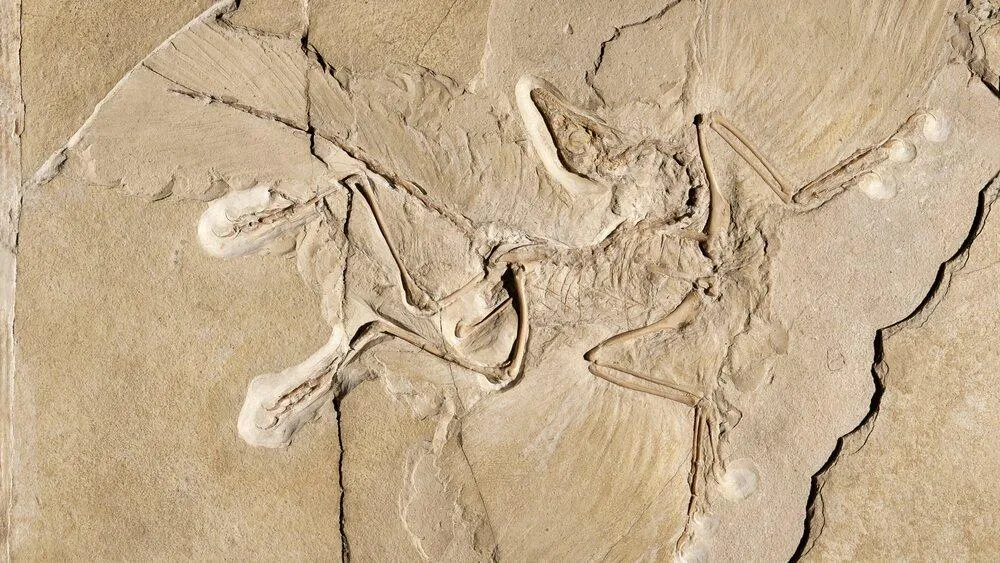
Modern classification also reveals that birds belong within Dinosauria, even though they are usually discussed separately from extinct dinosaurs in everyday conversation.
Are Dinosaurs Reptiles?
Yes. All dinosaurs belong to the reptile evolutionary lineage.
Dinosaurs originated within Archosauria, a major branch of reptiles that also includes crocodilians and the extinct pterosaurs.
The dinosaur branch itself contains several major groups, including extinct animals such as Triceratops, Stegosaurus, Apatosaurus, and Tyrannosaurus.
It also contains birds.
Traditional classifications often separate birds into the class Aves and use Reptilia mainly for snakes, lizards, turtles, and crocodilians.
Modern evolutionary classification recognizes that birds arose within the reptilian tree and cannot be excluded without making the broader group incomplete.
This distinction between traditional categories and evolutionary ancestry is important when explaining why birds are living dinosaurs.
What Makes an Animal a Dinosaur?
Scientists do not classify an animal as a dinosaur simply because it is large, ancient, scaly, or frightening.
They look for evidence that it belongs to Dinosauria.
That evidence includes a combination of skeletal features and evolutionary relationships.
Some especially useful anatomical characteristics involve:
The structure of the hip socket
The connection between the pelvis and backbone
The arrangement of the hind limbs beneath the body
The shape of the femur and associated joints
Other skeletal characteristics shared through dinosaur ancestry
The Natural History Museum explains that dinosaur evolution involved important modifications to the pelvis, sacrum, hips, and legs.
These adaptations supported a more upright limb posture than the sprawling arrangement familiar from many modern lizards.
However, a single visible characteristic is not enough to classify every fossil with certainty.
Modern paleontologists examine multiple characters in the context of an evolutionary family tree.
Why Were Dinosaur Legs Different From Those of Many Reptiles?
One of the classic distinctions between dinosaurs and many other reptiles concerns limb posture.
In a typical sprawling lizard, the limbs extend outward from the sides of the body.
The body is supported between those outward-directed limbs.
Dinosaurs, by contrast, evolved hind limbs positioned more directly underneath their bodies.
This arrangement changes how the skeleton supports weight and how forces pass through the hips and legs.
Many dinosaurs walked on two legs, while others evolved four-legged locomotion.
The American Museum of Natural History uses differences in limb stance to explain dinosaur anatomy to students.
However, the comparison should not be exaggerated.
Not all non-dinosaur reptiles have identical sprawling postures. Crocodilians, for example, can adopt a relatively elevated high walk.
The underlying skeletal anatomy and evolutionary relationships remain more reliable than posture alone.
What Is Special About a Dinosaur's Hip Socket?
The hip socket, or acetabulum, is the structure where the head of the thighbone connects with the pelvis.
In many dinosaurs, the hip socket has a characteristic opening and arrangement of surrounding bones.
This is often called a perforated acetabulum.
The structure is associated with the way the hind limbs connect to the body.
In many non-dinosaur reptiles, the pelvic socket has a different arrangement.
The Natural History Museum of Utah identifies hip socket anatomy as an important difference between dinosaurs and pterosaurs.
However, evolutionary biology recognizes that some skeletal traits can become modified or reduced in later descendants.
Therefore, dinosaur classification depends on ancestry and a combination of anatomical evidence rather than treating one bone feature as an inflexible rule for every descendant.
What Is Dinosauria?
Dinosauria is the scientific name for the evolutionary group containing dinosaurs.
It includes the last common ancestor of the major dinosaur lineages and its descendants, depending on the precise phylogenetic definition used.
The name was established by the British anatomist Richard Owen in 1842.
Early dinosaur fossils were recognized as having unusual skeletal characteristics compared with other known reptiles.
Over time, additional fossil discoveries revealed that Dinosauria was far more diverse than the earliest scientists understood.
Some dinosaurs were enormous herbivores.
Others were small predators, armored plant-eaters, or feathered animals closely related to birds.
Today, the group includes thousands of living bird species.
How Are Dinosaurs Related to Other Reptiles?
Dinosaurs belong within Archosauria.
Archosaurs are part of the broader reptile evolutionary tree.
The two major surviving archosaur lineages are birds and crocodilians.
Extinct archosaurs included non-avian dinosaurs, pterosaurs, and numerous relatives of crocodilians.
Snakes and lizards belong to a different reptile branch called Squamata.
Turtles also belong within the broader reptile lineage, although their deeper evolutionary relationships have a complicated research history.
Because all these groups share distant ancestors, similarities can occur across reptiles.
However, close evolutionary relationships require more detailed evidence than general external appearance.
Dinosaurs vs. Reptiles: Comparison Table
| Feature | Dinosaurs | Other Reptiles |
|---|---|---|
| Evolutionary classification | Members of Dinosauria | Different branches of the reptile lineage |
| Hip anatomy | Characteristic dinosaurian pelvic features | Varies among groups |
| Typical ancestral hind-limb posture | Positioned beneath the body | Often sprawling, but not universally |
| Body covering | Scales, feathers, or combinations depending on lineage | Scales, scutes, or other specialized coverings |
| Living representatives | Birds | Snakes, lizards, turtles, crocodilians and others |
| Major habitats | Non-avian forms mainly terrestrial; living birds occupy diverse habitats | Terrestrial, freshwater, and marine |
| Examples | Triceratops, Stegosaurus, T. rex, chickens | Crocodiles, snakes, turtles, pterosaurs |
Because dinosaurs themselves are reptiles, the second column refers to reptiles outside Dinosauria rather than a wholly separate animal category.
Were All Prehistoric Reptiles Dinosaurs?
No. Many famous prehistoric animals were reptiles but not dinosaurs.
During the Mesozoic Era, several reptile lineages evolved remarkable adaptations for life on land, in the oceans, and in the air.
Dinosaurs represented only one part of this diversity.
Other reptiles included pterosaurs, ichthyosaurs, plesiosaurs, mosasaurs, and numerous crocodilian relatives.
Some looked dramatically different from living animals.
Others resembled modern reptiles in general body organization.
The fact that they lived during the same geological periods does not place them in the same evolutionary group.
Paleontologists classify them according to their fossil anatomy and ancestry.
Are Pterosaurs Dinosaurs?
No. Pterosaurs were flying reptiles, not dinosaurs.
Pterosaurs evolved powered flight independently of the dinosaur lineage that later produced birds.
They belong to Pterosauria, a separate archosaur branch.
Their wings were primarily supported by an extraordinarily elongated fourth finger.
A membrane extended across the wing structure.
Bird wings, by contrast, rely on feathers supported by modified forelimbs.
Pterosaurs and dinosaurs shared earlier archosaur ancestors, but neither group evolved directly from the other.
The Natural History Museum of Utah explains that their hip sockets and inner-ear structures also differ.
Therefore, calling a pterosaur a flying dinosaur is scientifically misleading.
Is a Pterodactyl a Dinosaur?
No. Animals commonly called pterodactyls belong to the pterosaur lineage.
The name is often used informally for flying prehistoric reptiles, although the genus Pterodactylus refers to a particular pterosaur.
These animals were related to dinosaurs but were not members of Dinosauria.
The distinction is especially important in educational materials because popular films and toys frequently group pterosaurs with dinosaurs.
A flying prehistoric reptile is not automatically a dinosaur.
Its skeletal anatomy and evolutionary ancestry determine its classification.
Are Marine Reptiles Dinosaurs?
Most famous extinct marine reptiles were not dinosaurs.
Animals such as plesiosaurs, ichthyosaurs, and mosasaurs evolved within other reptile branches.
Some were powerful swimmers with paddle-shaped limbs and streamlined bodies.
Others possessed elongated necks or jaws specialized for feeding in marine environments.
However, their aquatic adaptations developed independently of Dinosauria.
The Natural History Museum of Utah emphasizes that different reptile groups entered aquatic environments at different times.
Therefore, the term marine dinosaur is often incorrectly applied to animals that should be called marine reptiles.
There is an important modern qualification: penguins, ducks, and many other aquatic birds are living dinosaurs.
Is a Mosasaurus a Dinosaur?
No. Mosasaurus was a giant marine reptile, not a dinosaur.
Mosasaurs belonged to the squamate reptile lineage and are related to lizards and snakes.
They lived during the Late Cretaceous and were well adapted to aquatic life.
Their streamlined bodies and powerful tails allowed them to move through marine environments.
However, their anatomical and evolutionary characteristics differ from those of dinosaurs.
Despite popular depictions, a mosasaur should not be classified as a swimming dinosaur.
Is a Plesiosaurus a Dinosaur?
No. Plesiosaurus was a marine reptile belonging to Plesiosauria.
Plesiosaurs are known for their four flippers and, in many species, elongated necks.
They evolved separately from dinosaurs.
The Natural History Museum explains that plesiosaurs inhabited ancient oceans while dinosaurs occupied terrestrial ecosystems.
Even though the two groups coexisted, their evolutionary histories differed.
Their shared age does not make them members of the same taxonomic group.
Was an Ichthyosaur a Dinosaur?
No. Ichthyosaurs were marine reptiles that evolved streamlined bodies suited for swimming.
Some resembled dolphins in overall shape, although they were not mammals.
This resemblance reflects adaptation to moving efficiently through water, not close evolutionary ancestry.
Ichthyosaurs belonged to a separate extinct reptile lineage.
They were not dinosaurs or direct ancestors of modern dolphins.
Their fossil record provides an example of how different vertebrate groups can evolve similar body forms in comparable environments.
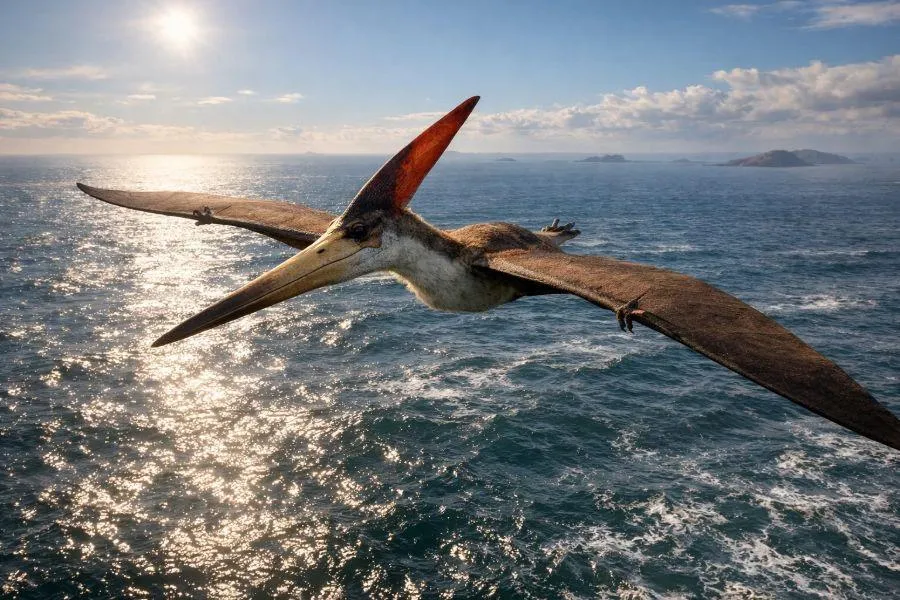
Pterosaurs were flying reptiles that evolved alongside dinosaurs, but they belonged to a separate evolutionary lineage.
Was Dimetrodon a Dinosaur?
No. Dimetrodon was neither a dinosaur nor a member of the modern reptile branch in the strict evolutionary sense.
It belonged to Synapsida, the lineage that eventually gave rise to mammals.
Dimetrodon lived during the Permian Period, long before the earliest dinosaurs appeared.
It is particularly famous for the large sail-like structure formed by elongated spines along its back.
Popular media sometimes groups Dimetrodon with dinosaurs because of its prehistoric appearance.
However, this is a major classification error.
Dimetrodon is more closely related to mammals than to dinosaurs.
Were Crocodiles Dinosaurs?
No. Crocodilians are not dinosaurs, but they are close living relatives of birds and other dinosaurs.
Both belong within Archosauria.
Living crocodilians include crocodiles, alligators, caimans, and gharials.
Their evolutionary branch diverged from the lineage leading to dinosaurs much earlier in archosaur history.
This means crocodiles and dinosaurs share an ancient common ancestor.
However, modern crocodiles did not evolve from Tyrannosaurus or other non-avian dinosaurs.
Likewise, dinosaurs did not evolve from modern crocodiles.
Are Lizards Dinosaurs?
No. Lizards belong to Squamata, a reptile order that also includes snakes.
They are separate from the dinosaur lineage.
Many lizards have elongated bodies, scales, and sprawling limbs.
These features may resemble popular images of early reptiles.
However, dinosaurs are defined through more specific skeletal traits and shared ancestry.
Some extinct dinosaurs were small enough to resemble lizards superficially.
That similarity does not mean the animals belonged to the same evolutionary group.
Are Turtles Dinosaurs?
No. Turtles and tortoises are reptiles, but they are not dinosaurs.
They belong to Testudines, a lineage characterized by its distinctive shell.
The shell includes modified skeletal structures associated with the ribs and backbone.
Turtles have a long evolutionary history, and some turtle lineages coexisted with non-avian dinosaurs.
However, the modern turtle lineage survived the end-Cretaceous extinction separately from surviving avian dinosaurs.
Turtles and dinosaurs therefore remain different reptile groups.
Were Dinosaurs Cold-Blooded Reptiles?
The traditional image of dinosaurs as universally slow, cold-blooded animals is outdated.
Modern research suggests that dinosaur metabolism varied among lineages.
Some dinosaurs likely possessed relatively high metabolic rates, while other groups may have used different physiological strategies.
Living birds have high metabolic activity and are endothermic.
However, not every non-avian dinosaur necessarily regulated body temperature exactly like a modern bird.
Body size, insulation, growth rates, behavior, and evolutionary relationships all contribute to understanding dinosaur physiology.
The label reptile therefore does not prove that every dinosaur had the same metabolism as a modern lizard.
Did All Dinosaurs Have Scales?
No. Some dinosaurs had scales, while others had feathers or feather-like structures.
Fossil evidence confirms feathers in several theropod lineages.
Modern birds retain feathers as one of their defining characteristics.
Other dinosaurs are known from preserved skin impressions showing scales or other coverings.
However, the complete body covering of many extinct species remains unknown.
Scientists must distinguish preserved fossil evidence from artistic reconstructions.
The word reptile should not be interpreted as meaning that every member of the reptile lineage must look like a modern scaled lizard.
When Did Dinosaurs First Appear?
Dinosaurs appeared during the Triassic Period, more than 230 million years ago.
Some of the earliest widely accepted dinosaur fossils come from rocks approximately 230 million years old.
However, scientists continue to investigate older fossils and the relationships of dinosaur-like animals close to the origin of Dinosauria.
The Natural History Museum explains that the earliest confidently identified dinosaurs were already anatomically distinct, suggesting their evolutionary history may extend further back.
Early dinosaurs were generally smaller and less ecologically dominant than many later Jurassic and Cretaceous forms.
They diversified over time into a wide range of sizes, diets, and habitats.
Did Reptiles Exist Before Dinosaurs?
Yes. The broader reptile lineage evolved long before dinosaurs.
Early reptilian and reptile-related amniotes appeared hundreds of millions of years ago, during the late Paleozoic.
Over time, the reptile evolutionary tree diversified into many branches.
Archosaurs emerged within this broader history.
Dinosaurs then originated as one specialized archosaur lineage during the Triassic.
Therefore, dinosaurs were not the first reptiles.
They were descendants of an already ancient evolutionary group.
Why Did Dinosaurs Become So Diverse?
Dinosaurs diversified into many ecological roles over millions of years.
Some evolved enormous body size and specialized plant-eating anatomy.
Others became fast-moving predators or smaller animals with varied diets.
Changes in climate, geography, vegetation, and ecological competition influenced dinosaur evolution.
However, no single explanation accounts for the success of every dinosaur group.
The fossil record shows changes in diversity through the Triassic, Jurassic, and Cretaceous periods.
Scientific research continues to investigate why certain dinosaur lineages expanded at different times.
Did Dinosaurs Live in the Ocean?
Non-avian dinosaurs were primarily terrestrial animals.
Some likely spent time in or around freshwater environments, and certain groups may have had specialized aquatic behaviors.
The ecology of Spinosaurus, for example, remains an active research topic.
However, the best-known fully marine reptiles of the Mesozoic were not dinosaurs.
Animals such as ichthyosaurs, plesiosaurs, and mosasaurs evolved independently within other reptile lineages.
Today, several living dinosaurs are strongly adapted to aquatic life.
Penguins are especially notable because their wings function as flippers for underwater propulsion.
Thus, saying that no dinosaur has ever been aquatic is incorrect when living birds are included.
Can Dinosaurs Fly?
Some dinosaurs can fly because birds are dinosaurs.
The ancestors of birds evolved flight-related adaptations within a feathered theropod lineage.
Many modern birds are capable of powered flight.
However, some living birds, including ostriches and penguins, cannot fly.
Most non-avian dinosaurs are not known to have been capable of powered flight.
The evolution of bird flight involved numerous changes to feathers, wings, musculature, and skeletal anatomy.
This differs from the wing structure of pterosaurs, which were flying reptiles outside Dinosauria.
Did All Dinosaurs Go Extinct?
No. Non-avian dinosaurs became extinct at the end of the Cretaceous Period, approximately 66 million years ago.
But avian dinosaurs survived.
The surviving bird lineages later diversified into the thousands of bird species alive today.
This means dinosaurs are not entirely extinct.
Every living bird is part of Dinosauria.
The end-Cretaceous extinction eliminated an enormous range of animal and plant lineages, including non-avian dinosaurs, pterosaurs, and many marine reptiles.
The survival of birds is one of the most important facts in modern dinosaur classification.
Are Birds Dinosaurs and Reptiles?
Yes. Birds belong to the dinosaur lineage and therefore to the broader reptile evolutionary tree.
Birds evolved from theropod dinosaurs.
They share numerous anatomical traits with extinct members of that group.
However, modern birds have also evolved many specialized features of their own.
These include highly modified forelimbs, complex feathers, and distinctive respiratory adaptations.
The fact that birds look different from most popular dinosaur reconstructions does not change their ancestry.
For a detailed explanation of the fossil and anatomical evidence, see the related article about why scientists classify birds as living dinosaurs.
Which Dinosaurs Are Still Alive Today?
All living birds are dinosaurs.
Examples include:
Chickens
Penguins
Eagles
Owls
Parrots
Ducks
Ostriches
Hummingbirds
These animals belong to different branches of modern birds, but all inherit dinosaur ancestry.
They are not unchanged survivors of the Cretaceous.
Modern birds have continued evolving over tens of millions of years.
How Do Scientists Identify a Dinosaur Fossil?
Paleontologists study the anatomy of fossil bones and compare them with known extinct and living organisms.
They examine features of the skull, pelvis, limbs, vertebrae, and other skeletal regions.
Particular combinations of characteristics help identify evolutionary relationships.
However, fossil specimens are often incomplete.
Some fossils may preserve only fragments of the skeleton.
Researchers use phylogenetic analysis to evaluate which evolutionary placement best explains the available features.
New discoveries can change how a fossil species is classified.
That is why scientific identification relies on evidence rather than outward resemblance alone.
Can a Prehistoric Animal Look Like a Dinosaur but Not Be One?
Yes. Many prehistoric reptiles and other extinct vertebrates have body shapes that resemble familiar dinosaurs.
Some possessed long tails, sharp teeth, large bodies, or powerful limbs.
Others had sails, horns, or unusual head structures.
However, these features can evolve in different lineages.
The sail-backed Dimetrodon is a classic example of a prehistoric animal often mistaken for a dinosaur.
Similarly, pterosaurs and marine reptiles are regularly misidentified in popular illustrations.
Appearance alone is therefore an unreliable method of classification.
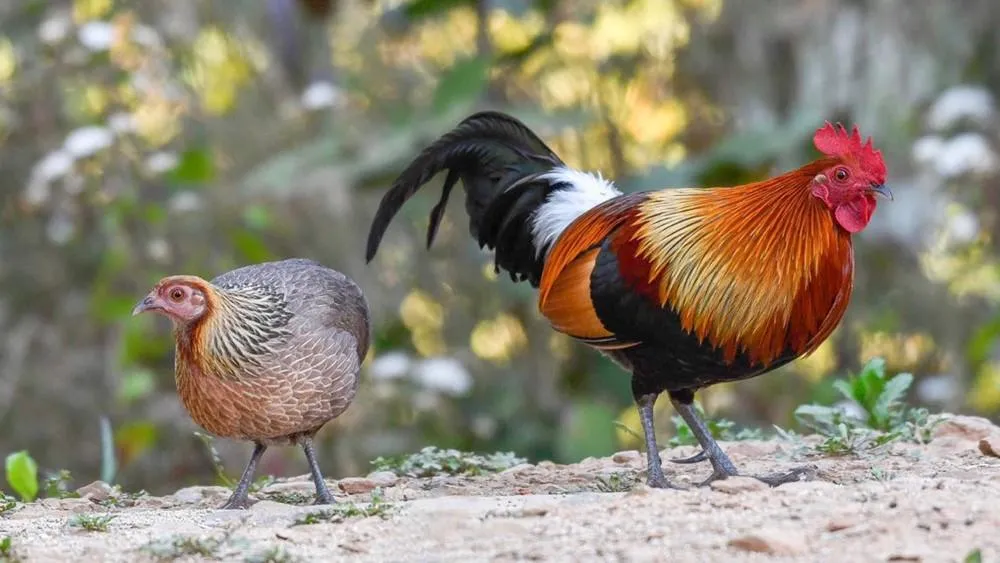
Birds and crocodilians are the two surviving major archosaur lineages, but only birds belong to Dinosauria.
Frequently Asked Questions
What is the difference between dinosaurs and reptiles?
Dinosaurs are a particular evolutionary group within the broader reptile lineage. They are distinguished by shared ancestry and characteristic skeletal features.
Are dinosaurs reptiles?
Yes. Dinosaurs evolved within Archosauria, a major branch of reptiles.
Are all reptiles dinosaurs?
No. Snakes, lizards, turtles, crocodilians, and many extinct reptiles belong to lineages outside Dinosauria.
What makes a dinosaur a dinosaur?
Shared evolutionary ancestry and characteristic skeletal features, especially involving the hips, pelvis, and hind limbs, help define dinosaurs.
Are pterodactyls dinosaurs?
No. They were pterosaurs, a separate group of flying reptiles related to dinosaurs.
Are mosasaurs dinosaurs?
No. Mosasaurs were marine reptiles within the squamate lineage, not dinosaurs.
Are plesiosaurs dinosaurs?
No. Plesiosaurs were extinct marine reptiles that evolved separately from dinosaurs.
Are crocodiles dinosaurs?
No. Crocodilians are close relatives within Archosauria but are not members of Dinosauria.
Is Dimetrodon a dinosaur?
No. Dimetrodon was a Permian synapsid more closely related to mammals than to dinosaurs.
Are birds reptiles?
Yes. Under evolutionary classification, birds belong within the reptile lineage as living dinosaurs.
Are penguins dinosaurs?
Yes. Penguins are birds and therefore members of Dinosauria.
Did all dinosaurs have feathers?
No. Feathers are well documented in certain dinosaur lineages, especially theropods, but not in every dinosaur group.
Did reptiles exist before dinosaurs?
Yes. The broader reptile evolutionary lineage originated long before the first dinosaurs appeared during the Triassic Period.
Did dinosaurs live in the ocean?
Non-avian dinosaurs were mainly terrestrial, although some used aquatic habitats. Many famous Mesozoic marine reptiles were not dinosaurs, while some living birds are aquatic dinosaurs.
Are dinosaurs completely extinct?
No. Non-avian dinosaurs are extinct, but birds are living dinosaurs.
The Bottom Line
Dinosaurs are reptiles, but the words do not describe identical groups.
Dinosaurs belong to Dinosauria, a distinct branch within the broader reptile evolutionary tree.
Their shared ancestry and skeletal characteristics help distinguish them from other reptiles, including pterosaurs, marine reptiles, lizards, turtles, and crocodilians.
Many famous prehistoric animals were reptiles but were not dinosaurs.
Modern birds are the important exception to the idea that dinosaurs exist only in the fossil record: they are the surviving dinosaur lineage.
Understanding this evolutionary relationship makes prehistoric animal classification clearer and helps explain why dinosaurs remain part of Earth's living biodiversity.
Sources & Further Reading
Natural History Museum — What Are Dinosaurs?. Explains how dinosaur anatomy and evolutionary ancestry distinguish the group from other prehistoric reptiles.
American Museum of Natural History — What Makes a Dinosaur a Dinosaur?. Educational explanation of dinosaur pelvic anatomy and upright limb posture.
Natural History Museum — Where Did Dinosaurs Come From?. Describes dinosaur origins, early evolution, and characteristic anatomical features.
Natural History Museum of Utah — Why Aren't Pterosaurs Dinosaurs?. Explains the evolutionary and skeletal distinctions between dinosaurs and flying reptiles.
Natural History Museum of Utah — Dinosaur Surf or Turf: Unpacking Mesozoic Misconceptions. Explains why ancient marine reptiles were not dinosaurs.
Natural History Museum — Pterosaurs: The Truth About These 'Flying Dinosaurs'. Details the separate evolution of pterosaur and bird flight.
Natural History Museum — How Dinosaurs Evolved into Birds. Reviews the origin of modern birds within the theropod dinosaur lineage.