ANIMAL FACTS
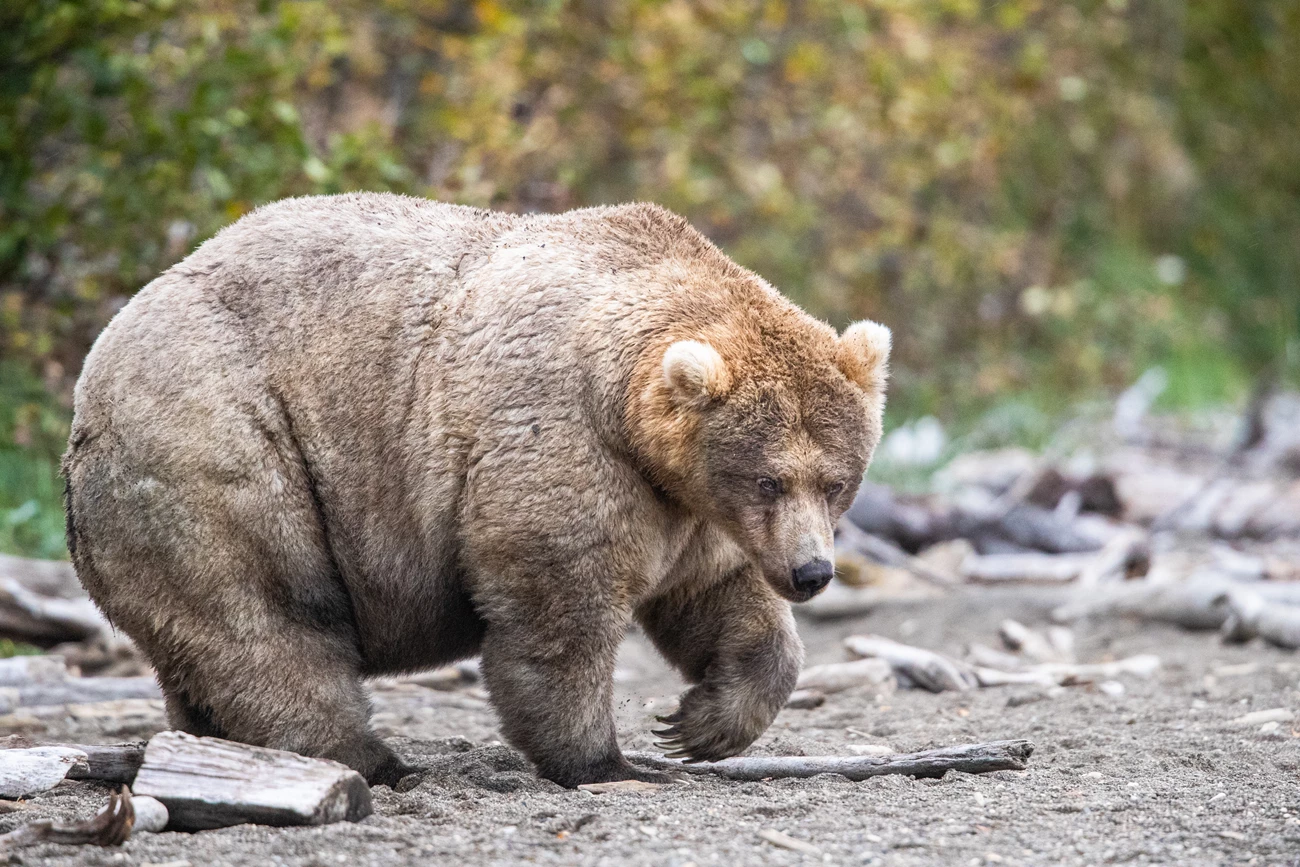
Why Do Bears Get So Fat Before Winter?
Discover why bears gain so much weight before winter, what hyperphagia means, how they store fat, and what happens during hibernation.
Read the story →From remarkable senses to unexpected survival strategies, explore what animals do, how their bodies work and why the science matters.
Follow a question into the right kind of science. Each section opens an existing collection of guides.
Explore the latest articles on surprising biology, behavior and how the natural world works.
Discover why bears gain so much weight before winter, what hyperphagia means, how they store fat, and what happens during hibernation.
Read the story →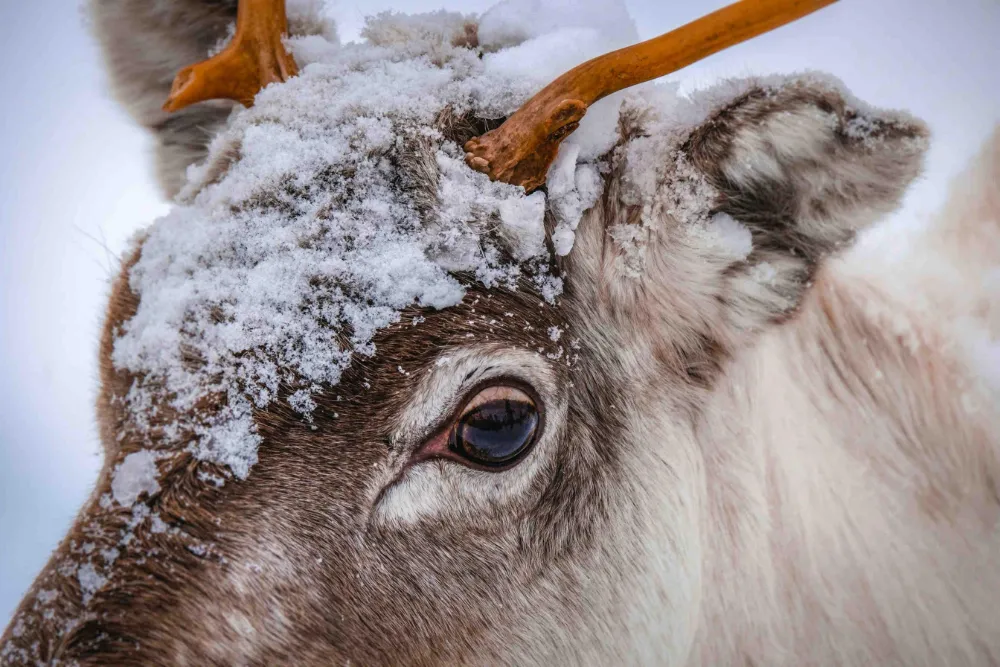
Reindeer eyes change color because a reflective layer behind the retina, called the tapetum lucidum, changes with the seasons. In Arctic summer, this layer reflects mostly golden light. During winter, it becomes deep blue, helping···
Read the story →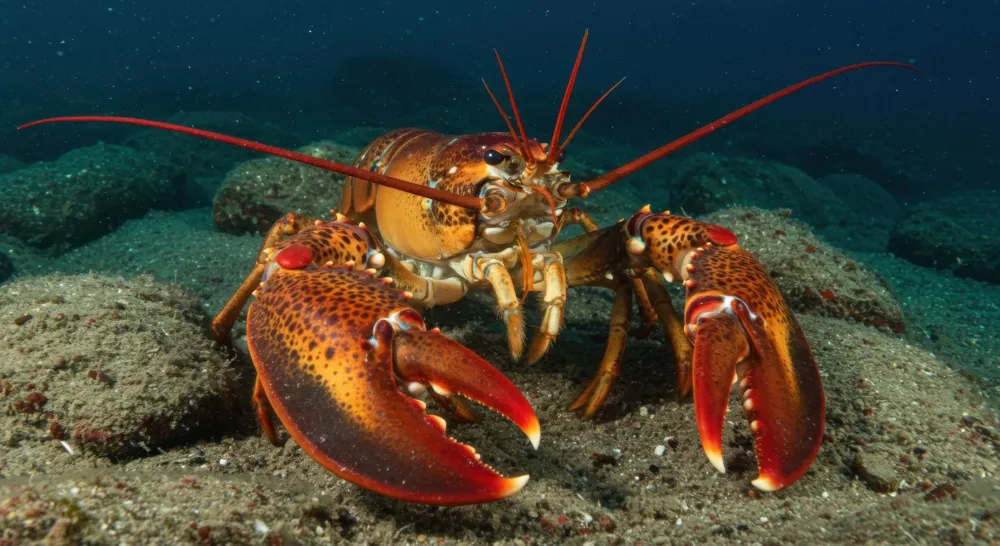
Yes, lobsters can regrow lost claws. After a claw is detached, the animal seals the wound and begins developing replacement tissues. The new claw grows as a regenerating limb bud and becomes externally visible during a later molt,···
Read the story →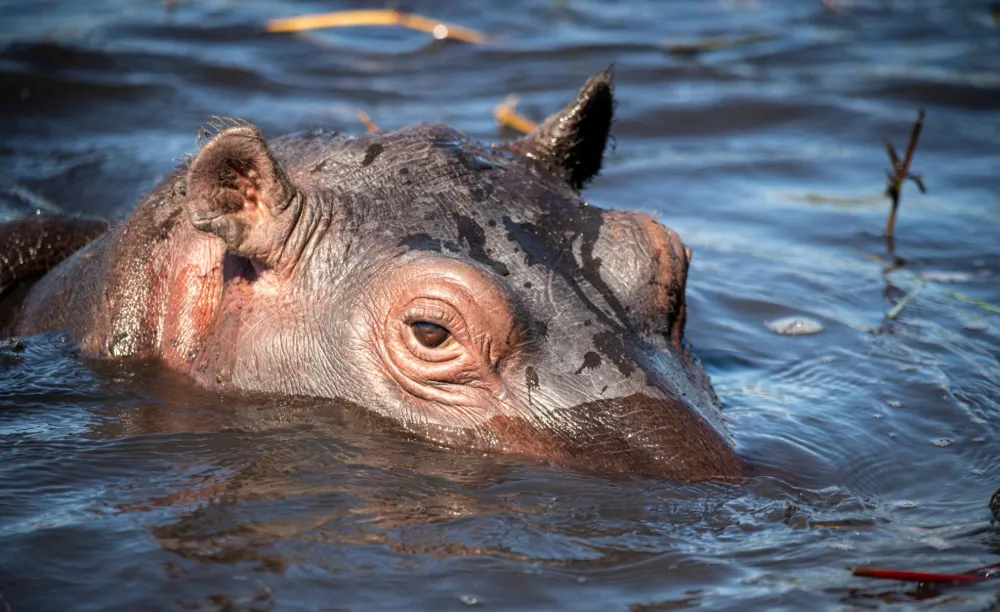
No, hippos do not literally sweat blood. Hippopotamuses produce a special skin secretion that is initially nearly colorless but turns reddish-orange and eventually brown. Its appearance comes from two natural pigments, hipposudori···
Read the story →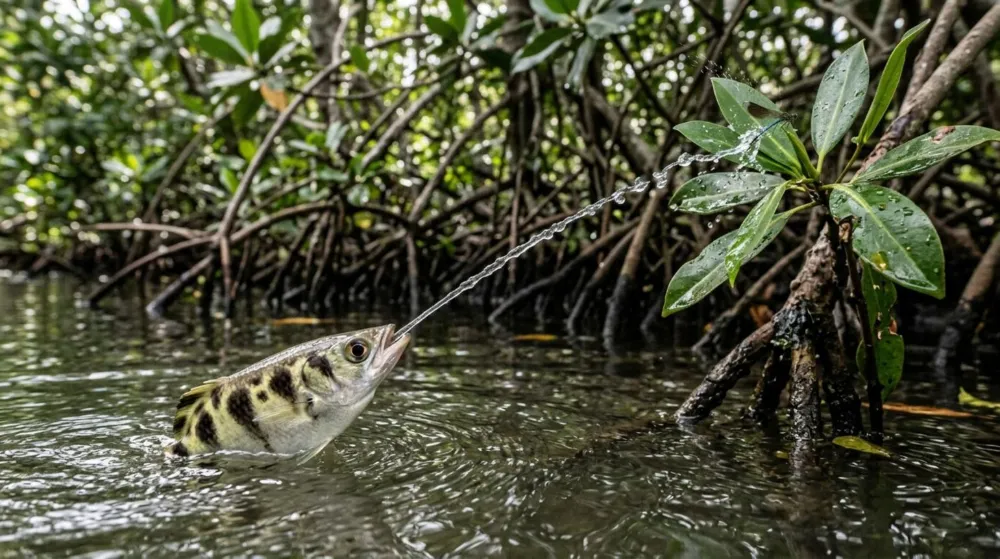
Archerfish shoot water by using a specialized groove in the roof of their mouth, their tongue, and pressure generated inside the mouth and gill chambers. Together, these structures help form a narrow water jet that can knock insec···
Read the story →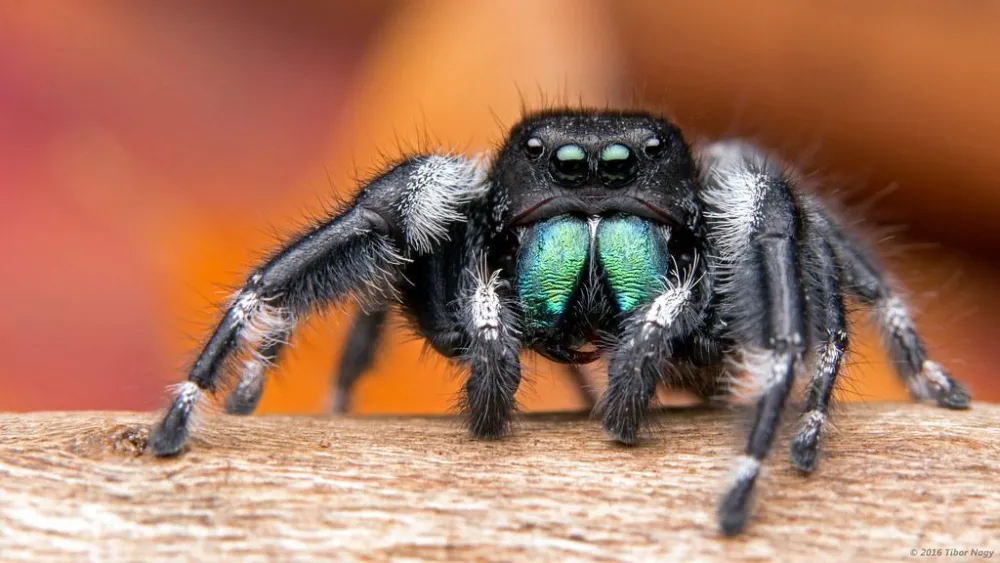
Can spiders hear without ears? Learn how jumping spiders sense distant sounds, how spider webs act as acoustic sensors, and why vibrations matter.
Read the story →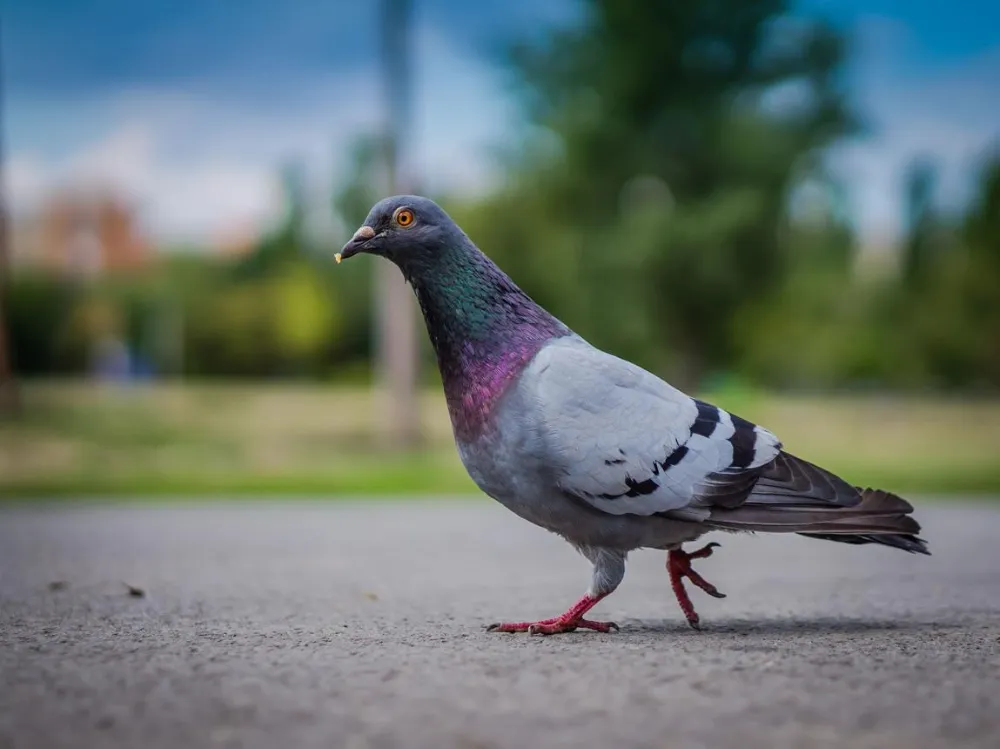
Pigeons bob their heads while walking mainly to stabilize their vision. The movement consists of two phases: a hold phase, when the head remains almost stationary relative to the surrounding environment while the body moves forwar···
Read the story →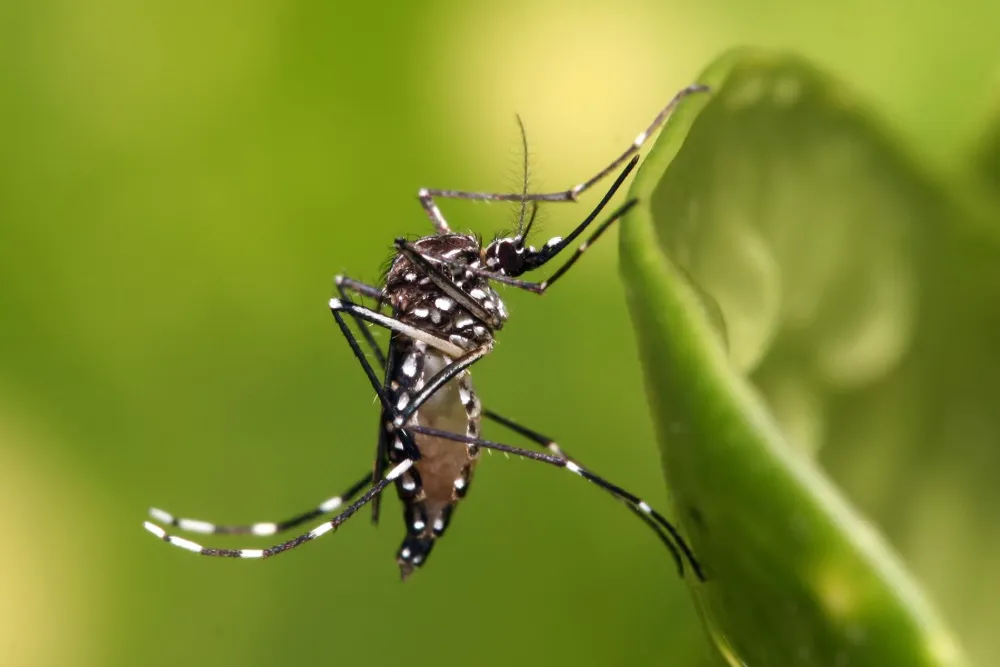
Mosquitoes bite some people more than others largely because people release different combinations of skin odors that mosquitoes can detect. Research has linked greater attraction to certain carboxylic acids found in human skin em···
Read the story →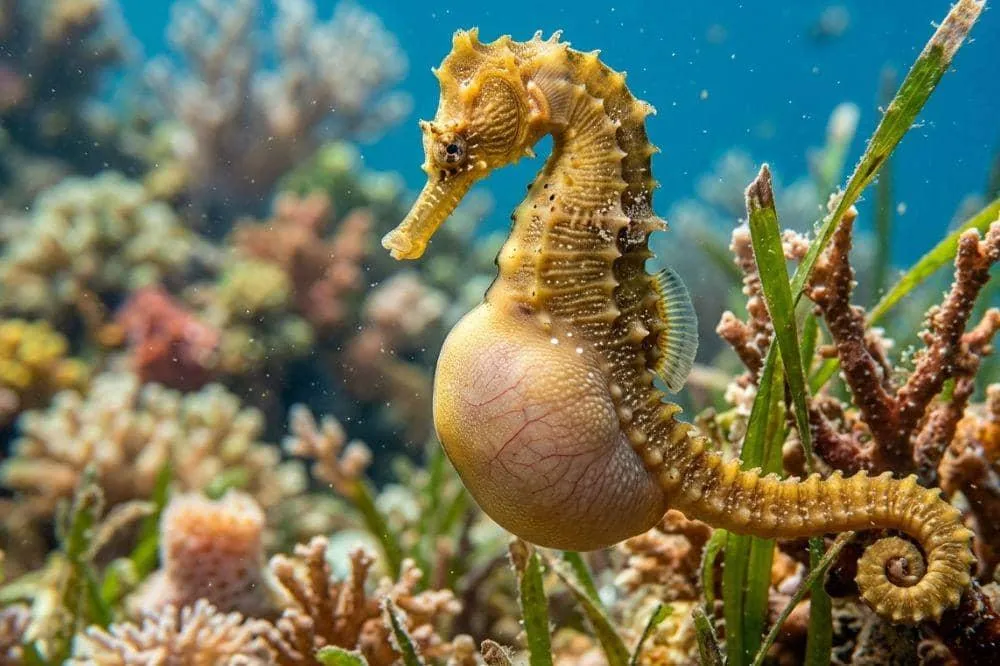
Male seahorses give birth because they have evolved a remarkable form of male pregnancy. During mating, a female transfers her eggs into the male's specialized brood pouch, where the eggs are fertilized and the embryos develop···
Read the story →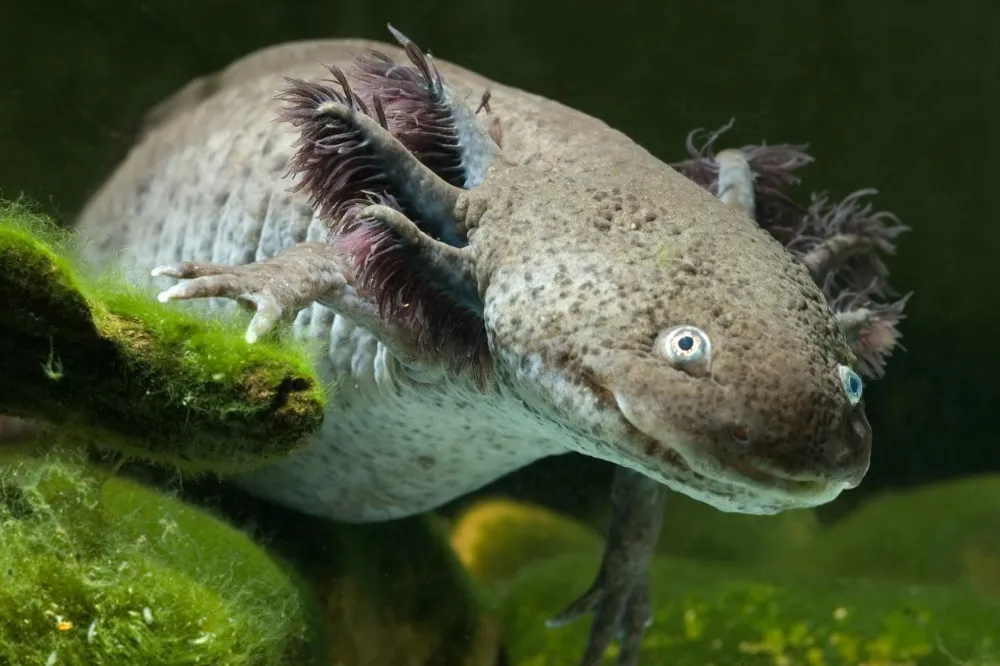
Can axolotls regrow their limbs? Learn how the blastema rebuilds bones, muscles and nerves, how long regeneration takes, and what limits it.
Read the story →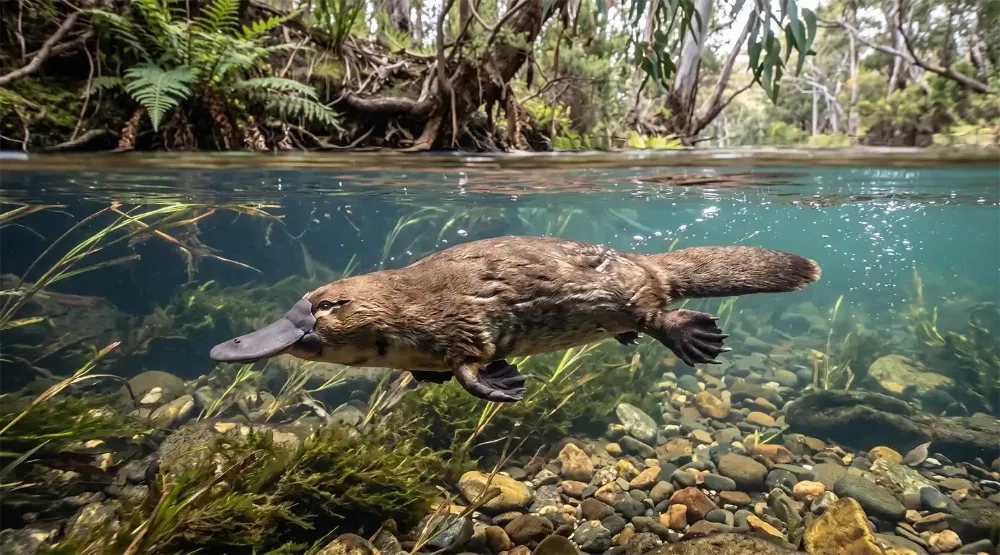
Why do platypuses lay eggs if they are mammals? Learn about monotreme evolution, leathery eggs, hatching, milk without nipples, and echidnas.
Read the story →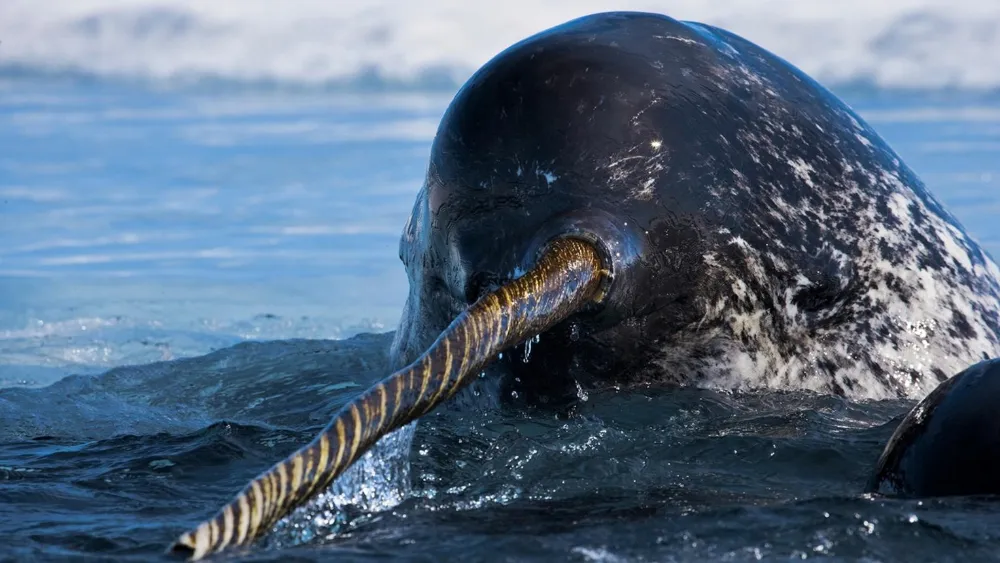
Narwhals have tusks primarily because the elongated tooth is thought to play a role in sexual selection, especially in interactions among males. The tusk is not a horn: it is a modified tooth that usually grows from the left side ···
Read the story →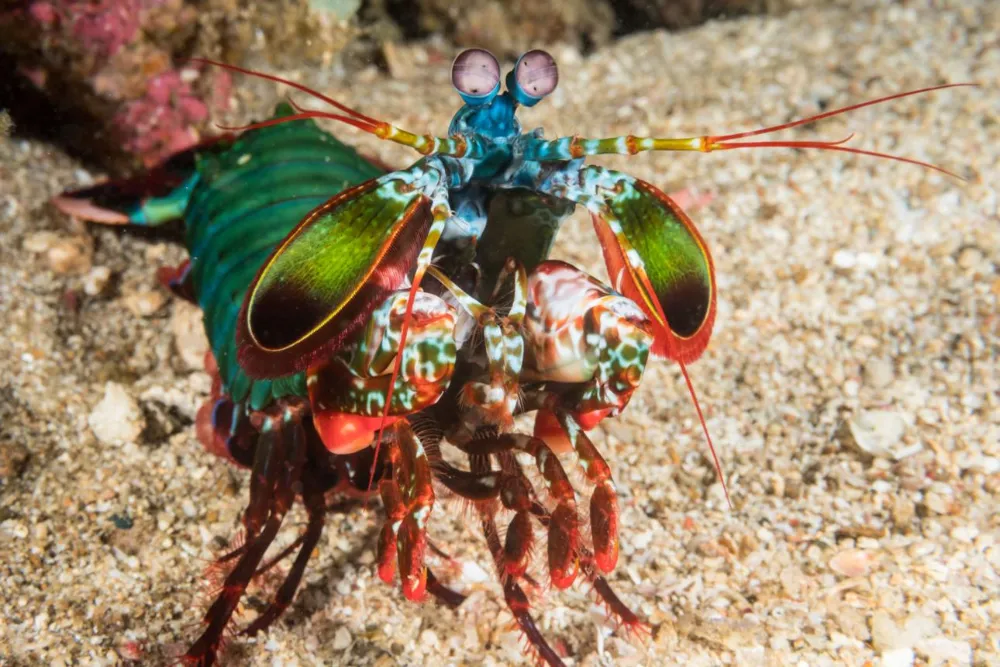
Mantis shrimp punch so hard because they use a spring-loaded striking system rather than relying on muscle contraction alone. Powerful muscles gradually store energy in elastic parts of the exoskeleton, and a latch-like mechanism ···
Read the story →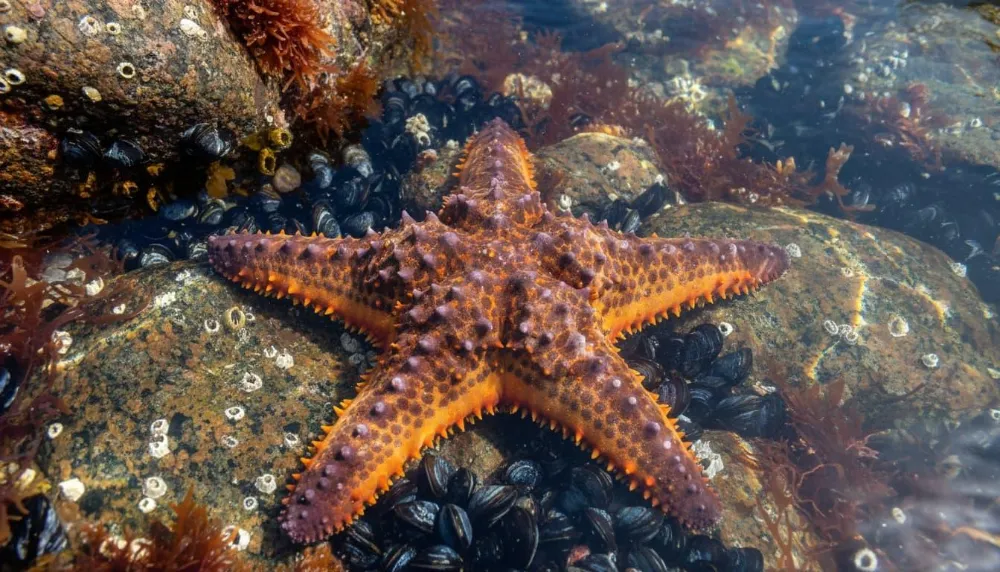
Starfish regrow lost arms through a process called regeneration. After an arm is injured or detached, the wound closes, cells near the injured area change their behavior, and new tissues gradually develop. Over time, the growing a···
Read the story →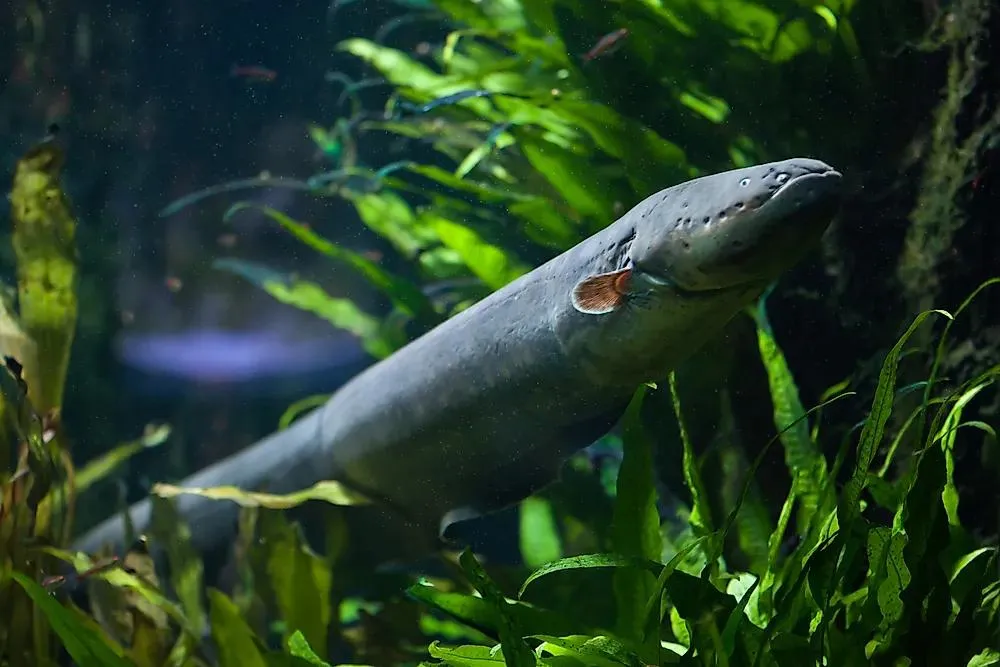
Electric eels produce electricity using specialized cells called electrocytes, which are arranged in large stacks inside their electric organs. When nerve signals activate these cells, charged ions move across their membranes, cre···
Read the story →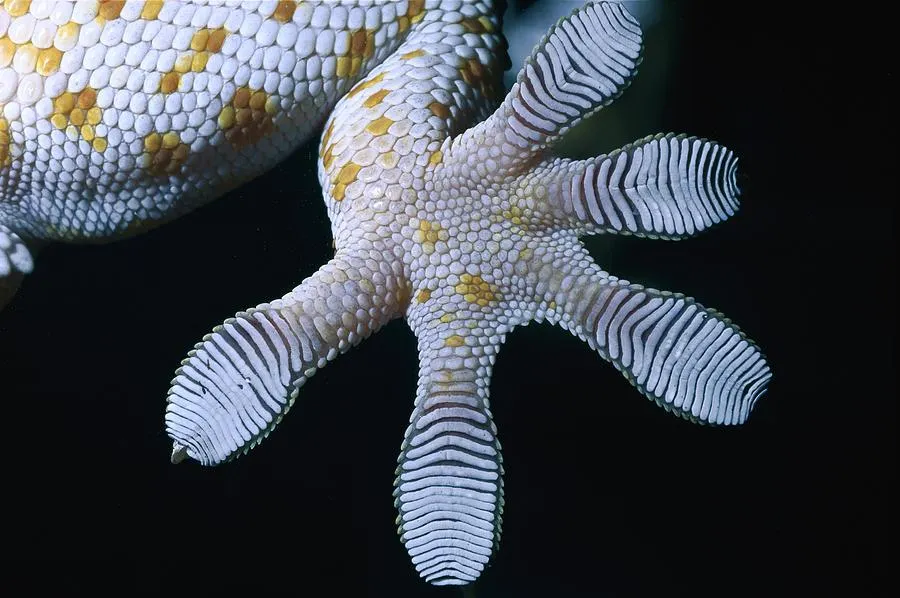
Geckos stick to walls using millions of microscopic hair-like structures called setae on specialized toe pads. Each seta branches into much smaller flattened tips called spatulae. When these tips make close contact with a surface,···
Read the story →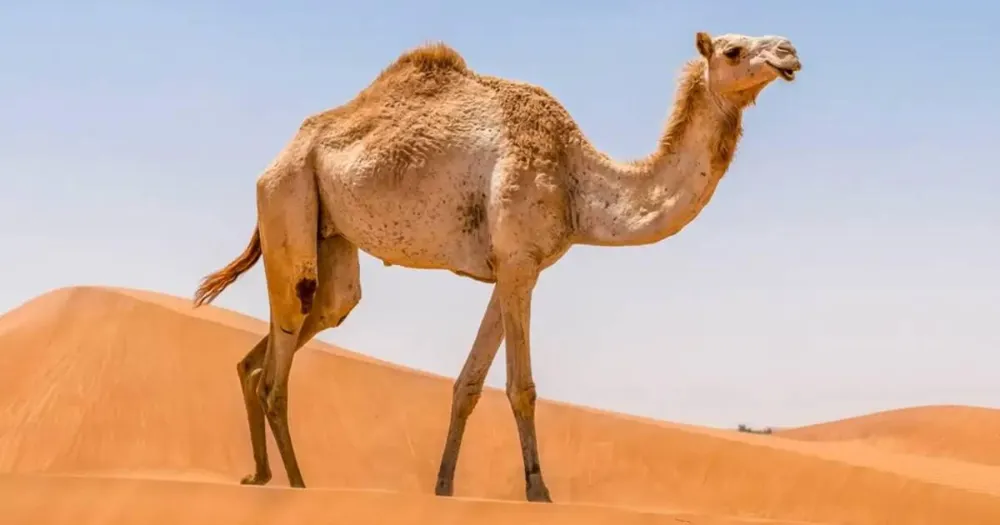
Camels have humps because the humps store fat, providing a concentrated reserve of energy when food is scarce. Contrary to a widespread myth, camel humps do not store water. When a camel uses its fat reserves, its hump may become ···
Read the story →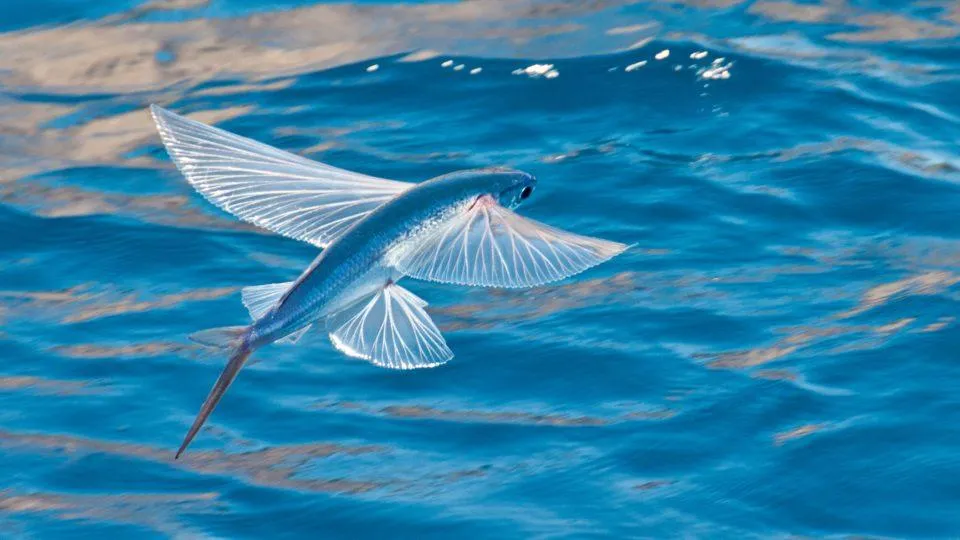
Flying fish leap out of the ocean and glide through the air, primarily as a way to escape predators such as tuna and dolphinfish. They do not fly like birds by flapping wings. Instead, they accelerate underwater, burst through the···
Read the story →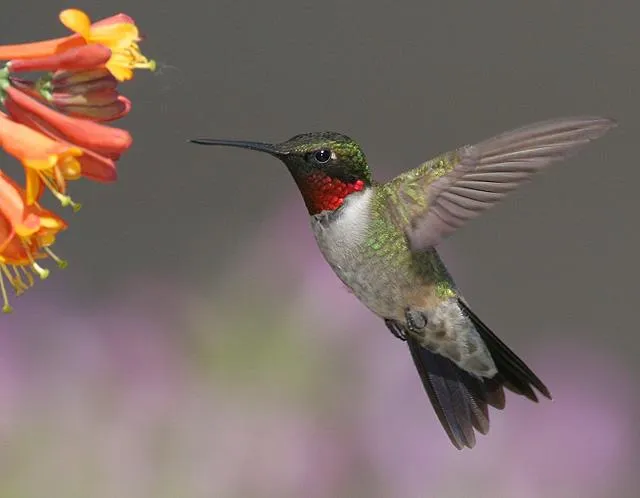
How do hummingbirds hover in place? Discover how their wings generate lift, why they beat so fast, and how they fly backward and save energy.
Read the story →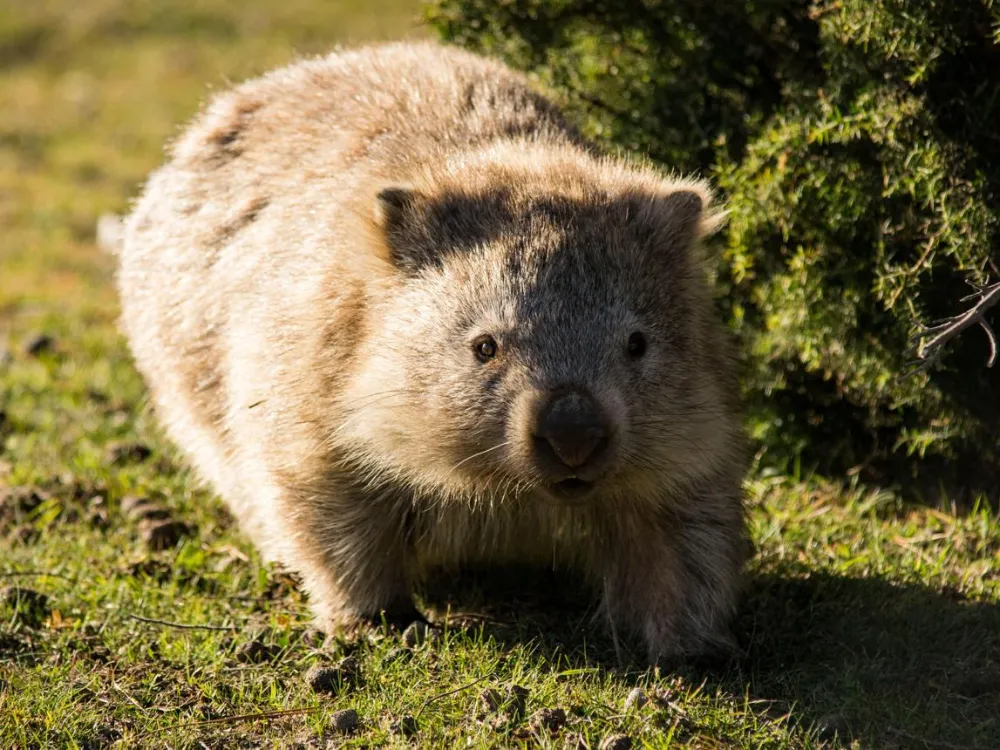
Wombats produce cube-shaped poop because their intestines have regions with different mechanical properties. As digested material moves through the final part of the intestine, it becomes drier and is shaped by repeated muscular c···
Read the story →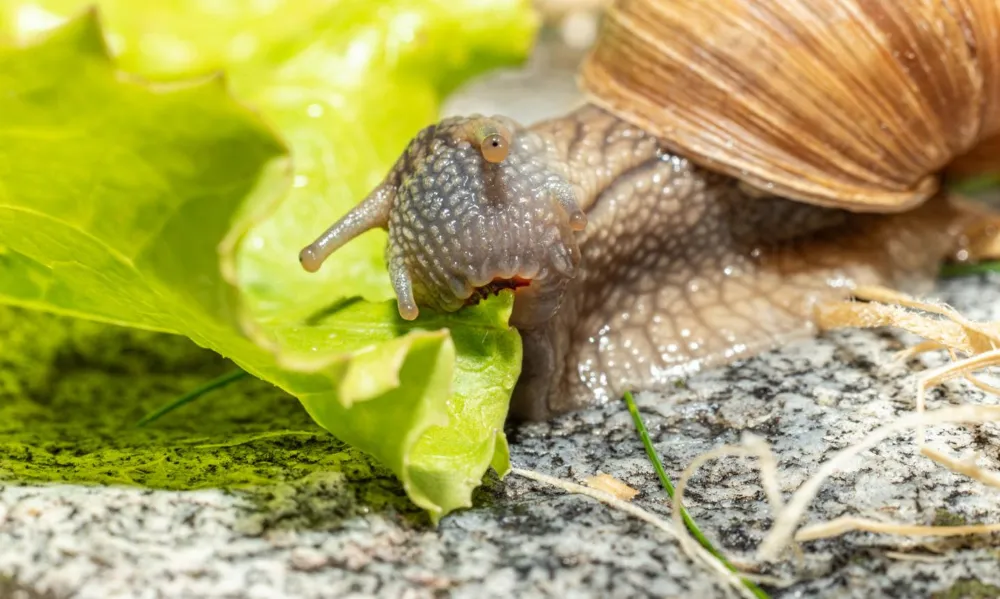
Yes, snails have teeth, but they are very different from human teeth. Most snails feed using a specialized ribbon-like structure called a radula, which is covered with rows of tiny tooth-like projections. These microscopic teeth h···
Read the story →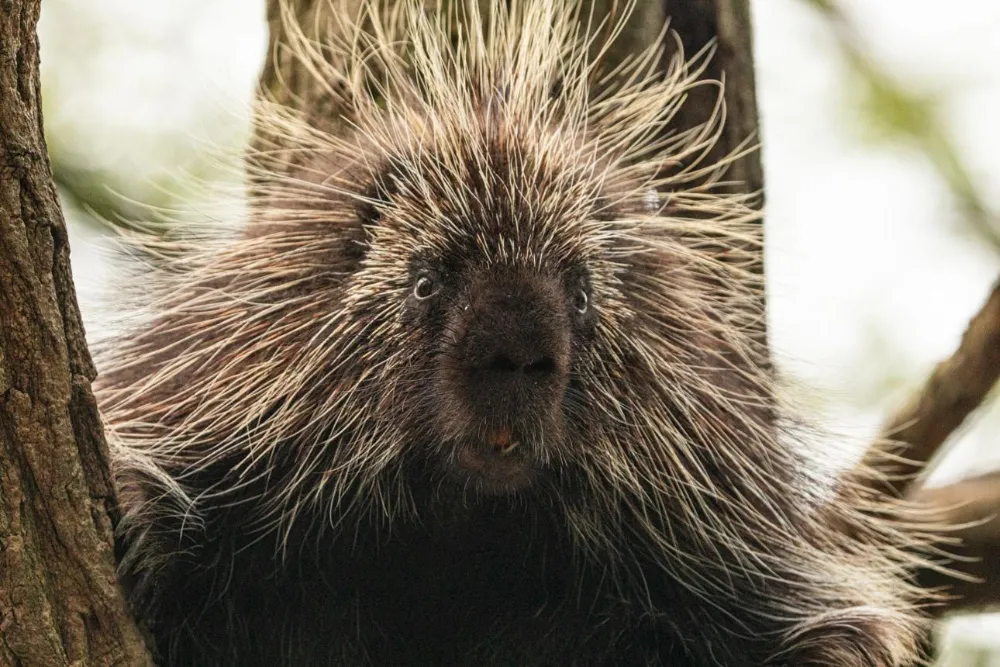
No, porcupines cannot shoot their quills. Their quills are specialized hairs that stand upright when the animal is threatened, but they cannot be fired like arrows or launched at a distant predator. Instead, quills detach when an ···
Read the story →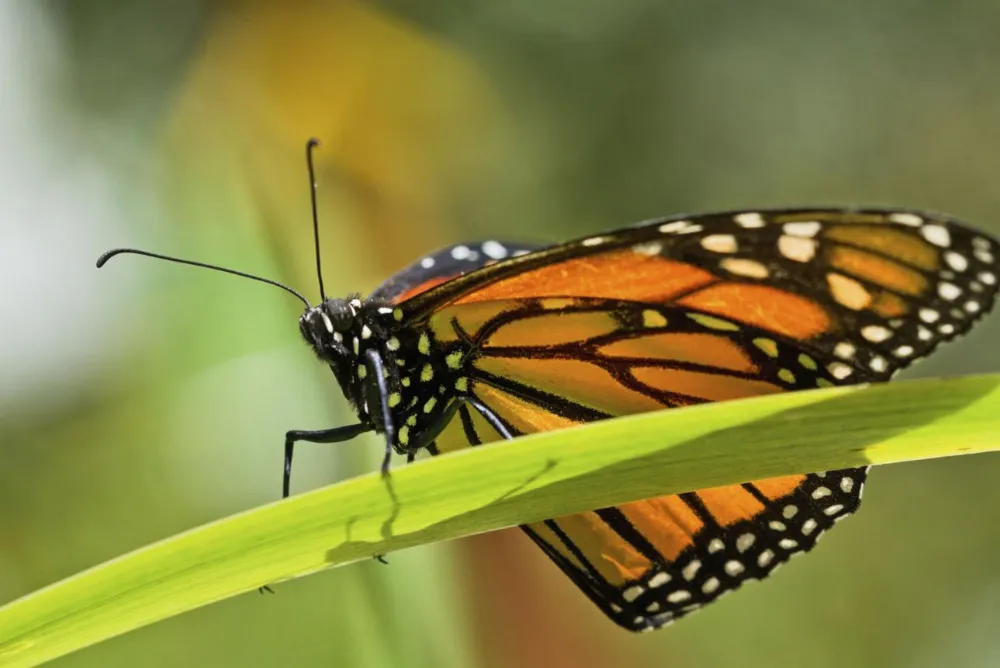
Yes, butterflies can taste with their feet. Many butterflies have specialized chemical sensors called gustatory sensilla on their legs, particularly on the lower foot segments known as tarsi. When a butterfly lands on a leaf or fl···
Read the story →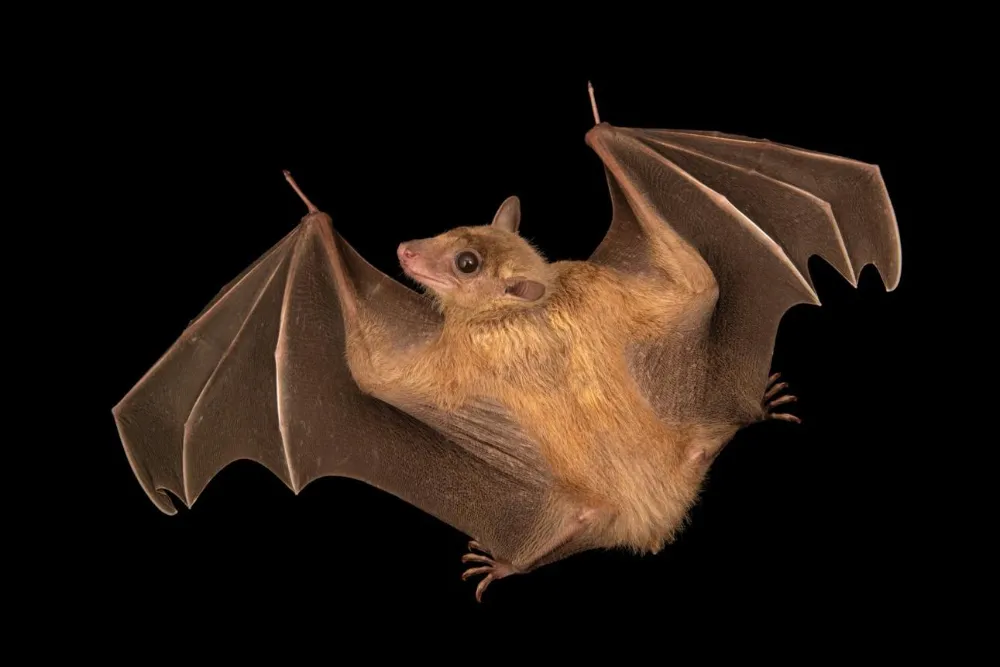
How do bats navigate in darkness? Discover how echolocation works, why bats use ultrasonic calls, how they catch insects, and whether bats can see.
Read the story →Explore side-by-side animal comparisons or find more detailed science explanations.