




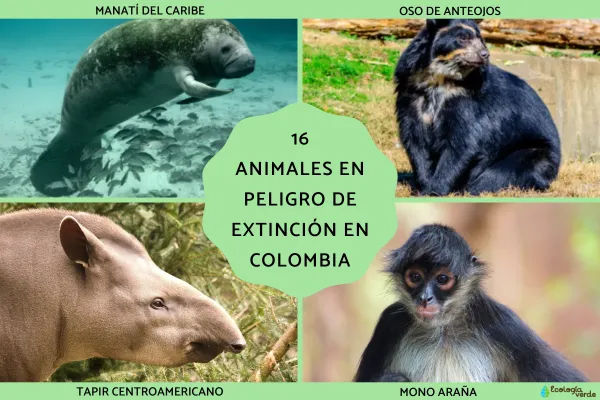
16 Endangered Animals in Colombia
Colombia is one of the most biodiverse countries on Earth, home to nearly 10% of all species worldwide. This makes it a ···
Living things can be divided into three categories: animals, plants and microorganisms. There are more than 500,000 species of living things on the earth. There are more than 180,000 animals and 20,000 kinds of plants in the ocean, totaling more than 200,000 species. There are more plant species than animal species on land, while the opposite is true in the ocean, where there are more animal species than plant species. Pokémon shows you the latest knowledge about animals.
Browse dinosaur news, paleontology articles, rankings, and beginner-friendly prehistoric reading.
Colombia is one of the most biodiverse countries on Earth, home to nearly 10% of all species worldwide. This makes it a ···
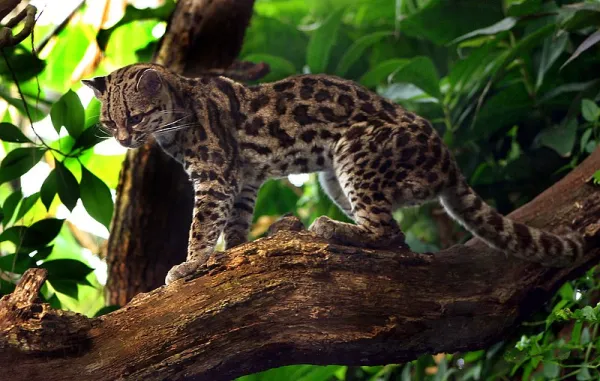
Argentina is extraordinarily biodiverse—from the Andes and Patagonia to the Pampas and Atlantic coast. Yet human activi···

Bolivia is one of the most biodiverse countries in the world. Classified as a “megadiverse nation,” it ranks seventh g···
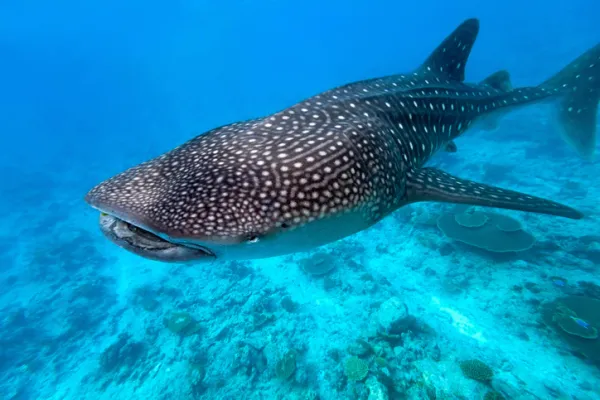
Overfishing, habitat degradation, climate change, and pollution are driving many marine and freshwater fishes toward ext···
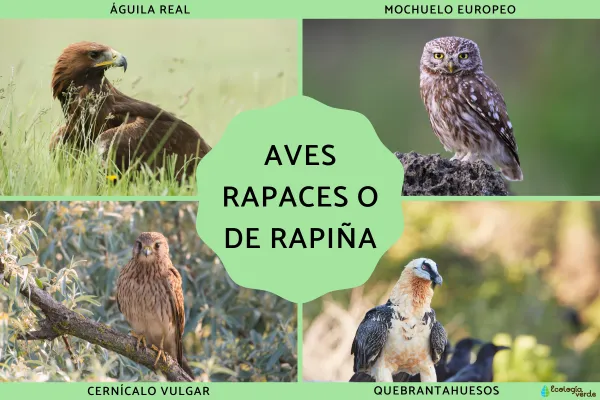
Birds of prey—also called raptors—are carnivorous birds equipped with powerful talons and a hooked beak. They include ···
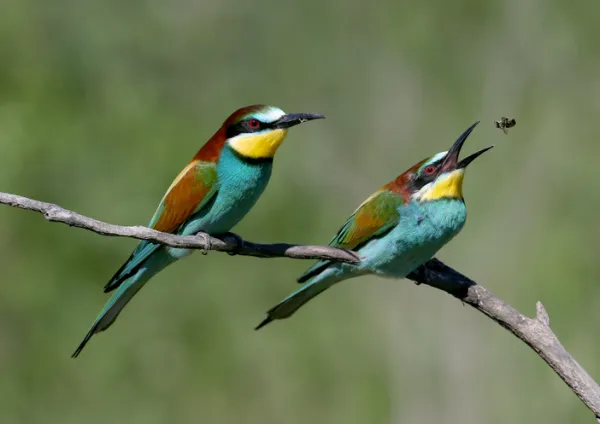
Across the animal kingdom, many mammals, birds, reptiles, amphibians, fishes, arachnids—and even some insects themselve···

From the Atacama Desert to the Andes and the Patagonian ice fields—plus a long Pacific coastline fed by the Humboldt Cu···

In many species, oversized eyes are a survival upgrade—supercharging night vision, widening fields of view, or pulling ···
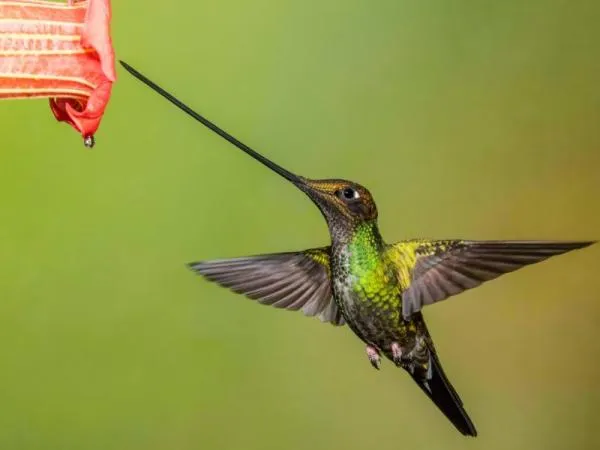
Colombia’s extraordinary variety of habitats—Andean cordilleras, Amazonian rainforest, cloud forests, Llanos savannas,···
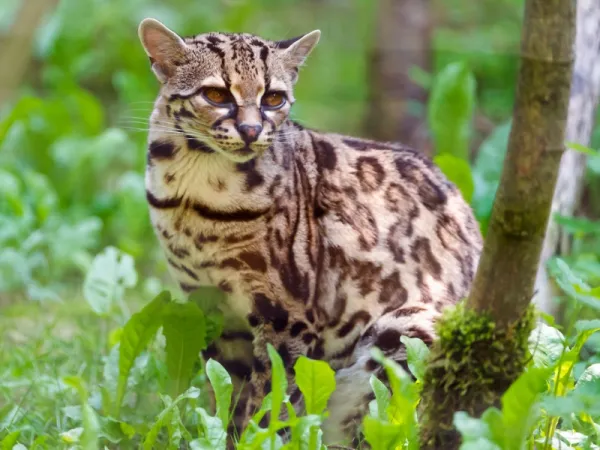
Straddling the Central American isthmus, Panama blends tropical climate, coast-to-coast shorelines, lowland rainforests,···
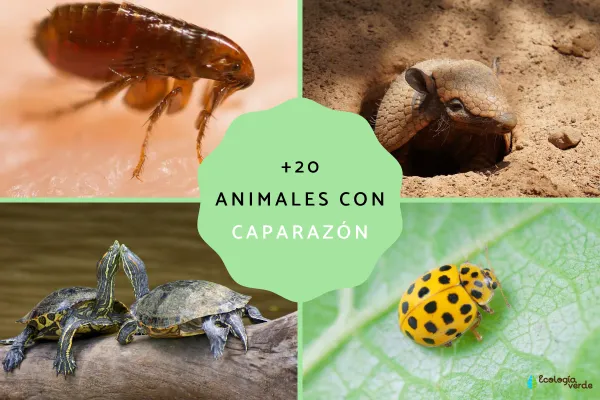
Across the animal kingdom, body plans vary wildly: some lineages rely on internal skeletons made of bone or cartilage, o···
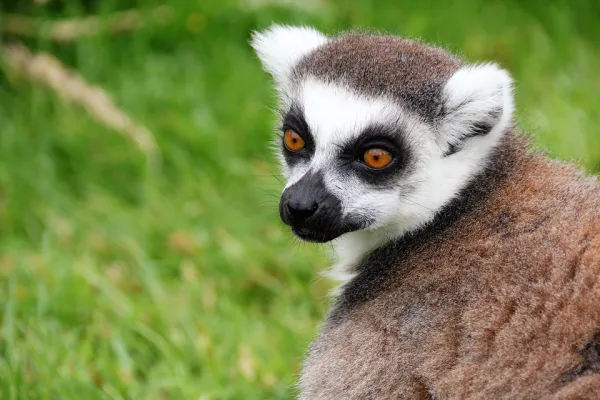
To talk about Madagascar is to talk about endemism. This large island off southeastern Africa split from the mainland mo···
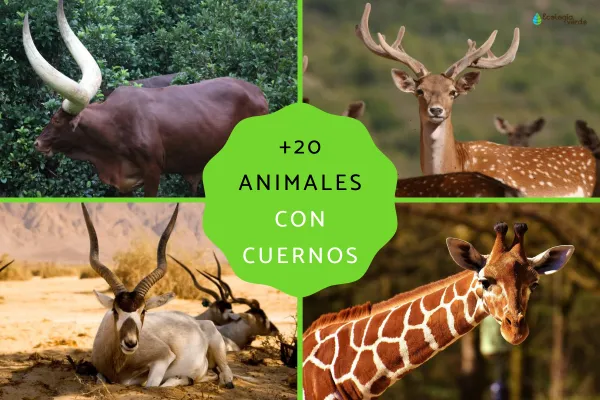
Many animals carry horn- or horn-like structures on the head. Some are weapons for defense or intraspecific combat, othe···
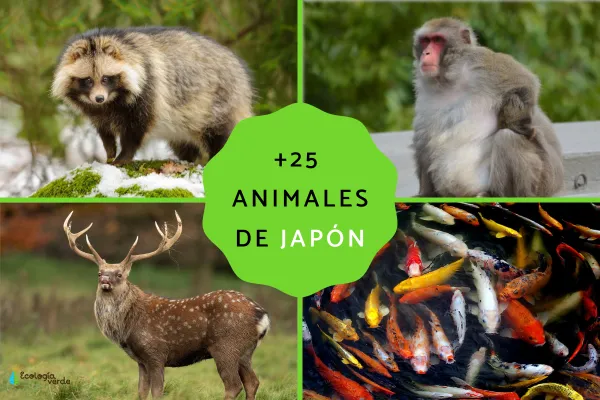
Stretching from sub-Arctic Hokkaidō to the subtropical Nansei (Ryukyu) Islands, Japan’s four main islands and 6,000+ s···
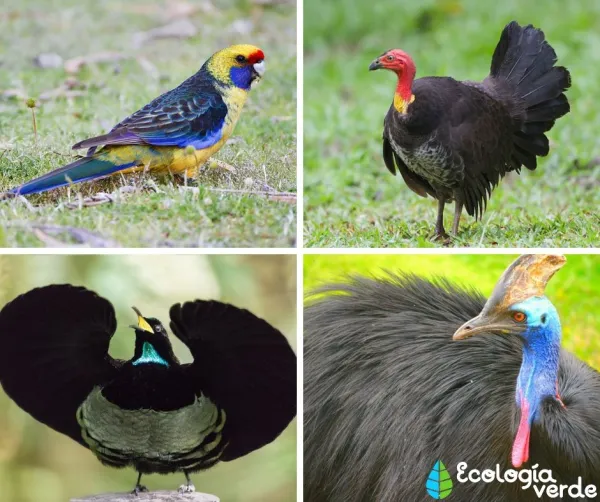
Australia’s isolation and sweeping climate zones have produced a world-class roster of birds—from giant, flightless sp···
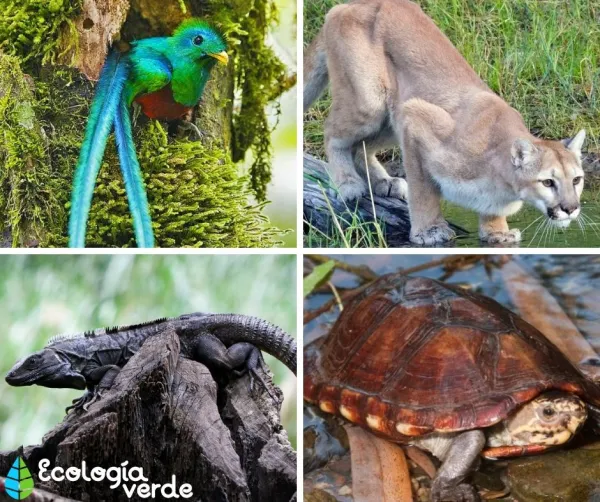
Guatemala packs cloud forests, tropical lowlands, mangroves, and high mountains into a small map—an incredible diversit···
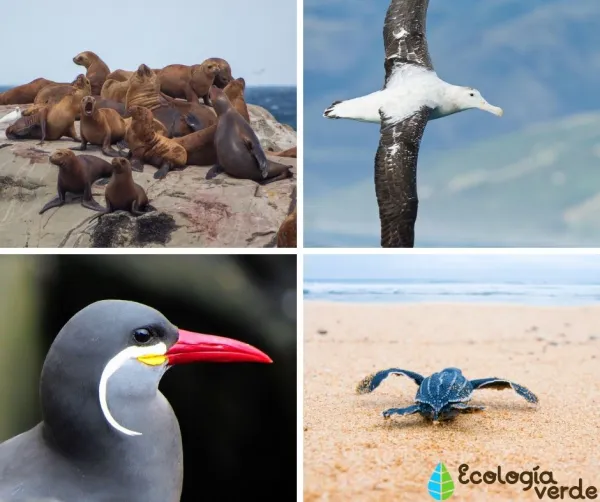
Supercharged by the Humboldt (Peru) Current and powerful upwelling, Peru’s Pacific shoreline is one of South America’s···

Crocodiles (family Crocodylidae) are among the longest-surviving reptile lineages on Earth, with origins tracing back to···
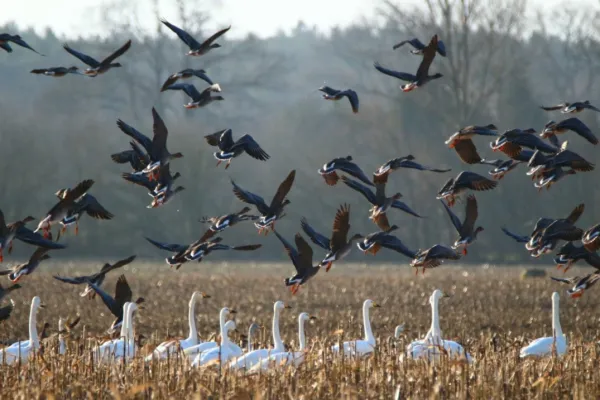
Bird migration is one of nature’s most spectacular, cyclical phenomena. Not all birds migrate—resident species can rem···
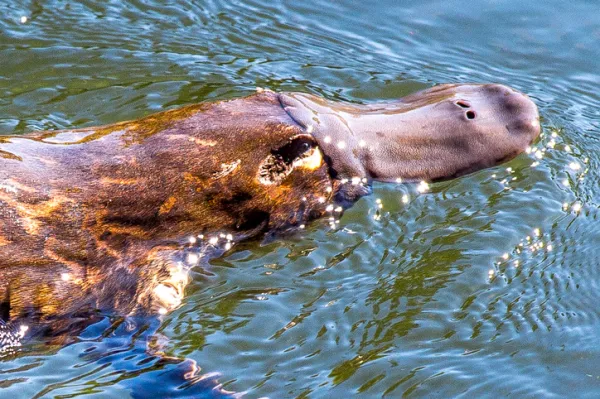
Monotremes (order Monotremata) are the most unusual—and oldest living—branch of mammals. They blend traits typically s···
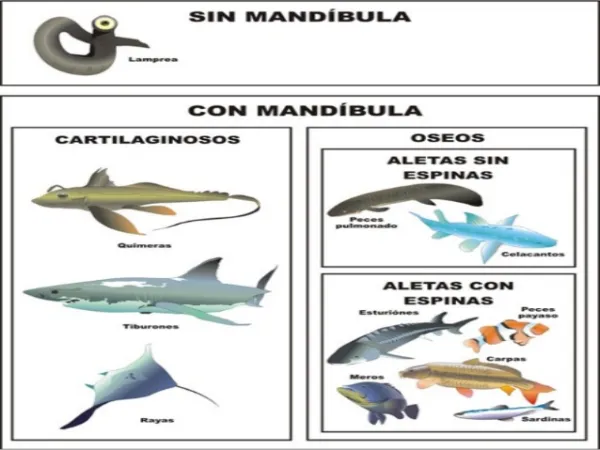
Fishes are the most abundant vertebrates on Earth. Even though we don’t encounter or recognize species as easily as we ···
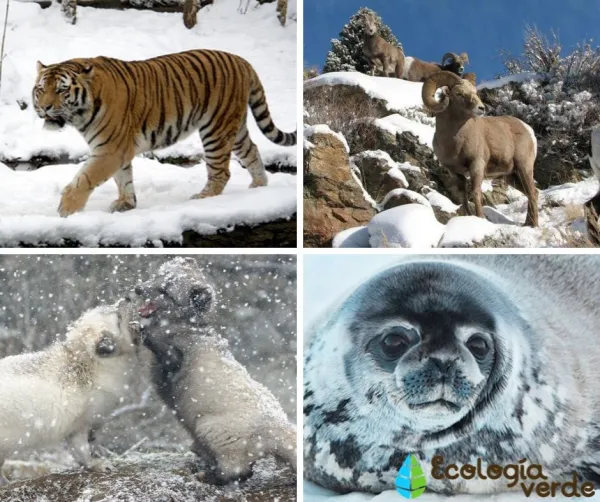
Spanning both Europe and Asia and covering about 17.09 million km², Russia contains an extraordinary range of ecosystem···
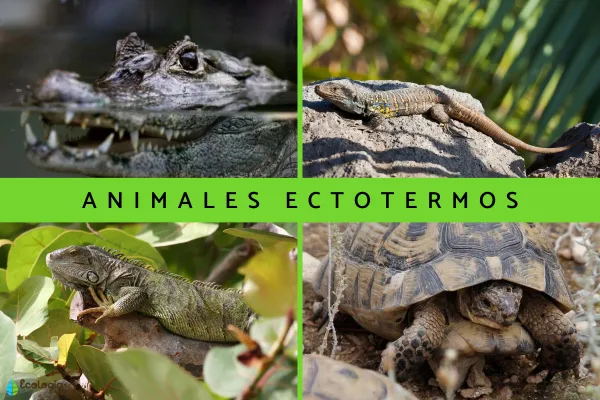
What animals are cold-blooded? Explore 35 examples of reptiles, amphibians, fish and invertebrates, plus how ectotherms ···
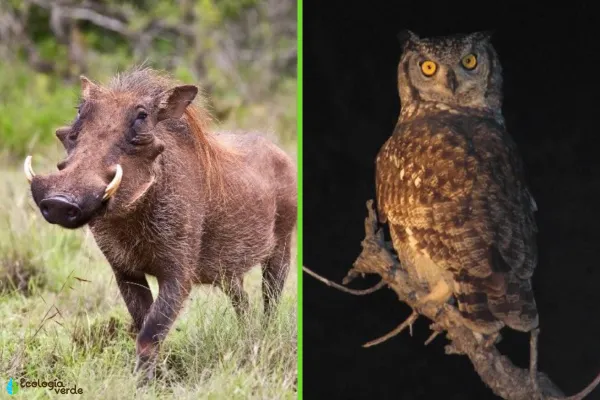
Most animals—including us—run on roughly 24-hour biological rhythms (circadian rhythms) that schedule when we’re aler···