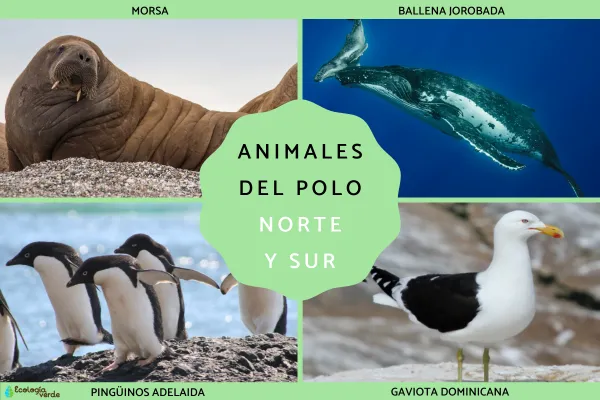
Animals That Live in the North and South Poles
The polar regions—the Arctic (North Pole) and the Antarctic (South Pole)—are some of the most extreme and inhospitable places on Earth for humans. Temperatures are freezing, vegetation is scarce, and survival is extremely difficult. Yet, despite these harsh conditions, a remarkable variety of anim...

Egg-Laying Animals
Let’s start with a quick question: What do we call animals that reproduce through eggs? And another: What do we call animals that lay eggs? You may think the answers are identical, but actually they are not. In this article, we will explain the difference and provide a detailed list of egg-laying a...
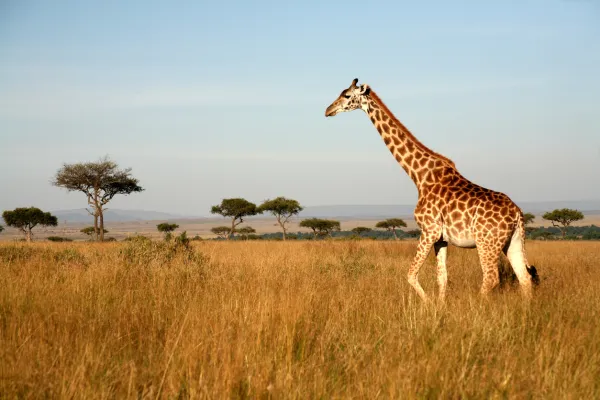
Animals of the African Savanna
When people hear “African savanna,” many immediately think of scenes from The Lion King: lions like Simba, meerkats like Timon, and warthogs like Pumbaa. Indeed, these characters are inspired by real savanna animals. But beyond these well-known species, what other fascinating creatures inhabit thi...
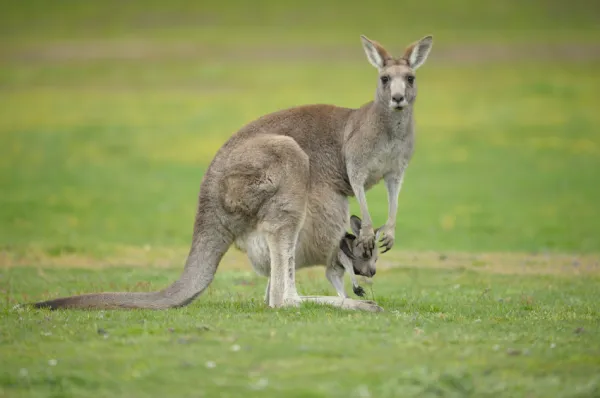
What Are Marsupial Animals? Characteristics and Examples
The diversity of animal life on our planet is immense, and preserving this biodiversity is essential for maintaining ecological balance. Among the many unique groups of animals, marsupials stand out as a distinctive class within mammals. These animals are fascinating because of their unusual reprodu...

25+ Animals That Migrate and Why
In popular culture, migration has often been reflected in sayings such as “On Saint Blaise’s Day, you will see the stork, and if you don’t, it will be a snowy year” or “On Saint John’s Day, the stork begins to fly.” These proverbs are based on traditional knowledge of bird migration and highl...
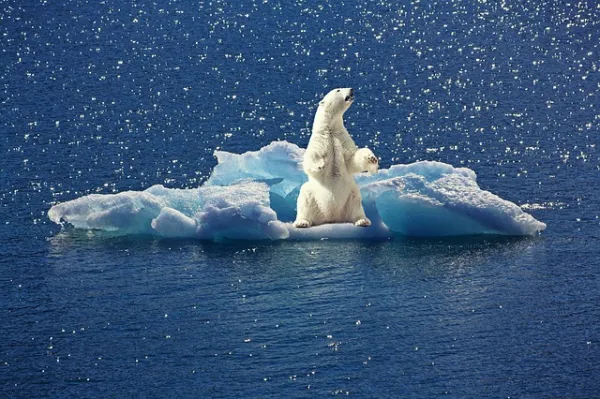
Endangered Animals of the North Pole
Climate change and global warming have become undeniable realities, and one of the regions most affected is the Arctic. The ice is melting at an alarming rate, and the animals that depend on it are facing severe threats to their survival.For these species, there are only two choices: adapt to the ne...
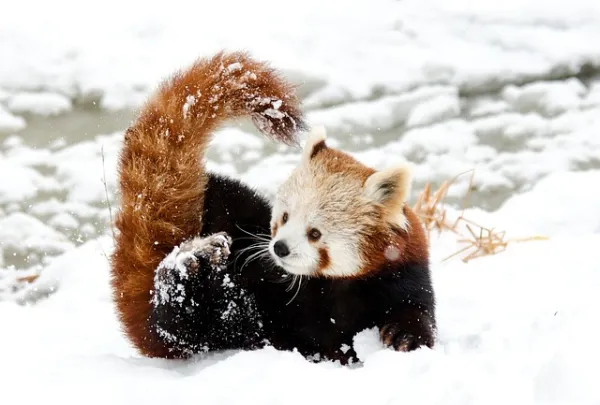
Animals Most Endangered in Asia
Across the globe, countless animal species are on the brink of extinction. Asia, with its vast biodiversity and dense human populations, is one of the regions where this crisis is most evident. The main threats to wildlife here are illegal hunting and trafficking (either live animals or their body p...
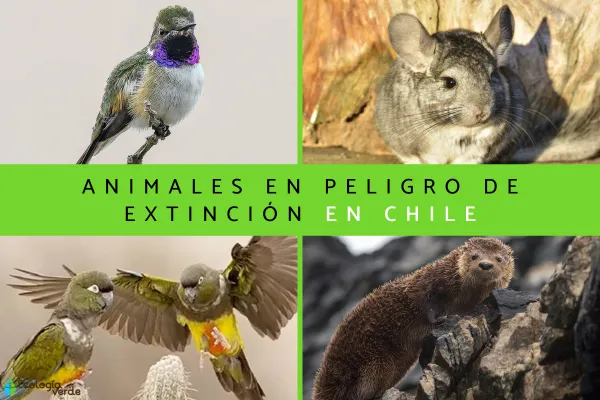
13 Endangered Animals in Chile
Chile is a country of incredible biodiversity thanks to its wide range of climates and ecosystems—from the Atacama Desert in the north to the temperate forests and fjords of Patagonia in the south. However, habitat degradation, hunting, and increasing pollution have placed many native species at ri...

Aerial Animals: Types and Examples
Since ancient times, humans have dreamed of flying—soaring through the skies and viewing the world from above. Thinkers and inventors such as Leonardo da Vinci and the Wright brothers designed machines to imitate flight, proving our fascination with the skies.Yet while humans had to invent airplane...

17 Endangered Animals in Ecuador
Ecuador is one of the most biodiverse countries in the world, home to ecosystems that range from the high Andes to the Amazon rainforest and the Galápagos Islands. This diversity has allowed countless species to flourish. However, human activity and environmental change have placed many of these an...
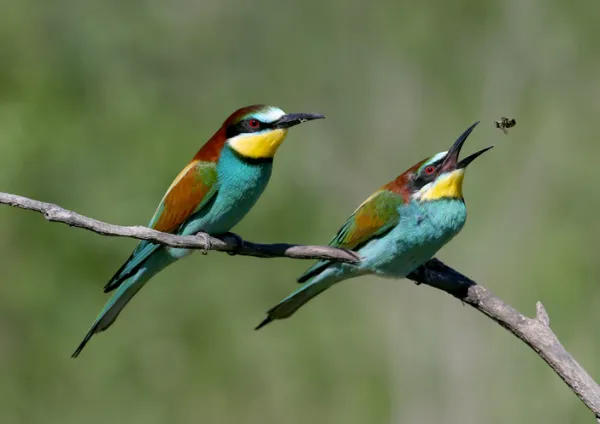
Insectivorous Animals: Definition, Traits & Examples
Across the animal kingdom, many mammals, birds, reptiles, amphibians, fishes, arachnids—and even some insects themselves—depend on insects as their main or an important food source. This article explains what insectivores are, highlights their key adaptations, provides a practical example list by...

40 Native Animals of Chile (with scientific names and key facts)
From the Atacama Desert to the Andes and the Patagonian ice fields—plus a long Pacific coastline fed by the Humboldt Current—Chile’s mosaics of habitats support exceptional native biodiversity. Below are representative Chilean animals (some strictly endemic, others widely distributed in southern...

25+ Animals With Big Eyes (Names · Scientific Names · Key Facts)
In many species, oversized eyes are a survival upgrade—supercharging night vision, widening fields of view, or pulling detail from dim, deep-sea light. Here’s a clean, copy-ready roundup of 25+ big-eyed animals, with scientific names and quick, publishable facts.Tarsier (Tarsius bancanus)Range: Lo...
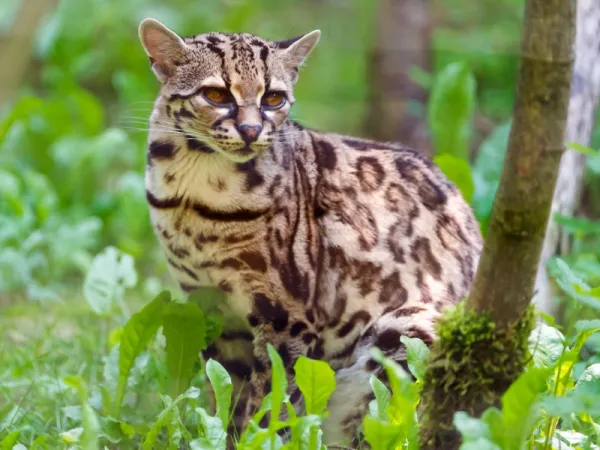
22 Endangered Animals of Panama (Field Guide)
Straddling the Central American isthmus, Panama blends tropical climate, coast-to-coast shorelines, lowland rainforests, cloud forests and mangroves—conditions that foster exceptional biodiversity. Unfortunately, habitat fragmentation, pollution, illegal hunting and wildlife trade are pushing many...
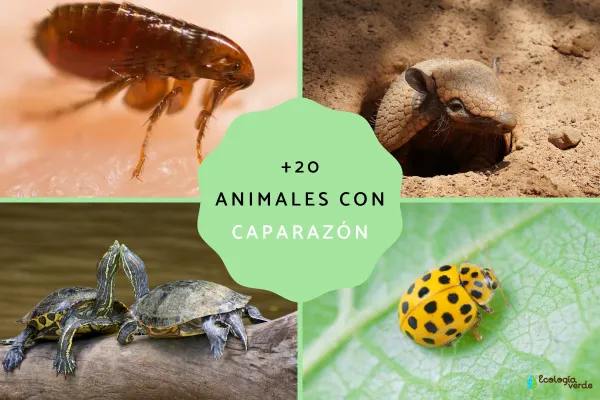
20+ Animals with Shells (What They Are, How They’re Built, and Classic Examples)
Across the animal kingdom, body plans vary wildly: some lineages rely on internal skeletons made of bone or cartilage, others on external skeletons, and many have evolved hard coverings for defense, support, and movement. One of the most successful of these adaptations is the shell—a tough structur...
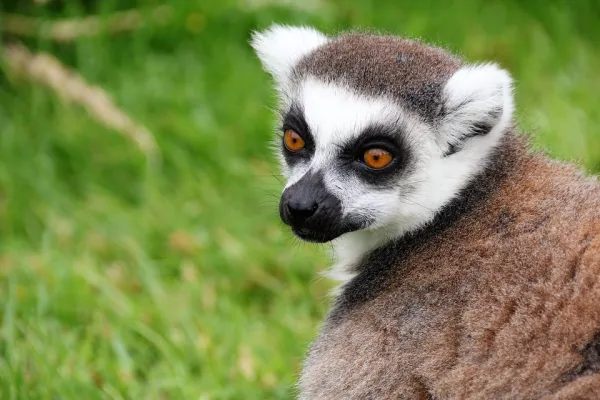
13+ Endemic Animals of Madagascar (Names, Traits & Fast Facts)
To talk about Madagascar is to talk about endemism. This large island off southeastern Africa split from the mainland more than 100 million years ago, and its plants and animals evolved in isolation—creating about 5% of the planet’s biodiversity, with roughly 70% of species found nowhere else. Tod...
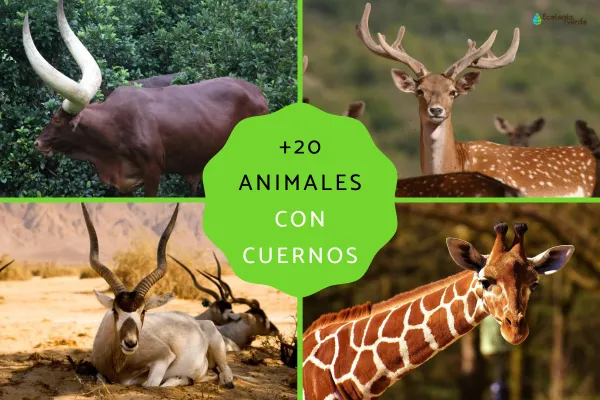
20+ Horned Animals: What Counts as a “Horn,” How They Differ from Antlers, and Flagship Species (wit
Many animals carry horn- or horn-like structures on the head. Some are weapons for defense or intraspecific combat, others help with display or even heat regulation. Shapes range from slim needles to sweeping scimitars or tight spirals. Below you’ll find what a true horn is (and isn’t), how it dif...
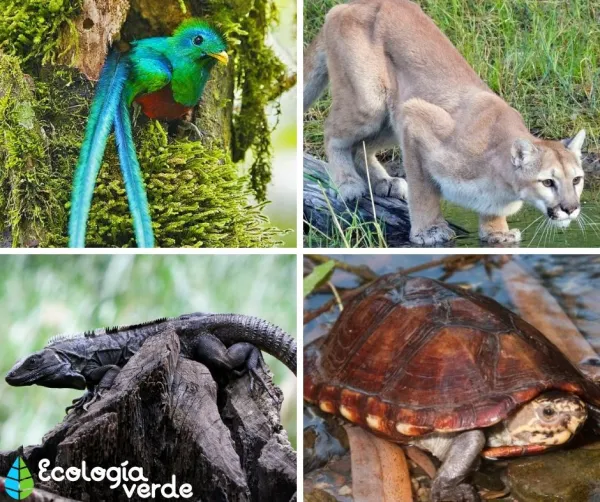
15+ Endangered Animals of Guatemala: Quick Guide to Species, Threats & Where They Live
Guatemala packs cloud forests, tropical lowlands, mangroves, and high mountains into a small map—an incredible diversity now pressured by rapid habitat loss and illegal hunting. The IUCN Red List ranks extinction risk from Least Concern (LC) → Near Threatened (NT) → Vulnerable (VU) → Endangered...
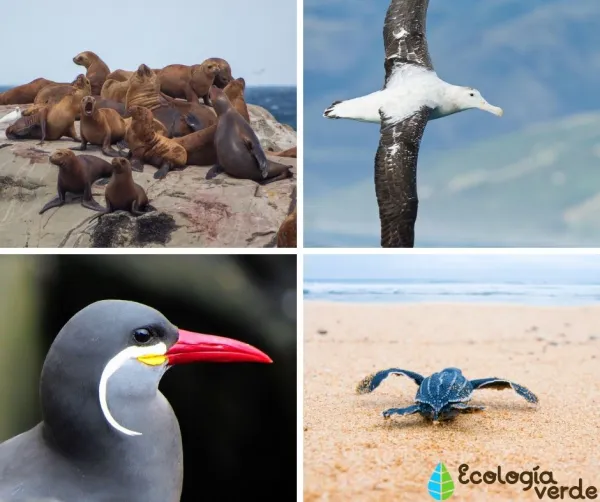
25+ Representative Animals of the Peruvian Coast (Quick Facts)
Supercharged by the Humboldt (Peru) Current and powerful upwelling, Peru’s Pacific shoreline is one of South America’s richest marine corridors. Nutrient-dense waters feed vast schools of fish, which in turn attract seabirds, sea turtles, and whales. Below is a handy, copy-ready guide to the most...
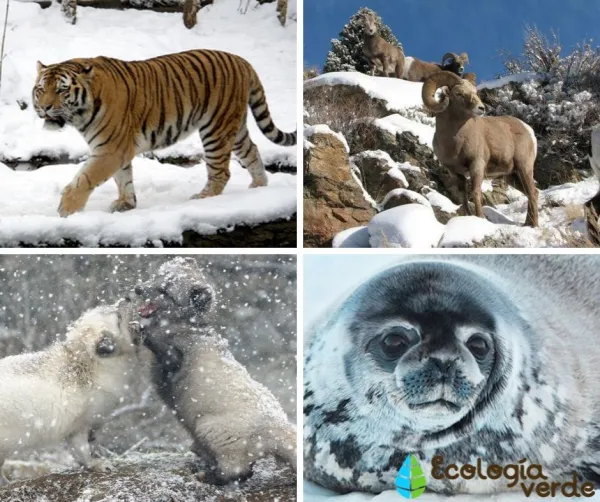
15 Representative Animals of Russia (with Scientific Names & Key Facts)
Spanning both Europe and Asia and covering about 17.09 million km², Russia contains an extraordinary range of ecosystems—from Arctic tundra and taiga to high mountains, vast rivers, and the world’s deepest lake. That breadth of habitats supports remarkable wildlife. Below are 15 emblematic Russia...