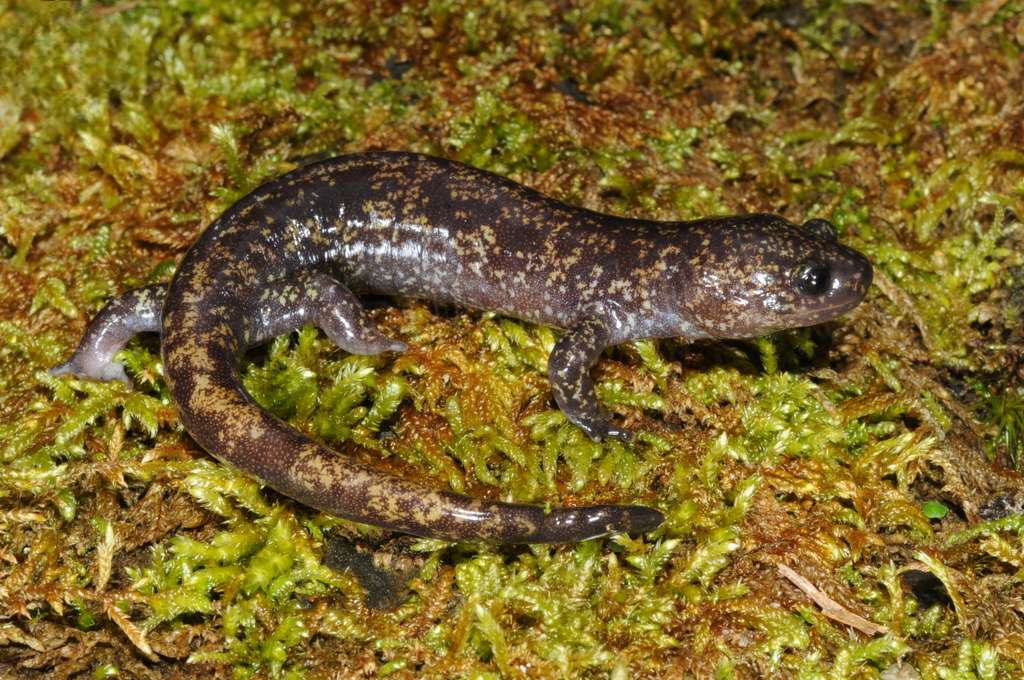
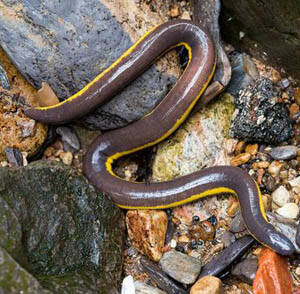
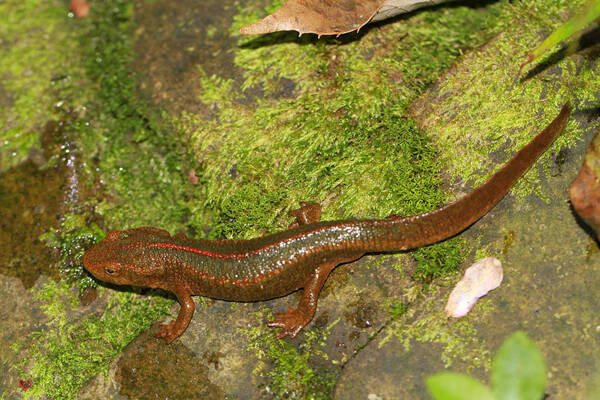
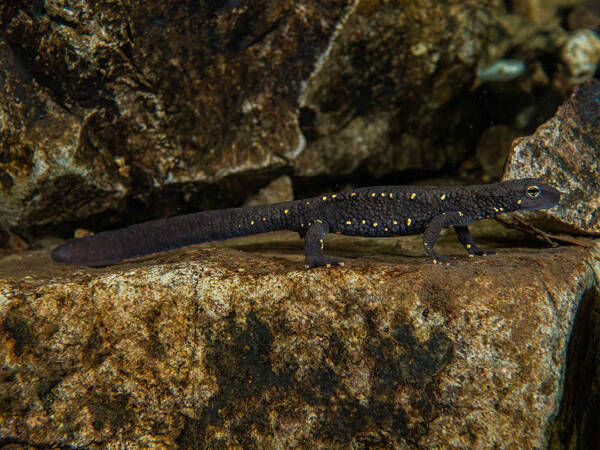
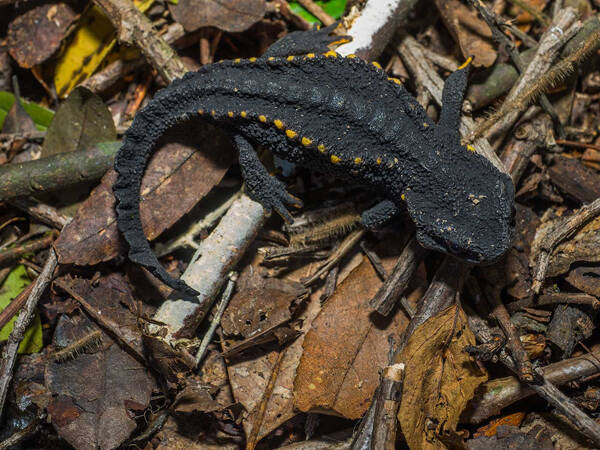
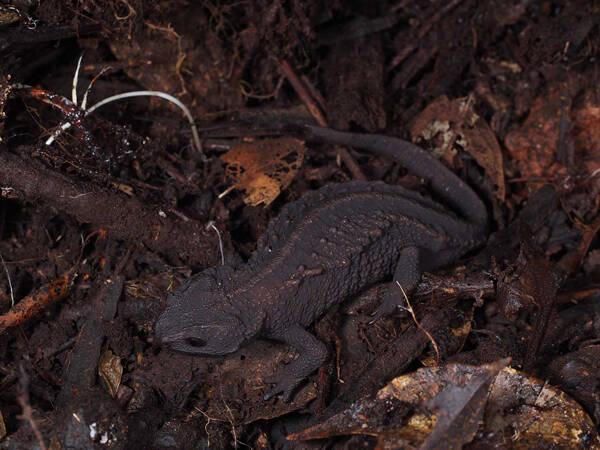
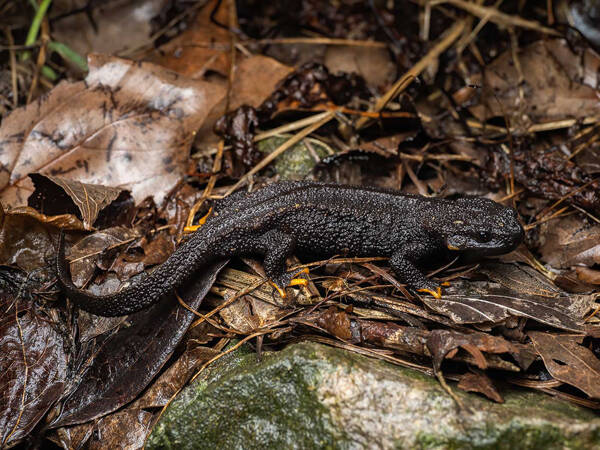
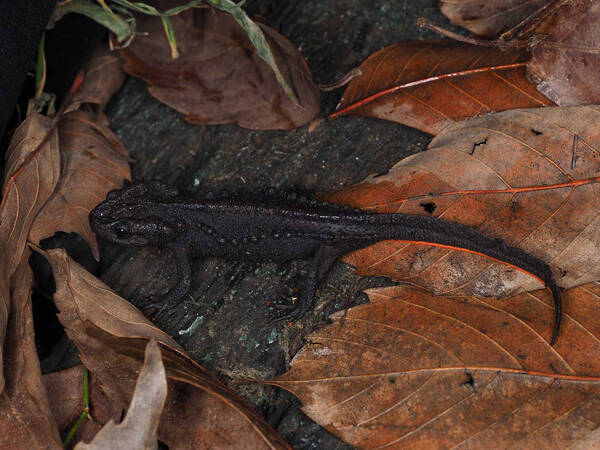
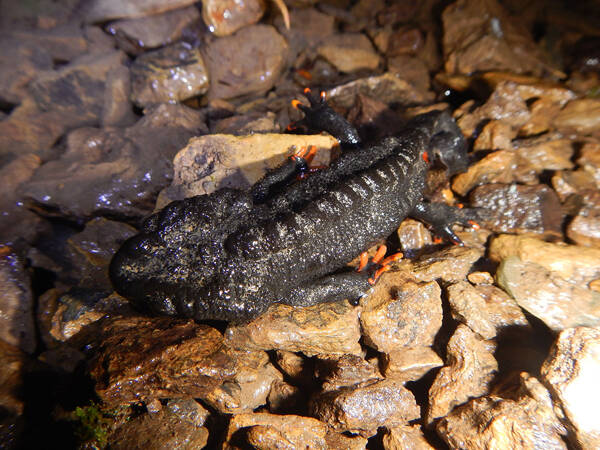
Nanhu Hypsilophis lives in high-altitude mountainous areas with harsh environments. The population is very small and it is endemic to China.
It is listed in the second level of the "List of National Key Protected Wildlife in China".
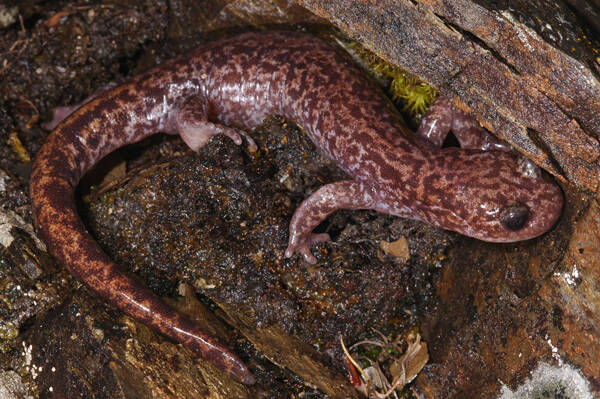
Hynobius nanhuensis
Nanhu Hypsilophis lives in high-altitude mountainous areas with harsh environments. The population is very small and it is endemic to China.It is listed in the second level of the "List of National Key Protected Wildlife in China".
This entry may describe multiple species. Body measurements and conservation assessments should be checked for individual species.
Table of Contents
Nanhu Hypsilophis lives in high-altitude mountainous areas with harsh environments. The population is very small and it is endemic to China.
It is listed in the second level of the "List of National Key Protected Wildlife in China".
At a glance
Key characteristics, appearance, and habitat information.
Visual guide
Browse available images of this species.
Quick answers
From this profile
Topics and animals mentioned in the article above.
Follow your curiosity
Read more about animal biology, compare similar-looking species, or browse the animal encyclopedia.
Keep exploring
Additional profiles from this animal group, not necessarily the closest relatives.