Skip to content
Animals Top
Home>Animals>Amphibia>Urodela
Animal Profile IUCN: LC

Yaotriton broadoridgus

Yaotriton broadoridgus

The broad-spine newt is an amphibian of the family Salamandridae and the genus Salamandridae. It lives in mountainous areas with lush forests at an altitude of 1000-1600m. Adult borers are mainly terrestrial. They reproduce in early May and lay eggs under dead leaves beside still ponds. Generally, m

Urodela 1542 views
Scientific Name Yaotriton broadoridgus
Length
Weight
Lifespan
IUCN Status LC
Advertisement

Table of Contents

    The broad-spine newt is an amphibian of the family Salamandridae and the genus Salamandridae. It lives in mountainous areas with lush forests at an altitude of 1000-1600m. Adult borers are mainly terrestrial. They reproduce in early May and lay eggs under dead leaves beside still ponds. Generally, male newts enter the breeding ground first, and females follow slightly later.


    It is listed in the second level of the "List of National Key Protected Wildlife in China".
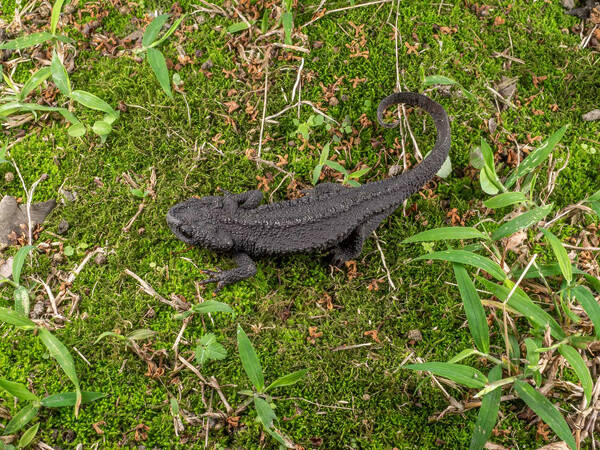
    1_九雷图片转化为.jpg


    At a glance

    Profile Details

    Key characteristics, appearance, and habitat information.

    Traits & Behavior

    Appearance

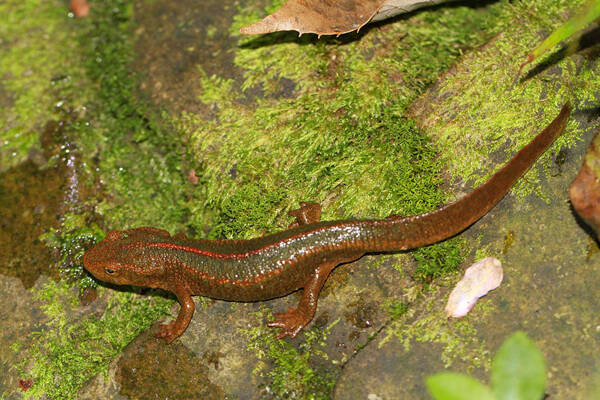
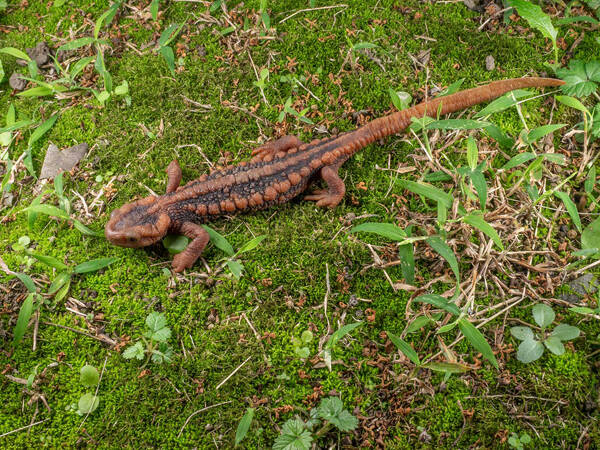
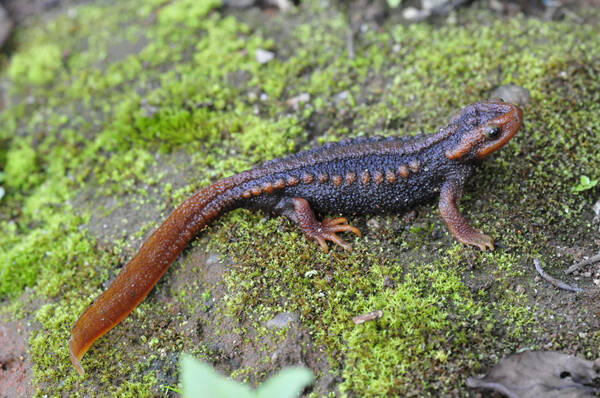
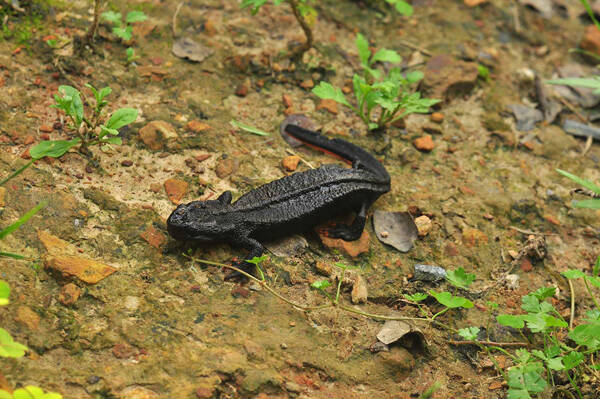
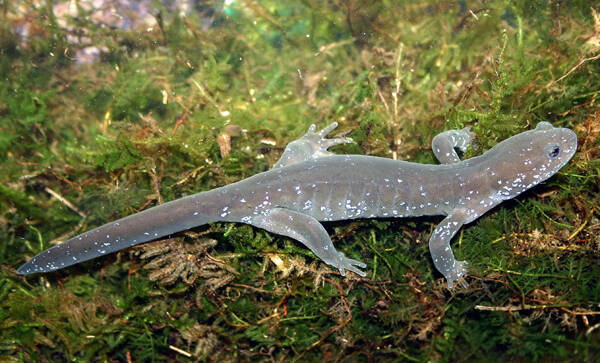
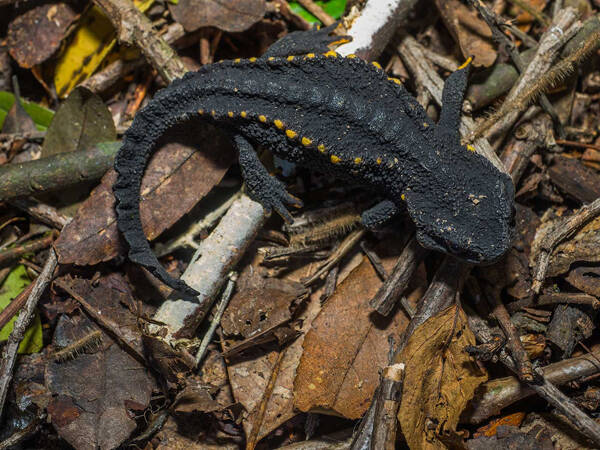
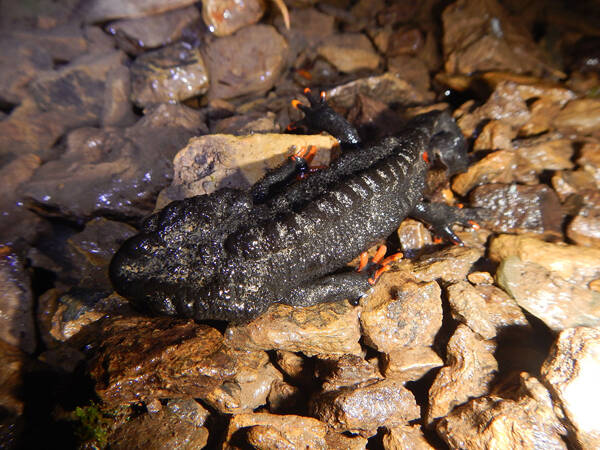
    The head is flat, the snout is truncated, and the nostrils are close to the snout; the trunk is cylindrical or slightly flat; the skin is rough, and the whole body is covered with warts of relatively uniform size; the warts are unclearly separated from each other, almost forming a longitudinal belt; the neck folds are clear, The warts on the ventral surface of the body are obvious and not striated. The back of the body and tail is dark brown, the ventral surface of the body and around the anus are light dark brown, and only the fingers, toes and the lower edge of the tail are orange-red.

    Distribution & Habitat

    Endemic to China, distributed in Hubei (Wufeng) and Hunan (Sangzhi).
    It lives in mountainous areas with lush forests at an altitude of 1000-1600m. Adult borers are mainly terrestrial.
    Advertisement

    Visual guide

    Browse available images of this species.

    Quick answers

    Yaotriton broadoridgus FAQs