Skip to content
Animals Top
Home>Animals>Amphibia>Urodela
Animal Profile IUCN: LC

Tylototriton yangi

Tylototriton yangi

The Yunnan warty newt is an amphibian of the family Salamandridae and genus Warty Newt. It lives in densely vegetated hilly areas at an altitude of about 1,200m, and its habitat is mostly near farmland. Adult newts hide in mud holes under still water pits or earth walls and bushes during the day; th

Urodela 1535 views
Scientific Name Tylototriton yangi
Length
Weight
Lifespan
IUCN Status LC
Advertisement

Table of Contents

    The Yunnan warty newt is an amphibian of the family Salamandridae and genus Warty Newt. It lives in densely vegetated hilly areas at an altitude of about 1,200m, and its habitat is mostly near farmland. Adult newts hide in mud holes under still water pits or earth walls and bushes during the day; they mostly go out at night. They prey on small insects and mollusks.


    It is listed in the second level of the "List of National Key Protected Wildlife in China".
    2_九雷图片转化为.jpg

    At a glance

    Profile Details

    Key characteristics, appearance, and habitat information.

    Traits & Behavior

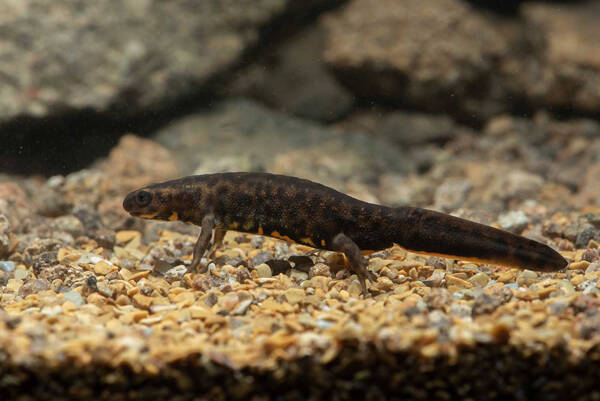
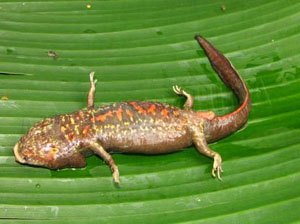
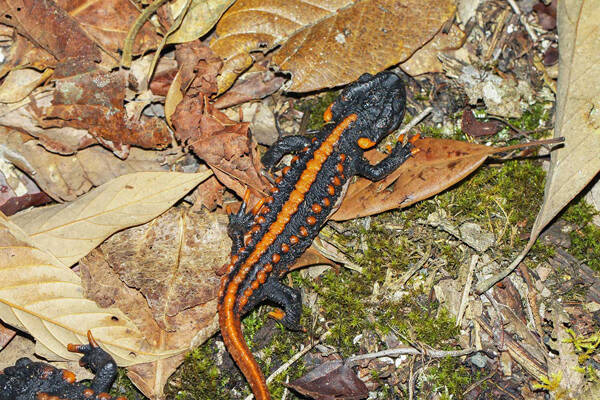
    The body color is bright orange-red, the head and other parts are black or brown-black, and there are orange-yellow-red markings on the chest and back of the abdomen.

    Appearance

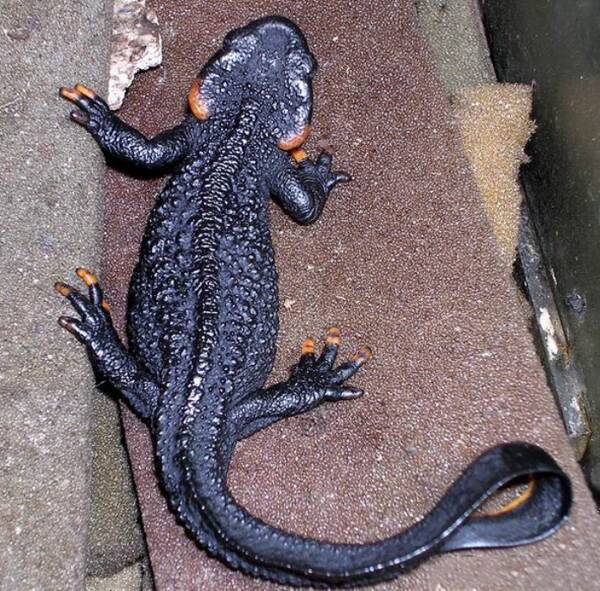
    The head is flat and thick, slightly longer than it is wide, with a short snout. The skin is rough with large and small warts. The parotid glands are large and not connected to the end of the lateral ridges of the head. There are 16-17 large warts on both sides of the back of the body to the base of the tail, which are not connected to each other. The ventral surface is covered with transverse constrictions.

    Distribution & Habitat

    Endemic to China, distributed in Yunnan (Gejiu, Mengzi, Pingbian, Hekou, Xichou).
    It lives in hilly areas with dense vegetation at an altitude of about 1200m, and its habitat is mostly near farmland.
    Advertisement

    Visual guide

    Browse available images of this species.

    Quick answers

    Tylototriton yangi FAQs