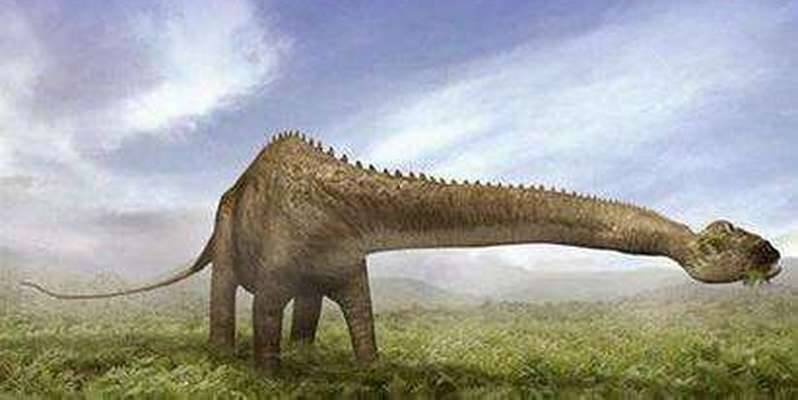
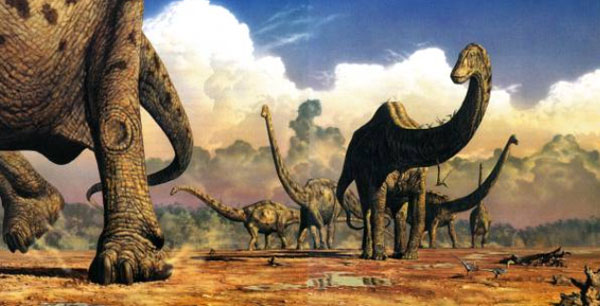
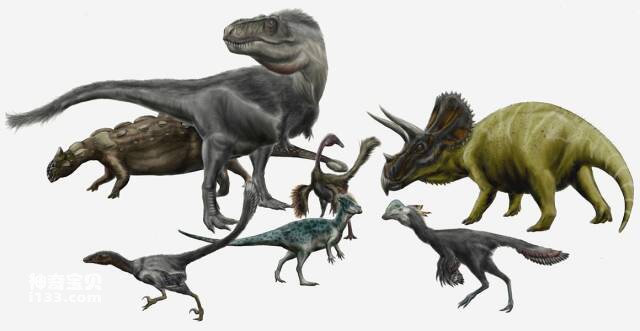
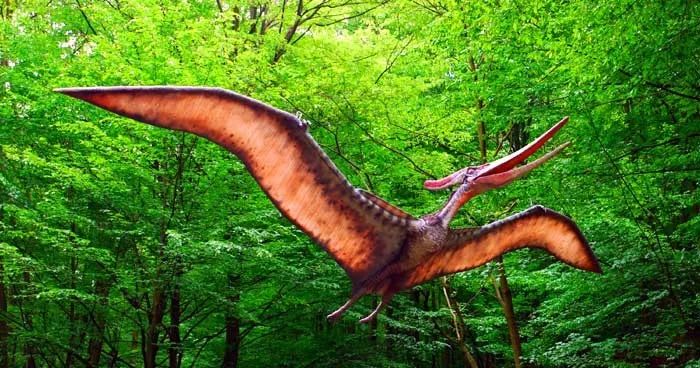
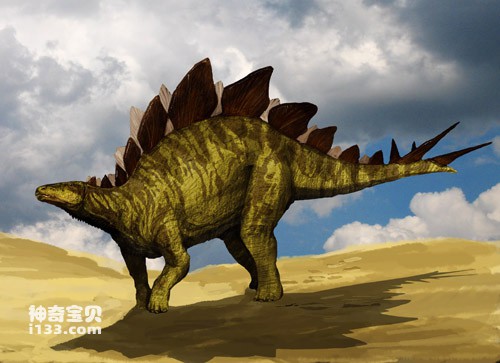
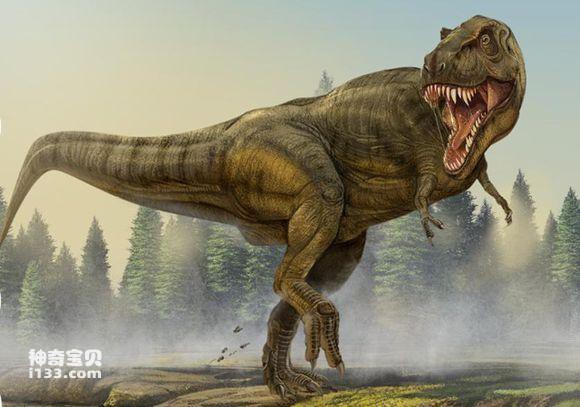
When people hear “dinosaur park,” they may imagine life-size statues and roaring animatronics. But in science and conservation, a dinosaur park can also mean something far more powerful: a protected landscape where dinosaur fossils, footprints, and the rocks that preserve them are managed as “geoheritage.” In the best cases, dinosaur parks function like outdoor research libraries—places where the public can experience prehistoric evidence in context, not just in display cases.
Below is a field-guide style explanation of what dinosaur parks are, how they work, and how to tell “science-first parks” from pure entertainment venues.
1) What is a “dinosaur park” (scientifically speaking)?
A science-oriented dinosaur park is typically one of these:
Fossil landscape parks
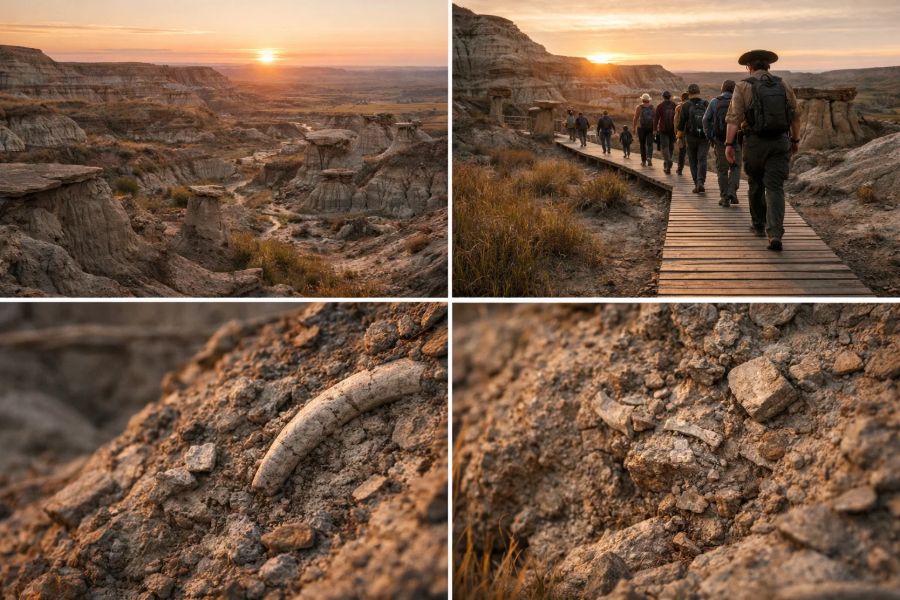
Protected badlands, cliffs, or river valleys where dinosaur-bearing rock layers are exposed and actively managed for research and education. A famous example is Dinosaur Provincial Park (Canada), recognized for extraordinary fossil richness and strict control over sensitive areas and fossil removal.Trackway parks
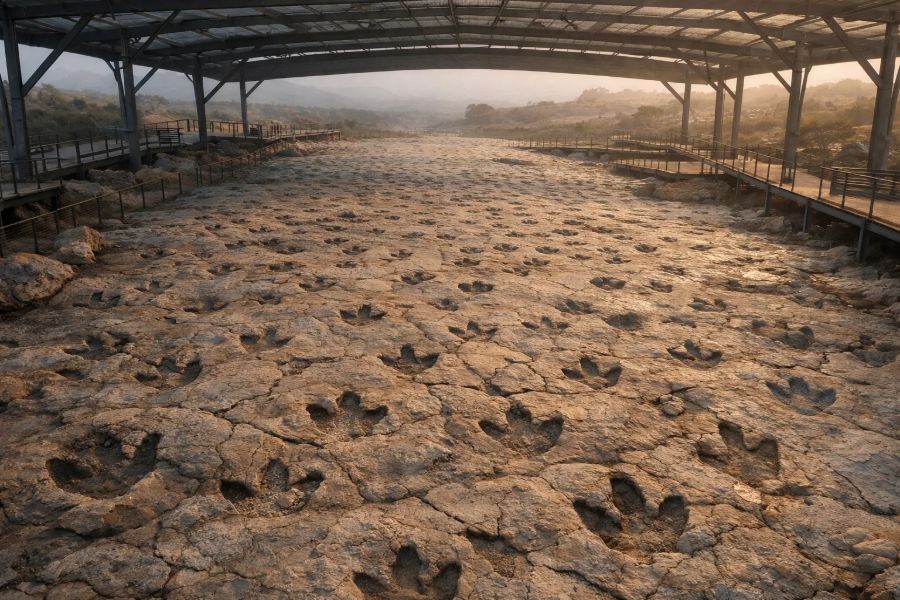
Sites where dinosaurs left preserved footprints (“trace fossils”) in ancient mudflats, lake shores, or coastal plains—often protected inside shelters or museums built around the track surface. Lark Quarry (Australia) preserves thousands of footprints and protects them inside a purpose-built shelter.Geoparks / protected-area networks with dinosaur localities
Wider protected regions that conserve important geological features (including fossils) with formal management plans—often emphasizing geoconservation and education.Edutainment dinosaur parks (replicas-based)
Parks that primarily use models, animatronics, and themed trails to teach dinosaur diversity and behavior. These can be excellent for learning—as long as they clearly separate evidence from artistic reconstruction.
A single “dinosaur park” can combine multiple roles: recreation, education, conservation, and sometimes active research.
2) Why dinosaur parks matter: fossils need context
A fossil is not just “a bone.” Its scientific meaning depends heavily on context:
the rock layer it came from
its position and orientation
associated fossils (plants, shells, other animals)
sediment type (river channel, floodplain, lake margin)
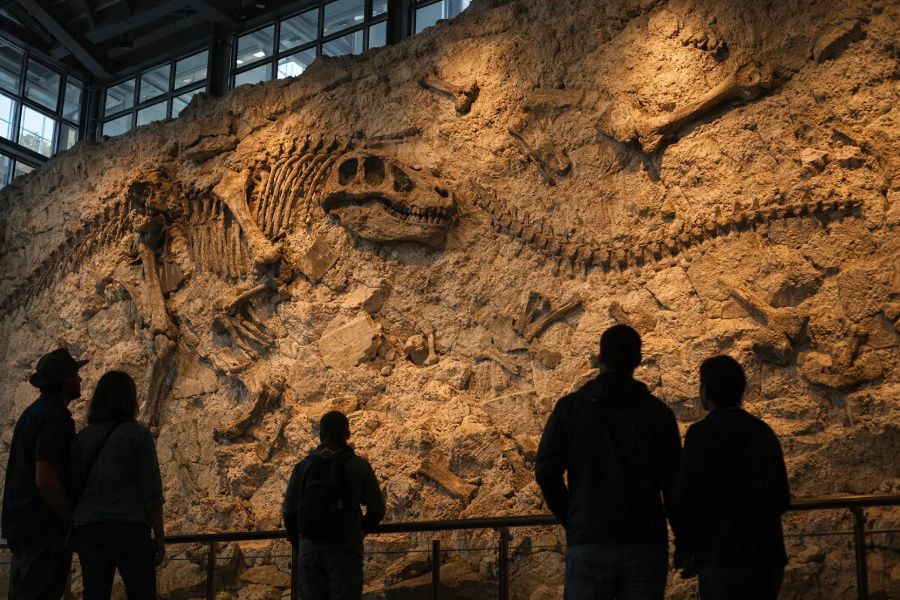
That’s why many important sites emphasize in situ preservation—leaving fossils embedded in rock where visitors can see them as they were discovered. Dinosaur National Monument’s Quarry Exhibit Hall is a famous “wall of bones” example, preserving about 1,500 dinosaur bones in place.
3) How a real dinosaur park is managed (conservation first)
Because dinosaur sites are fragile—and valuable—high-quality parks use rules that may feel strict but protect the science.
Common protection tools include:
Controlled access to sensitive fossil exposures
Permitting for any research, collection, or excavation
On-site monitoring and rapid response to vandalism or erosion
Visitor infrastructure (boardwalks, defined trails, viewing platforms) to keep people off vulnerable surfaces
Shelters over trackways or bone beds to stabilize humidity/temperature and prevent weather damage (especially for footprints)
For example, UNESCO notes that in Dinosaur Provincial Park, access to sensitive zones is controlled and fossil removal is tightly regulated. Alberta Parks also states research and collection require permits and highlights its close relationship with the Royal Tyrrell Museum for paleontology research.
4) Fossils vs footprints: two different kinds of evidence you meet in parks
Body fossils (bones, teeth, eggshells) tell you:
anatomy and growth
species diversity
injury and disease
evolutionary relationships
Trace fossils (footprints, trackways) tell you:
movement and speed (with caution)
behavior (group travel, turning, pauses)
substrate conditions (mud, water, sand)
Trackway parks can be especially educational because visitors can “read” behavior directly from the ground. Connecticut’s Dinosaur State Park preserves hundreds of Early Jurassic footprints, presenting one of the largest track sites in North America.
5) “Can I take a fossil home?” — the essential ethics (and the common rules)
Rules vary by country and land manager, but a science-minded dinosaur park typically follows a core principle: the site is an archive, not a souvenir shop.
In U.S. National Park Service areas, fossil collecting is generally prohibited without authorization; fossils are treated as protected resources managed under museum and permitting rules.
On some U.S. public lands managed by the Bureau of Land Management (BLM), limited casual collecting of common invertebrate and plant fossils may be allowed, but vertebrate fossils and many other cases require permits and stricter controls.
Best visitor behavior everywhere: enjoy, photograph, learn—don’t remove and don’t reveal sensitive locality details that could invite looting.
Table: Types of dinosaur parks and what you can learn from each
| Dinosaur park type | What you usually see | What it teaches best | Conservation risks | Real-world examples (with highlights) |
|---|---|---|---|---|
| Fossil landscape park | Badlands/cliffs, guided fossil hikes, interpretive geology | Ecosystems over time, fossil context, excavation ethics | Looting, erosion, trampling sensitive exposures | Dinosaur Provincial Park (Canada): exceptional Late Cretaceous fossil richness; sensitive areas controlled; fossil collection tightly regulated |
| In-situ quarry exhibit park | Fossils still embedded in rock “as found” | How fossils occur in rock layers; scientific context | Touch damage, vandalism, infrastructure impacts | Dinosaur National Monument (USA): Quarry Exhibit Hall with ~1,500 bones on the wall; historic in-situ quarry concept |
| Trackway conservation park | Footprints/track surfaces, often under shelter | Behavior traces: stride, direction, group movement | Weathering, humidity shifts, foot traffic | Lark Quarry (Australia): thousands of footprints; protected inside a shelter and managed as a unique trackway site |
| Trackway + museum park | Track floor + exhibits, trails, geology interpretation | Trace fossils plus local geology; “how we know” | Surface erosion; visitors stepping off paths | Dinosaur State Park (USA, Connecticut): early Jurassic trackway with hundreds of footprints; museum interpretation on-site |
| Edutainment model park | Life-size reconstructions, animatronics, themed trails | Dinosaur diversity, body plans, basic timelines | Scientific oversimplification if labels are weak | Best when reconstructions are clearly labeled as models and based on current evidence (no single “official look”) |
6) How to tell a “science-first” dinosaur park from a pure theme attraction
If you want an educational, evidence-based experience, look for these clues:
Green flags
Clear labeling: “original fossil,” “cast,” “reconstruction,” “artist’s interpretation”
Geological explanations: rock formations, ages, environments
Collaboration with museums/universities; permits and restricted zones
Visible conservation infrastructure (boardwalks, shelters, controlled access)
Yellow flags
Overconfident claims (“this is exactly what it looked like”) without uncertainty
No mention of rock layers, dating, or fossil context
Encouraging visitors to “hunt for fossils” in protected localities (a major red flag)
References (literature and official resources)
IUCN-WCPA. Guidelines for Geoconservation in Protected and Conserved Areas. IUCN Protected Areas Guidance Series No. 31.
UNESCO World Heritage Centre. Dinosaur Provincial Park (World Heritage List No. 71).
Alberta Parks. Dinosaur Provincial Park: Nature & History; Park Research & Management (permits and research partnerships).
National Park Service (USA). Dinosaur National Monument: Quarry Exhibit Hall; Historic Carnegie Quarry; Fossil Protection policies.
International Union of Geological Sciences (IUGS) Geoheritage. Upper Jurassic Carnegie Quarry Dinosaur Bone Site (geoheritage profile).
Queensland Parks and Wildlife Service. Lark Quarry Conservation Park: About (trackways and protection shelter).
Connecticut State Parks. Dinosaur State Park (trackway overview and footprint counts).
Bureau of Land Management (USA). Can I collect fossils? (casual collecting overview) and PRPA-related regulations.
Weishampel, D. B., Dodson, P., & Osmólska, H. (Eds.). The Dinosauria (2nd ed.). University of California Press.
Benton, M. J. Vertebrate Paleontology (4th ed.). Wiley-Blackwell.