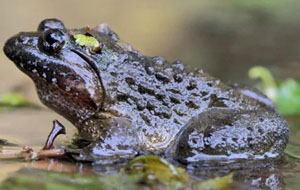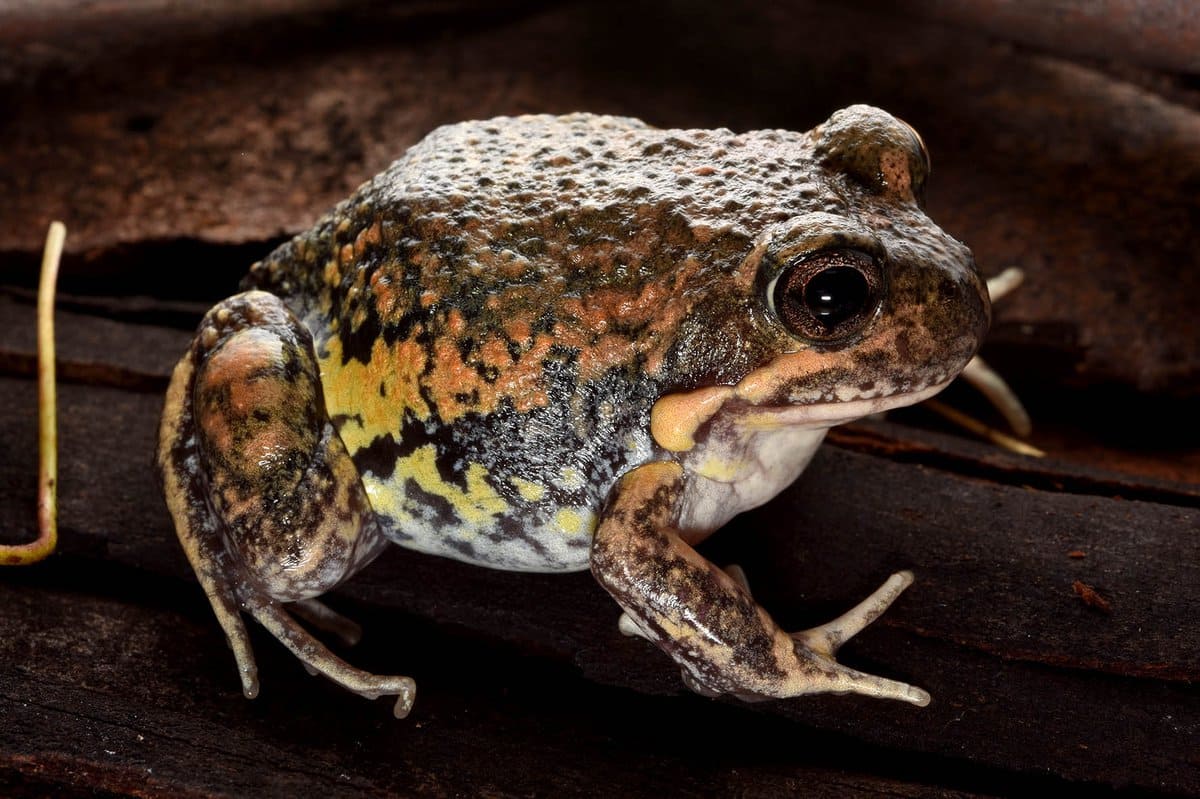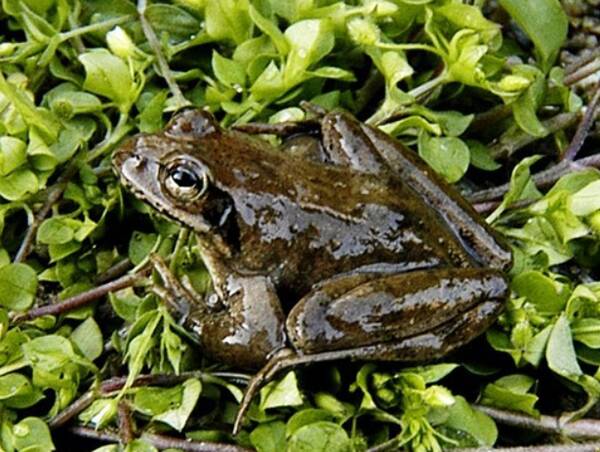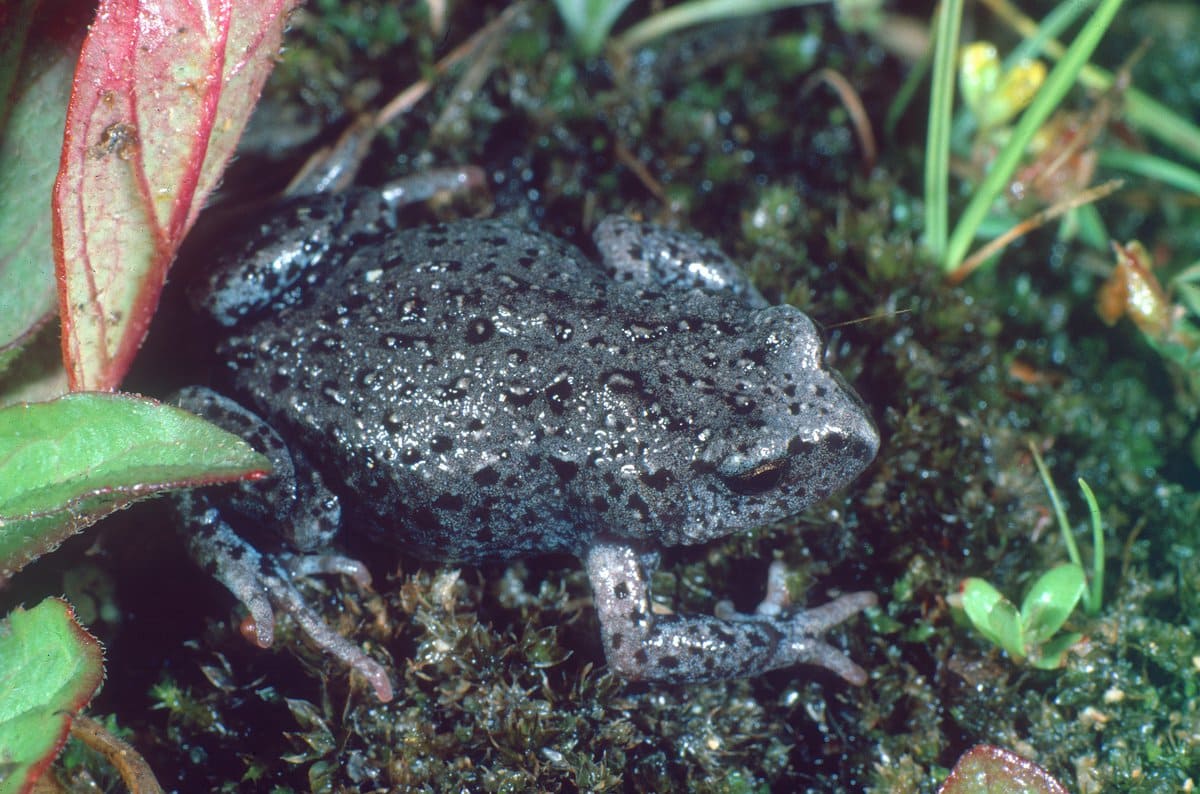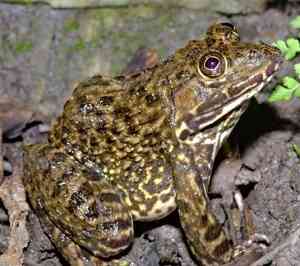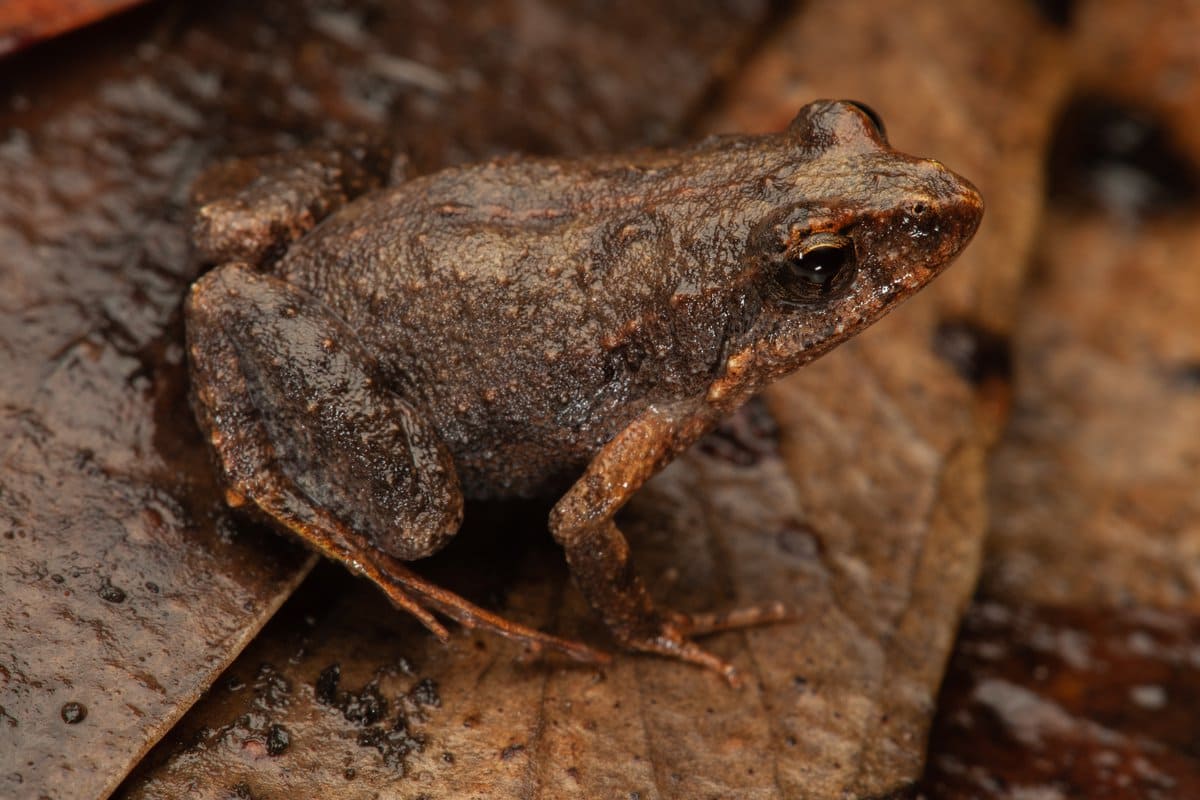
The Common Eastern Froglet (Crinia signifera) is a tiny ground-dwelling frog in the familyMyobatrachidae. It is one of the most widespread and frequently heard frogs in south-eastern Australia, often forming loud choruses around ponds and ditches, even though individual frogs can be very hard to spot.
Taxonomy & Names
English name: Common Eastern Froglet
Scientific name: Crinia signifera
Family: Myobatrachidae (Australian ground frogs)
Genus: Crinia
Appearance
The Common Eastern Froglet is small but highly variable in colour and pattern:
Body size: adults typically measure about 18–30 mm in length;
Build: a small, somewhat flattened body with slender limbs adapted for moving through grass, leaf litter and shallow water margins;
Dorsal colour: grey, brown, olive or dark brown with a wide range of irregular spots, stripes or mottled patterns; individuals can look quite different from one another;
Skin texture: the back is slightly rough with fine bumps, giving a subtly granular appearance;
Belly: usually pale – white or greyish – sometimes with fine speckling, and the throat may show light mottling;
Feet: toes have partial webbing, helping the frog move around in shallow water and soft mud.
Because of its variable colour and tiny size, this species is often identified more reliably by its call and habitat than by appearance alone.
Distribution & Habitat
The Common Eastern Froglet is native to south-eastern Australia and is very widespread:
occurs in New South Wales, Victoria, Tasmania and parts of South Australia;
found from coastal lowlands to foothills and lower mountain areas.
It occupies a wide variety of habitats:
natural wetlands, creeks, swamp margins, farm dams and temporary pools;
grasslands, open forests and woodland clearings with nearby water;
highly modified habitats such as roadside ditches, urban ponds, garden water features and drainage channels.
Wherever there is shallow, often temporary water and some vegetation cover, the Common Eastern Froglet may be present.
Behaviour & Call
This species is mainly nocturnal and moisture-loving:
by day frogs usually hide under vegetation, rocks, logs and debris near the water’s edge;
they become more active at dusk and during the night, especially after rain;
males call from the edges of ponds, flooded grass, ditches and other shallow-water sites, often partially hidden among plants.
The call is a series of short, repeated clicks or “kik-kik-kik” notes. When many males call together, the sound can resemble a continuous, crackling chorus around wetlands and farm dams.
Diet
The Common Eastern Froglet feeds on small invertebrates:
small spiders, springtails and other leaf-litter arthropods;
other minute invertebrates and insect larvae found around damp ground and shallow water.
It hunts by detecting movement and quickly flicking out its sticky tongue to capture prey.
Breeding & Development
Breeding in the Common Eastern Froglet is closely linked to rainfall and the availability of shallow water:
breeding can occur over much of the year in wetter regions, with peaks during warmer, rainy periods;
males gather in large numbers at ponds, dams, flooded paddocks and roadside ditches to call for females;
eggs are laid in shallow water, often attached to vegetation or submerged objects in loose clumps or small masses;
tadpoles are small and develop in the water, with growth rates influenced by temperature and food supply; in temporary pools they must complete metamorphosis before the water dries up.
Conservation Status & Threats
On the IUCN Red List, the Common Eastern Froglet is currently assessed as Least Concern (LC), reflecting its wide distribution and large, apparently stable populations.
However, local populations may still face pressures from:
wetland drainage, pollution and the loss of small ponds and temporary pools;
urban expansion and land clearing that fragment habitat;
disease (such as chytrid fungus) and long-term climate change affecting rainfall patterns.
Conserving a network of clean, shallow wetlands and maintaining vegetated buffer zones around water bodies benefits this species and many other amphibians and wetland animals.