Skip to content
Animals Top
Home>Animals>Mammal>Chiroptera
Animal Profile IUCN: LC

Schnitler’s Horseshoe Bat

The species is found in a rocky cave surrounded by agricultural land, 200m from the nearest village. Rhinolophus macroetalis, Rhinolophus mari, Rhinolophus chinensis and Myotis were also collected from the same cave. This species is named Schnitler's Horseshoe Bat in honor of Professor Hans-Ulri

Chiroptera 555 views
Scientific Name
Length
Weight
Lifespan
IUCN Status LC
Advertisement

Table of Contents

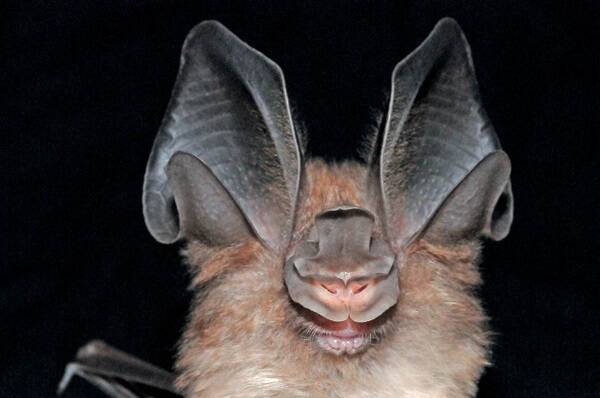
    The species is found in a rocky cave surrounded by agricultural land, 200m from the nearest village. Rhinolophus macroetalis, Rhinolophus mari, Rhinolophus chinensis and Myotis were also collected from the same cave. This species is named Schnitler's Horseshoe Bat in honor of Professor Hans-Ulrich Schnitzler of the University of Tbingen in Germany for his outstanding contributions to the study of horseshoe bats.
    1_九雷图片转换器.jpg

    2_九雷图片转换器.jpg


    At a glance

    Profile Details

    Key characteristics, appearance, and habitat information.

    Traits & Behavior

    It is endemic to China.

    Appearance

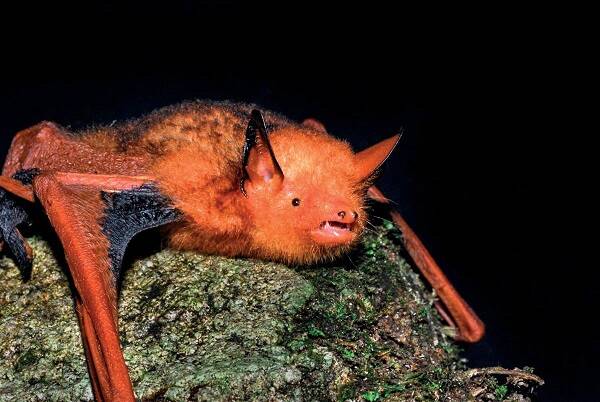
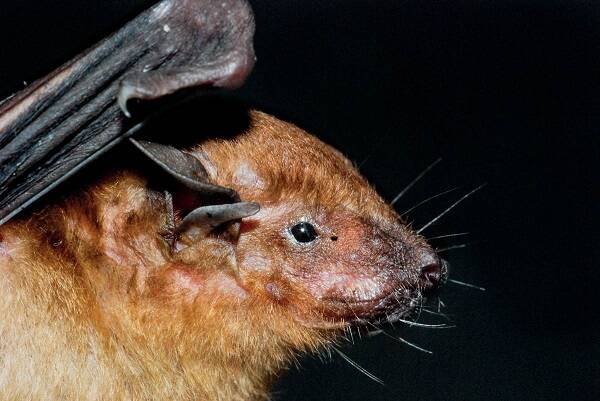
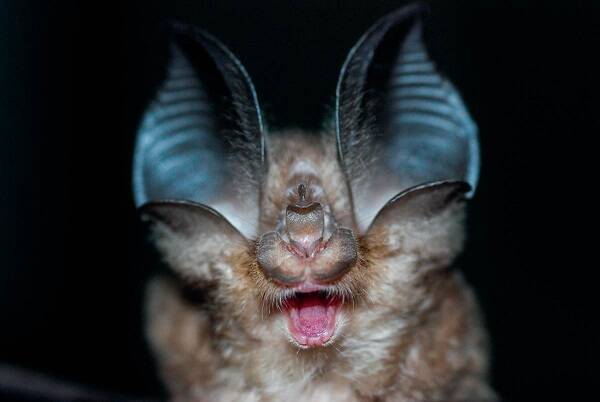
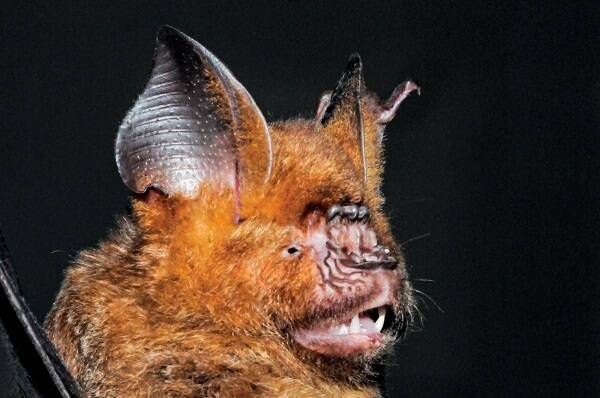
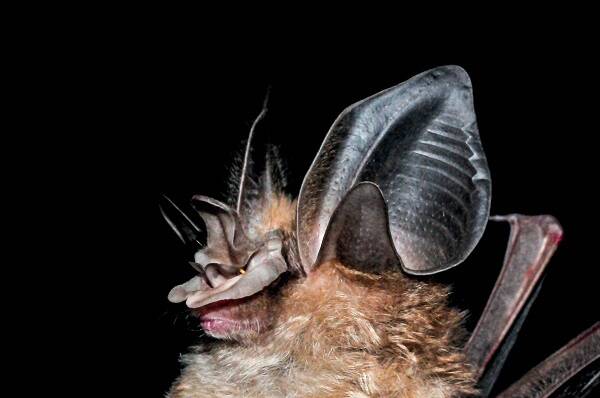
    The body size is larger. The forearm is 58mm long. The total length of the skull is 22mm. The auricle is particularly developed, the tip is blunt, and the tragus is extremely developed. The horseshoe leaves are broad, covering the snout, and have no attached nasal leaves. The interfemoral and alar membranes are brown, the ankle membrane is covered, and the alar membrane is hairless. The tip of the tail protrudes the interfemoral membrane. The dorsal hairs are chestnut and the ventral hairs are light brown.

    Distribution & Habitat

    It is endemic to China. Type specimens (Wu & Thong,2011) were collected from Nitong Cave, Gengjiaying Township, Yiliang, Kunming, Yunnan Province, China, at an altitude of 1550m. It is found only in the type area.
    Advertisement

    Visual guide

    Browse available images of this species.

    Quick answers

    Schnitler’s Horseshoe Bat FAQs