Skip to content
Animals Top
Home>Animals>Mammal>Chiroptera
Animal Profile IUCN: LC

Murina jinchui

Murina jinchui

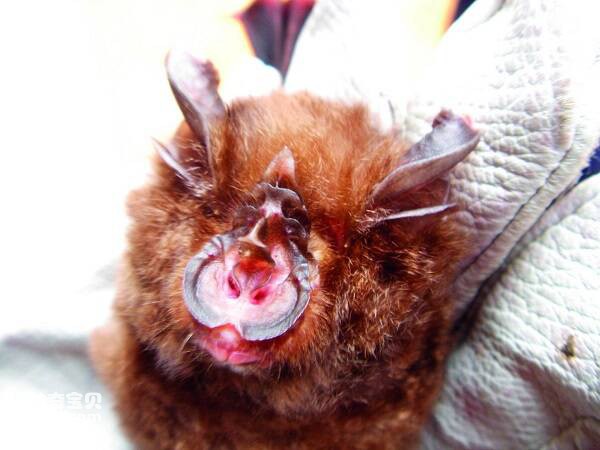
Jinchu tube-nosed bats are small in size and can be distinguished from Northeast tube-nosed bats, white-ventral tube-nosed bats and Fanjingshan tube-nosed bats, which are closely related in phylogenetic analysis. Although similar in size to this species, the first two species have brown-red back hai

Chiroptera 691 views
Scientific Name Murina jinchui
Length
Weight
Lifespan
IUCN Status LC
Advertisement

Table of Contents

    Jinchu tube-nosed bats are small in size and can be distinguished from Northeast tube-nosed bats, white-ventral tube-nosed bats and Fanjingshan tube-nosed bats, which are closely related in phylogenetic analysis. Although similar in size to this species, the first two species have brown-red back hair, golden belly hair, smaller ears, and shorter forearms (Yu et al., 2020).
    1_九雷图片转换器.jpg

    Jinchu tubenose bat is a new species published by Yu et al. (2020) and has only been recorded in the type place, Hetaoping, Wolong, Wenchuan County, Sichuan Province, China.


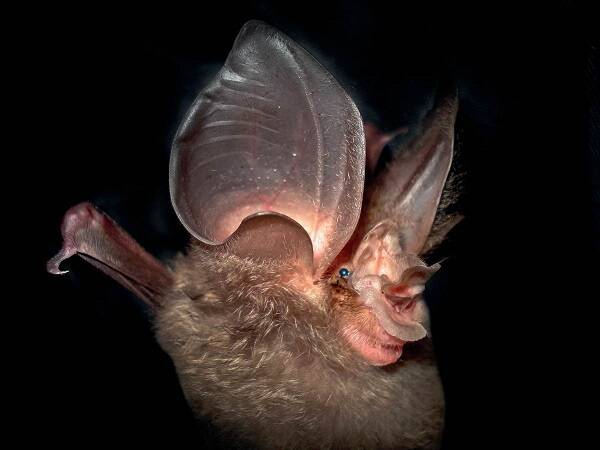
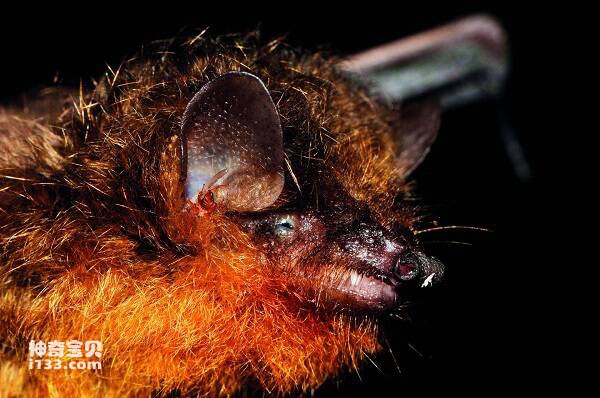
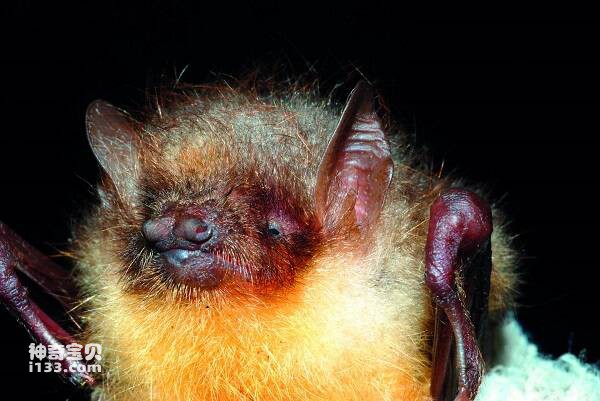
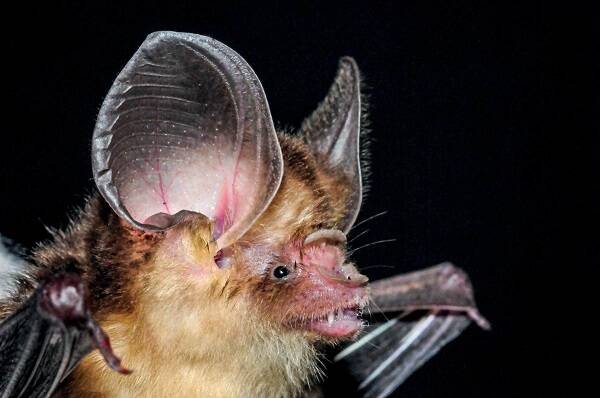
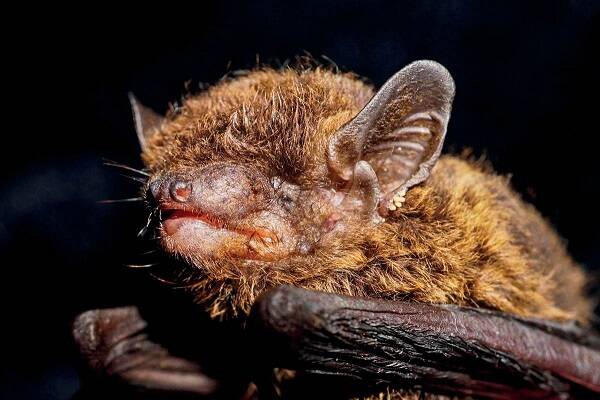
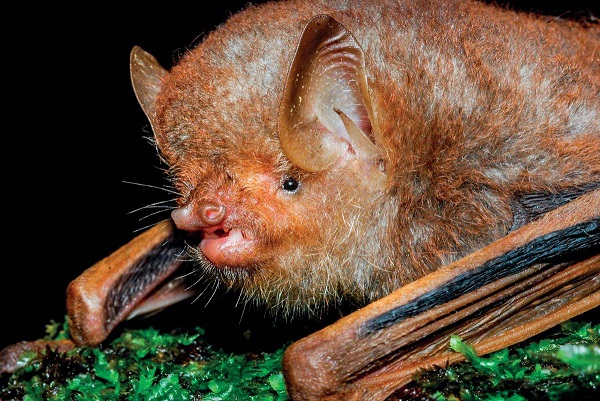
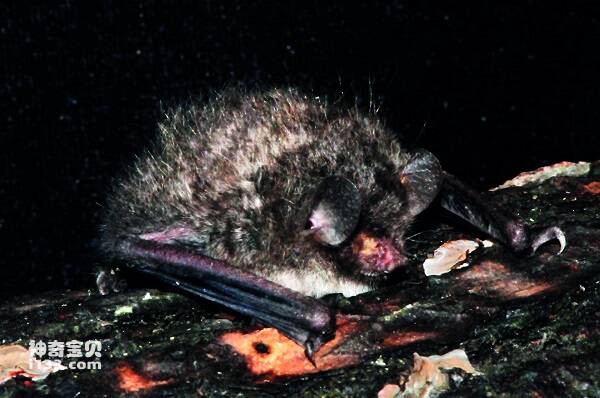
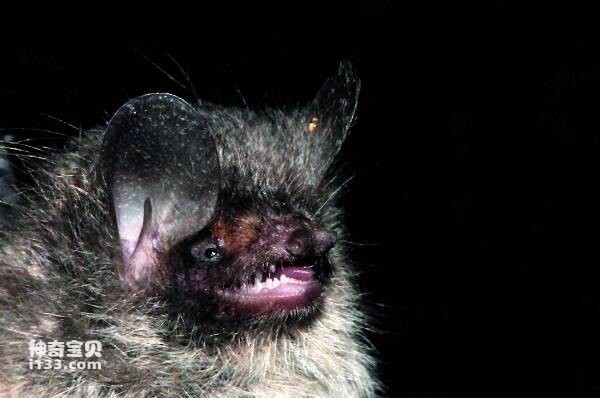
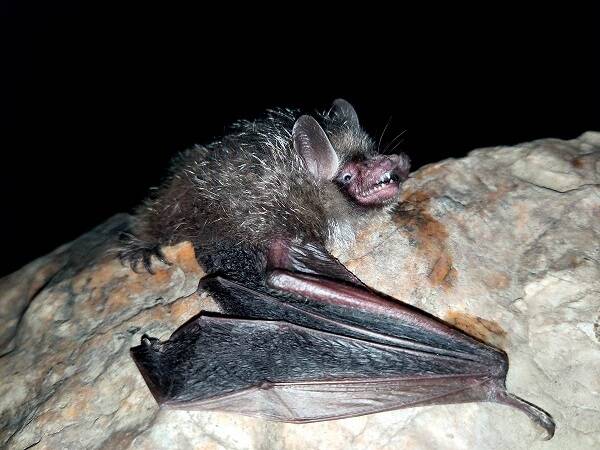
    The tube-nosed bat is small with a forearm length of about 35mm. The front end of the nostrils protrudes into a short tube, and the snout is black. The ears are small, round, unbroken, and long at the tip of the tragus. The base of the back hair is black, the middle brown gray, and the tip is dark brown, making the overall color of the back brown and gray, and spreading longer warm gray hair. The base of the ventral hair is black, the tip is cold gray, and the hair is scattered with golden hair. The hindlimbs and caudal membranes are covered with dark brown hairs especially along the tail and femur. The alar membrane extends to the base of the first toe, the forearm and metacarpal bones are hairless, and the short golden hairs are on the dorsal surface of the thumb. The skull is small, the total length of the skull is 15-17mm, the cranium is slightly enlarged, and the rostrum and its depression are more developed. Sagittal ridge and herringbone ridge are not obvious, zygomatic arch is weak, left and right maxillary teeth retraction forward. Gear type: 2.1.2.3/3.1.2.3=34.
    2_九雷图片转换器.jpg


    At a glance

    Profile Details

    Key characteristics, appearance, and habitat information.

    Traits & Behavior

    The front end of the nostrils protrudes into a short tube, and the snout is black.

    Appearance

    Small body, forearm length about 35mm; The front end of the nostrils protrudes into a short tube, and the snout is black. The ears are small, round, unbroken, and long at the tip of the tragus. The base of the back hair is black, the middle brown gray, and the tip is dark brown, making the overall color of the back brown and gray, and spreading longer warm gray hair. The base of the ventral hair is black, the tip is cold gray, and the hair is scattered with golden hair. The hindlimbs and caudal membranes are covered with dark brown hairs especially along the tail and femur. The alar membrane extends to the base of the first toe, the forearm and metacarpal bones are hairless, and the short golden hairs are on the dorsal surface of the thumb. The skull is small, the total length of the skull is 15-17mm, the cranium is slightly enlarged, and the rostrum and its depression are more developed. Sagittal ridge and herringbone ridge are not obvious, zygomatic arch is weak, left and right maxil

    Distribution & Habitat

    Yu et al. (2020) published a new species, now only recorded in the type place, Wolong Hetaoping, Wenchuan County, Sichuan Province, China.
    Advertisement

    Visual guide

    Browse available images of this species.

    Quick answers

    Murina jinchui FAQs