Skip to content
Animals Top
Home>Animals>Mammal>Chiroptera
Animal Profile IUCN: LC

Myotis adversus

Myotis adversus

According to the literature, Myotis laniger is slightly larger than Myotis laniger, but it is not easily separated in the field identification. Its body size overlaps with the South China Myotis bat. Phylogenetic relationships indicate that it is closely related to Myotis macrot

Chiroptera 671 views
Scientific Name Myotis adversus
Length
Weight
Lifespan
IUCN Status LC
Advertisement

Table of Contents

          According to the literature, Myotis laniger is slightly larger than Myotis laniger, but it is not easily separated in the field identification. Its body size overlaps with the South China Myotis bat. Phylogenetic relationships indicate that it is closely related to Myotis macrotarsus (<M. macrotarsus) and Myotis micropes (<M. hasseltii). It can live in caves, sewers, tunnels, buildings and under Bridges, and occasionally in leaves. Knot small groups, occasionally large groups (up to a thousand or more). Likes to be out on the water.

    China Red Book of Endangered Animals rating: Rare.
    1_九雷图片转换器.jpg

    2_九雷图片转换器.jpg


    At a glance

    Profile Details

    Key characteristics, appearance, and habitat information.

    Traits & Behavior

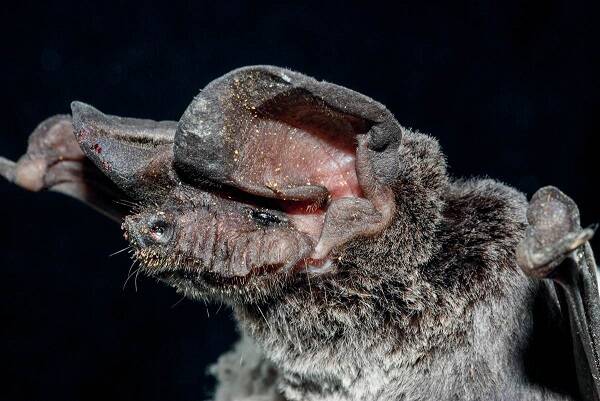
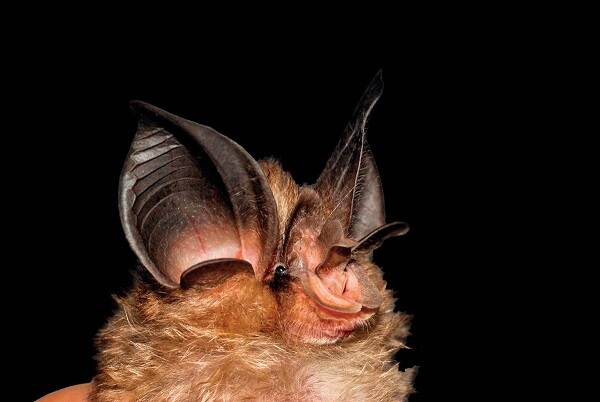
    The auricle is prominent and bare, and the tragus is short and relatively wide.

    Appearance

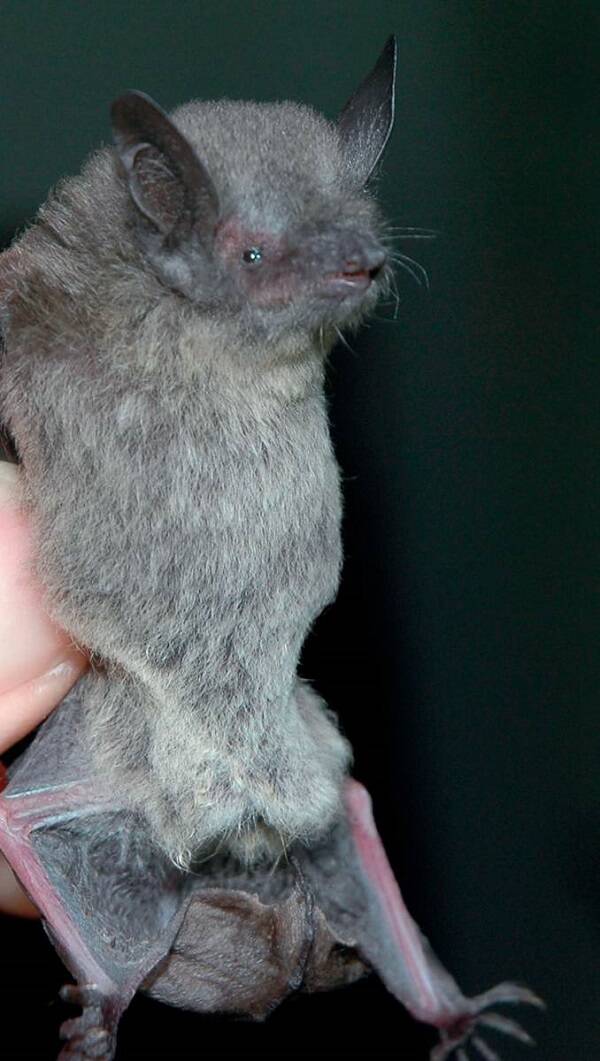
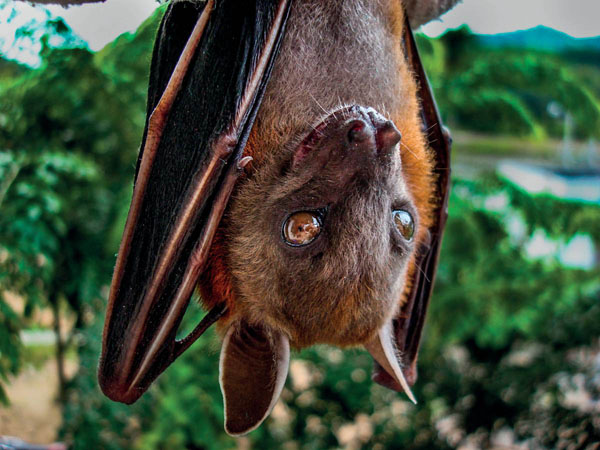
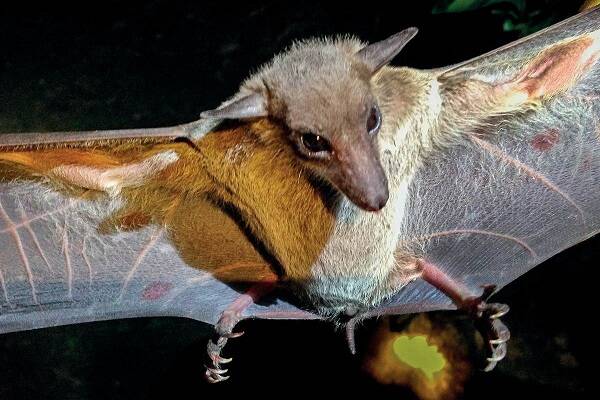
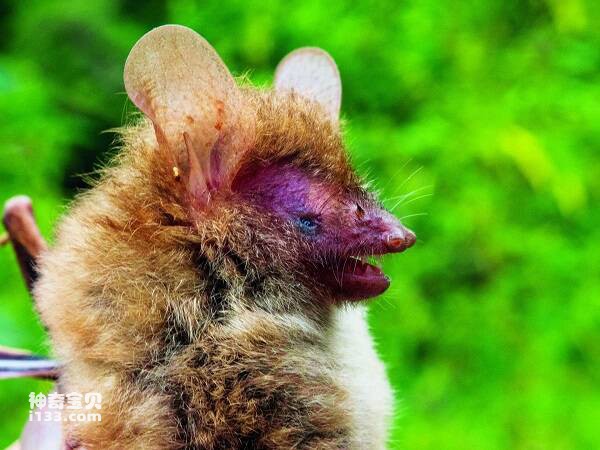
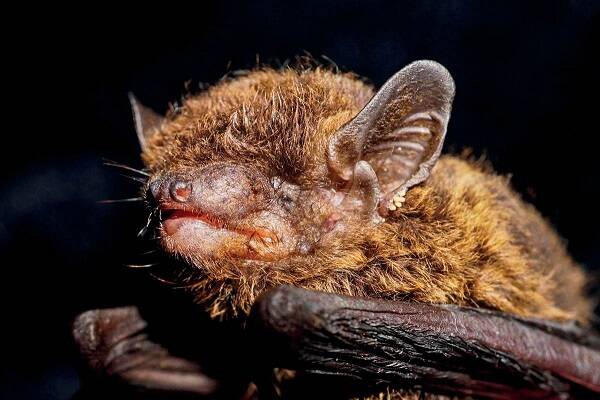
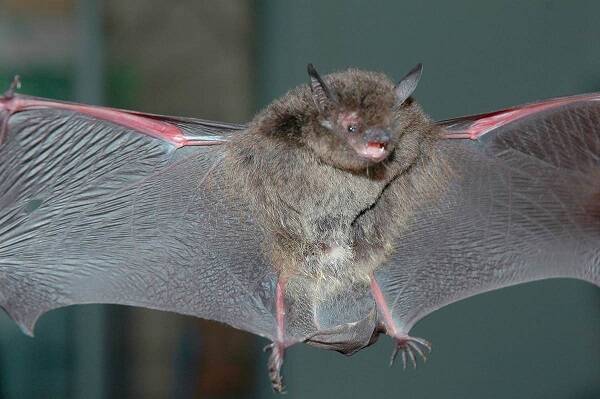
    Medium to small size. Head and body length 49-59mm. Tail length 34-42mm. Forearm length 36-42mm. Hind foot length 7-10mm. The hind foot is longer than half of the tibia, and the outer tibia is hairless. The dorsal hairs are dark brown to black, and the ventral hairs are dark brown with light gray tips near the tail. The alar membrane is attached to the outer plantar, the auricle is prominent and bare, and the tragus is short and relatively wide. The skull is thin, with a shallow slope in the dorsal profile, and a stout snout with a shallow concave center. The third maxillary premolar is located in the dentition or only slightly inserted. Gear type: 2.1.3.3/3.1.3.3=38.

    Distribution & Habitat

    It is found in Guangdong, Hainan and Hong Kong. Foreign distribution spans southeast Asia, including India, Thailand, Myanmar, the Philippines, Laos, Vietnam, Malaysia, and the Indonesian islands of Java, Bali, Sulawesi and Kalimantan.
    Advertisement

    Visual guide

    Browse available images of this species.

    Quick answers

    Myotis adversus FAQs