Skip to content
Animals Top
Home>Animals>Mammal>Chiroptera
Animal Profile IUCN: LC

Kerivoula furva

Kerivoula furva

Dark brown bat is a forest bat. The specimens were collected and captured in the passage of the mixed forest of bamboo forest and evergreen broad-leaved forest using bat harp nets。 Wu et al. (2012) reported Kerivoula titania as the new record for bats in China, using specim
Chiroptera 629 views
Scientific Name Kerivoula furva
Length
Weight
Lifespan
IUCN Status LC
Advertisement

Table of Contents

    Dark brown bat is a forest bat. The specimens were collected and captured in the passage of the mixed forest of bamboo forest and evergreen broad-leaved forest using bat harp nets。 

    1_九雷图片转换器.jpg

         Wu et al. (2012) reported Kerivoula titania as the new record for bats in China, using specimens collected from Hainan and Taiwan.

          Li Feng et al. (2015) reported that Titania painted bat was the new bat record in Jiangxi Province. And Kuo et al., a Taiwanese scholar in China (2017) published a new species of dark brown bat. Yu et al. (2018) analyzed colored bat specimens from Hainan, Jiangxi and other places based on molecular results, and the results showed that the new species of dark brown colored bat from Taiwan were clustered in the same branch, and their morphological characteristics were also very similar, suggesting that they belonged to the same species of bat.


    The taxonomic status of this species with hardwickii (K. hardwickii) remains to be further explored.
    2_九雷图片转换器.jpg


    At a glance

    Profile Details

    Key characteristics, appearance, and habitat information.

    Traits & Behavior

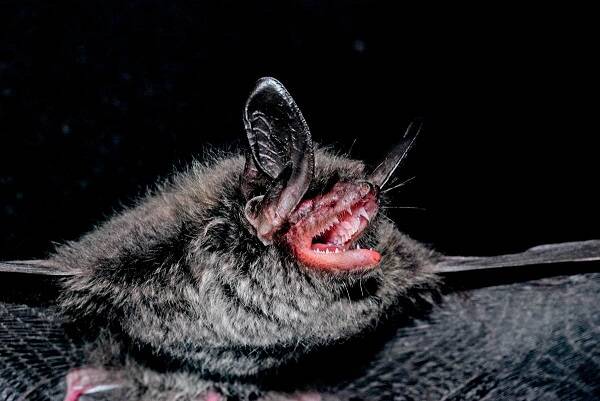
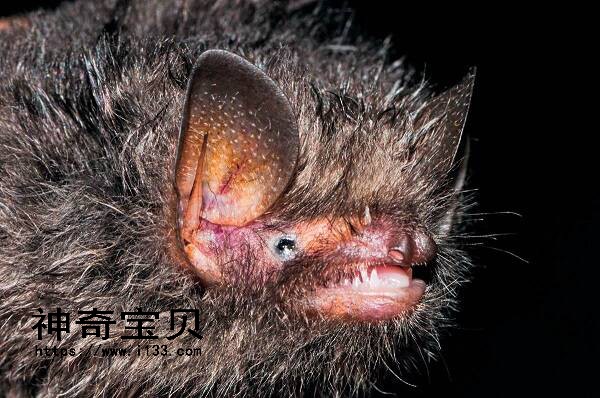
    The auricle is funnel-shaped and the tragus is slightly lanceolate.

    Appearance

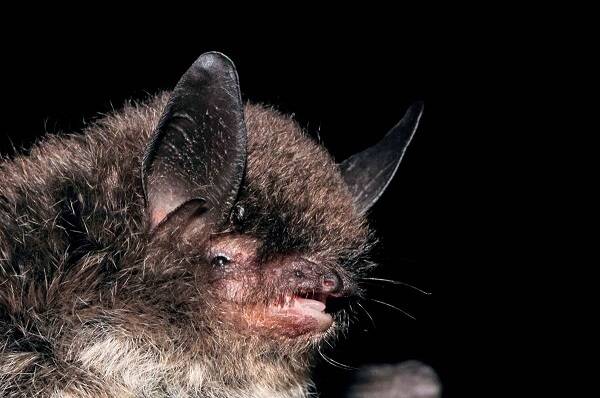
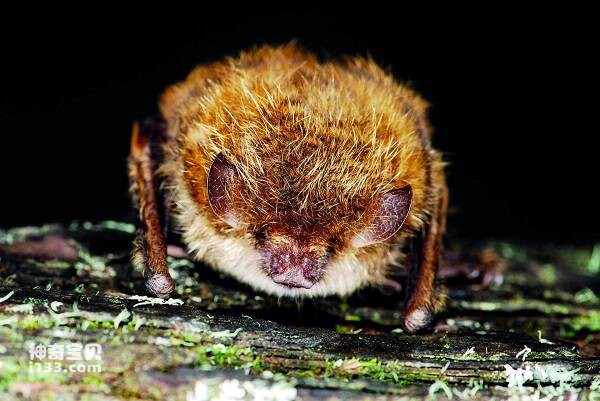
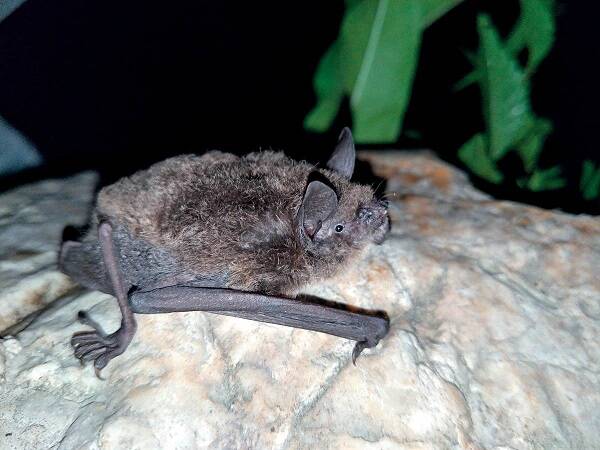
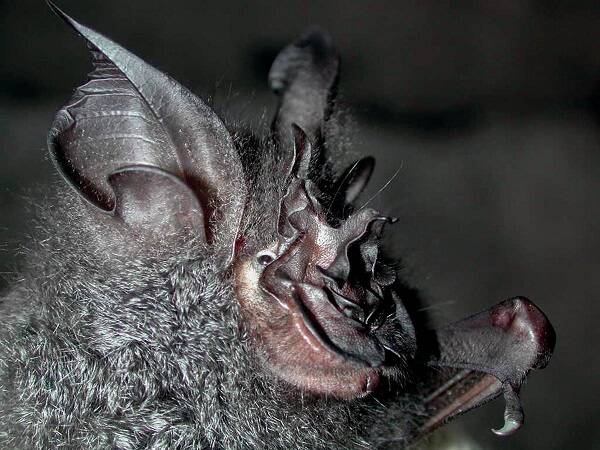
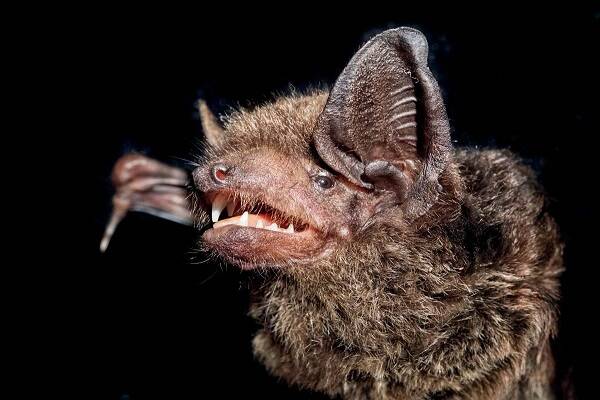
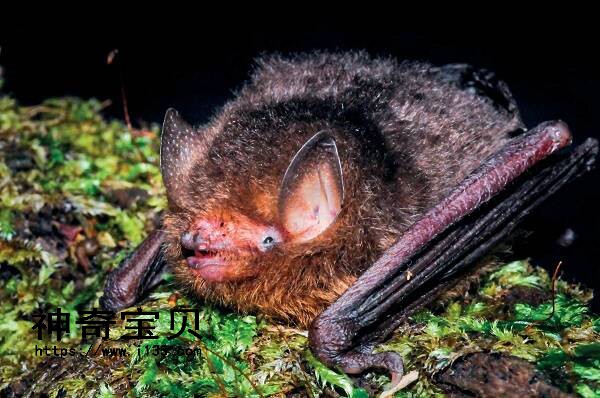
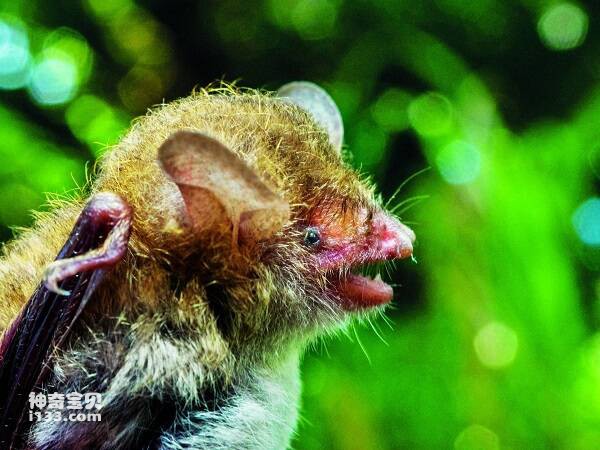
    The body size is smaller. The forearms are 30-34mm long, and the cranial length is 14-15mm. There is no nasal lobe, the auricle is funnel-shaped, and the tragus is slightly lanceolate. The alar membrane and the intercaudal membrane are grey and covered with sparse light hair. The posterior edge of the alar membrane extends to the base of the first toe of the hind foot; The anterior end of the intercaudal membrane stops at the ankle. The dorsal hair is nearly gray, the base of the hair is black, and the tip of the hair is dark gray. The base of the ventral hair is black, and the tip is slightly white and grayish brown.

    Distribution & Habitat

    It is found in Hainan, Taiwan, Guangdong and Jiangxi. It is distributed abroad in Cambodia, Myanmar, Vietnam, Indonesia and other South and Southeast Asian regions.
    Advertisement

    Visual guide

    Browse available images of this species.

    Quick answers

    Kerivoula furva FAQs