Skip to content
Animals Top
Home>Animals>Mammal>Chiroptera
Animal Profile IUCN: LC

Rhinolophus formosae

Rhinolophus formosae

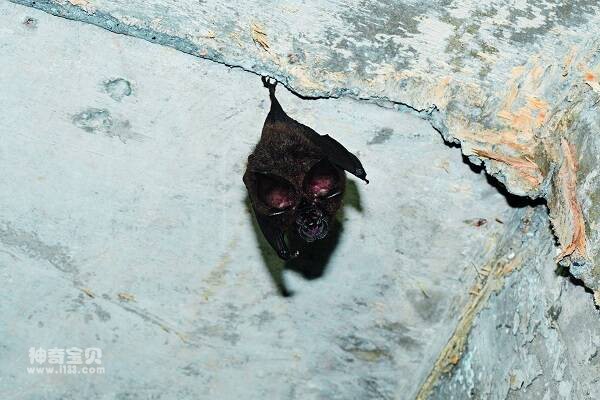
It is a solitary bat, with only one or a few individuals found in a tunnel, cave or tree hole. Use constant frequency narrow-band echolocation (constant frequency) sound waves to detect prey in the environment. It is nocturnal and feeds on insects. It lives deeper in the cave.
Chiroptera 572 views
Scientific Name Rhinolophus formosae
Length 61-72 mm
Weight
Lifespan
IUCN Status LC
Advertisement

Table of Contents

    It is a solitary bat, with only one or a few individuals found in a tunnel, cave or tree hole. Use constant frequency narrow-band echolocation (constant frequency) sound waves to detect prey in the environment. It is nocturnal and feeds on insects. It lives deeper in the cave.
    1_九雷图片转换器.jpg

    2_九雷图片转换器.jpg


    At a glance

    Profile Details

    Key characteristics, appearance, and habitat information.

    Traits & Behavior

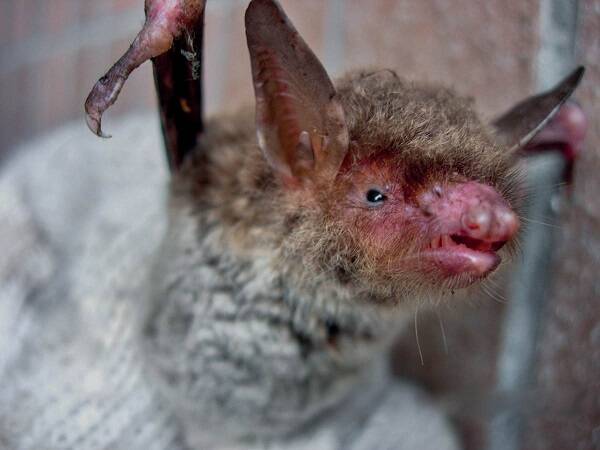
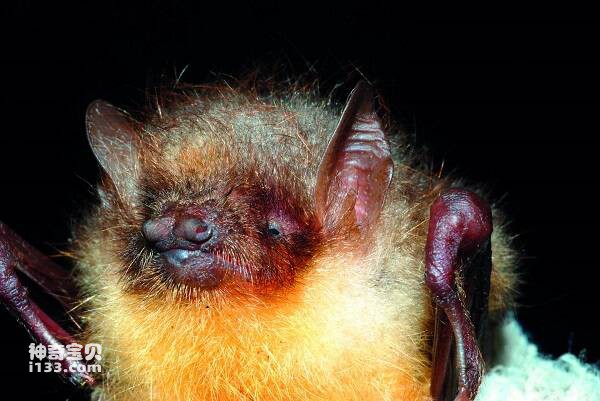
    The lower nasal lobe is horseshoe shaped

    Appearance

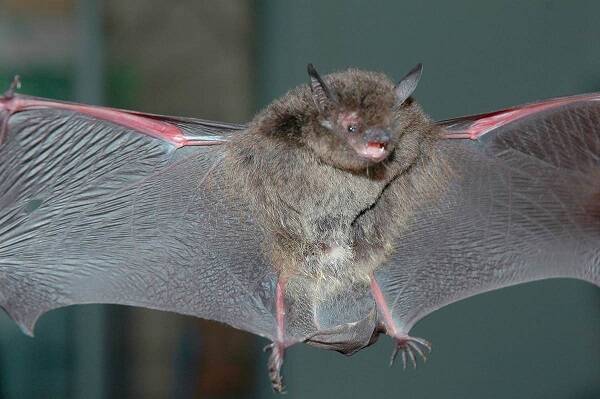
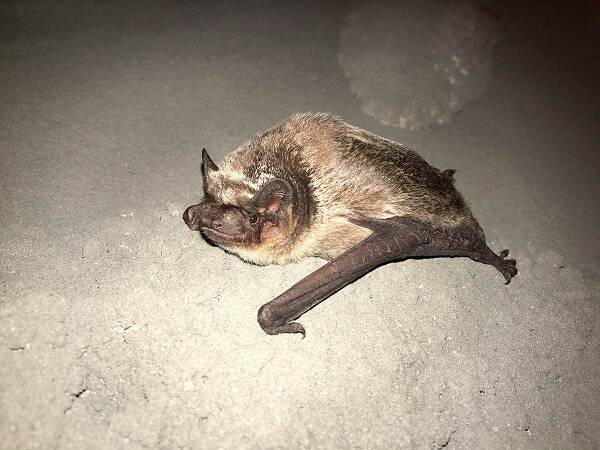
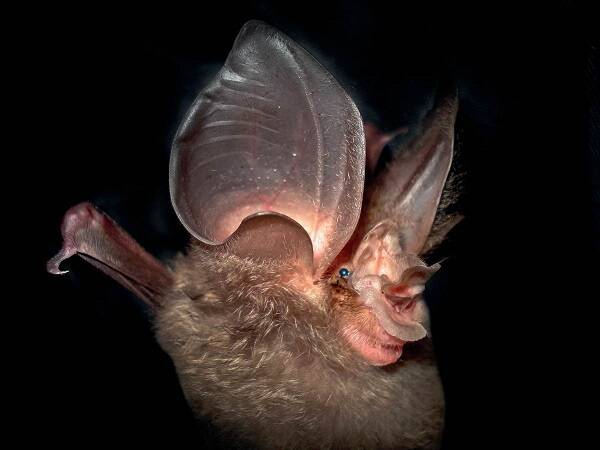
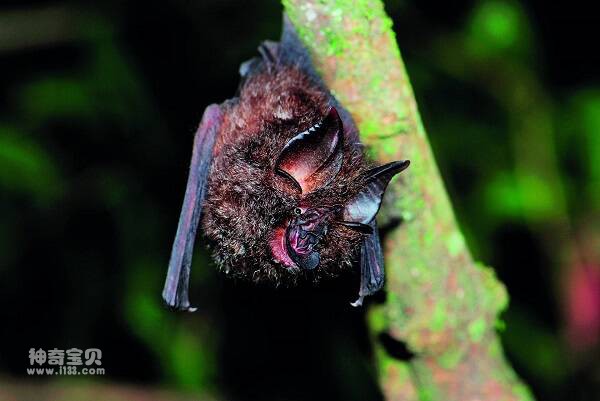
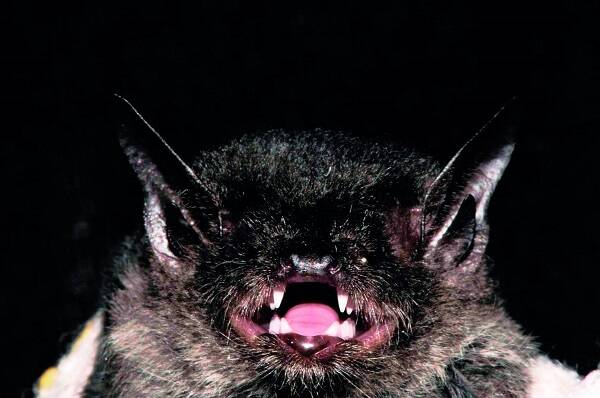
    It is a medium-sized bat with a body length of 61-72mm, a forearm length of 54-64mm, and a tail length of 33-41mm. The nose has upper, middle and lower nasal lobes, the upper nasal lobe is a pointed protrusion, the middle nasal lobe (i.e. saddle leaf and connecting leaf) has a corner vertebral protrusion, and the lower nasal lobe is a horseshoe shaped. Back fur dark brown to black. It has a broad auricle, wide and short across the tragus. The alar membrane is broadly round and extends backward to connect to the base of the toe.

    Distribution & Habitat

    It is endemic to China and only distributed in Taiwan.
    Advertisement

    Visual guide

    Browse available images of this species.

    Quick answers

    Rhinolophus formosae FAQs