Skip to content
Animals Top
Home>Animals>Mammal>Chiroptera
Animal Profile IUCN: LC

Thainycteris torquatus

Thainycteris torquatus

Yellow-necked bats are currently found only in Taiwan, China. Medium bats are 48-65mm long, 40-50mm long forearms, and 35-48mm long tails. The rostral end of the head is obvious. The base of the dorsal hair is black to dark brown, and the dopant tip has golden hair. A yellow or white band of hair fo

Chiroptera 608 views
Scientific Name Thainycteris torquatus
Length 48-65 mm
Weight
Lifespan
IUCN Status LC
Advertisement

Table of Contents

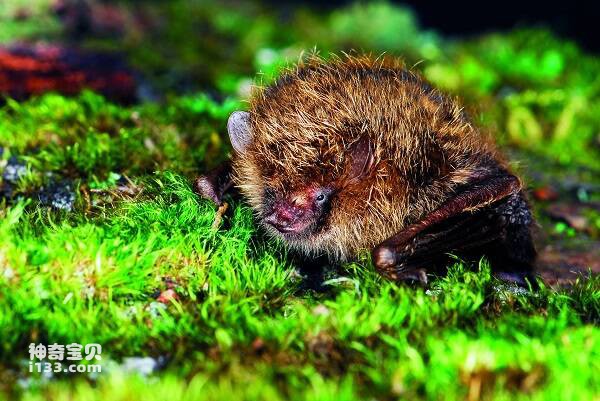
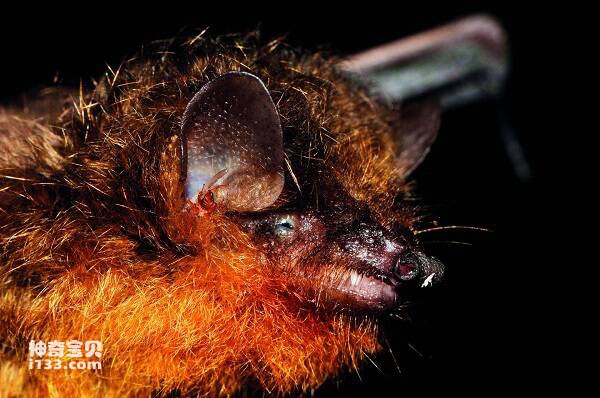
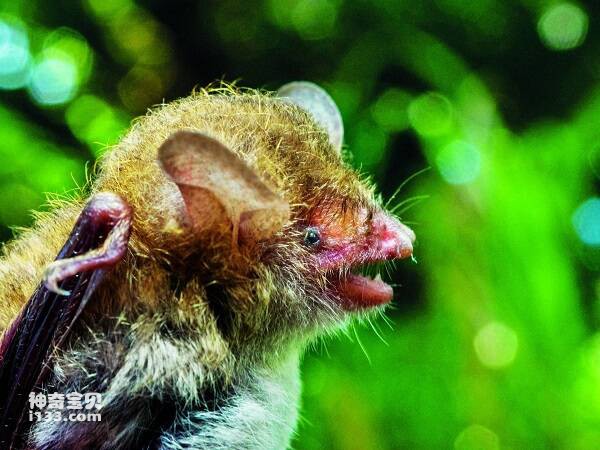
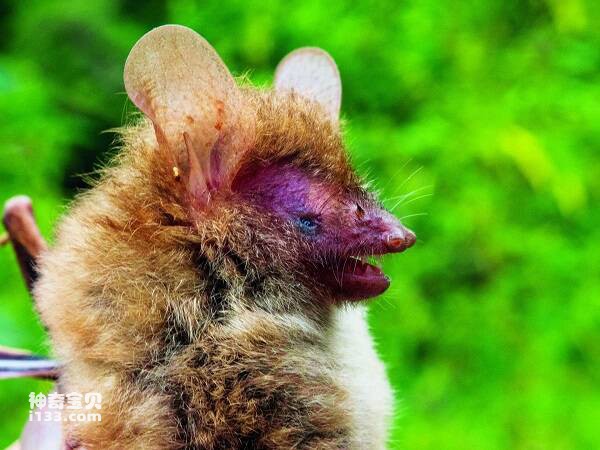
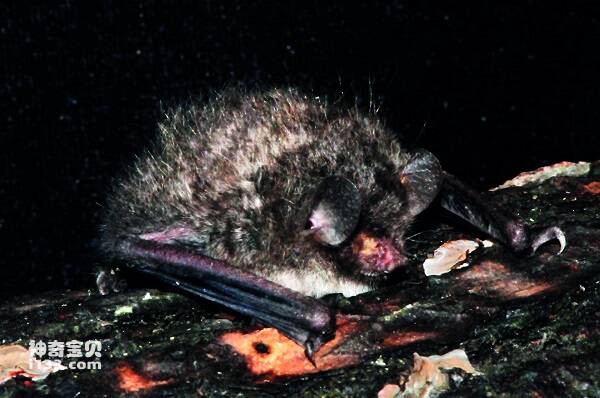
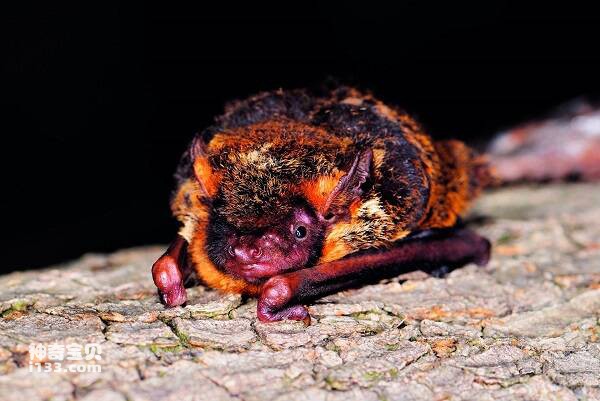
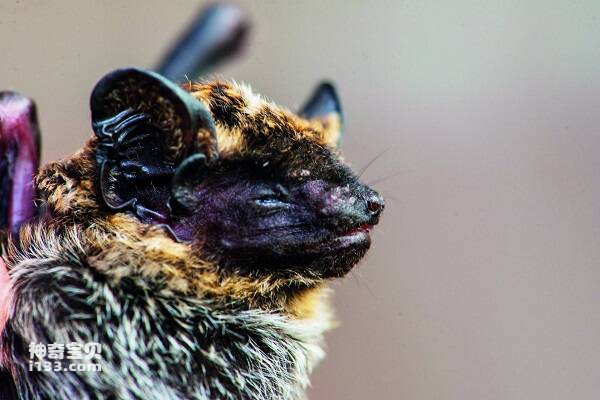
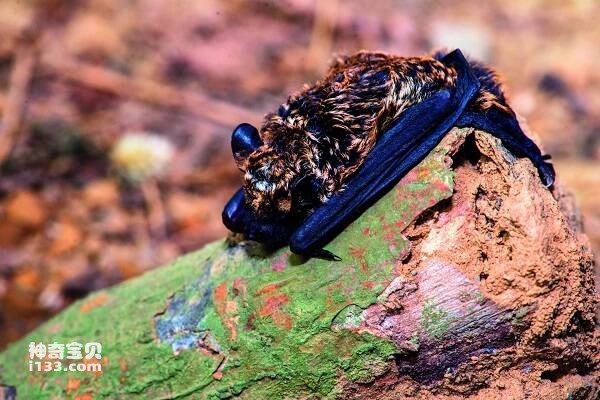
    Yellow-necked bats are currently found only in Taiwan, China. Medium bats are 48-65mm long, 40-50mm long forearms, and 35-48mm long tails. The rostral end of the head is obvious. The base of the dorsal hair is black to dark brown, and the dopant tip has golden hair. A yellow or white band of hair forms from the neck to the chest. The auricle is large, longer than the width of the ear, and the tip is blunt. The tragus is long and narrow, and the membranes extend to both sides and connect to the base of the toe.
    1_九雷图片转换器.jpg

    Yellow-necked bats are typically nocturnal animals, but their main habitat is unknown. Emits typical short-duration and wide-band echolocation sound waves.
    2_九雷图片转换器.jpg

    3_九雷图片转换器.jpg


    At a glance

    Profile Details

    Key characteristics, appearance, and habitat information.

    Traits & Behavior

    It is currently only distributed in Taiwan, China.

    Appearance

    Medium bats are 48-65mm long, 40-50mm long forearms, and 35-48mm long tails. The rostral end of the head is obvious. The base of the dorsal hair is black to dark brown, and the dopant tip has golden hair. A yellow or white band of hair forms from the neck to the chest. The auricle is large, longer than the width of the ear, and the tip is blunt. The tragus is long and narrow, and the membranes extend to both sides and connect to the base of the toe.

    Distribution & Habitat

    It is currently only distributed in Taiwan, China.
    Advertisement

    Visual guide

    Browse available images of this species.

    Quick answers

    Thainycteris torquatus FAQs