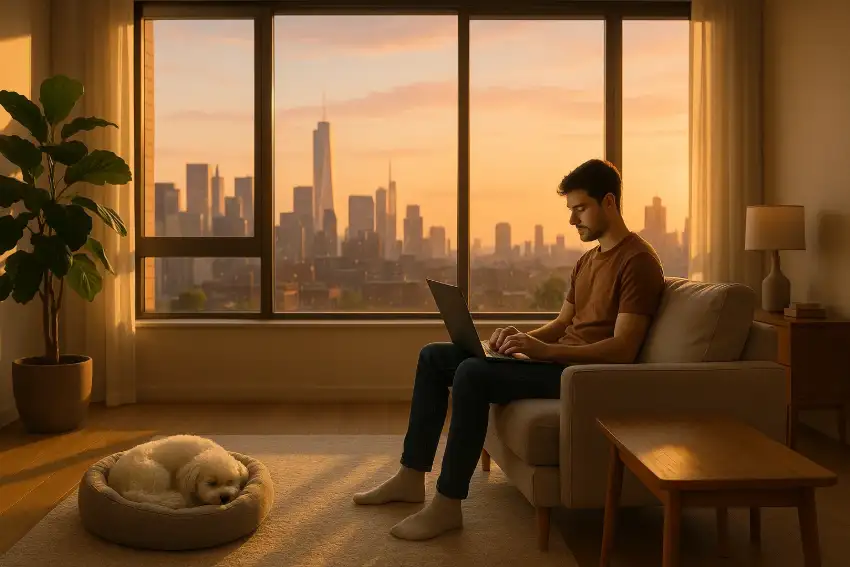
Many people in the US and Europe live in apartments, work long hours and still dream of having a dog. The good news is that you can share a small space with a happy dog – as long as you choose the right kind of companion and set up your lifestyle carefully.
Not every breed is suited to elevators, neighbors and limited outdoor space. Some dogs bark at every sound in the hallway, others shed enough hair to fill the whole apartment, and certain high-energy breeds become frustrated without a big yard.
This guide will help you:
Understand what really makes a good apartment dog
See which breeds are usually quieter and lower-shedding
Discover calm medium-sized breeds for city life
Learn how mixed-breed rescue dogs can be great apartment companions
Get practical tips for keeping dogs and neighbors happy in small spaces
1. What Actually Makes a Good Apartment Dog?
When people say “apartment dog”, they often think “small dog”. Size matters, but it is only one part of the picture. In reality, a good apartment dog is defined more by temperament, energy level and noise than by height.
1.1 Key traits of apartment-friendly dogs
Moderate energy level. They enjoy daily walks but do not need hours of intense exercise.
Low to moderate barking. They are not triggered by every noise, avoiding conflicts with neighbors.
Comfortable spending some time alone. Busy owners need dogs who can relax when home alone, not panic.
Adaptable to new people and sounds. Elevators, traffic, footsteps in the hallway and visitors should not cause constant stress.
Manageable shedding. Low-shedding or easy-to-groom coats make cleaning easier in a small space.
1.2 Traits that can cause problems in apartments
Extremely high energy. Breeds bred for intense work (herding, sledding) may struggle without lots of daily exercise.
Excessive barking or howling. Vocal dogs can quickly annoy neighbors and lead to complaints.
Severe separation anxiety. Dogs who cannot cope when left alone may bark, chew or harm themselves.
Very large size combined with high activity. Some big dogs are calm, but large, hyperactive dogs are difficult in tight spaces.
Remember that every dog is an individual. Breed tendencies are a helpful starting point, but training, socialization and daily routine still make a huge difference.
2. Apartment Dog Checklist for Busy Owners
Before choosing a breed, walk through this simple checklist:
How many hours per day will the dog be alone? Many dogs can handle 4–6 hours with training, but longer periods usually require dog walkers or daycare.
How much time can you realistically spend on exercise? Be honest. If you can only manage 30–45 minutes of walking daily, avoid extreme athletes.
Are your walls thin and neighbors sensitive to noise? This makes quiet breeds and good training extra important.
Are you allergic to pet hair or dust? No dog is truly “hypoallergenic”, but low-shedding breeds can sometimes be easier to live with.
Do you prefer a playful companion or a calm lap dog? Matching energy and personality matters more than looks.
Once you know your limits and preferences, you can start exploring specific breeds that fit your lifestyle.
3. Small, Low-Shedding Dog Breeds for Apartments
Small dogs take up less physical space, usually cost less to feed, and are often allowed in more rental properties. Here are several breeds that many busy apartment owners find manageable.
3.1 Cavalier King Charles Spaniel
Cavaliers are gentle, affectionate and usually friendly with people and other dogs. They:
Are small enough for most apartments
Enjoy cuddling and relaxing on the sofa
Need daily walks and playtime but are not extreme athletes
Their silky coat does shed, and they require regular brushing. They also need close contact with their family; they are not a breed that likes to be ignored in a corner.
3.2 Havanese
The Havanese is a cheerful toy breed originally from Cuba, now popular in cities worldwide. They:
Are small, sturdy and playful
Often considered low-shedding when properly groomed
Adapt well to indoor life with daily walks and play
Their long coat can be kept in a shorter “puppy cut” to make grooming easier. They usually enjoy human company and can be good with children.
3.3 Miniature or Toy Poodle
Poodles are highly intelligent, trainable dogs with curly coats that tend to shed less onto furniture. Miniature and toy sizes in particular are popular apartment pets.
They love learning tricks and mental games.
They need regular grooming to prevent matting.
Good training helps prevent boredom-related barking.
3.4 Bichon Frise
The Bichon Frise is a small, fluffy companion dog with a friendly personality. Many owners appreciate that:
Their curly white coat sheds little but must be brushed and trimmed.
They are playful and sociable without needing extreme exercise.
They usually enjoy city walks and indoor games.
Early training is important so they do not develop “small dog” habits like barking at every noise or visitor.
3.5 Shih Tzu
Shih Tzus were bred mainly as companion dogs, which shows in their behavior. They are:
Typically calm indoors
Happy with moderate daily walks
Suited to people who want a lap dog
Their long coat can be a lot of work; many owners choose a shorter haircut for easier care. Regular eye and face cleaning is also needed.
4. Calm Medium-Sized Breeds That Do Well in Apartments
Surprisingly, some medium-sized dogs are more relaxed indoors than certain tiny but hyperactive breeds. If you prefer a dog that is big enough for outdoor adventures but calm at home, consider these options.
4.1 Greyhound
Greyhounds are often called “40-mph couch potatoes”. Although they can run very fast, most retired racing greyhounds are gentle, quiet and love sleeping on soft beds.
They need daily walks and the chance to stretch their legs.
Indoors, they are usually calm and tidy.
They are often good with respectful children and adults.
Their short coat sheds but is easy to care for. In colder climates they may need a coat or sweater outside.
4.2 Whippet
Whippets are smaller cousins of the greyhound, with similar personalities:
Gentle and affectionate with family
Enjoy zooming around during playtime but sleep a lot afterward
Generally quiet and clean indoors
Like greyhounds, they have thin coats and low body fat, so they need warm bedding and weather protection in cold regions.
4.3 French Bulldog (with health caveats)
French Bulldogs are extremely popular in cities due to their compact size and clownish charm. They:
Have short legs and moderate exercise needs
Are often relaxed and cuddly indoors
Do not require long walks or runs
However, potential owners should research carefully. Many French Bulldogs have breathing and skin issues that can be expensive. It is important to choose a responsible breeder or consider a rescue and to be prepared for possible vet costs.
5. Mixed-Breed Rescue Dogs: Custom-Made Apartment Companions
Purebred dogs are not the only option. Many mixed-breed dogs in shelters and rescues are perfect for apartments:
Staff can often describe their energy level and personality in a home setting.
Adult dogs have more predictable size and temperament than young puppies.
Adoption usually includes vaccinations, microchipping and spay/neuter.
When visiting a shelter, tell the staff you live in an apartment and work full-time. They can help match you with dogs that:
Are relatively quiet
Cope well with alone time
Have moderate exercise needs
A mixed-breed rescue dog may not have a fancy pedigree, but they can be a loving, loyal friend who fits your real life very well.
6. Making Apartment Life Comfortable for Your Dog
Even the best apartment dog breed needs the right routine and environment. Here are practical tips for city living:
6.1 Create a predictable daily schedule
Set fixed times for morning and evening walks.
Feed at regular meals instead of random snacks.
Build short training or play sessions into your routine.
6.2 Provide mental exercise, not just physical
Use puzzle feeders and snuffle mats at mealtimes.
Teach simple tricks like “sit”, “stay”, “touch” and “spin”.
Rotate toys to keep them interesting.
6.3 Manage noise and neighbors
Close windows during loud times if your dog reacts to street sounds.
Reward calm behavior when people pass in the hallway.
Use white noise or soft music to mask sudden noises.
6.4 Plan for toilet breaks
Puppies and young dogs need more frequent trips outside.
Some owners use balcony grass mats or indoor pee pads as backups, but outdoor toilet training is still important.
In busy city centers, choose safe, clean spots away from heavy traffic.
7. How to Choose the Right Apartment Dog for You
At the end of the day, the “best” apartment dog is the one whose needs match your lifestyle, not just your floor plan. Before making a decision, ask yourself:
How much time and energy can I truly give this dog every day?
Do I want an active companion for weekend adventures or a calm couch buddy?
Am I prepared for grooming, training and vet bills over the next 10–15 years?
Research breeds and mixed-breed profiles, visit shelters and responsible breeders, and be honest with yourself. When you find a dog whose temperament, size and energy level fit your reality, apartment life can be joyful for both of you.
A well-chosen, well-cared-for dog does not need a huge house or yard to be happy – just a safe home, clear boundaries, daily walks and a human who genuinely makes time for them.