Even the most loved dog will get sick or injured at some point. In the United States and Europe, modern veterinary medicine can treat many problems very well – but the bills can add up quickly. For many owners, the most stressful part of a vet visit is not only the diagnosis, but also the cost.
Understanding the most common dog health problems and the types of costs they usually create can help you plan ahead, choose the right insurance or savings strategy, and make calmer decisions when something does go wrong.
This guide will walk you through:
Why vet costs vary so much between dogs, clinics and countries
Everyday health problems that most dogs face at least once
Long-term diseases that can affect adult and senior dogs
Serious emergencies that can lead to very high vet bills
How to prepare financially with insurance and savings
Preventive steps that reduce both suffering and expenses
This article is for general education only. It cannot replace a veterinarian who has examined your dog. If your dog seems unwell, contact a vet as soon as possible.
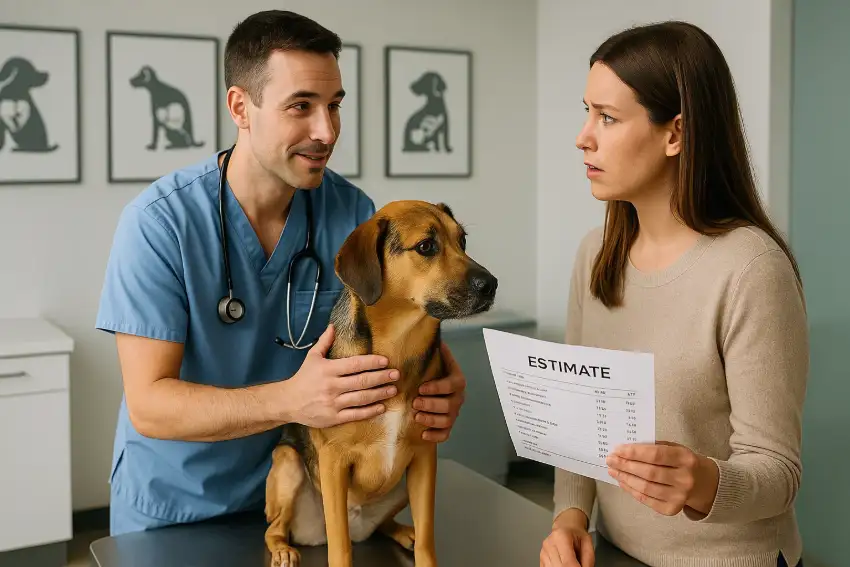
1. Why Dog Health Costs Are So Different From Case to Case
Many owners are surprised that two dogs with “the same problem” can receive different treatments and very different bills. Several factors influence the cost of care in the US and Europe.
1.1 Location and type of clinic
City vs rural. Clinics in big cities usually have higher rent, staff and equipment costs, which are reflected in their prices.
General practice vs specialty hospital. Board-certified specialists and 24/7 emergency hospitals often charge more than small local clinics.
Country and region. Prices vary widely between countries and even between neighboring regions in Europe.
1.2 How early the problem is caught
Minor problems caught early can often be solved with a simple exam and basic treatment. The same issue, left untreated, can turn into an emergency or long-term disease that costs much more to manage. This is one reason routine check-ups are so valuable.
1.3 Dog size, age and breed
Size. Large and giant dogs generally need higher doses of medications and anesthesia, which increases costs.
Age. Senior dogs are more likely to have multiple conditions at once, making diagnosis and treatment more complex.
Breed. Some breeds are prone to specific health issues that may require expensive surgeries or lifelong medication.
1.4 Owner choices
Many conditions have more than one treatment option. For example, a torn ligament in the knee might be managed with strict rest and pain relief in some cases, or with advanced surgery in others. Your goals, budget and your vet’s recommendations all play a role in the final cost.
2. Everyday Dog Health Problems (and Typical Care)
These are the problems vets see every day in both the US and Europe. They are usually treatable and rarely life-threatening, but they can still affect your dog’s comfort and your wallet.
2.1 Upset stomach: vomiting and diarrhea
Many dogs experience episodes of vomiting or diarrhea from eating something unusual, sudden food changes, stress or mild infections.
A typical vet visit for stomach upset may include:
Physical exam and history (what the dog ate, when symptoms started)
Anti-nausea and anti-diarrhea medications
Fluids under the skin to prevent dehydration in some cases
Special bland diet for a few days
Costs increase when:
Blood tests, X-rays or ultrasound are needed to rule out poisoning, foreign objects or serious disease
The dog must stay in the clinic for IV fluids and monitoring
2.2 Ear infections
Ear infections are very common, especially in floppy-eared dogs or those with allergies. Signs include head shaking, scratching at the ears, redness, discharge and odor.
Typical treatment includes:
Ear exam with an otoscope
Cleaning the ear canal
Ear drops with antibiotics, antifungals and/or anti-inflammatory ingredients
Sometimes a swab for microscopic examination to identify yeast or bacteria
Repeated ear infections may require allergy testing, diet changes or long-term management, which adds to overall costs.
2.3 Skin allergies and hot spots
Itchy skin, red patches and hair loss are everyday problems in many dogs. Causes include environmental allergies, food sensitivities, parasites or infections.
A typical vet visit may involve:
Examining the skin and history of itching
Skin scrapings or tape tests to check for mites, bacteria or yeast
Medications such as anti-itch tablets, antibiotics or medicated shampoos
Flea and tick control if parasites are involved
Chronic allergies can become one of the more expensive “everyday” problems because they require repeated visits and sometimes lifelong medication or special diets.
2.4 Minor wounds, cuts and sprains
Dogs cut their paws on glass, scratch themselves on fences, or twist a leg during play. The cost of care depends heavily on the severity:
Small, superficial wounds may just need cleaning and basic care.
Deeper cuts may require sedation, stitches and antibiotics.
Sprains might need pain relief, rest and sometimes X-rays to rule out fractures.
Quick treatment reduces infection risk and often lowers overall cost compared with waiting until the wound becomes worse.
2.5 Dental tartar and mild dental disease
Bad breath is not “normal” – it often means dental disease. Mild cases may be managed with:
Professional dental cleaning under anesthesia
Polishing and scaling to remove tartar
Home care such as brushing and dental chews afterward
Dental cleanings are not cheap, but delaying them can lead to loose teeth, pain and infections that are much more expensive and uncomfortable to treat later.
3. Long-Term and Chronic Dog Health Problems
Some conditions don’t just involve a single visit – they turn into long-term relationships between owner, dog and vet. These usually become the major contributors to lifetime health costs.
3.1 Arthritis and joint problems
Arthritis is extremely common in older dogs and in some large breeds. Signs include stiffness after rest, reluctance to jump or climb stairs, and slower walks.
Management may involve:
Daily pain relief and anti-inflammatory medications
Joint supplements and special diets
Weight management and controlled exercise
Occasional X-rays or blood tests to monitor joint health and medication side effects
In some cases, advanced treatments like joint injections or surgery
Because arthritis often lasts for years, even moderate monthly costs can add up significantly over time.
3.2 Obesity and related diseases
Overweight dogs are at higher risk of diabetes, joint disease, breathing problems and some cancers. The cost of obesity is not just food – it is the increased chance of many other illnesses.
Treatment involves:
Weight-loss diets and portion control
More frequent vet check-ups
Management of any secondary diseases that develop
Preventing obesity with proper diet and exercise is one of the simplest ways to avoid future vet bills.
3.3 Endocrine diseases: diabetes and thyroid problems
Hormonal diseases like diabetes and thyroid imbalances are common in middle-aged and senior dogs.
Diabetes often requires daily insulin injections, special diets and regular blood and urine tests.
Hypothyroidism (underactive thyroid) is usually treated with daily tablets and periodic blood testing.
Once stabilized, many dogs live good lives with these conditions, but owners must be prepared for the ongoing commitment of medication and monitoring.
3.4 Heart disease
Heart problems are especially common in some small and large breeds. Early signs may include coughing, reduced stamina and breathing changes.
Costs may include:
Diagnostic imaging such as chest X-rays and ultrasound (echocardiography)
Long-term medications to support heart function and reduce fluid buildup
Regular recheck visits and repeat tests
Catching heart disease early allows treatment to start sooner, which can improve quality of life and sometimes lower overall costs by avoiding crises.
3.5 Kidney and liver disease
The kidneys and liver filter toxins from the body. When they struggle, the dog may lose weight, drink and urinate more, or seem nauseous.
Management often includes:
Blood and urine tests to track organ function
Special prescription diets
Medications to reduce nausea, control blood pressure or support organ function
Occasional hospitalization for fluid therapy in advanced stages
These conditions tend to develop in older dogs and require patient, long-term care.
3.6 Cancer
Cancer is unfortunately common in dogs, especially as they age. Types range from slow-growing skin tumors to aggressive internal cancers.
Costs can vary widely depending on:
Whether surgery is possible
Use of chemotherapy or radiation therapy
Need for imaging such as X-rays, ultrasound or CT scans
Supportive medications for pain and side effects
Some owners choose full treatment; others focus on comfort and quality of life. Discussing options honestly with your vet helps you choose a plan that fits both your heart and your budget.
4. Serious Emergencies and High-Cost Situations
Emergencies can happen anytime: a car accident, a sudden collapse, a poisoning, a twisted stomach. These situations often require immediate, intensive care – and they are where vet bills can reach their highest levels.
4.1 Trauma and accidents
Road accidents, falls from heights or serious dog fights can lead to broken bones, internal bleeding and shock. Emergency treatment may involve:
Emergency exam and stabilization
Pain relief and IV fluids
X-rays, ultrasound or CT scans
Surgery and hospitalization for monitoring
4.2 Gastric dilatation-volvulus (“bloat”)
Large, deep-chested dogs are at risk of a condition where the stomach fills with gas and can twist. This is a life-threatening emergency requiring:
Immediate stabilization
Emergency surgery
Intensive care afterward
This type of case often creates one of the most expensive single vet bills in a dog’s life – one reason some owners choose preventive stomach-tacking surgery for high-risk breeds.
4.3 Poisoning and toxic exposures
Dogs may eat chocolate, grapes, xylitol (a sweetener), rat poison, household chemicals or human medications. Treatment depends on the substance and the time since exposure, and may include:
Inducing vomiting (only when safe to do so)
Activated charcoal to bind toxins
Blood tests to check organ damage
Antidotes when available
Hospitalization for monitoring and supportive care
4.4 Intestinal blockage
Many dogs swallow toys, socks, stones or bones that cannot pass naturally. Signs include repeated vomiting, lack of appetite and abdominal pain.
Treatment often requires:
X-rays or ultrasound
Surgery to remove the object
Hospitalization and pain management afterward
This is another example of a single event that can produce a very large bill.
5. Preparing Financially: Insurance, Savings or Both?
Knowing that these problems exist is one thing; being able to pay for them is another. Dog owners in the US and Europe usually choose one or more of these strategies:
5.1 Pet insurance
A good accident-and-illness policy can:
Reduce the financial shock of major emergencies
Help cover long-term diseases such as diabetes or arthritis
Make it easier to choose the best treatment instead of only the cheapest
Insurance works best when started while the dog is still young and healthy, before pre-existing conditions appear. It does not remove all costs, but it can make them more manageable.
5.2 Dedicated emergency savings fund
Some owners prefer to “self-insure” by:
Setting aside money each month in a separate savings account
Using that fund only for vet emergencies
This method requires discipline and may not be enough for very large or multiple emergencies, but it avoids paying premiums to an insurance company.
5.3 Hybrid approach
Many people combine both:
A pet insurance plan with a moderate deductible and reimbursement rate
A smaller savings buffer for deductibles, exclusions and routine care
This approach can balance predictable premiums with flexibility for smaller expenses.
6. Preventive Care: The Health Investments That Pay Off
Not every disease can be prevented, but many common dog health problems become less likely – or less severe – with good preventive care.
6.1 Regular vet check-ups
Annual or twice-yearly wellness visits allow your vet to:
Catch early signs of disease before they become crises
Adjust diet and exercise recommendations as your dog ages
Update vaccines and parasite prevention
6.2 Vaccines and parasite control
Vaccines protect against life-threatening infections. Flea, tick and worm prevention reduces the risk of parasites that can cause anemia, skin disease and serious infections.
6.3 Weight control and exercise
Keeping your dog lean may be the single most powerful step you can take to:
Protect joints and reduce arthritis pain
Lower the risk of diabetes and heart disease
Improve overall quality and length of life
6.4 Dental care
Brushing your dog’s teeth, offering appropriate dental chews and scheduling dental cleanings when needed can prevent painful infections and tooth loss – and can also reduce the risk of bacteria spreading to other organs.
6.5 Safe environment and supervision
Simple habits can prevent many accidents:
Keeping trash and toxins out of reach
Using leashes or secure fences near roads
Choosing safe toys and monitoring play
These things may feel small day-to-day, but over years they can mean fewer emergencies and lower lifetime costs.
7. Final Thoughts: Plan for Problems, Enjoy Every Day
Reading about illnesses and vet bills is not fun, but it is part of responsible dog ownership. Common health problems – from simple ear infections to chronic arthritis or sudden emergencies – are easier to face when you:
Know what signs to watch for
Understand that costs can vary and why
Have a financial plan in place before problems appear
Talk with your veterinarian about your dog’s specific risk factors, your budget and your concerns. Together, you can create a plan that balances good medical care with financial reality.
Most importantly, remember why you are preparing: so you can spend less time worrying about “what if” and more time enjoying walks, games, road trips, quiet evenings and all the small moments that make life with a dog so special.