Cats have a reputation for being “low-maintenance” pets – quiet, independent, and cheaper than dogs. In many ways, that’s true. But in the US and Europe, the real yearly cost of a cat still surprises a lot of new owners, especially when they add up food, litter, vet care and the occasional emergency.
If you’re thinking about adopting a cat (or already live with one), it helps to understand not just the price of a litter box and a bag of food, but the full yearly picture. That way, you can give your cat a good life without constant money stress.
In this guide, we’ll look at:
The difference between first-year and typical yearly costs
Average yearly costs for indoor vs outdoor cats
Where your money actually goes: food, litter, vet care, insurance and more
How multi-cat households change the math
Budget tips that save money without harming your cat’s wellbeing
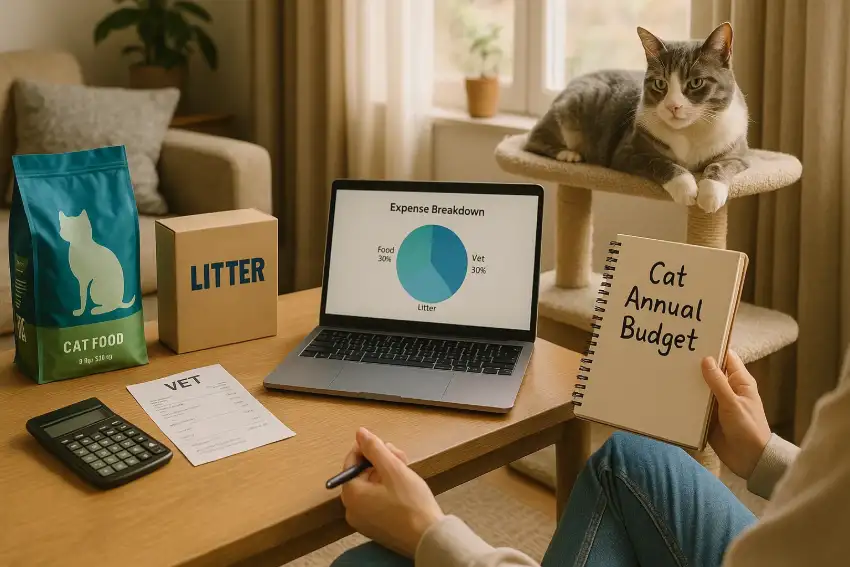
1. First-Year Costs vs Typical Yearly Costs
Just like with dogs, the first year with a cat is usually more expensive than the years that follow. Many big, one-off expenses happen at the beginning.
1.1 Why the first year is more expensive
First-year costs often include:
Adoption fee or purchase price
Initial vaccines and boosters
Spay/neuter surgery (if not already done)
Microchipping and registration (where required)
Starter supplies: litter box, litter scoop, bed, bowls, scratching post, carrier, toys
Initial deworming and flea/tick control
Kittens also need:
Several vet visits for their vaccination series
More frequent food purchases as they grow
Extra cleaning supplies for accidents or training
1.2 Later years: more stable, then more medical
Adult years (around 1–8): Costs stabilize around food, litter, routine vet care and occasional extras.
Senior years (often 8+): Vet visits and medications usually increase as age-related diseases appear.
When you plan your budget, think in decades, not months. A healthy indoor cat can easily live 14–18 years or more – which is wonderful, but also a long-term financial commitment.
2. Indoor vs Outdoor Cats: Different Risks, Different Costs
Whether your cat lives totally indoors, has supervised outdoor time, or roams freely makes a big difference to yearly costs.
2.1 Indoor-only cats
Typical characteristics:
Lower risk of traffic accidents and fights
Lower exposure to parasites and infectious diseases
Higher reliance on you for enrichment and exercise
Financially, indoor cats often have:
Lower emergency and trauma costs on average
Higher spending on litter and indoor enrichment (toys, scratching posts, climbing trees)
2.2 Outdoor or indoor/outdoor cats
Outdoor access changes the picture:
More risk of fights with other cats, dog attacks or car accidents
More exposure to fleas, ticks, worms and viruses
Potential for getting lost or injured far from home
Financially, outdoor cats may have:
Higher vet costs for wounds, infections and parasite treatments
Occasional big emergency bills after accidents or fights
Some owners choose a compromise: secure balconies (“catios”), harness walks or fenced gardens, which reduce risk but may require up-front investments in safety.
3. Yearly Cost Categories: Where the Money Really Goes
Instead of chasing one “average number”, it’s more useful to understand the main cost categories and how they change with your cat’s lifestyle.
3.1 Food and treats
Food is one of the largest continuous costs, even for a small animal like a cat.
Type of food: Dry, wet or a mix; veterinary or special diets cost more.
Quality level: Very cheap foods can be false savings if they contribute to obesity or health problems. Ultra-premium boutique brands may be more about marketing than real benefit.
Many indoor adult cats eat relatively small portions, so even good-quality food can be affordable if you:
Measure portions instead of free-feeding large amounts
Limit high-calorie treats and human snacks
Adjust feeding based on your vet’s advice and your cat’s body condition
3.2 Litter and litter supplies
Litter is the biggest ongoing cost that dog owners never face.
Most indoor cats use litter for their entire life.
Costs depend on litter type (clumping, silica, plant-based, wood pellets) and brand.
Multi-cat households need more boxes and more litter changes.
It’s easy to underestimate how much you’ll spend on litter over 10–15 years; it can rival or even exceed food costs for some cats.
3.3 Routine vet care
Even healthy indoor cats need:
Annual or semi-annual wellness exams
Vaccine boosters according to local risk and laws
Regular parasite control (especially for outdoor cats)
Dental checks and occasional teeth cleanings
Vet prices vary by country and city, but cats are generally cheaper to treat than medium or large dogs because they weigh less and need lower doses of medications and anesthesia.
3.4 Emergency and illness care
The unpredictable part of your yearly budget comes from:
Urinary blockages (a true emergency, especially in male cats)
Injuries from falls, bites or car accidents
Sudden illnesses like pancreatitis or severe infections
Chronic conditions like kidney disease, hyperthyroidism or diabetes as cats age
One major emergency can equal or exceed a typical yearly cost by itself. This is why many cat owners consider pet insurance or a dedicated emergency savings fund.
3.5 Pet insurance (optional but important to consider)
If you choose to insure your cat, yearly premiums become a significant, but predictable, part of your budget. Insurance can:
Help with large bills for surgery, hospitalization or long-term illness
Reduce the financial shock of rare but expensive events
Cats often have lower premiums than dogs, especially if insured young and kept indoors, but the value depends on policy terms and your own risk tolerance.
3.6 Grooming and coat care
Many short-haired cats groom themselves effectively and only need:
Regular brushing at home to reduce shedding and hairballs
Occasional nail trims (DIY or at the vet/groomer)
Long-haired or thick-coated cats may need:
More frequent brushing to prevent painful mats
Occasional professional grooming if mats become severe
Overall, grooming costs for cats are usually lower than for many dogs, unless there are special coat or skin issues.
3.7 Toys, scratching posts and enrichment
Enrichment is not just a luxury; it helps prevent stress-related behavior and health issues.
Scratching posts or boards (essential to protect furniture and keep claws healthy)
Toys (wand toys, balls, tunnels, puzzle feeders)
Vertical space (cat trees, shelves, window perches)
These items last different lengths of time, but you should expect a modest, recurring yearly cost to keep your cat mentally and physically stimulated.
4. Multi-Cat Households: Sharing and Multiplying Costs
Many people don’t stop at one cat – and in some ways, two cats can be easier than one. But how does that change yearly costs?
4.1 Costs that scale almost linearly
Some costs go up almost one-to-one with each additional cat:
Food and treats
Litter (more cats = more boxes and more frequent changes)
Routine vet care (each cat needs its own exams and vaccines)
Insurance premiums (one policy per cat)
4.2 Costs that can be shared
Other items can be shared, especially after the first cat:
Cat trees and scratching posts
Carrier (if suitable size and used for separate trips)
Toys and enrichment items
Heating and general household costs
4.3 Hidden multi-cat costs
More litter boxes (the common rule: number of cats + 1 boxes)
More potential for conflict, leading to behavior consults or medical checks for stress-related issues
Higher chance that at least one cat develops an expensive medical issue over the years
Multi-cat homes can be wonderful, but the total yearly cost can climb quietly. It’s wise to budget for the “whole group”, not just one cat at a time.
5. Senior Cats: When Yearly Costs Often Rise
Cats are living longer than ever, and that’s good news – but also means more years of senior care.
5.1 Common senior cat health issues
Older cats are more likely to develop:
Chronic kidney disease
Hyperthyroidism
Arthritis and joint pain
Dental disease
Diabetes
5.2 How senior conditions affect yearly costs
More frequent vet exams (often twice a year or more)
Regular blood and urine tests to monitor organ function
Daily medications (thyroid tablets, pain relief, blood pressure drugs, insulin)
Prescription diets for kidney, urinary or digestive support
These costs can turn a previously “cheap” cat into a more expensive companion late in life. Planning this into your long-term budget makes the transition easier.
6. Budget Tips: How to Control Cat Costs Without Cutting Corners
You don’t need to be rich to give a cat a happy life. You do need to spend wisely and plan for the long term. Here are practical ways to save money without hurting your cat’s wellbeing.
6.1 Invest in prevention
Keep vaccines and parasite prevention up to date.
Spay/neuter to prevent certain cancers, infections and unwanted litters.
Maintain a healthy weight to reduce risk of diabetes and joint problems.
6.2 Buy sensible food, not the cheapest or the flashiest
Choose a reputable brand that meets established nutritional standards.
Avoid very low-quality foods that may cause health issues later.
Ultra-premium boutique brands are not always necessary.
6.3 Manage litter costs smartly
Find a clumping litter you and your cat both like and buy in larger bags if you have space.
Scoop daily to keep boxes clean and reduce full-changes.
Avoid constantly switching types; some transitions lead to accidents and stress.
6.4 Learn simple home care skills
Brush your cat regularly to reduce mats and hairballs.
Learn safe nail trimming or ask a nurse to teach you.
Do weekly “mini health checks” at home and contact your vet early if something changes.
6.5 Consider insurance or a savings fund (or both)
If a large emergency bill would be very difficult, insurance can protect you.
If you are good at saving, a dedicated emergency fund can replace or supplement insurance.
The hybrid approach – modest insurance + small savings fund – gives many owners peace of mind.
7. Building Your Own Yearly Cat Budget
Instead of searching for one “average” number online, build a simple budget for your specific situation.
7.1 Step 1: List monthly essentials
Food
Litter
Insurance premium (if you use it)
Average monthly share of annual vaccines and check-ups
7.2 Step 2: Add irregular but predictable costs
Toys, scratching posts and replacement beds
Occasional grooming or nail trims (if you don’t DIY)
Boarding or pet sitting if you travel
Microchip registration fees or licenses (where applicable)
7.3 Step 3: Plan for emergencies and senior years
Decide whether to rely on insurance, savings or a mix.
Set aside a small amount each month to build a safety buffer.
Expect your budget to grow as your cat becomes elderly.
7.4 Step 4: Check if the total feels sustainable
Look at the yearly total and ask honestly:
Can I support this comfortably without constant worry?
If my income drops or costs rise, do I have a backup plan?
Am I willing to adjust some of my own expenses to care for this cat properly?
8. Final Thoughts: A Small Animal, a Big Responsibility
A cat may be physically small, but the commitment is big: years of food, litter, healthcare and attention. Over a lifetime, a cat will cost far more than its adoption fee – but in return, you get daily companionship, quiet moments, funny habits and a familiar presence in your home.
The “right” yearly cost is not the lowest number you can find. It’s the level at which:
Your cat eats a balanced diet and receives appropriate medical care.
You have enough financial stability to handle surprises.
You can enjoy your life together without constant anxiety about money.
When you plan realistically and spend wisely, the financial side of cat ownership becomes manageable background noise – leaving more space for what really matters: the soft purring, slow blinks and quiet companionship that make cats such special family members.