 VU
VU
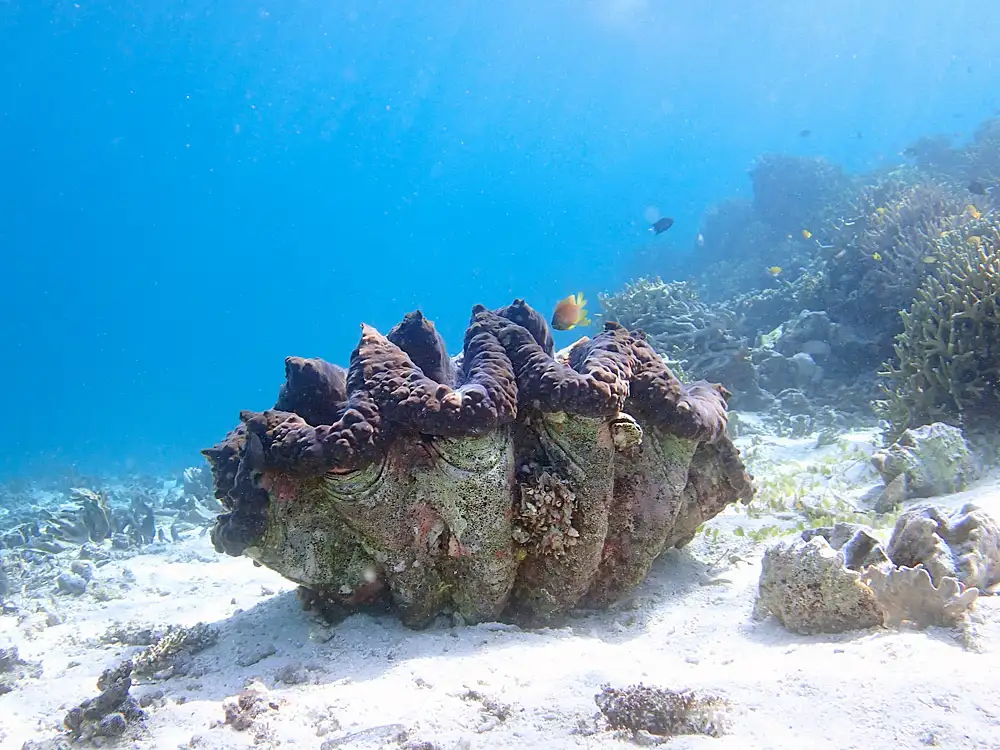
Giant Clam
Tridacna gigas
Tridacna gigas—the giant clam—is a flagship bivalve of family Tridacnidae.Its mantle hosts zooxanthellae for photosynthesis whil···
Explore the enormous diversity of animals without backbones, from mollusks and arthropods to echinoderms, worms, and other major groups.

Use these shortcuts to move into more specific animal groups.
Molluscs, also known as shellfish, are a general term for animals in the phylum Mollusca. They are the largest group except for arthropods, with about 100,000 species. The body types vary greatly, but they have common characteristics: the body is soft and not segmented, and is generally divided into two parts: head-legs and viscera-mantle. Molluscs include squid, octopus, nautilus, and the extinct ammonites and belemnites.
Taxonomic Placement
Mollusca is one of the largest and most diverse phyla within the invertebrate subkingdom, comprising approximately 85,000 recognized species. Mollusks inhabit a wide range of environments, including marine, freshwater, and terrestrial ecosystems. They are characterized by their soft bodies, which are often protected by a hard shell, and a muscular foot used for locomotion.
Morphological Traits
Body Structure: Mollusks typically exhibit a three-part body plan consisting of a head, a visceral mass (containing internal organs), and a muscular foot. Many possess a mantle, a significant anatomical structure that secretes the shell and forms a cavity for respiration and excretion.
Shell: While not all mollusks have shells, many possess a calcium carbonate shell that serves as protection. Shells can be external (as in snails and clams) or internal (as in some cephalopods like squids).
Radula: Most mollusks (except bivalves) have a radula, a specialized feeding organ with chitinous teeth used to scrape or cut food before ingestion.
Circulatory System: Mollusks generally have an open circulatory system, though some cephalopods possess a closed circulatory system, which allows for more efficient oxygen transport.
Nervous System: Varies widely among classes, from simple nerve nets in some bivalves to complex brains in cephalopods.
Respiration: Primarily through gills in aquatic species, while terrestrial mollusks utilize a modified mantle cavity as a lung.
Physiological Traits
Respiration: Aquatic mollusks use gills for gas exchange, whereas terrestrial species have developed lung-like structures.
Reproduction: Most mollusks reproduce sexually, with some exhibiting complex life cycles that include both larval and adult stages. Hermaphroditism is common in many groups.
Locomotion: Movement is primarily facilitated by the muscular foot, which can be adapted for crawling, burrowing, or swimming.
Ecological Habits
Mollusks occupy diverse ecological niches, ranging from grazers and predators to filter feeders and scavengers. They play crucial roles in nutrient cycling, sediment stabilization, and as integral components of food webs.
Ecological Roles
Primary Producers: Some mollusks, like certain marine snails, host symbiotic algae, contributing to primary production.
Filter Feeders: Bivalves such as oysters and mussels filter large volumes of water, removing particulates and improving water quality.
Predators and Prey: Cephalopods are active predators, while many mollusks serve as prey for a variety of marine and terrestrial animals.
Ecosystem Engineers: Coral reefs, formed by reef-building mollusks like corals (which are cnidarians but interact closely with mollusks), provide habitat for numerous other species.
Economic and Cultural Value
Food Industry: Mollusks such as clams, oysters, mussels, and squids are significant sources of seafood worldwide.
Pearl Production: Oysters are cultivated for pearl production, a valuable commodity in jewelry.
Shell Trade and Craftsmanship: Shells are used in decorations, jewelry, and various artisanal crafts.
Scientific Research: Cephalopods, particularly octopuses and squids, are studied for their advanced nervous systems and complex behaviors.
Medical and Pharmaceutical Uses: Certain mollusks produce bioactive compounds with potential applications in medicine.
Cultural Significance: Mollusks feature prominently in art, mythology, and symbolism across various cultures, often representing transformation, adaptability, and the mysteries of the ocean.
Origins and Fossil Record
Early Evolution: Mollusks are believed to have originated in the late Cambrian period, around 500 million years ago. The earliest molluscan fossils show simple, limpet-like forms, suggesting a gradual evolution from worm-like ancestors.
Fossil Evidence: The fossil record for mollusks is extensive due to their calcareous shells, which fossilize well. Notable fossil groups include ammonites (extinct cephalopods) and trilobites (though not mollusks, they coexisted with early mollusks).
Paleozoic Diversification: During the Paleozoic era, mollusks diversified into various classes, adapting to different marine environments. The Permian-Triassic extinction event significantly impacted mollusk diversity, but they rebounded and continued to diversify in subsequent geological periods.
Modern Diversification and Adaptations
Adaptive Radiation: Mollusks have undergone extensive adaptive radiation, leading to the evolution of highly specialized forms. For example, cephalopods developed advanced neural systems and jet propulsion for active predation, while bivalves adapted to a sedentary, filter-feeding lifestyle.
Terrestrial Adaptations: Gastropods successfully colonized terrestrial environments, evolving adaptations such as lungs for respiration and shells for protection against desiccation and predators.
Deep-Sea Adaptations: Many mollusks have adapted to extreme deep-sea environments, developing features like bioluminescence, enhanced sensory organs, and specialized feeding mechanisms to exploit scarce resources.
Phylogenetic Insights
Molecular Phylogenetics: Advances in genetic sequencing have refined the phylogenetic relationships within Mollusca, revealing deep lineages and clarifying relationships between major classes and within orders.
Evolution of Complex Traits: Studies have shed light on the evolution of complex traits such as the cephalopod eye, considered one of the most sophisticated in the animal kingdom, and the radula in gastropods.
Convergent Evolution: Similar environmental pressures have led to convergent evolution in different molluscan lineages, resulting in similar adaptations among unrelated groups.
The following table outlines the primary classes within the Phylum Mollusca, along with representative orders, families, genera, and example species. Note that ongoing research may lead to revisions in classification.
Gastropods are the largest class within Mollusca, encompassing snails, slugs, and their relatives. They exhibit a wide range of morphologies and lifestyles, from terrestrial to marine environments.
| Order | Family | Genus | Example Species | Distribution & Notes |
|---|---|---|---|---|
| Stylommatophora | Helicidae | Helix | Helix pomatia (Roman Snail) | Terrestrial; known for their coiled shells and importance in culinary contexts (e.g., escargot). |
| Neogastropoda | Muricidae | Murex | Murex pecten (Variegated Murex) | Predatory marine snails; often have elaborate spines and varices on their shells. |
| Patellogastropoda | Patellidae | Patella | Patella vulgata (Common Limpet) | Marine; adhere strongly to rocks in intertidal zones; feed by grazing algae. |
| Opisthobranchia | Aplysiidae | Aplysia | Aplysia californica (California Sea Hare) | Marine; known for their large size and ability to produce ink as a defense mechanism. |
| Vetigastropoda | Trochidae | Trochus | Trochus niloticus (Nile Top Shell) | Marine; characterized by their top-shaped shells and often vibrant colors. |
Bivalves are characterized by their two-part hinged shells. They are primarily filter feeders and play significant roles in aquatic ecosystems.
| Order | Family | Genus | Example Species | Distribution & Notes |
|---|---|---|---|---|
| Veneroida | Veneridae | Venus | Venus verrucosa (Warty Venus Clam) | Marine; known for their robust shells and importance in aquaculture and seafood industries. |
| Ostreoida | Ostreidae | Crassostrea | Crassostrea gigas (Pacific Oyster) | Marine; highly valued for pearl production and as a food source worldwide. |
| Mytiloida | Mytilidae | Mytilus | Mytilus edulis (Blue Mussel) | Marine; attach to substrates using byssal threads, important in aquaculture and as bioindicators of water quality. |
| Arcida | Arcidae | Arca | Arca zebra (Zebra Ark Clam) | Marine; have equivalve shells with distinctive ribs or stripes, often found in intertidal zones. |
| Cardiida | Cardiidae | Cardita | Cardita nitida (White Cockle) | Marine; burrow into sandy or muddy substrates, filter feeders with heart-shaped shells. |
Cephalopods are highly intelligent and mobile mollusks known for their complex behaviors, advanced nervous systems, and ability to change color and texture.
| Order | Family | Genus | Example Species | Distribution & Notes |
|---|---|---|---|---|
| Octopoda | Octopodidae | Octopus | Octopus vulgaris (Common Octopus) | Highly intelligent; capable of complex behaviors, camouflage, and problem-solving. |
| Teuthida | Loliginidae | Loligo | Loligo pealeii (Longfin Inshore Squid) | Marine; fast swimmers with streamlined bodies and powerful jet propulsion mechanisms. |
| Sepiida | Sepiidae | Sepia | Sepia officinalis (Common Cuttlefish) | Known for their ability to change color and texture rapidly; possess an internal cuttlebone for buoyancy control. |
| Idiosepiida | Idiosepiidae | Idiosepius | Idiosepius notoides (Dwarf Cuttlefish) | Small-sized cephalopods; adapted to intertidal zones with unique reproductive strategies. |
| Vampyropoda | Vampyroteuthidae | Vampyroteuthis | Vampyroteuthis infernalis (Vampire Squid) | Deep-sea inhabitants; possess bioluminescence and a gelatinous body adapted to low-oxygen environments. |
Chitons are marine mollusks with eight overlapping calcareous plates covering their dorsal surface. They are primarily grazers, feeding on algae and biofilms.
| Order | Family | Genus | Example Species | Distribution & Notes |
|---|---|---|---|---|
| Chitonida | Chitonidae | Chiton | Chiton magnificus (Magnificent Chiton) | Found in rocky intertidal zones; known for their strong adhesion to substrates and ability to withstand wave action. |
| Leptochitonida | Leptochitonidae | Leptochiton | Leptochiton asellus (Slender Chiton) | Characterized by their elongated bodies and smooth plates, adapted to graze on algae in various marine habitats. |
| Cryptochitonida | Cryptochitonidae | Cryptochiton | Cryptochiton stelleri (Steller's Chiton) | Native to cold waters; possess highly flexible plates and are adapted to feeding in harsh marine environments. |
| Acanthochitonida | Acanthochitonidae | Acanthochitona | Acanthochitona crinita (Hairy Chiton) | Notable for their spiny girdle and robust feeding structures, often found in intertidal and subtidal zones. |
Scaphopods, or tusk shells, are marine mollusks with tubular, tusk-shaped shells. They burrow into sandy or muddy substrates and feed on microorganisms.
| Order | Family | Genus | Example Species | Distribution & Notes |
|---|---|---|---|---|
| Dentaliida | Dentaliidae | Dentalium | Dentalium elephantinum (Elephant Tusk Shell) | Found in deep-sea environments; elongated shells adapted for burrowing into soft sediments. |
| Gryllotalpidida | Gryllotalpidae | Gryllotalpa | Gryllotalpa africana (African Tusk Shell) | Marine; possess slender, slightly curved shells and specialized feeding structures for capturing microorganisms. |
Monoplacophorans are primitive, deep-sea mollusks with a single, cap-like shell and multiple, repeating organs.
| Order | Family | Genus | Example Species | Distribution & Notes |
|---|---|---|---|---|
| Velerellida | Velerellidae | Velerella | Velerella velella | Deep-sea habitats; characterized by their simple, cap-like shells and segmented internal anatomy. |
| Tryblidiida | Tryblidiidae | Tryblidium | Tryblidium cancellatum | Found in abyssal zones; possess a limpet-like shell and multiple pairs of gills and other organs. |
(Note: The above classification is based on current systematic research. Some genera and families may be subject to revision as molecular studies advance.)
Origins and Fossil Record
Early Evolution: Mollusks are believed to have originated in the late Cambrian period, approximately 500 million years ago. The earliest molluscan fossils resemble simple, limpet-like forms, suggesting an evolutionary path from worm-like ancestors with a protective shell.
Fossil Evidence: The fossil record for mollusks is rich, particularly for classes like Gastropoda and Bivalvia, due to their calcareous shells. Notable fossil groups include ammonites and belemnites (extinct cephalopods), which were prominent during the Mesozoic era.
Paleozoic Diversification: During the Paleozoic era, mollusks diversified into various classes, adapting to different marine environments. The Permian-Triassic extinction event significantly impacted mollusk diversity, leading to a temporary decline, but they rebounded and continued to diversify in the Mesozoic and Cenozoic eras.
Modern Diversification and Adaptations
Adaptive Radiation: Mollusks have undergone extensive adaptive radiation, leading to the evolution of highly specialized forms. For example, cephalopods developed advanced neural systems and jet propulsion for active predation, while bivalves adapted to a sedentary, filter-feeding lifestyle.
Terrestrial Adaptations: Gastropods successfully colonized terrestrial environments, evolving adaptations such as lungs for respiration, shells for protection against desiccation and predators, and varied locomotion mechanisms.
Deep-Sea Adaptations: Many mollusks have adapted to extreme deep-sea environments, developing features like bioluminescence, enhanced sensory organs, and specialized feeding mechanisms to exploit scarce resources.
Phylogenetic Insights
Molecular Phylogenetics: Advances in genetic sequencing have refined mollusk phylogeny, revealing deep lineages and clarifying relationships between major classes and within orders. Molecular data have supported some traditional classifications while challenging others, leading to a more accurate understanding of mollusk evolution.
Evolution of Complex Traits: Studies have shed light on the evolution of complex traits such as the cephalopod eye, considered one of the most sophisticated in the animal kingdom, and the radula in gastropods, an essential feeding organ.
Convergent Evolution: Similar environmental pressures have led to convergent evolution in different molluscan lineages, resulting in similar adaptations among unrelated groups, such as the streamlined shells of cephalopods and gastropods for efficient movement.
Diversity and Global Distribution
Species Diversity: The Phylum Mollusca is highly diverse, encompassing approximately 85,000 species across multiple classes, including Gastropoda (snails and slugs), Bivalvia (clams, oysters, mussels), Cephalopoda (octopuses, squids, cuttlefish), Polyplacophora (chitons), Scaphopoda (tusk shells), and Monoplacophora (single-shelled mollusks).
Global Distribution: Mollusks are found in virtually all marine environments, from shallow coastal waters to the deep sea, as well as in freshwater and terrestrial habitats. Their adaptability allows them to occupy a wide range of ecological niches.
Morphological and Physiological Adaptations: Mollusks exhibit a vast array of morphological and physiological adaptations, enabling them to thrive in diverse environments. These adaptations include specialized feeding structures, locomotion mechanisms, reproductive strategies, and protective shells.
Ecological and Human Interactions
Ecological Roles: Mollusks play critical roles in maintaining ecological balance as grazers, predators, filter feeders, and decomposers. They contribute to nutrient cycling, water filtration, and serve as food sources for a multitude of other organisms.
Economic Importance: Many mollusks are harvested for food (e.g., clams, oysters, mussels, and squids), pearl production, and as part of the ornamental marine trade. Sustainable harvesting practices are essential to prevent overexploitation and ensure the conservation of mollusk populations.
Scientific Research: Mollusks are invaluable in scientific research due to their unique biological features, such as the cephalopod nervous system and the gastropod radula. They serve as model organisms in studies of developmental biology, neurobiology, and evolutionary biology.
Cultural Significance: Mollusks feature prominently in various cultural narratives, art, and symbolism, often representing transformation, adaptability, and the mysteries of the ocean. They inspire artists, writers, and storytellers across different cultures.
Conservation Challenges
Threats to Mollusks: Mollusks face numerous threats, including habitat destruction, pollution, climate change, ocean acidification, overfishing, and invasive species. These factors contribute to population declines, reduced genetic diversity, and disruptions in marine ecosystems.
Conservation Efforts: Protecting mollusk populations involves implementing sustainable fisheries management, establishing marine protected areas, reducing pollution, and mitigating the impacts of climate change. Conservation initiatives also include habitat restoration, captive breeding programs, and public education to raise awareness about the importance of mollusks.
Sustainable Practices: Promoting sustainable harvesting practices, such as quotas, size limits, and seasonal closures, helps maintain mollusk populations and ensures their long-term viability. Additionally, aquaculture and mariculture can provide alternative sources to reduce pressure on wild populations.
This comprehensive Mollusca Classification Guide provides an in-depth look at the Phylum Mollusca, detailing their morphological traits, evolutionary history, major classes, and ecological significance. For more detailed information on specific classes, orders, families, genera, or species—including their morphology, distribution, and conservation status—consult specialized malacological references, regional marine and terrestrial biodiversity reports, and the latest molecular phylogenetic studies. We hope this guide serves as a valuable resource for your website, enhancing public understanding and appreciation of these diverse and ecologically important invertebrates.
Search the animals shown on this page or narrow them by IUCN conservation code.
VU
Tridacna gigas
Tridacna gigas—the giant clam—is a flagship bivalve of family Tridacnidae.Its mantle hosts zooxanthellae for photosynthesis whil···
 LC
LC
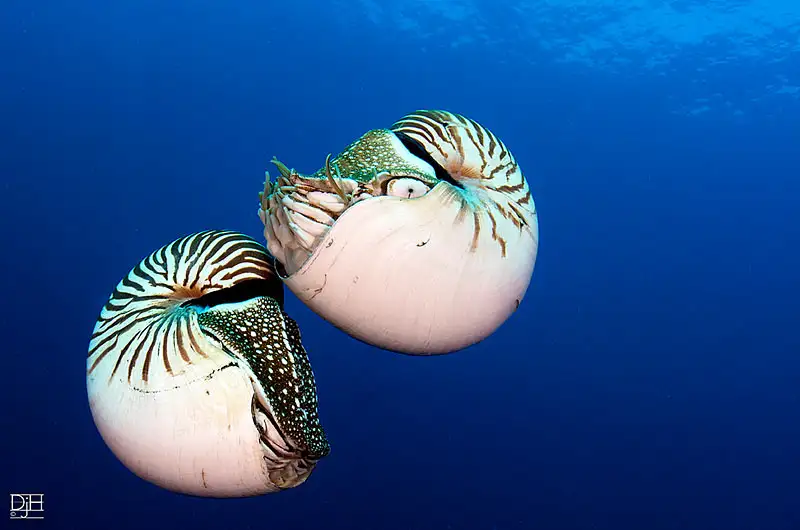
Nautiloidea
Nautiloidea is an ancient subclass of cephalopods. Today only a handful of living species remain—notably Nautilus and Allonautilu···
 LC
LC
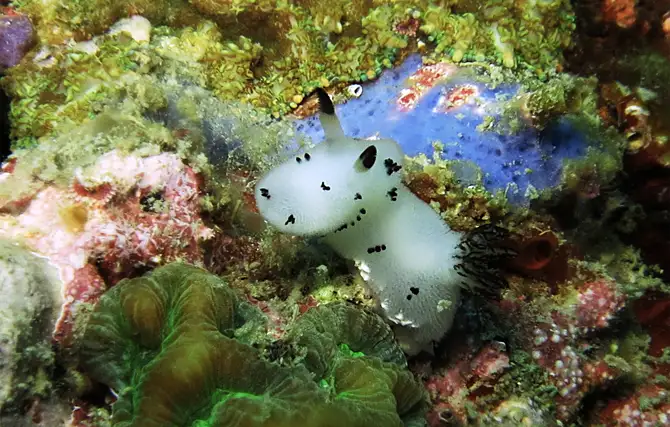
Jorunna funebris
Jorunna funebris, often called the dotted (Dalmatian) nudibranch, is a dorid sea slug in familyDiscodorididae. The mantle is cover···
 LC
LC
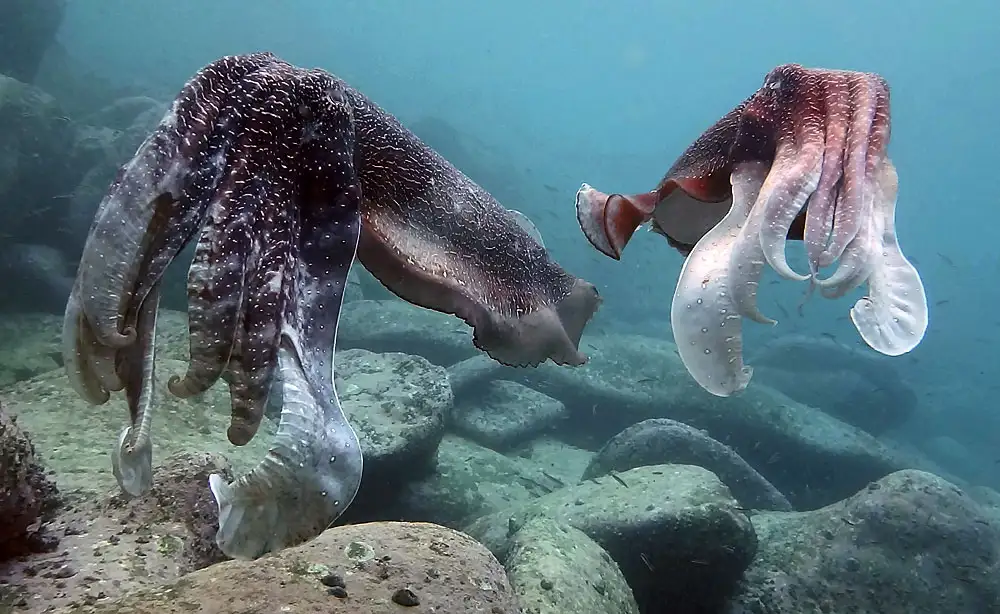
Sepia apama
Sepia apama, the Giant Australian Cuttlefish, is among the largest cuttlefish (order Sepiida, family Sepiidae).It is famed for mil···
 LC
LC
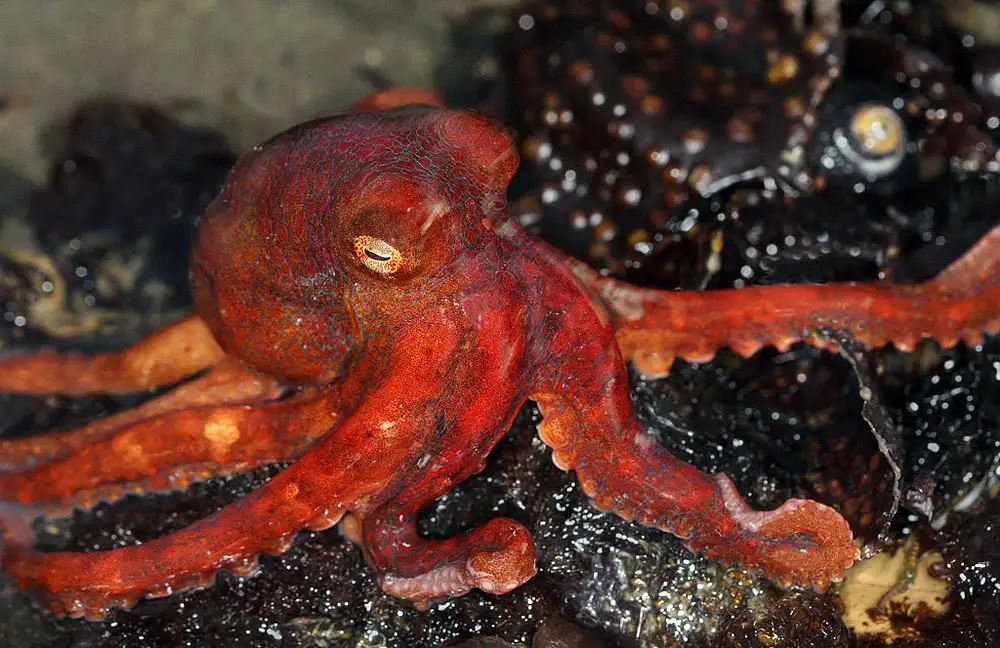
Octopodidae
Octopodidae is the principal family of true octopuses (Cephalopoda: Octopoda), widespread from intertidal rocky shores to shelf an···
 LC
LC
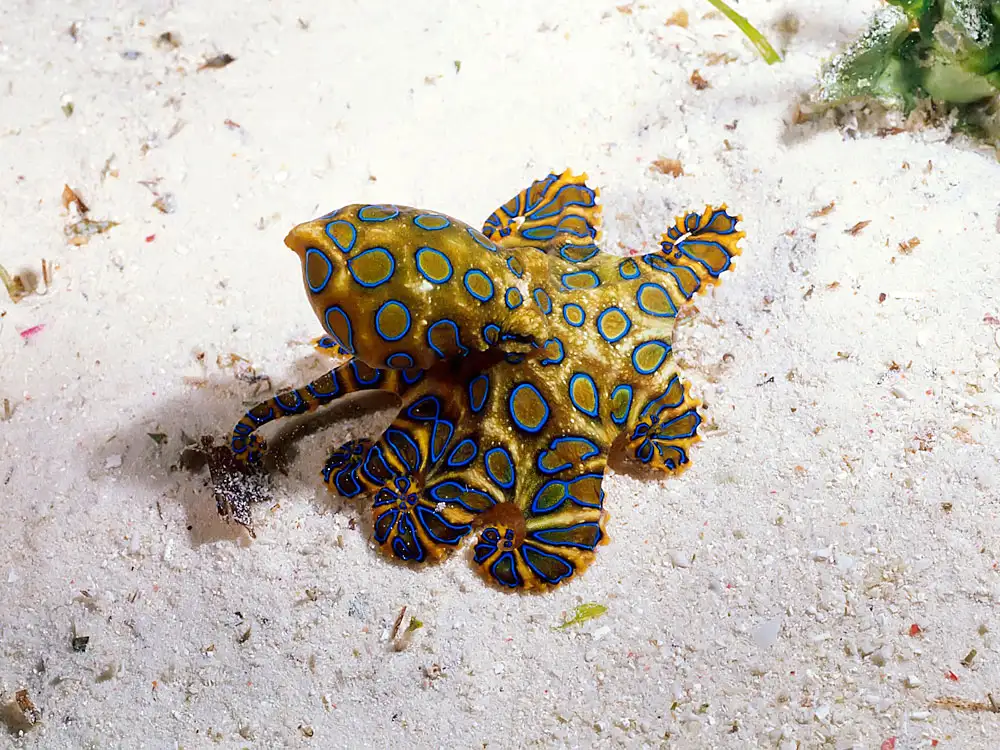
Hapalochlaena maculosa
Hapalochlaena maculosa—the southern blue‑ringed octopus—is a small, highly venomous octopus (family Octopodidae).When threatene···
 LC
LC
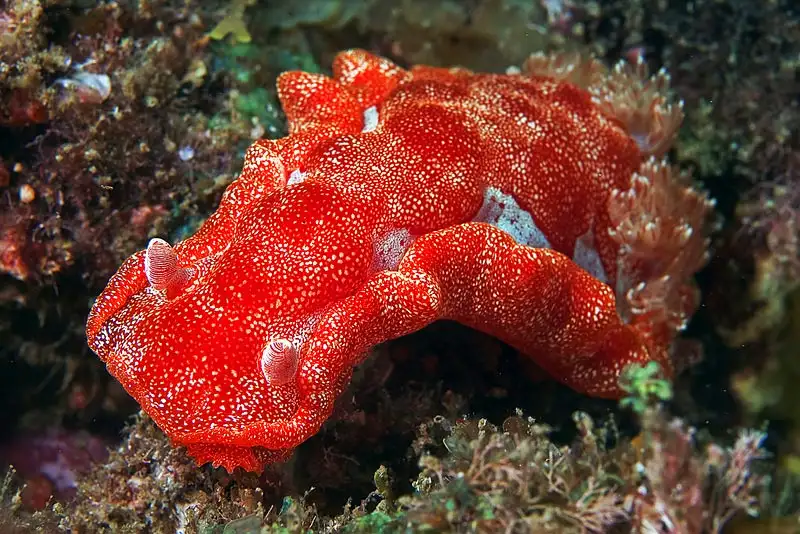
Hexabranchus sanguineus
Hexabranchus sanguineus, the iconic Spanish dancer, is one of the largest and most conspicuousIndo‑Pacific nudibranchs. When dist···
 LC
LC
Nautiloidea,Nautilidae
Nautilus refers to a family classification under the order Nautilus in the class Cephalopoda. The common features of nautilus are ···
 LC
LC
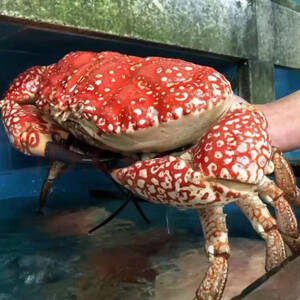
Pseudocarcinus gigas,King crab, heavy false back crab, Australian king crab, Australian giant crab
The giant shore crab is also commonly known as the emperor crab, and should not be confused with the king crab.The giant shore cra···
 LC
LC
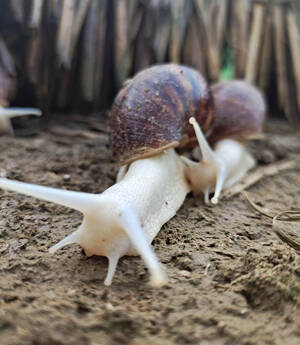
Achatina fulica,Brown cloud agate snail, Chinese white jade snail
The scientific name of the white jade snail is Achatina fulica, also known as the brown cloud agate snail, which is a subspecies o···
 LC
LC
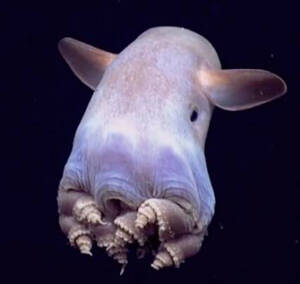
Grimpoteuthis bathynectes,Dumbo Octopus,Gulf of Mexico ash octopus, semi-deep sea ash octopus
Dumbo Octopus (scientific name: Grimpoteuthis bathynectes), also known as Dumbo Octopus in foreign languages, is a peculiar "···
 LC
LC
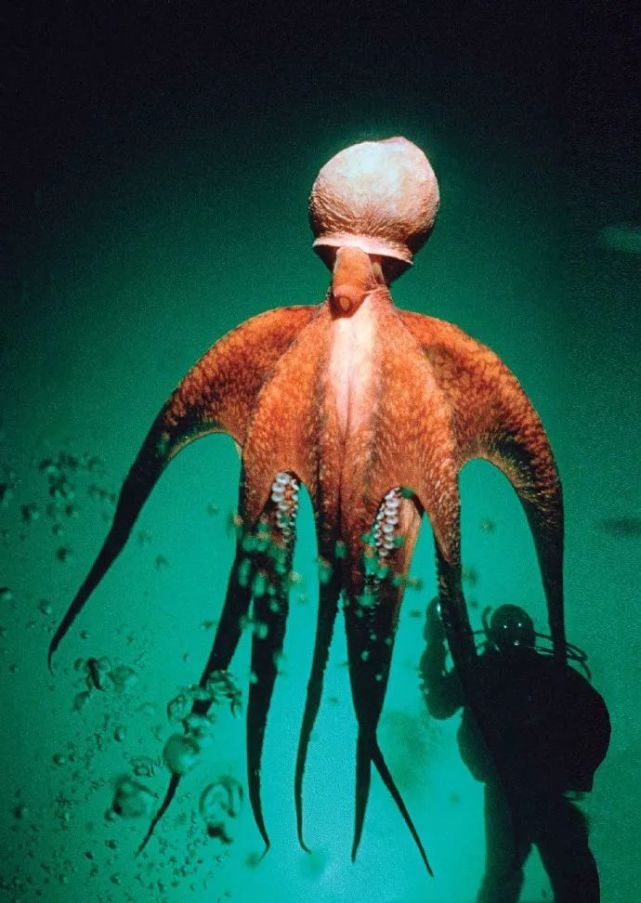
Giant North Pacific Octopus
As a representative of invertebrates, the octopus has a soft body and a hard mouth. The Pacific giant octopus is the largest one a···