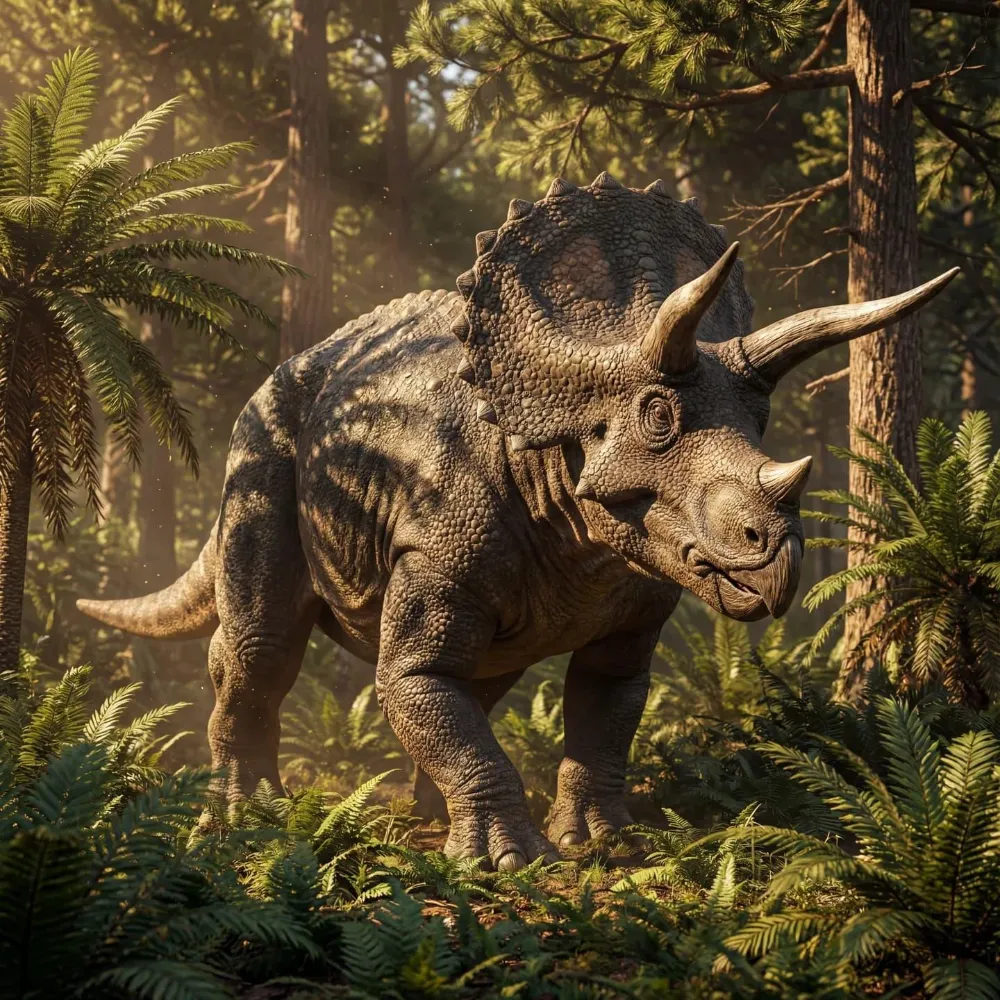
What Is the Difference Between Dinosaurs and Reptiles?
Are dinosaurs reptiles? Learn how dinosaur hips, legs and ancestry set them apart, why pterosaurs aren't dinosaurs, and which dinosaurs survive today.
Find animal profiles, comparisons, pet care guides, dinosaurs, FAQs, and tools.
Are dinosaurs reptiles? Learn how dinosaur hips, legs and ancestry set them apart, why pterosaurs aren't dinosaurs, and which dinosaurs survive today.
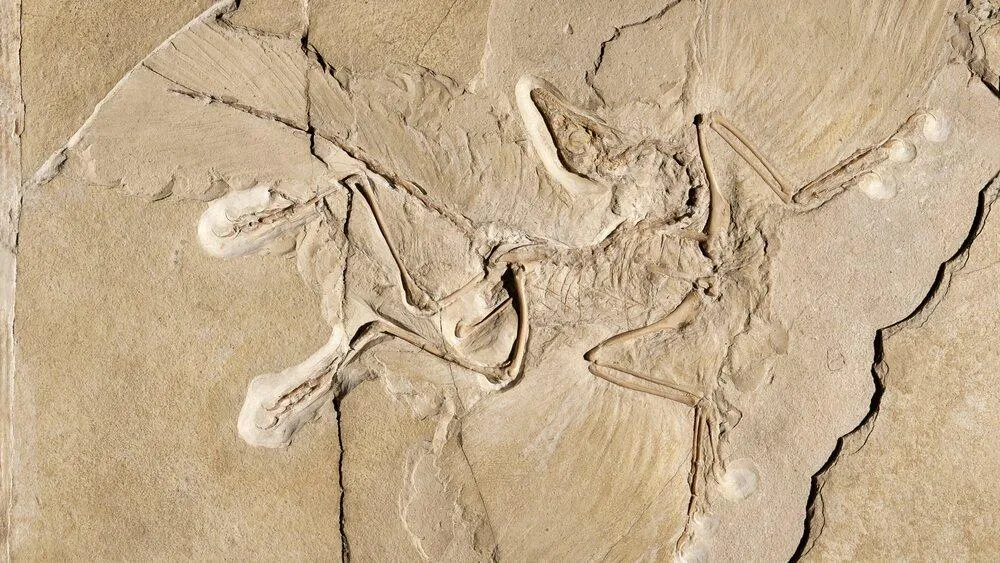
Yes, birds are dinosaurs. Modern birds are the only surviving branch of dinosaurs and evolved from small, feathered theropod ancestors during the Mesozoic Era. Scientific evidence from fossils, skeletal anatomy, feathers, eggs, and evolutionary relationships establishes that birds belong within the
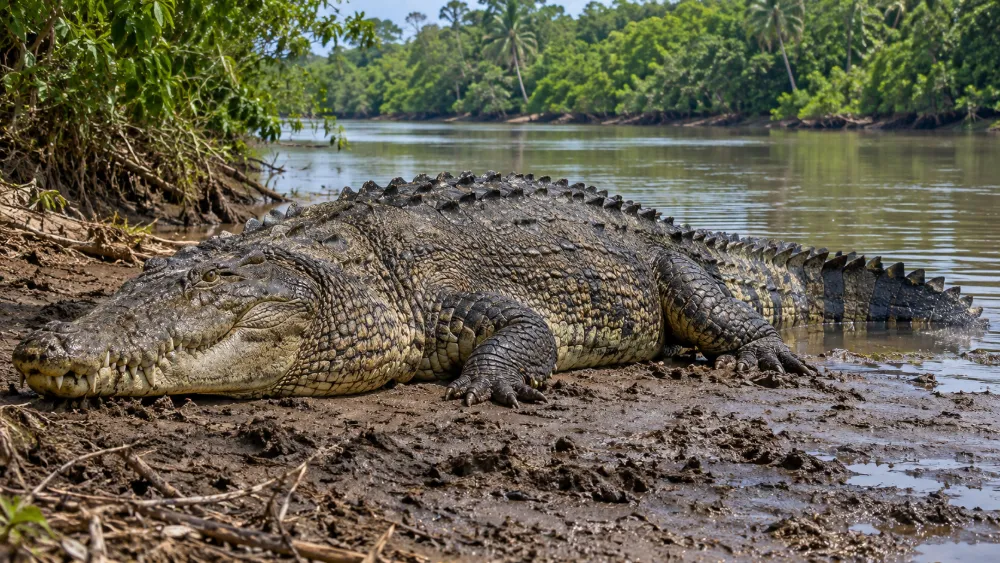
Discover the largest crocodile ever reliably measured, how big Lolong really was, the biggest crocodile species, and why famous 28-foot crocodile claims remain unverified.
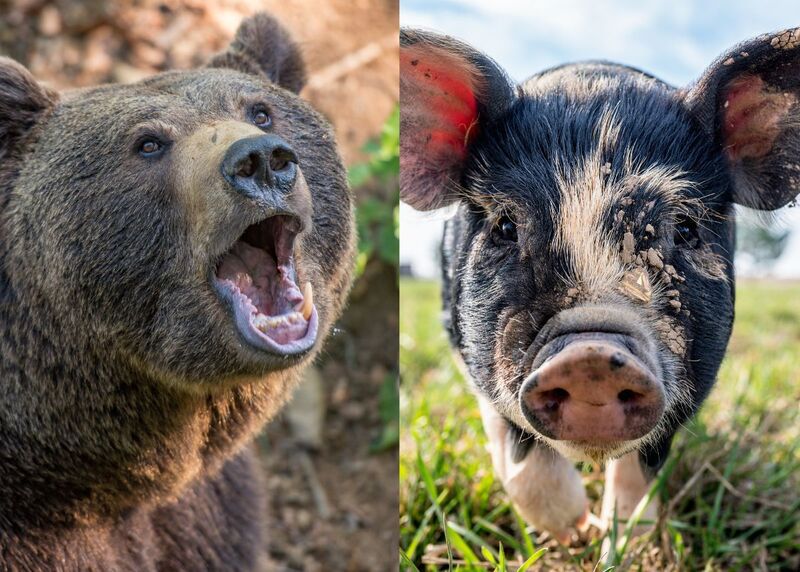
Are bears related to pigs? Only distantly. See how bears and pigs differ in taxonomy, evolutionary history, anatomy, diet, and their closest living relatives.

Austroraptor was a large predatory dinosaur from the Late Cretaceous of South America. It belonged to the dromaeosaurids, the group often associated with the popular image of “raptors,” but it did not look exactly like the smaller and more lightly built northern forms many people know best. Austro

Argyrosaurus was a large long-necked plant-eating dinosaur from the Late Cretaceous of South America. It belonged to the titanosaurs, the group of sauropods that became especially important during the later part of dinosaur history. Although Argyrosaurus is not known from a complete skeleton, it rem

Aeolosaurus was a long-necked plant-eating dinosaur from the Late Cretaceous of South America. It belonged to the titanosaurs, the sauropod group that became especially important during the later part of dinosaur history. Although Aeolosaurus is not as famous as gigantic titanosaurs such as Argentin

Adamantisaurus was a long-necked plant-eating sauropod from the Late Cretaceous of Brazil. It belonged to the titanosaurs, the group of sauropods that became especially important during the later part of dinosaur history. Although Adamantisaurus is not known from a complete skeleton, it remains sign

Aerosteon was a large meat-eating theropod dinosaur from the Late Cretaceous of South America. It is especially important because its fossil bones preserve evidence of air-filled spaces linked to a bird-like breathing system. That makes Aerosteon one of the most scientifically interesting predatory

Amargasaurus was a long-necked plant-eating dinosaur from the Early Cretaceous of South America. It is one of the most unusual sauropods ever discovered because of the extraordinary paired spines along its neck and upper back. While many sauropods are known mainly for giant size, Amargasaurus stands

Carnotaurus was a large meat-eating dinosaur from the Late Cretaceous of South America. It is one of the most recognizable theropods ever discovered because of the two horns above its eyes, its unusually deep skull, and its tiny forelimbs. Although it was not as massive as Tyrannosaurus, Carnotaurus

Notohypsilophodon was a small herbivorous dinosaur from the Late Cretaceous of South America. It is one of the more unusual small dinosaurs from Patagonia because South American dinosaur faunas are often remembered mainly for giant sauropods and large predators. In contrast, Notohypsilophodon repres

Noasaurus was a small carnivorous theropod dinosaur from the Late Cretaceous of South America. It is especially important because it gave its name to Noasauridae, a branch of small abelisauroid dinosaurs that were mainly part of southern ecosystems. Although it was much smaller than famous predators

Megaraptor was a large meat-eating theropod dinosaur from the Late Cretaceous of South America. It is best known for its oversized hand claws and its unusual mix of features, which have made it one of the more debated predatory dinosaurs in modern paleontology. When it was first described, some of i

Limaysaurus was a long-necked plant-eating dinosaur from the Cretaceous of South America. It belonged to the rebbachisaurids, a group of somewhat lighter-built sauropods within the broader diplodocoid branch. Although it was not one of the giant record-breaking titanosaurs, Limaysaurus is important

Laplatasaurus was a long-necked plant-eating dinosaur from the Late Cretaceous of South America. It belonged to the titanosaurs, a major group of sauropods that became especially important during the final part of dinosaur history. Although Laplatasaurus is not as famous as giants such as Argentinos

Irritator was a spinosaurid theropod from the Early Cretaceous of Brazil. It is one of the most unusual predatory dinosaurs because its skull was long, narrow, and shaped in a way that suggests a strong link to fish-eating behavior. Unlike the deep-skulled hunters that many people picture when they

Abelisaurus was a meat-eating theropod dinosaur from the Late Cretaceous of South America. It is especially important because it gave its name to the abelisaurids, a group of predatory dinosaurs that became some of the main large hunters in the southern continents. Although Abelisaurus is not known