 NT
NT
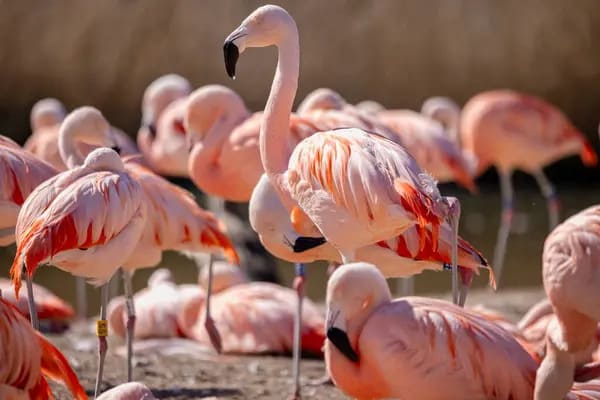
Chilean Flamingo
Phoenicopterus chilensis
Chilean Flamingo (Phoenicopterus chilensis) is a large South American wader of saline and brackishwetlands, noted for its pale pin···
Explore birds by lifestyle and ecological group, from waterfowl and waders to parrots, raptors, landfowl, and songbirds.

Use these shortcuts to move into more specific animal groups.
Wading birds are one of the six major ecological groups of birds, including Gruiformes, Ciconiiformes, Phoenicopterus and Charadriiformes. They refer to birds that are adapted to living by the water (all wetland water birds), and belong to one of the six major ecological groups of birds. When resting, they often stand on one foot, and most of them get food from the bottom of the water, mud or the ground. They include cranes, storks, ibis, bustards, spoonbills, etc.
Shallow-Water Activity: Wading birds typically inhabit shallow water, mudflats, wetlands, or marshes, using relatively long legs to walk and forage in shallow areas.
Morphological Adaptations: They often have elongated legs, necks, and bills, enabling them to hunt or feed on fish, crustaceans, mollusks, insects, or vegetation in shallow water or wetland habitats.
Wide Distribution: Wading birds appear worldwide, found in lakes, estuaries, tidal flats, and even salt lakes. Many species undertake long-distance migrations, occurring on multiple continents.
Breeding and Behavior: Most nest in shoreline areas, marshes, or mudflats; some breed in colonies. Certain species have unique courtship displays, calls, or gregarious habits.
Many well-known groups such as storks, herons, cranes, plovers, sandpipers, and flamingos can be considered waders (or at least show wader-like habits).
They fulfill vital roles in wetland and coastal ecosystems (e.g., controlling invertebrate populations, dispersing seeds, and forming important links in the food web).
Broader Avian Context
Birds originated from theropod dinosaurs and had diversified substantially by the Late Cretaceous. Over geological time, various lineages adapted to shallow water or wetland environments.
Long legs, long bills, specialized feeding/breeding behaviors, and other wader-like traits evolved multiple times independently (convergent evolution).
Dispersed Across Multiple Orders
Storks (Family Ciconiidae) are typically placed in Ciconiiformes.
Herons and ibises (Ardeidae, Threskiornithidae) are now often placed in Pelecaniformes alongside pelicans, rather than with storks.
Cranes (Gruidae) belong to Gruiformes, not closely related to storks/herons, yet they occupy similar wetland niches.
Some members of Charadriiformes (plovers, sandpipers, avocets) are also classic waders.
Flamingos (Phoenicopteridae) constitute Phoenicopteriformes, recognized as a distinct lineage yet often called waders because of their shallow-water feeding style.
Traditional classifications grouped storks, herons, cranes, etc., under orders like “Ciconiiformes” or “Pelecaniformes.” Flamingos were sometimes placed in a separate order.
With advances in molecular data, many of these families have been reclassified. For example:
Relationship with Wetlands and Humans
Wetlands are crucial for wader breeding and foraging. Human activities such as draining wetlands, pollution, or overharvesting resources pose serious threats to these birds.
Many wading species are migratory, requiring international cooperation for their conservation (e.g., partnerships in the East Asian–Australasian Flyway).
Below is a summary of key orders and families commonly labeled as “waders,” with prominent genera and example species. Note that some families once grouped together have been rearranged according to modern molecular studies. Nonetheless, their similar ecology and morphology justify listing them here for reference.
| Family | Representative Genera | Example Species | Notes |
|---|---|---|---|
| Ardeidae (Herons, Egrets, Bitterns) | Ardea (Herons), Egretta (Egrets), Nycticorax (Night Herons), etc. | Grey Heron (Ardea cinerea), Great Egret (Egretta alba), Black-crowned Night Heron (Nycticorax nycticorax), etc. | Long legs and necks, typically hunt fish/amphibians in shallow water; may form nesting colonies (“heronries”). |
| Threskiornithidae (Ibises, Spoonbills) | Threskiornis (Ibises), Plegadis (Glossy Ibises), Platalea (Spoonbills) | Sacred Ibis (Threskiornis aethiopicus), Glossy Ibis (Plegadis falcinellus), Black-faced Spoonbill (Platalea minor), etc. | Often have curved or spatulate bills for probing in shallow waters. Many nest colonially in wetland habitats. |
Note: Historically, herons and ibises were sometimes placed in “Ciconiiformes.” Modern molecular data commonly group them in Pelecaniformes.
| Family | Representative Genera | Example Species | Notes |
|---|---|---|---|
| Ciconiidae (Storks) | Ciconia (Storks), Mycteria (Wood Storks), Leptoptilos (Marabou Storks), etc. | White Stork (Ciconia ciconia), Painted Stork (Mycteria leucocephala), Lesser Adjutant (Leptoptilos javanicus), etc. | Large-bodied waders with strong bills, foraging in wetlands/grasslands; nest on treetops or cliffs. |
Note: Some classifications once placed storks, herons, and ibises all under one order. In current systems, storks (Ciconiidae) are often recognized as a distinct order (Ciconiiformes), with herons and ibises now under Pelecaniformes.
| Family | Representative Genera | Example Species | Notes |
|---|---|---|---|
| Phoenicopteridae (Flamingos) | Phoenicopterus (e.g., Greater Flamingo) | American Flamingo (Phoenicopterus ruber), Chilean Flamingo (Phoenicopterus chilensis), etc. | Long legs and necks; specialized bent bills for filter-feeding on algae and invertebrates in saline lagoons. |
| Family | Representative Genera | Example Species | Notes |
|---|---|---|---|
| Gruidae (Cranes) | Grus (Cranes), Anthropoides, etc. | Red-crowned Crane (Grus japonensis), Common Crane (Grus grus), etc. | Large waders with long legs/necks, living in wetlands/grasslands; many are migratory and some are endangered. |
| Rallidae (Rails, Coots)*semi-aquatic | Gallinula (Moorhens), Fulica (Coots), Rallus (Rails), etc. | Eurasian Coot (Fulica atra), White-breasted Waterhen (Amaurornis phoenicurus), etc. | Generally small to medium-sized wetlands birds, adept at moving through dense vegetation, sometimes called “marsh birds.” |
| Family | Representative Genera | Example Species | Notes |
|---|---|---|---|
| Charadriidae (Plovers) | Charadrius (Plovers), Pluvialis (Golden Plovers), etc. | Kentish Plover (Charadrius alexandrinus), Grey Plover (Pluvialis squatarola), etc. | Small to medium-sized waders with short bills, often feeding on invertebrates in mudflats/shallow water. Highly migratory. |
| Scolopacidae (Sandpipers, Snipes, Phalaropes) | Tringa (Shanks), Calidris (Stints), Gallinago (Snipes), etc. | Common Redshank (Tringa totanus), Ruddy Turnstone (Arenaria interpres), Semipalmated Sandpiper (Calidris pusilla), etc. | A diverse family of long-billed, long-legged waders frequenting coasts, wetlands, and river edges. |
| Recurvirostridae (Avocets, Stilts) | Recurvirostra (Avocets), Himantopus (Stilts) | Pied Avocet (Recurvirostra avosetta), Black-winged Stilt (Himantopus himantopus) | Notable for very long legs and upward-curved or straight slender bills; often seen in shallow salt ponds. |
| Phalaropodidae (Phalaropes)* sometimes merged in Scolopacidae | Phalaropus (Phalaropes) | Red-necked Phalarope (Phalaropus lobatus), etc. | Unique small waders that often spin on the water’s surface to stir up food; found in high latitudes and coastal areas. |
Note: Phalaropes are sometimes treated as a subfamily within sandpipers (Scolopacidae) or as a separate family.
Multiple Origins and Convergence
“Waders” do not represent a single evolutionary lineage; rather, many avian orders independently adapted to shallow-water habitats, converging on features such as long legs/neck/bill.
This demonstrates how different lineages fill similar ecological niches in wetland habitats around the globe.
Ecological Importance and Conservation
Many waders help regulate invertebrate populations, recycle nutrients, and disperse seeds in aquatic environments.
Wetland loss, drainage, pollution, and climate change pose significant threats. Because many waders undertake long migrations, international cooperation is critical for conservation.
Dynamic Taxonomy and Birdwatching Significance
Advances in molecular phylogenetics frequently revise the classification of these families and orders. New data clarify true evolutionary relationships among “wading birds.”
For birders and educators, recognizing key family traits and habitat requirements aids in appreciating wetland ecology and promoting the protection of these water-associated species.
This summary offers a preliminary classification framework and evolutionary background for the ecological grouping we call “wading birds.” For further details on specific families, genera, or species, consult specialized ornithological guides, scientific publications, or regional bird-monitoring data.
Search the animals shown on this page or narrow them by IUCN conservation code.
NT
Phoenicopterus chilensis
Chilean Flamingo (Phoenicopterus chilensis) is a large South American wader of saline and brackishwetlands, noted for its pale pin···
 NT
NT
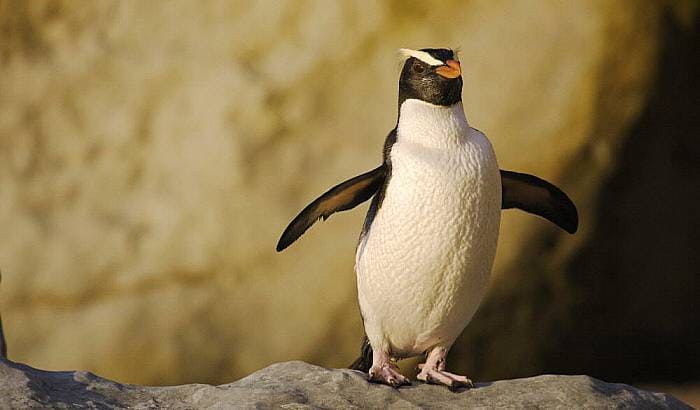
Eudyptes pachyrhynchus
I. Species OverviewThe yellow-browed penguin, a member of the genus Eudyptes, is endemic to the southwestern Fiordland and Stewart···
 LC
LC
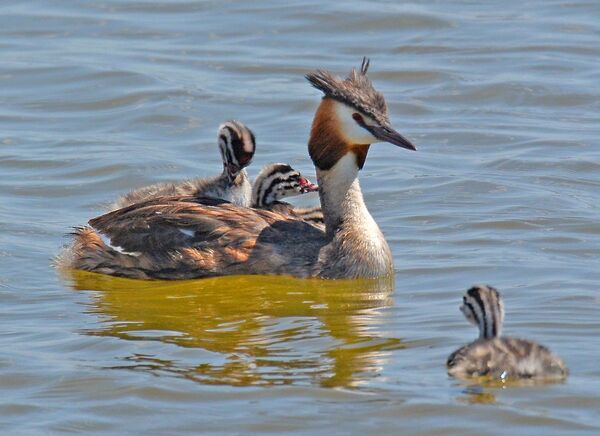
Table of ContentsPhysical CharacteristicsHabitat and EnvironmentBehavior, Lifestyle, and DietDistribution, Migration Patterns, and···
 LC
LC
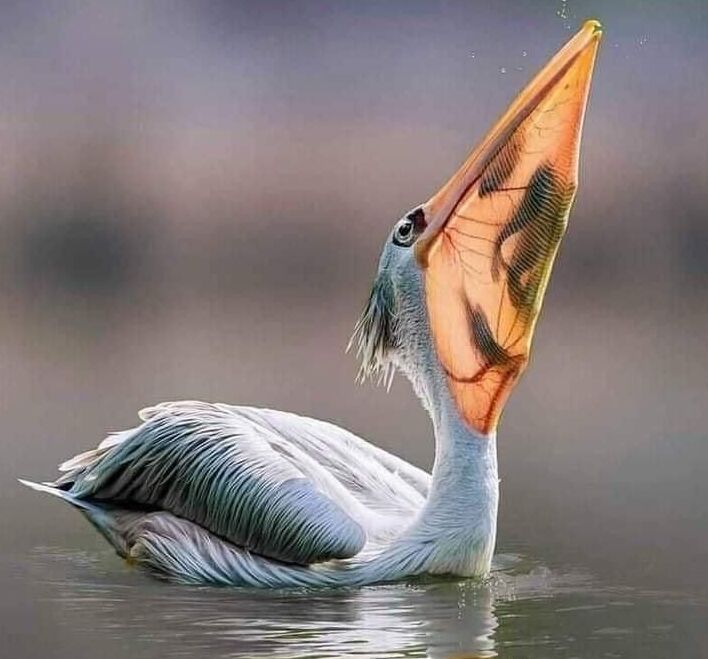
Table of ContentsPhysical CharacteristicsHabitat and EnvironmentBehavior, Lifestyle, and DietGeographic Distribution, Migration Ro···
 LC
LC
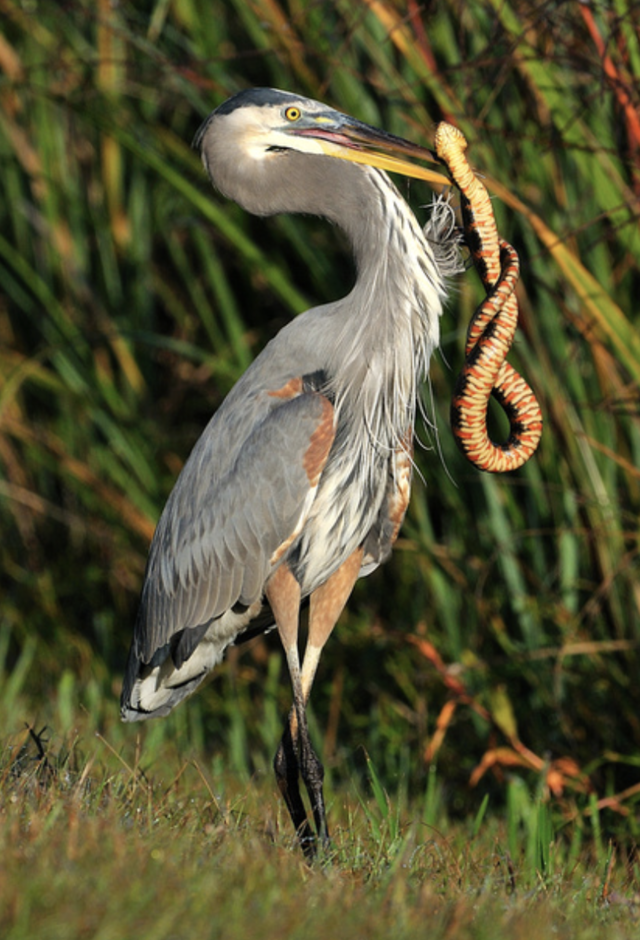
Ardea herodias
Species Scientific ClassificationThe Great Blue Heron (Ardea herodias) is classified as follows:Kingdom: AnimaliaPhylum: ChordataC···
 LC
LC
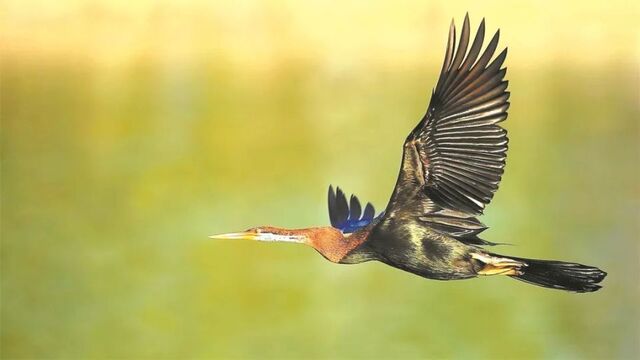
Darter,Snake Bird
The Black-bellied Snake Darter (scientific name: Anhinga melanogaster, foreign name: Darter) is a bird of the family Anhinga in th···
 LC
LC
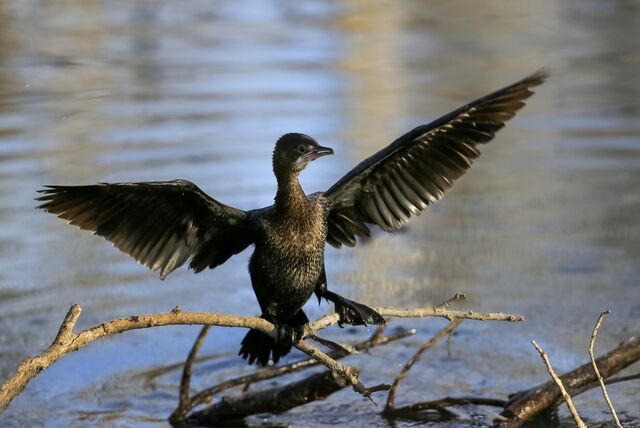
Microcarbo pygmaeus,Pygmy Cormorant
The Pygmy Cormorant (Microcarbo pygmeus) is a seabird of the family Cormoridae. It is the smallest of all cormorants. This species···
 LC
LC
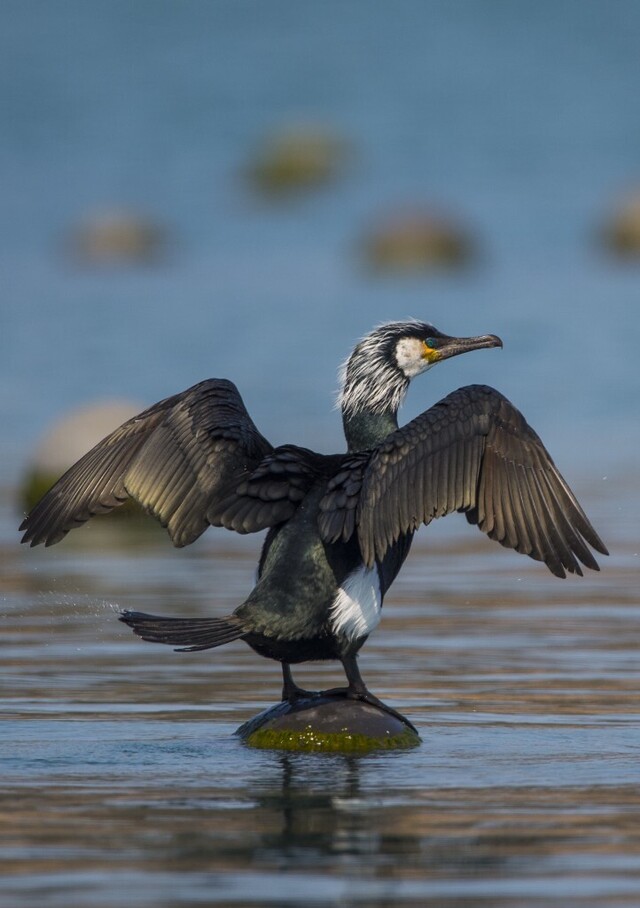
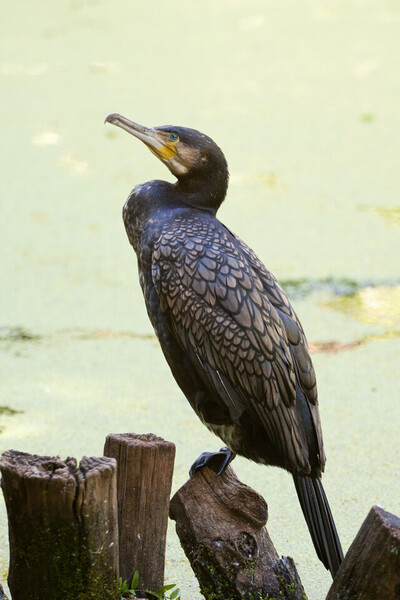
Phalacrocorax capillatus,Temminck et Schlegal,Japanese Cormorant
The dark green-backed cormorant (Phalacrocorax capillatus, Temminck et Schlegal) is also known as the Teminck's cormorant, the···
 LC
LC
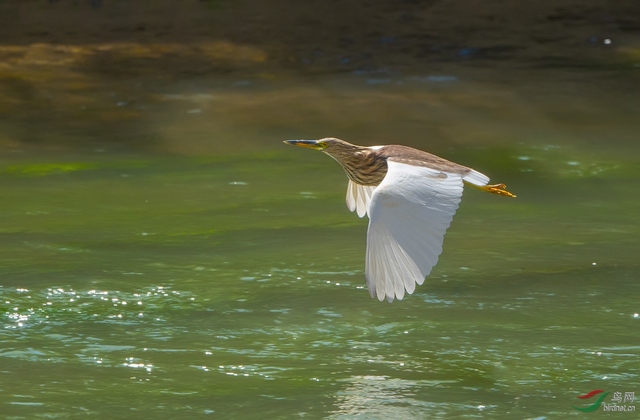
Great Cormorant,Black Shag,Cormorant,White-breasted Cormorant,Heron, river cormorant, water crow, osprey, 鷧 (pronunciation meaning), black ghost, black fish man
The cormorant (scientific name: Phalacrocorax carbo), also known as heron, river cormorant, water crow, osprey, 鷧 (pronounced and···
 LC
LC
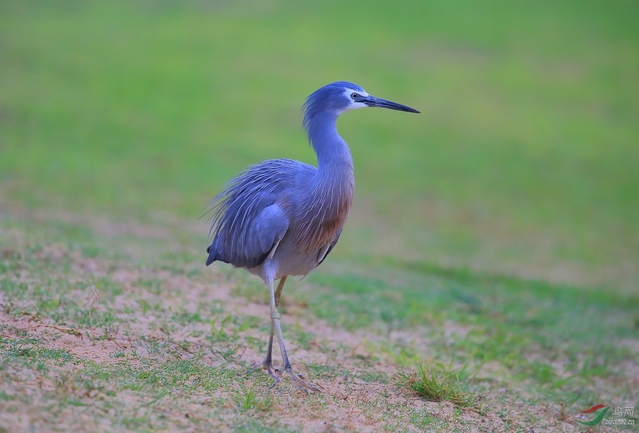
Indian Pond-heron, Indian Pond Heron, Indian Pond-Heron
The Indian Pond Heron (Ardeola grayii) is a medium-sized wading bird, a small heron in the family Ardeidae in the order Pelecanifo···
 LC
LC
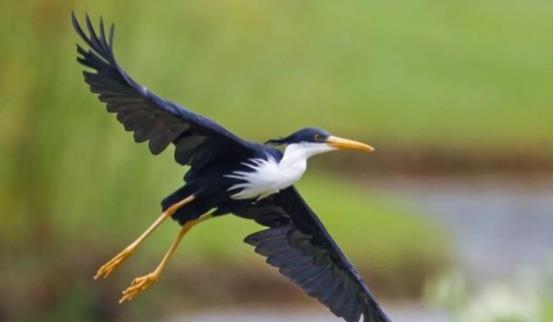
Egretta novaehollandiae,White-faced Heron,White-faced Heron
The white-faced heron (Egretta novaehollandiae), also known as the white-faced heron, is a common bird found throughout much of Au···
 LC
LC
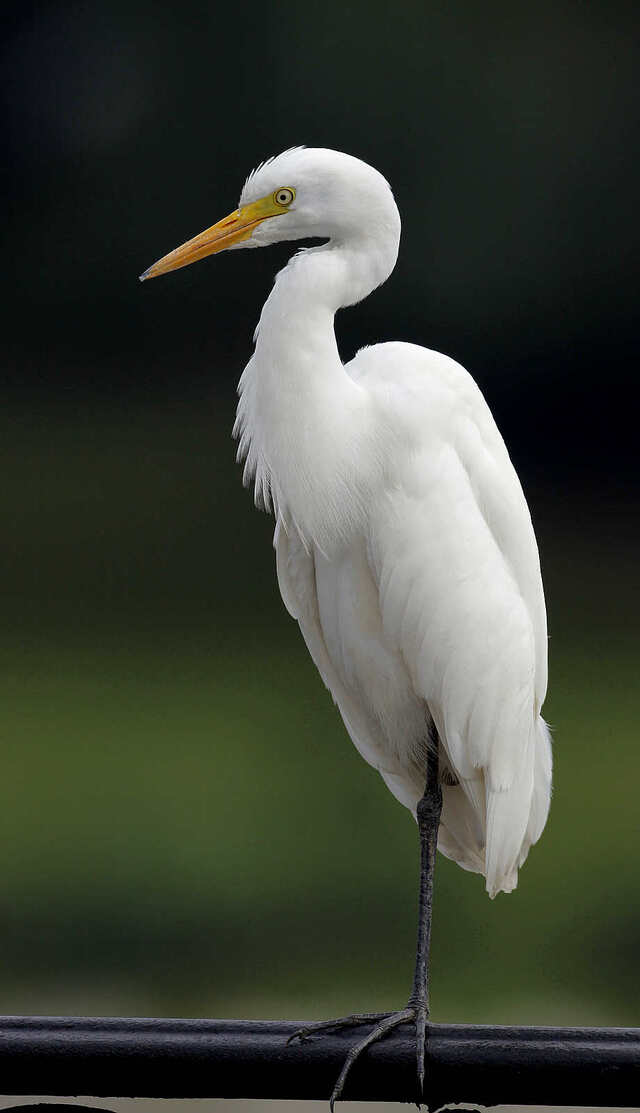
Egretta picata,Pied Heron
The spotted egret (Taiwanese white-necked black egret) (scientific name: Egretta picata) is distributed in Sulawesi, Papua New Gui···
 LC
LC
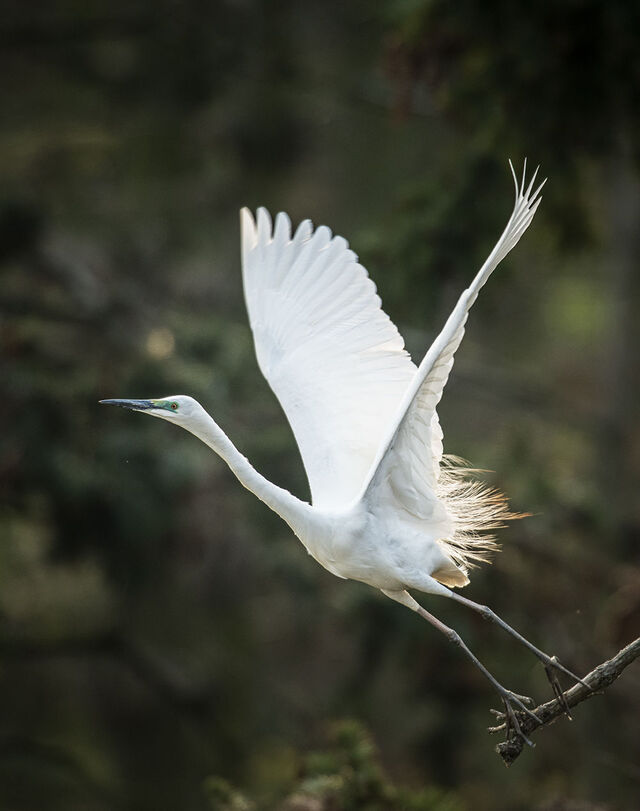
Intermediate Egret,Yellow-billed Egret。Plumed Egret,Mesophoyx intermedia、Egretta intermedia
Ardea intermedia (scientific name: Ardea intermedia) is a bird of the genus Heron in the family Ardeidae, and its common name is t···
 LC
LC
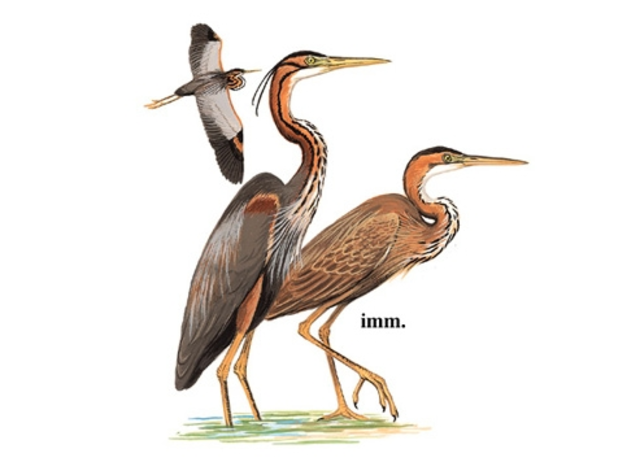
Ardea alba,egret, heron, white floating bird, winter village, great white crane, white crane heron, white village, snow guest
The great egret (scientific name: Ardea alba) is a bird of the genus Egret in the family Ardeidae, order Stork. It is also known a···
 LC
LC
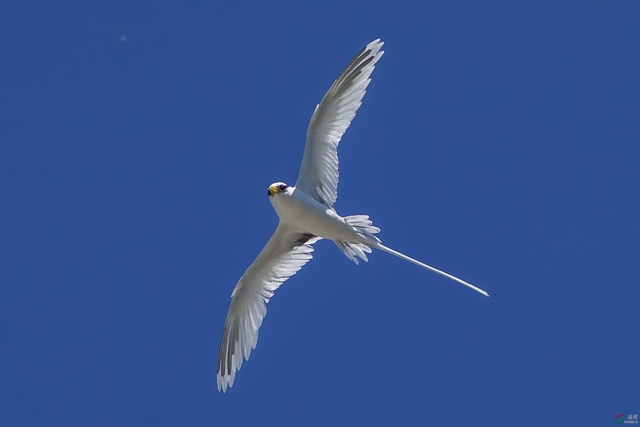
Purple Heron、Purple heron, flower cellar horse, wood heron, long-necked heron
Ardea purpurea is a species of heron in the Ardeidae family. It is also known as purple heron, commonly known as flower cellar hor···
 LC
LC
Phaethon lepturus、White-tailed Tropicbird, Long-tailed tropicbird
White-tailed grebe (scientific name: Phaethon lepturus) is a bird of the genus Phaethon lepturus in the family Phaethonidae. It is···
 LC
LC
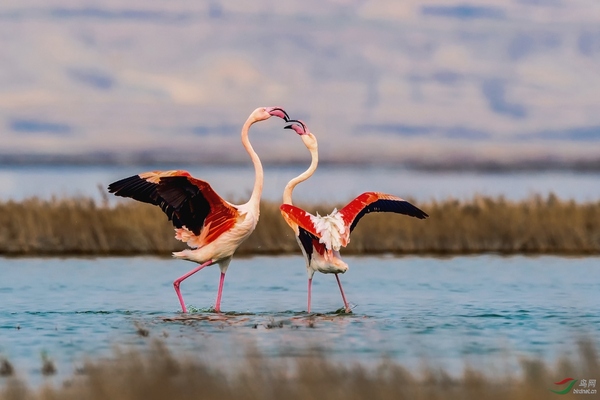
Phoenicopterus roseus,
The Greater Flamingo is a genus of Flamingo in the order Phoenicopteridae, class Aves, phylum Chordata, with 1 genus and 6 species···
 LC
LC
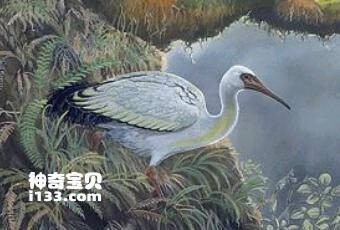
Threskiornis solitarius
The Reunion pigeon (Threskiornis solitarius), also known as the Reunion dodo, is an extinct species endemic to the Reunion. They m···
 LC
LC
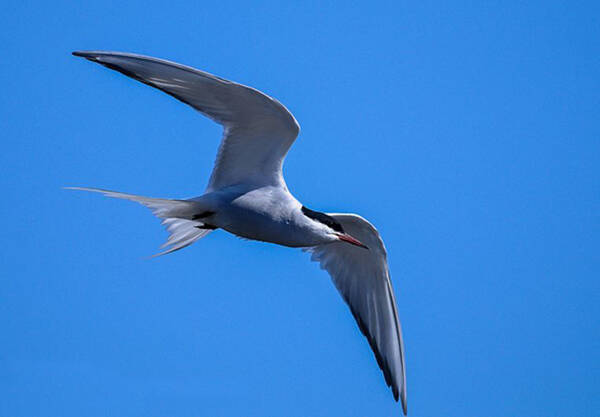
Arctic Tern ,Sterna paradisaea
The Arctic tern is a seabird belonging to the tern genus. It is medium-sized and distributed in the Arctic and nearby areas. It is···
 LC
LC
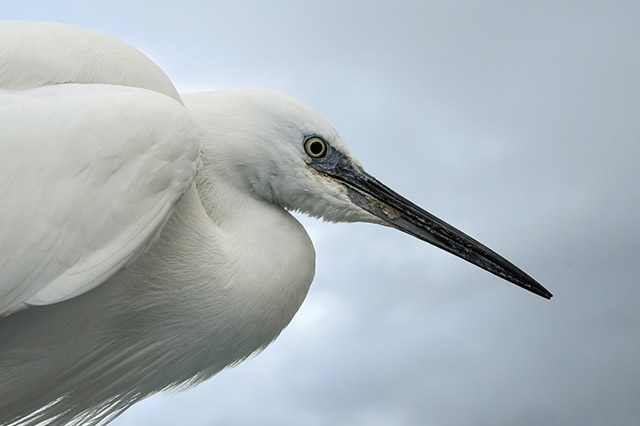
Egretta garzetta,Great Egret, Middle Egret, Little Egret, Yellow-billed Egret
Egrets are a general term for medium-sized wading birds of the genus Egretta. There are 13 species of birds in the genus Egretta, ···
 LC
LC
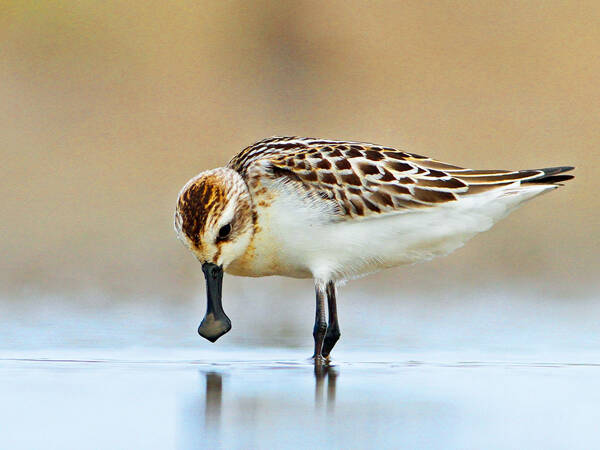
Calidris pygmaea,Shoveler,Spoon-billed Sandpiper
Spoon-billed Sandpiper breeds in the tundra, and is more common in coastal wetlands during migration and wintering. If the first c···
 LC
LC
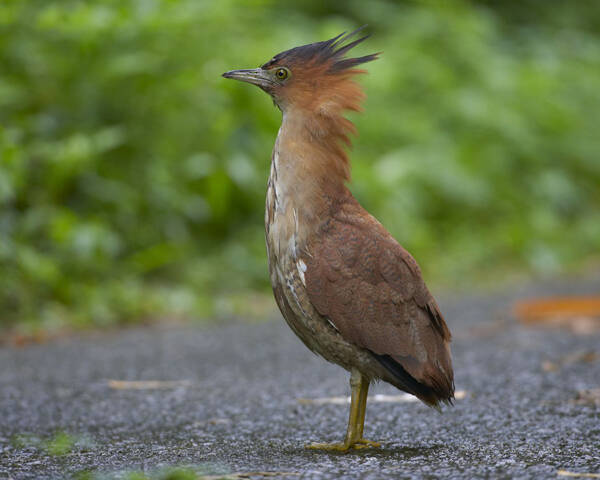
Gorsachius melanolophus,Malayan Night-heron,Black-crowned egret, Black-crowned bittern
The black-crowned bittern, commonly known as the black-crowned bittern, lives in tropical and subtropical areas in southern and so···
 LC
LC
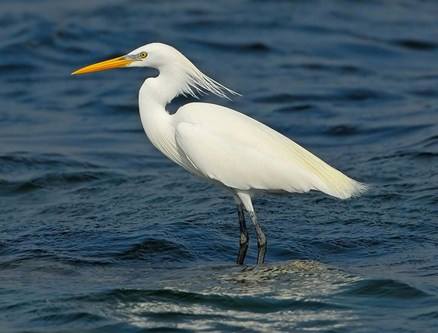
Egretta eulophotes,Chinese Egret,White cocoon, Shiraoi
The Chinese Egret is a medium-sized wading bird with no subspecies.The Chinese Egret has the habit of nesting in groups, repairing···
 LC
LC
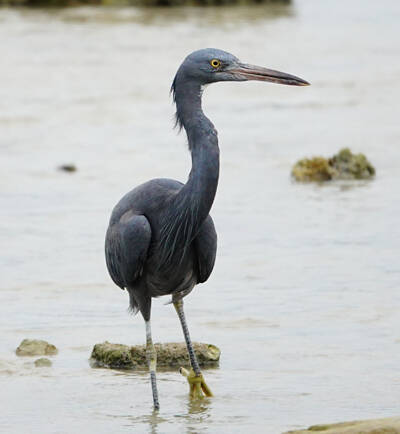
Egretta sacra,Pacific Reef-egret,Pacific Reef Heron, Eastern Reef Egret
Pacific Reef-egret is a medium-sized wading bird with two subspecies.Pacific Reef-egret is a species with a high sense of territor···