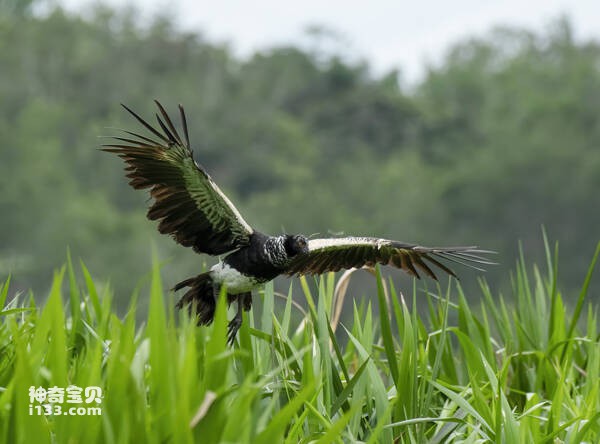
The Silver Teal (Spatula versicolor), also known as the Versicolor Teal, is a small dabbling duck widespread in South America. It is most often seen on freshwater lakes, lagoons and marshes, where it feeds in shallow water along vegetated edges. The species is recognizable by its dark cap-like head pattern and a bluish bill that often shows yellow patches.
Silver Teals feed primarily on plant material such as aquatic seeds and soft vegetation, but they also take insects and other small invertebrates, especially when breeding or when animal prey is abundant. They are commonly found in pairs or small flocks, and under favorable conditions they may gather in larger numbers. The species is listed as Least Concern (LC), but wetland loss, pollution and hunting disturbance can still affect local populations and breeding success.
Taxonomy and naming
The Silver Teal belongs to the order Anseriformes and the family Anatidae. It is placed in the genus Spatula and is known scientifically as Spatula versicolor (historically also treated under Anas). Common English names include Silver Teal and Versicolor Teal.
Physical features
This is a compact duck with a patterned gray-brown body. The head typically shows a dark cap that extends down toward the eye, and the bill is bluish with yellow patches. A green speculum with pale borders may be visible on the wing. Males and females are similar in size, with females often slightly duller in colour.
Range and habitat
It occurs from southern Brazil and parts of Paraguay and Bolivia south through Uruguay and much of Argentina to Chile, and it is also found on the Falkland Islands. It uses freshwater wetlands, shallow lakes, marshes and wet grasslands, and sometimes sheltered estuaries and flooded agricultural fields. Seasonal rainfall and water levels strongly influence local distribution and flocking.
Behaviour and ecology
Silver Teals forage by dabbling and shallow up-ending, often along reed beds and vegetated margins. Activity is frequently higher in the morning and late afternoon. In the southern part of the range, some birds move northward during colder months. Outside breeding season, loose flocks may form on productive wetlands.
Diet
Diet is dominated by aquatic seeds, plant fragments and soft vegetation, supplemented with insects, small crustaceans and other invertebrates. The balance shifts with season, habitat type and breeding demands.
Reproduction and life history
Nesting usually occurs in dense shoreline vegetation such as reeds and grasses near freshwater. Females incubate the clutch, and ducklings are able to feed soon after hatching. Breeding timing varies across the range and is influenced by local climate and wetland water levels.
Relationship with people
Because it often uses wetlands close to towns and farmland, the Silver Teal is commonly encountered by birdwatchers. Wetland protection and responsible hunting management help sustain local populations. Minimizing disturbance near nesting cover is especially important during the breeding season.
Conservation status and threats
The Silver Teal is listed as Least Concern (LC). Key potential threats include wetland drainage and conversion, water pollution, habitat fragmentation and hunting pressure in some areas. Protecting shallow wetlands and maintaining natural water regimes are important for long-term stability.