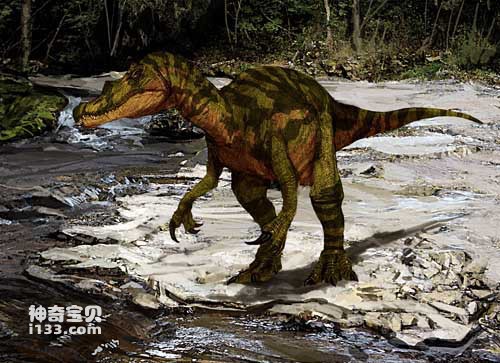
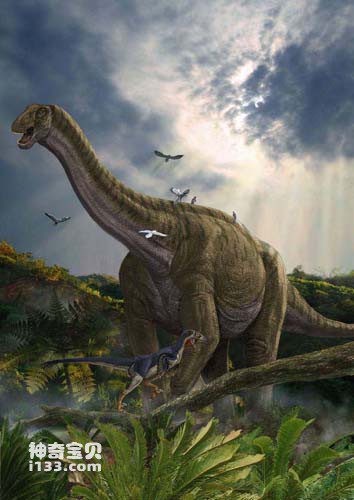
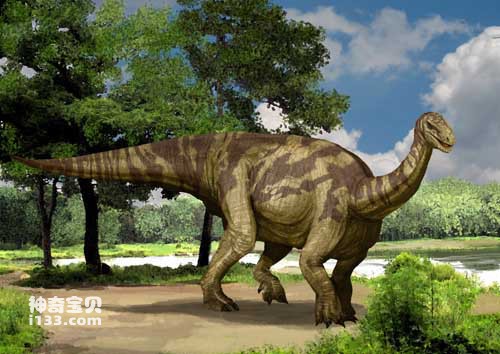
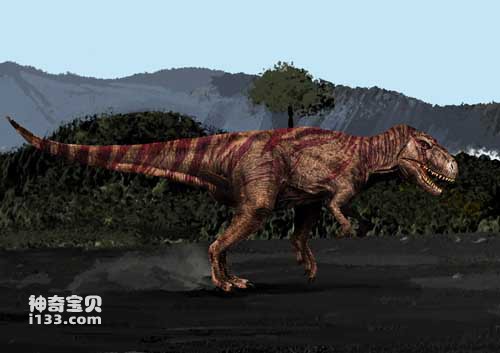
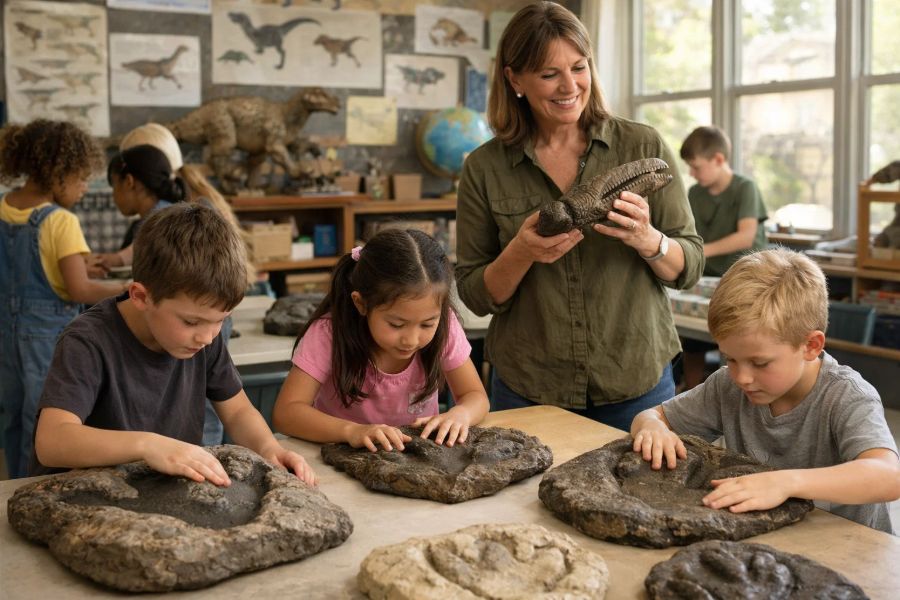
In Poland, Dzień Dinozaura (Dinosaur Day) is popularly observed on February 26 each year (in 2026 it falls on a Thursday). This “unusual holiday” is especially common in preschools and primary schools, where it’s used to spark children’s curiosity about deep time, fossils, and evolution.
At its best, Dzień Dinozaura is more than costumes and cartoons: it’s a gateway to real paleontology—how we infer behavior from footprints, how we date rocks, and why birds are living dinosaurs.
1) When is “Dinosaur Day”? Poland vs. international observances
There is no single globally standardized Dinosaur Day. Popular calendars note that Poland commonly uses Feb 26, while some communities elsewhere observe dinosaur-themed days on June 1 or the third Tuesday of May. Some “holiday” sites also list May 15 and June 1 as dinosaur celebration dates.
Table 1 — Dinosaur-themed observances you’ll see online
| Name used (common) | Typical date | Where it’s commonly referenced | What it’s usually for |
|---|---|---|---|
| Dzień Dinozaura (Poland) | Feb 26 | Polish calendars, schools, media | Classroom activities, curiosity about prehistory |
| International Dinosaur Day | 3rd Tuesday in May | Education/community initiatives, informal calendars | Dino outreach + STEM learning |
| Dinosaur Day (varies by site) | June 1 (often) | Informal holiday calendars | Pop-culture celebration |
| National Dinosaur Day (varies by site) | May 15 (often) | Informal holiday calendars | Family/museum-themed celebration |
Scientific takeaway: the exact date is cultural; the science you teach can be consistent year-round.
2) What dinosaurs really are (and why the holiday is scientifically useful)
2.1 The word “dinosaur” has a real history
The scientific name Dinosauria was coined in 1842 by Richard Owen, and the phrase is often translated as “terrible lizards,” though museum explanations note Owen’s meaning is closer to “fearfully great,” emphasizing their size and grandeur.
2.2 Dinosaurs are not “giant lizards”
Modern research shows dinosaurs are a distinct group on the reptile family tree, with many features (posture, hips, limbs) unlike typical lizards. A key modern insight is that birds evolved from theropod dinosaurs—meaning dinosaurs did not fully vanish.
2.3 “Are dinosaurs extinct?”
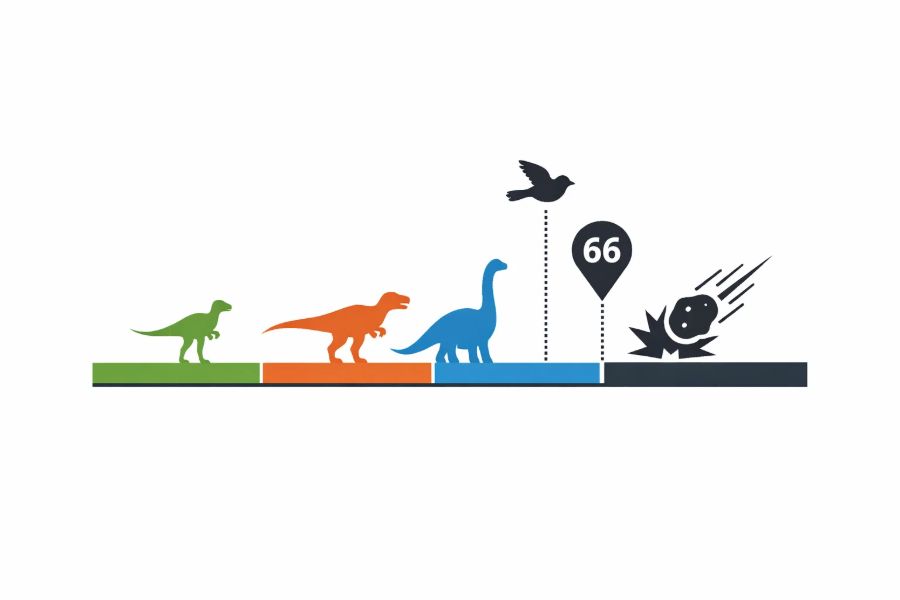
Non-avian dinosaurs died out at the end of the Cretaceous, during the Cretaceous–Paleogene extinction event ~66 million years ago, with an asteroid impact often described as the “final blow.”
Avian dinosaurs (birds) survived and diversified—so in a biological sense, dinosaurs are still here.
3) Poland’s dinosaur connection: footprints are fossils too
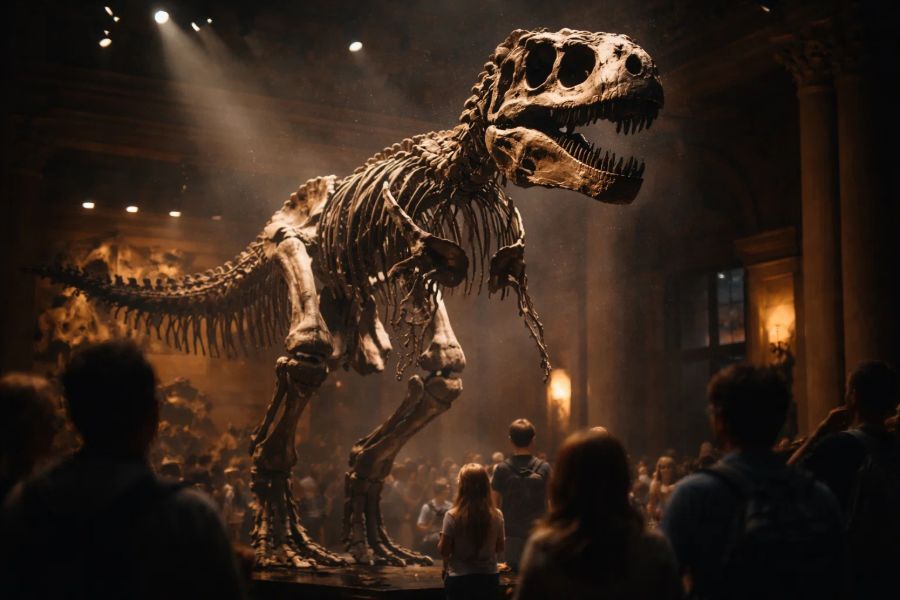
A powerful way to make Dzień Dinozaura “real” is to connect it to Poland’s own fossil record, especially dinosaur track discoveries. Poland’s National Geological Institute (Państwowy Instytut Geologiczny – PIB) reports it holds one of the largest dinosaur track collections in Europe, and it regularly publishes educational materials about these sites.
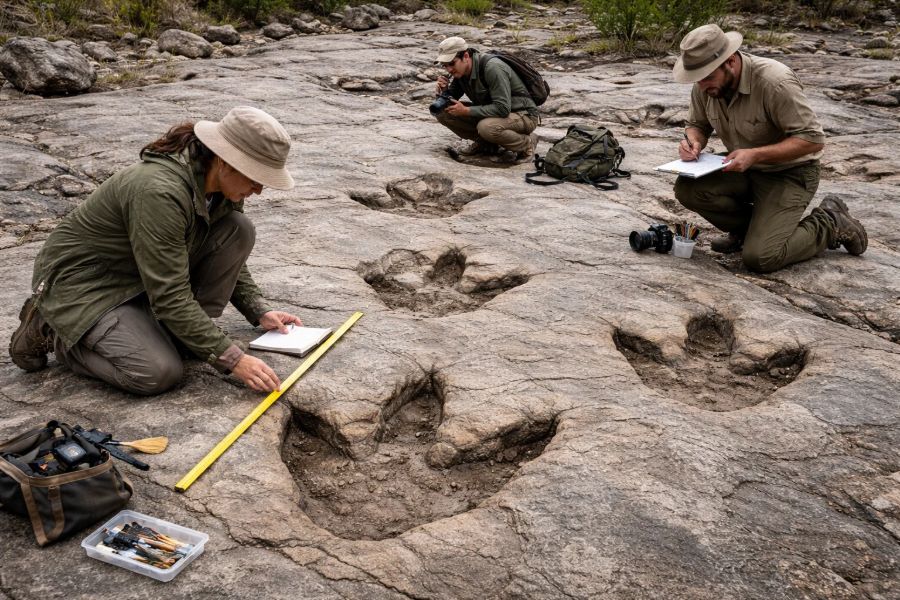
Why tracks matter: bones tell you anatomy; tracks can tell you behavior—walking direction, group movement, speed estimates, and even resting or slipping traces in rare cases.
4) How to celebrate Dzień Dinozaura like a scientist (not just a fan)
Below are activities that mimic how paleontologists think: hypothesis → evidence → interpretation.
Table 2 — Dzień Dinozaura activity kit (school/family)
| Activity | What you need | What students learn | “Scientist habit” trained |
|---|---|---|---|
| Footprint casting lab | Modeling clay + plaster | How tracks form; why substrate matters | Controlled experiment |
| Deep-time timeline walk | Tape measure + labels | “66 million years” as a scale, not a phrase | Scale reasoning |
| Skull/teeth sorting game | Printed tooth shapes | Why conical vs blade-like teeth imply diet | Form → function inference |
| Bird-as-dinosaur observation | Binoculars + notebook | Birds as living dinosaurs; theropod traits | Comparative anatomy |
| Fossil detective station | Photos of tracks/bones | Evidence vs speculation | Critical thinking |
Polish schools commonly use Dino Day for films, paleontologist introductions, crafts, and themed learning corners—so these “science upgrades” fit naturally into existing celebrations.
5) Mini-FAQ (answers you can quote during Dino Day)
Q1: Why do kids love dinosaurs so much?
Because dinosaurs combine real science (fossils, evolution) with imagination (size, ecosystems, mystery). Dino Day works because it starts with wonder and ends with evidence-based thinking.
Q2: If birds are dinosaurs, what’s the “closest dinosaur” to me?
Any living bird. Museums and universities explicitly present birds as avian dinosaurs within Dinosauria.
Q3: What ended the dinosaurs?
A mass extinction around 66 million years ago, with an asteroid impact and severe environmental disruption; the last non-avian dinosaurs disappeared, while birds survived.
References (bibliography)
Kalbi (Kalendarz). “Dzień Dinozaura” — Poland observes it on February 26; notes other countries’ dates.
RMF24. “26 lutego w Polsce obchodzony jest Dzień Dinozaura…” (news coverage).
Państwowy Instytut Geologiczny – PIB. “Tropami polskich dinozaurów” — institute holds one of Europe’s largest dinosaur track collections.
Natural History Museum (London). “How dinosaurs got their name” (Owen, Dinosauria; meaning nuance).
Linda Hall Library. “The word ‘Dinosaur’ is coined, 1842” (historical summary).
Natural History Museum (London). “How an asteroid caused extinction of dinosaurs” (K–Pg extinction ~66 Ma).
Natural History Museum (London). “Why are birds the only surviving dinosaurs?” (birds evolved from theropod dinosaurs).
UC Museum of Paleontology (UC Berkeley). “The Dinosauria” (birds considered dinosaurs; dinosaurs not technically extinct).
Fossil Crates (blog). Notes International Dinosaur Day is often observed on the third Tuesday in May (informal origin discussion).
National Today. “Dinosaur Day” (popular-calendar dates such as May 15 and June 1).