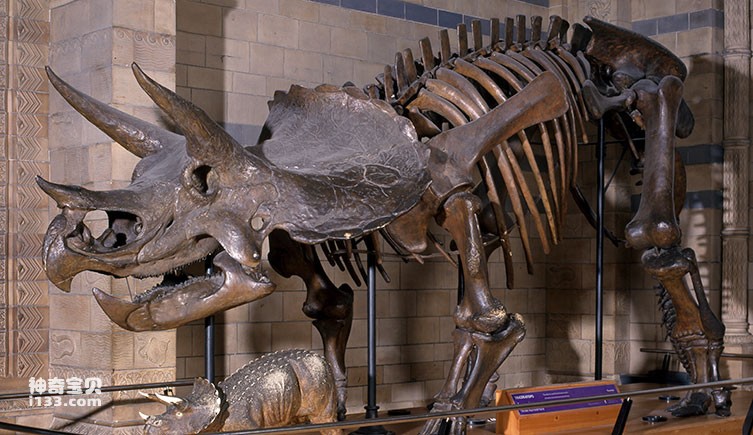
Dinosaurs were not “cruel” in the human sense. They hunted, fought, scavenged, defended territory, and competed for mates because those behaviors helped them survive. Still, some dinosaurs looked terrifying for good reason: crushing jaws, blade-like teeth, strange skull weapons, powerful claws, or enormous bodies. From the bone-cracking bite of Tyrannosaurus rex to the sail-backed Spinosaurus and the cannibalism-linked Majungasaurus, these dinosaurs reveal how intense life could be in the Mesozoic world.
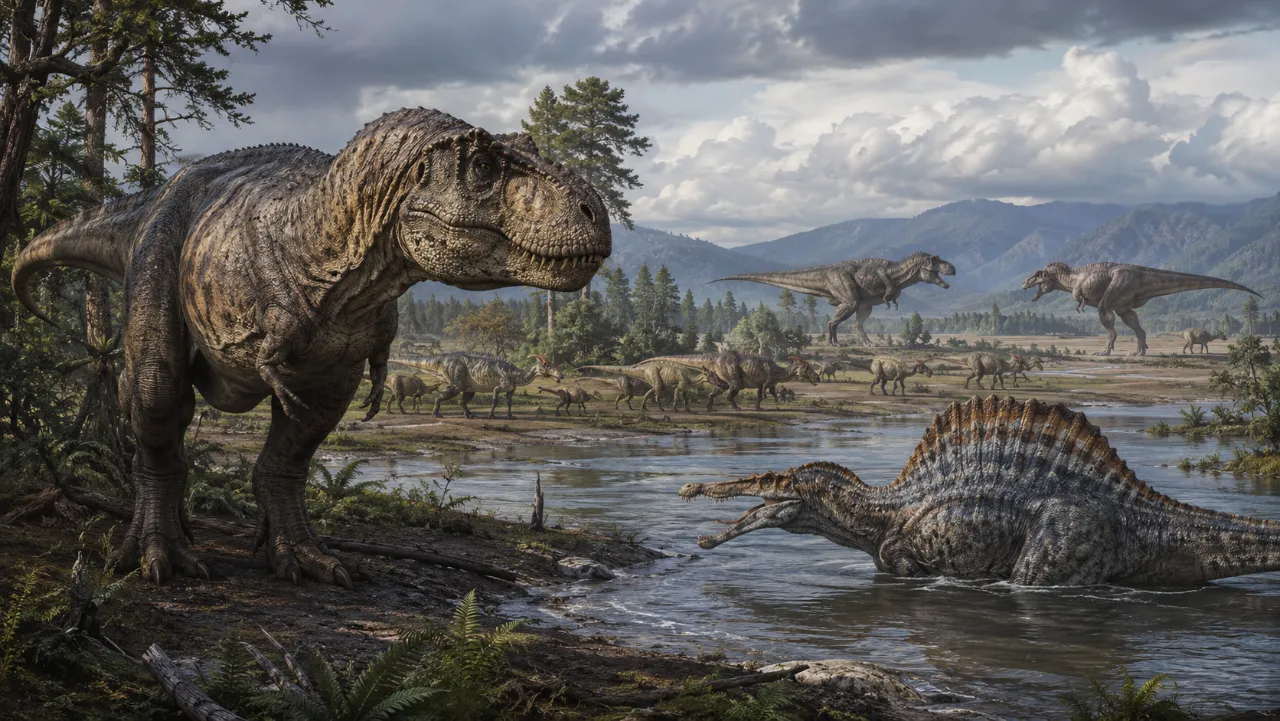
Quick Comparison Table
| Dinosaur | Time Period | Main Region | Diet | Why It Was Fearsome |
|---|---|---|---|---|
| Tyrannosaurus rex | Late Cretaceous | North America | Carnivore | Massive skull, bone-crushing bite, thick teeth |
| Giganotosaurus | Late Cretaceous | Argentina | Carnivore | One of the largest land predators |
| Majungasaurus | Late Cretaceous | Madagascar | Carnivore | Evidence suggests possible cannibalism |
| Eocarcharia | Early Cretaceous | Niger, Africa | Carnivore | Blade-like teeth and heavy brow bones |
| Masiakasaurus | Late Cretaceous | Madagascar | Carnivore / small-prey hunter | Forward-pointing teeth for gripping prey |
| Mapusaurus | Late Cretaceous | Argentina | Carnivore | Giant carcharodontosaurid with slicing teeth |
| Spinosaurus | Cretaceous | North Africa | Fish and other prey | Huge body, crocodile-like jaws, tall sail |
| Falcarius | Early Cretaceous | Utah, North America | Likely herbivorous / omnivorous | Transitional therizinosaur with clawed hands |
| Hadrosaurs | Late Cretaceous | Many regions | Herbivore | Powerful plant-processing dental batteries |
| Allosaurus | Late Jurassic | North America and Europe | Carnivore | Agile predator with strong arms and sharp claws |
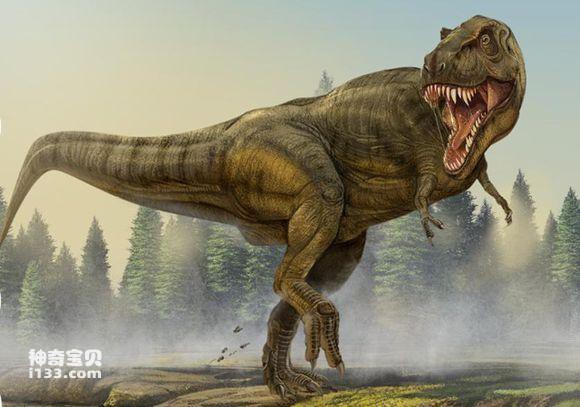
Tyrannosaurus rex: The Bone-Crushing King
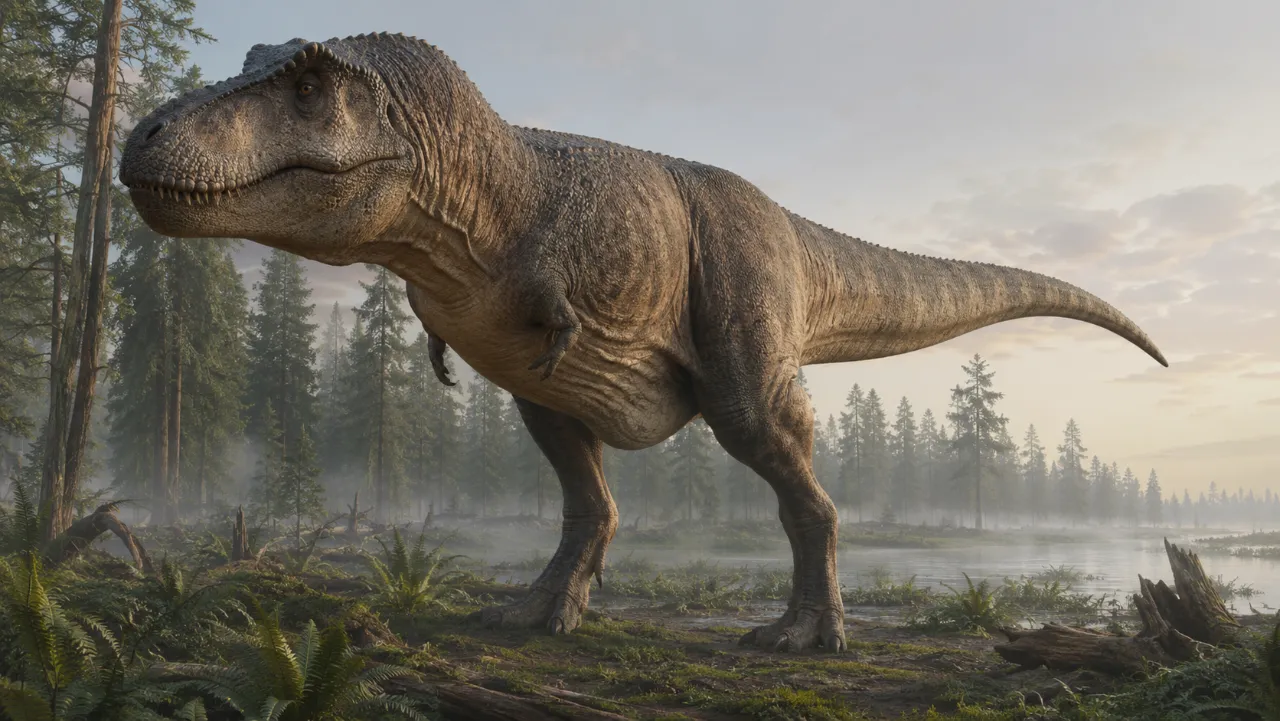
Tyrannosaurus rex is the classic symbol of dinosaur power. It lived near the end of the Cretaceous Period in western North America and had one of the most intimidating skulls of any land predator. Its jaws were deep, its teeth were thick and serrated, and its bite was built not just to cut flesh but to crush bone.
Unlike the thin, blade-like teeth of some other theropods, T. rex teeth were more like reinforced spikes. This made them effective for gripping, puncturing, and breaking through tough tissue. Fossil evidence also shows that T. rex interacted directly with large herbivores, including hadrosaurs and ceratopsians. It was not merely a movie monster; it was a real apex predator adapted for violent feeding behavior.
Giganotosaurus: The Giant Predator of Argentina
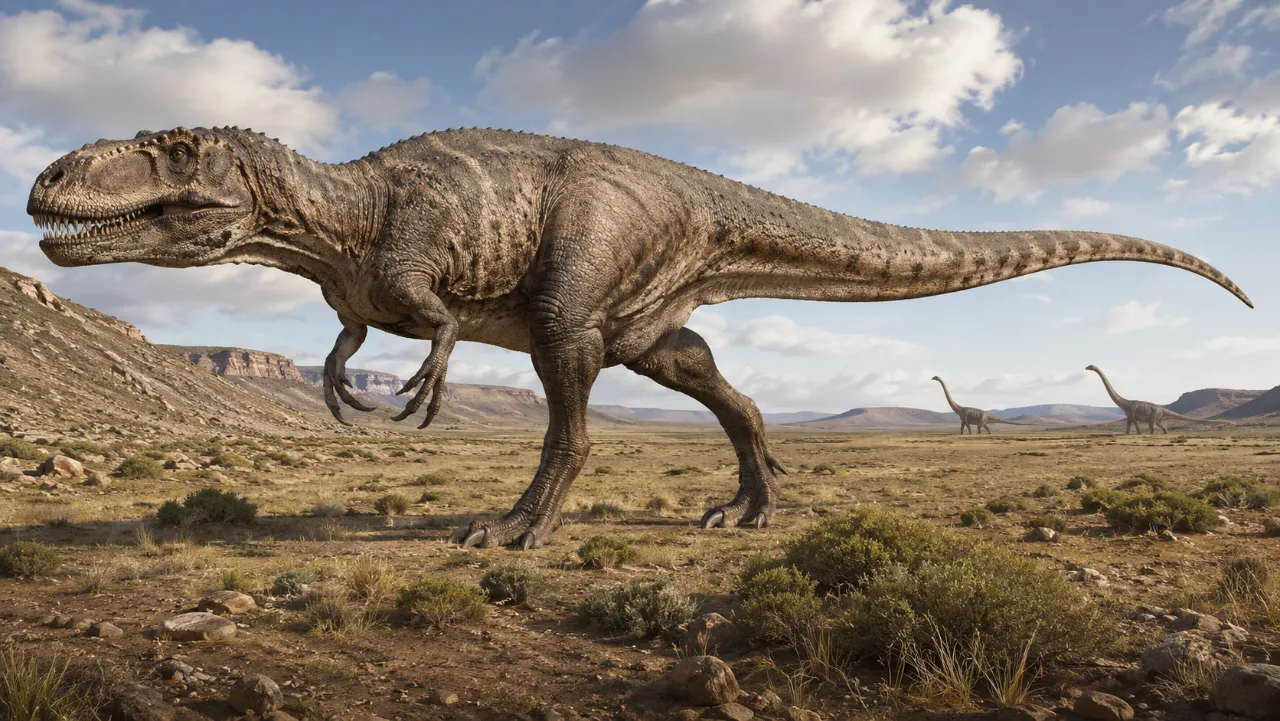
Giganotosaurus was one of the largest meat-eating dinosaurs known from South America. It lived in what is now Argentina during the Late Cretaceous and belonged to the carcharodontosaurid group, a family of giant theropods with long skulls and slicing teeth.
While T. rex is famous for crushing force, Giganotosaurus likely relied more on cutting and tearing. Its teeth were shaped like blades, useful for opening deep wounds in large prey. It lived in ecosystems that included enormous sauropods, meaning its hunting strategy may have involved attacking very large animals rather than overpowering smaller prey in a single bite.
Majungasaurus: The Dinosaur Linked to Cannibalism
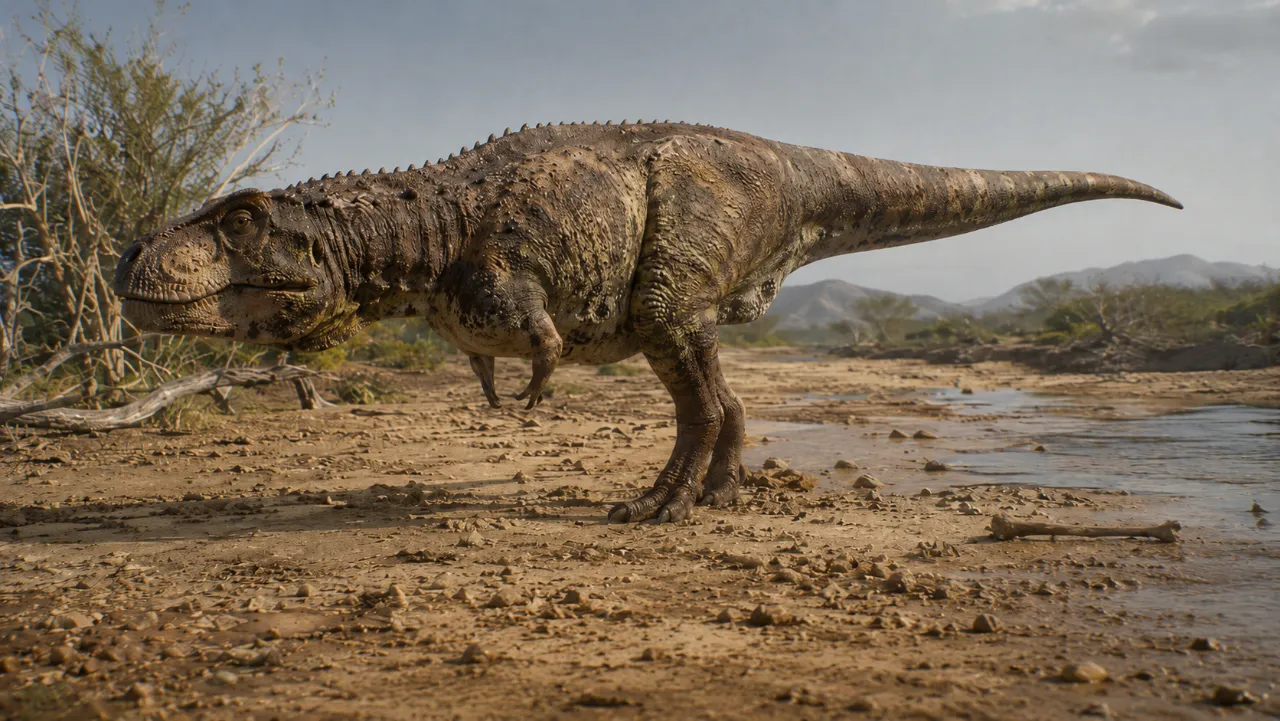
Majungasaurus lived in Madagascar near the end of the Cretaceous Period. It was an abelisaurid theropod, a group known for short, deep skulls and very reduced forelimbs. What makes Majungasaurus especially famous is the evidence that some individuals fed on members of their own species.
Cannibalism is not “evil” in nature. It can occur when food is scarce, when carcasses are available, or during intense competition. In the case of Majungasaurus, tooth marks found on Majungasaurus bones suggest that at least some individuals scavenged or consumed their own kind. This makes it one of the most striking examples of harsh survival behavior in the dinosaur fossil record.
Eocarcharia: The “Dawn Shark” with a Fierce Brow
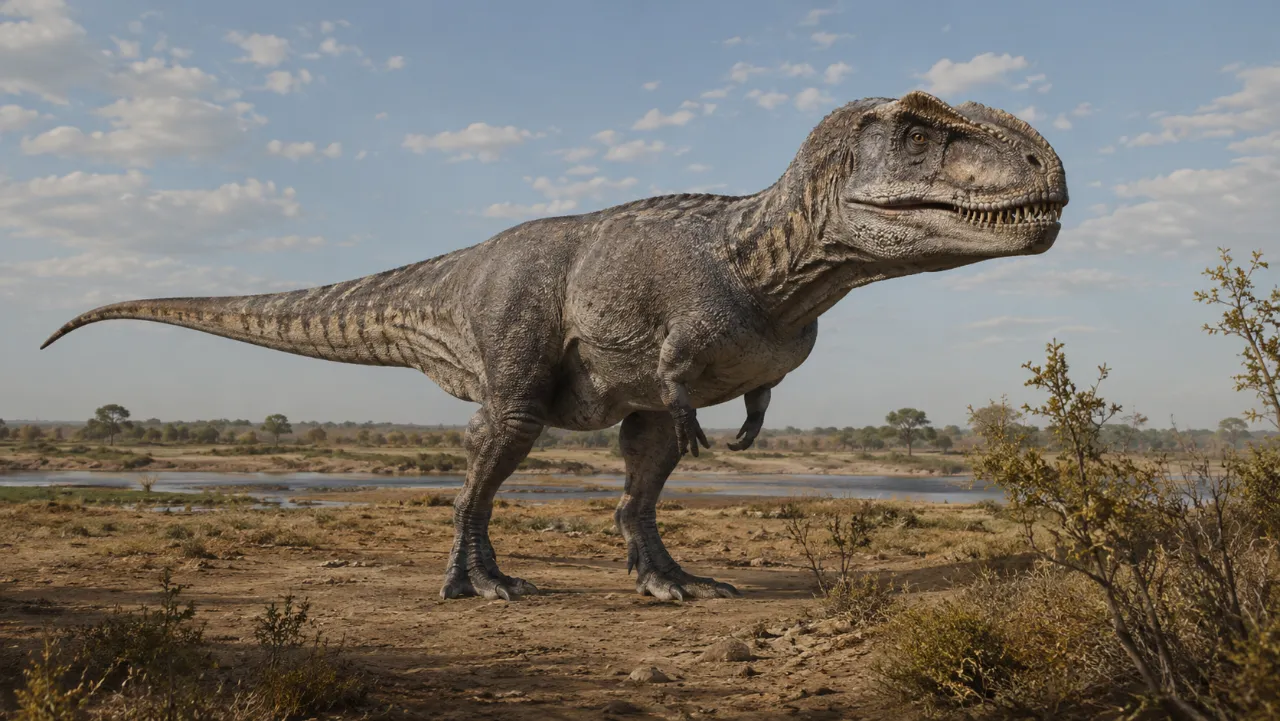
Eocarcharia, whose name means “dawn shark,” lived in what is now Niger during the Early Cretaceous. It was a carcharodontosaurid, related to other large meat-eaters with sharp, compressed teeth.
Its teeth were suited for slicing flesh, but its skull also had another interesting feature: a thick, prominent brow over the eye region. Paleontologists have suggested that this heavy brow may have played a role in display or combat between individuals. In other words, Eocarcharia may have used its skull not only for feeding, but also for competition within its own species.
Masiakasaurus: The Strange-Toothed Small Predator
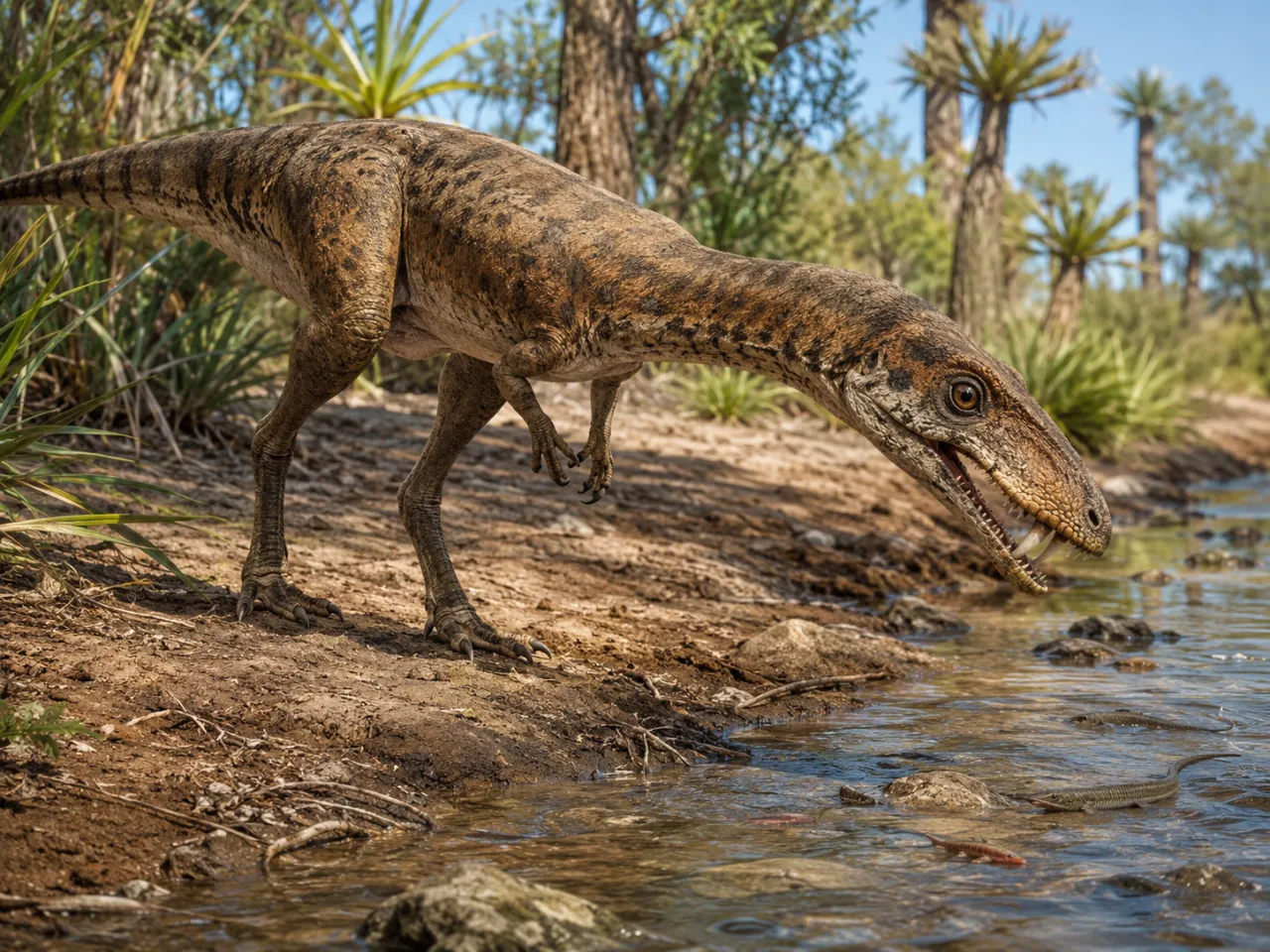
Masiakasaurus was not as huge as T. rex or Giganotosaurus, but it was one of the strangest-looking predatory dinosaurs. It lived in Madagascar during the Late Cretaceous and had forward-projecting front teeth unlike those of most theropods.
These unusual teeth may have helped it grab slippery or small prey such as fish, lizards, or other small animals. Its mouth looked almost crooked compared with the cleaner jawline of larger predators. But in evolution, strange does not mean weak. Masiakasaurus shows that smaller predators could be highly specialized and successful in their own ecological niches.
Mapusaurus: A Giant with Knife-Like Teeth
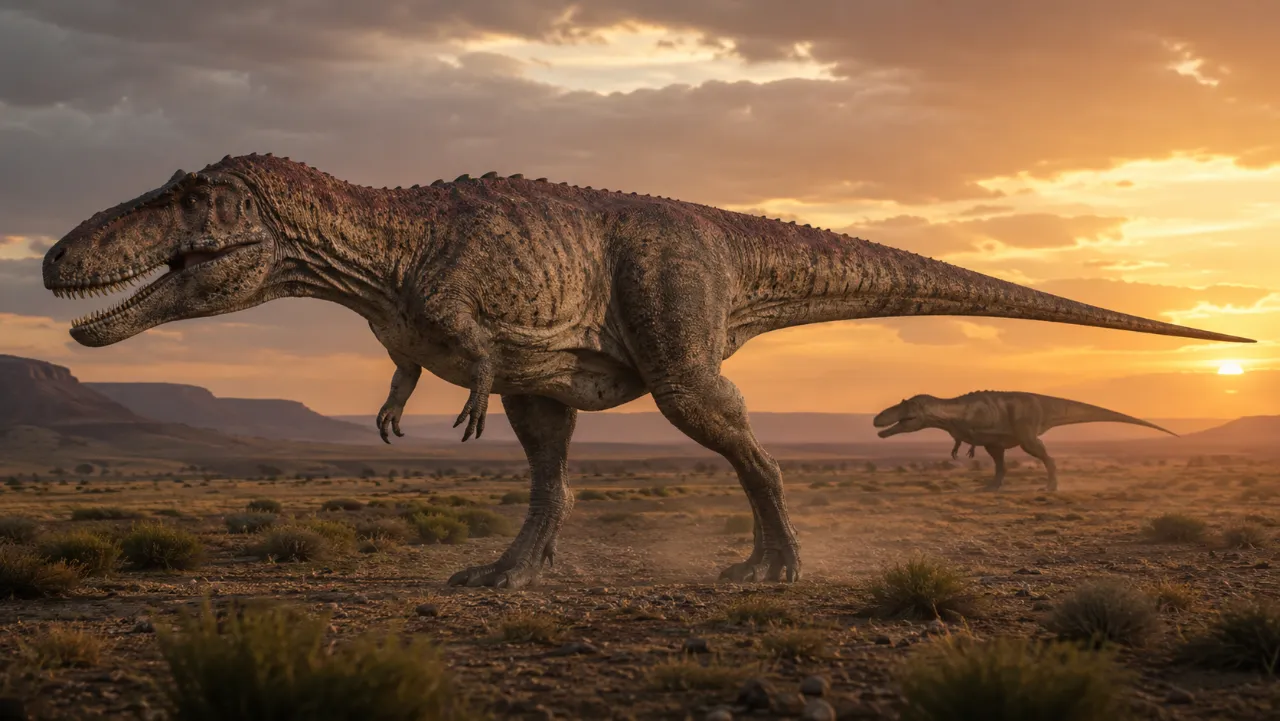
Mapusaurus roseae was another enormous carcharodontosaurid from Argentina. It was closely related to Giganotosaurus and belonged to the same general world of giant southern predators. Its long skull and narrow, serrated teeth suggest an animal built for slicing flesh rather than crushing bone.
Some fossil discoveries of Mapusaurus include multiple individuals found together, which has led to discussion about whether these dinosaurs may have gathered in groups. That does not prove coordinated pack hunting, but it does suggest that their behavior may have been more complex than a simple lone-monster image.
Spinosaurus: The Sail-Backed River Predator
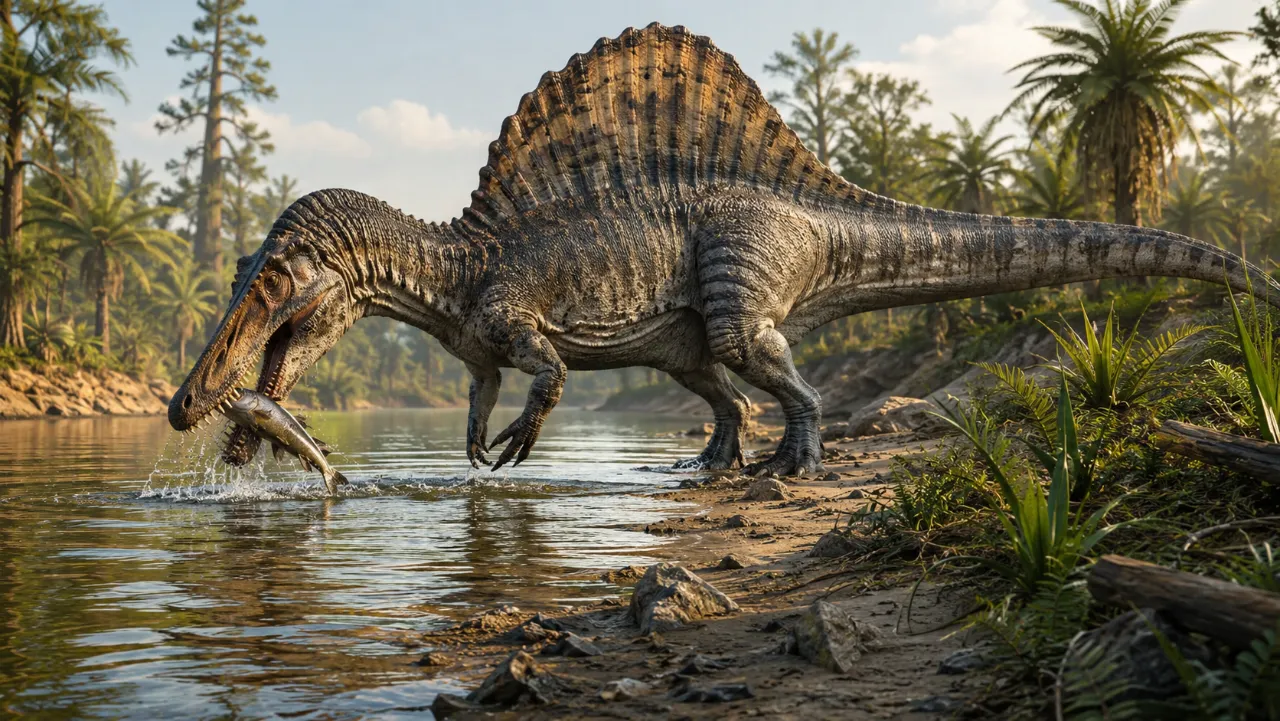
Spinosaurus is one of the most unusual large theropods ever discovered. It had a long, narrow skull similar in outline to a crocodile’s, conical teeth suited for gripping, and a tall sail formed by elongated neural spines on its back.
Unlike many large theropods, Spinosaurus appears to have been strongly associated with water. It likely fed heavily on fish and other aquatic or semi-aquatic prey. Its exact lifestyle is still debated, but the general picture is clear: this was not just another land predator. Spinosaurus occupied a very different role, living near river systems and using a body plan unlike that of T. rex or Allosaurus.
Falcarius: The Clawed Dinosaur at an Evolutionary Turning Point
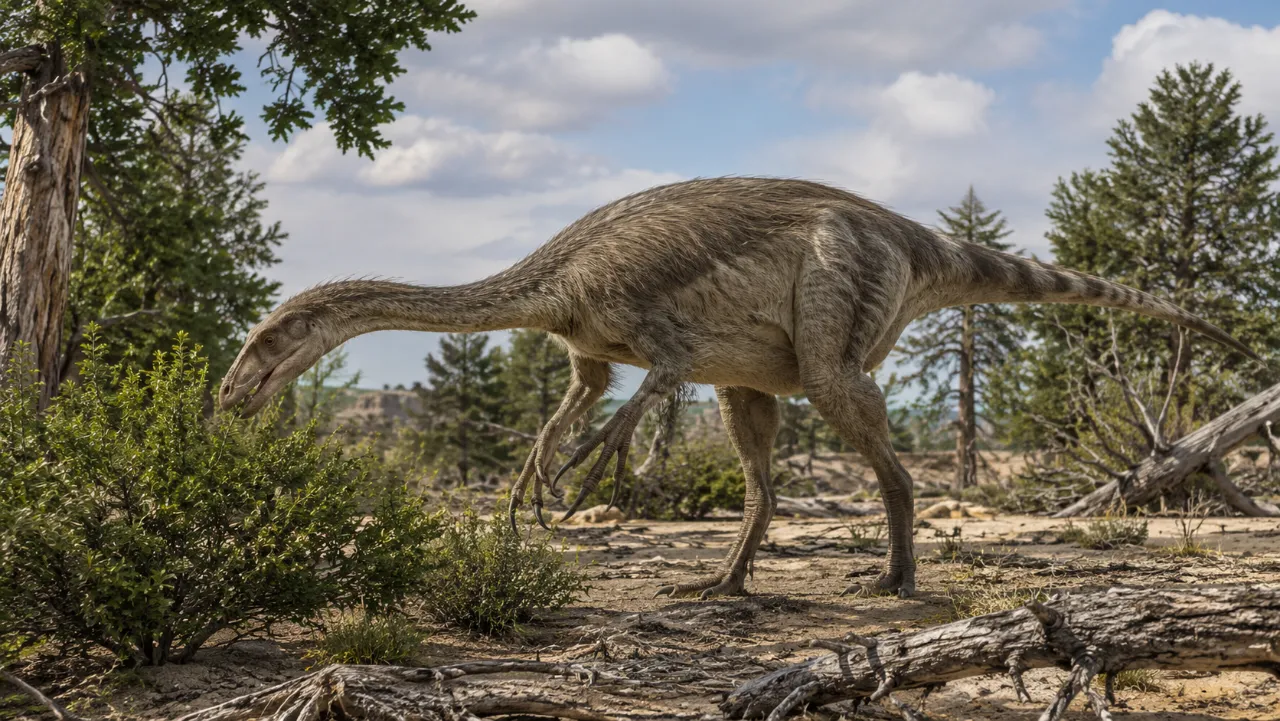
Falcarius utahensis was not a giant predator, and it does not belong on a list of “cruel” dinosaurs in the usual sense. However, it is fascinating because it represents an early stage in the evolution of therizinosaurs, a group of theropods that moved toward herbivory.
Falcarius had a long neck, clawed hands, and features that suggest a shift away from the classic meat-eating theropod lifestyle. Later therizinosaurs became famous for huge claws, pot-bellied bodies, and plant-eating adaptations. Falcarius helps show that dinosaur evolution was not a straight line from “small predator” to “bigger predator.” Some theropods changed direction completely.
Hadrosaurs: Plant-Eating Machines, Not Gentle Giants
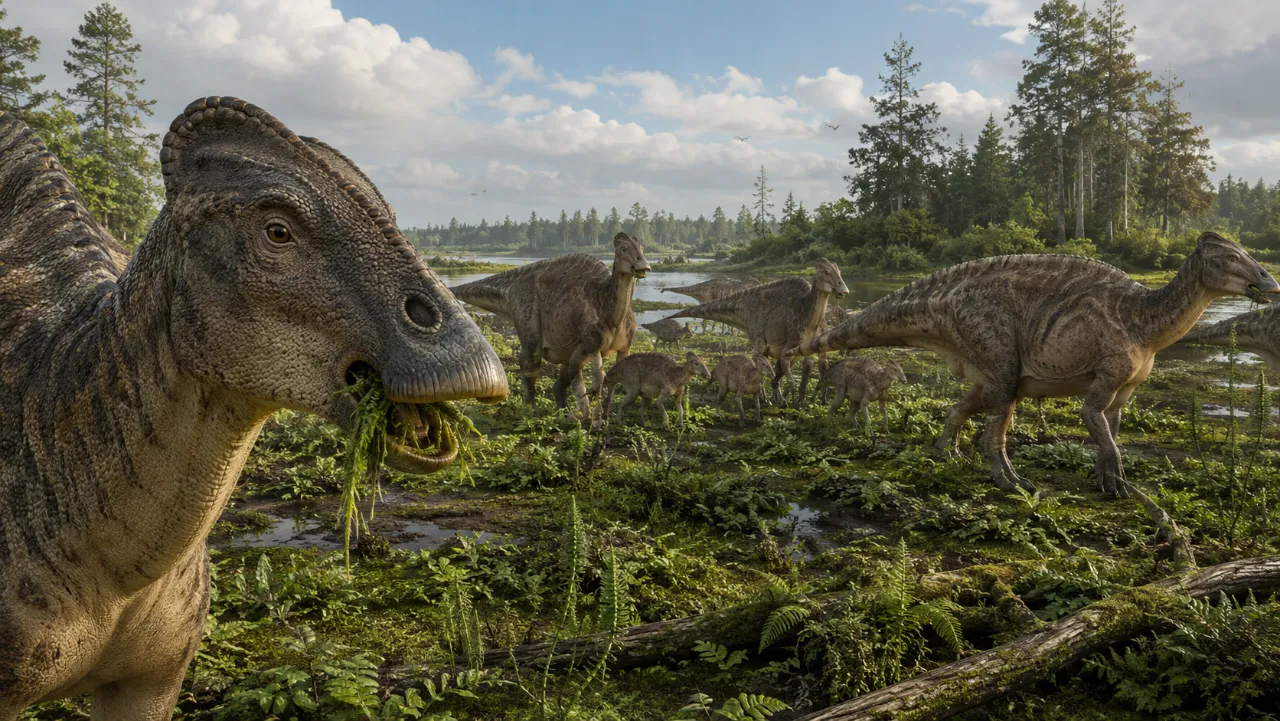
Hadrosaurs, often called duck-billed dinosaurs, were herbivores, but that does not mean they were harmless. Many were large animals with strong bodies, powerful legs, and highly advanced teeth. Their jaws contained dental batteries: tightly packed rows of replacement teeth that formed grinding surfaces for processing tough vegetation.
A large hadrosaur could consume enormous amounts of plant matter and move through its environment like a living harvesting machine. They were prey for large carnivores, but adults were not easy targets. Their size, herd behavior, speed, and numbers made them successful dinosaurs across many Late Cretaceous ecosystems.
Allosaurus: The Jurassic Hunter Built for Attack
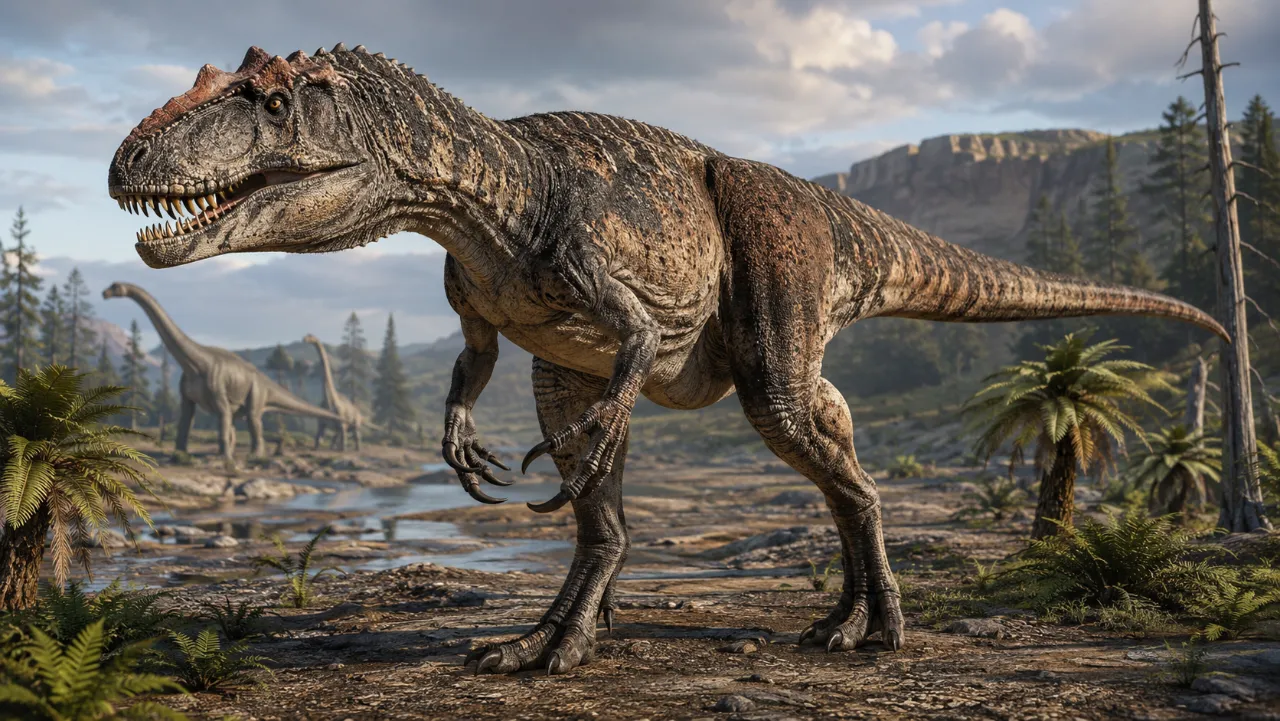
Allosaurus lived much earlier than T. rex, during the Late Jurassic Period. It was not the largest meat-eating dinosaur ever, but it was one of the dominant predators of its time. It had a large skull, sharp teeth, strong hind limbs, and powerful arms with large claws.
Compared with T. rex, Allosaurus probably used a different hunting style. Its skull was lighter, its arms were more useful, and its teeth were better suited for cutting than crushing. It likely attacked large herbivores such as stegosaurs and sauropods, using speed, jaw strikes, and clawed forelimbs to injure prey.
Were These Dinosaurs Really “Cruel”?
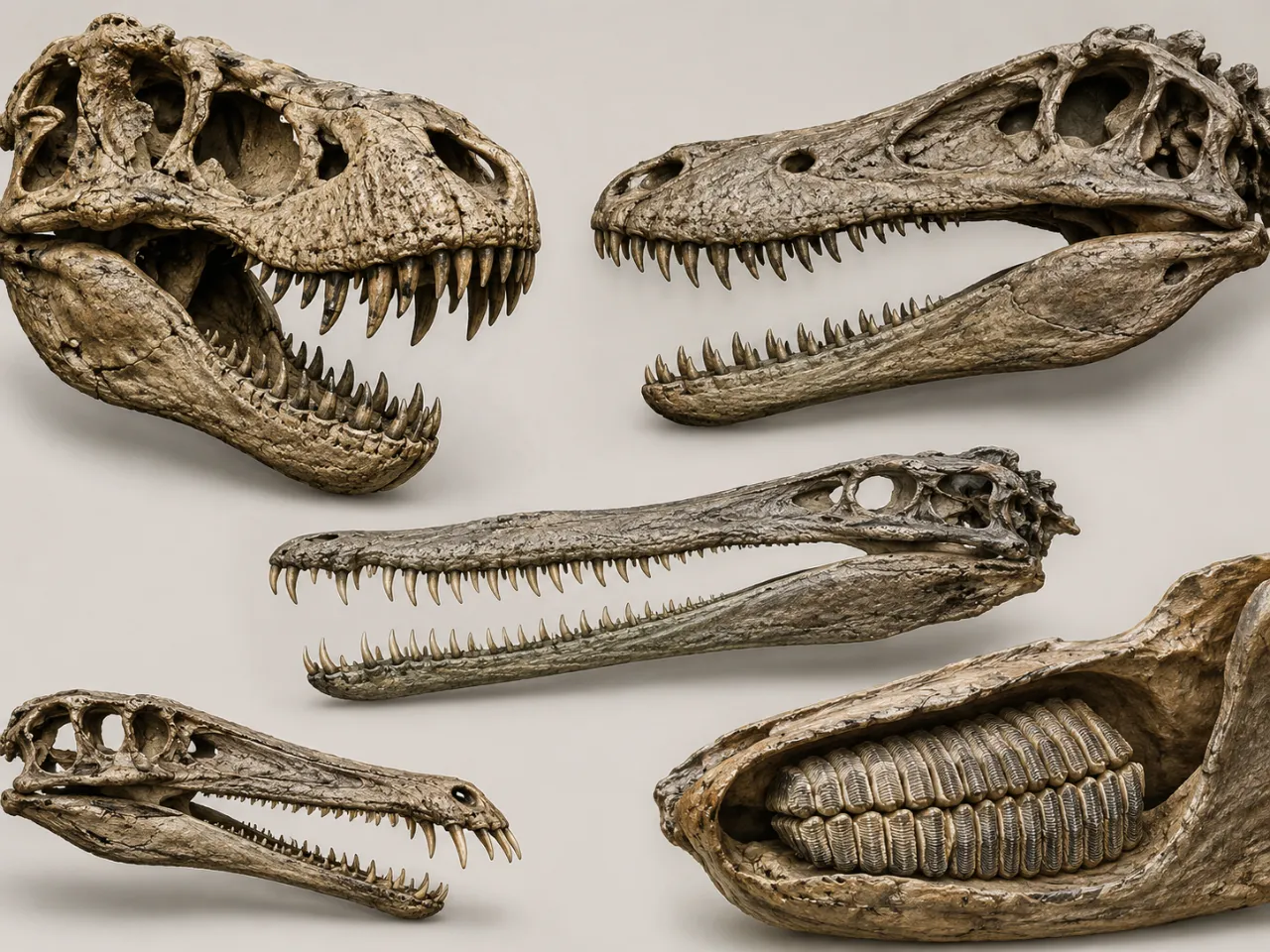
No dinosaur was cruel in a human moral sense. Cruelty requires intention, ethics, and emotional judgment. Dinosaurs were animals responding to hunger, danger, competition, and reproduction. A predator tearing into prey was not being malicious; it was surviving.
The better question is: which dinosaurs had the most extreme survival tools? T. rex had crushing jaws. Giganotosaurus and Mapusaurus had slicing teeth. Majungasaurus may have fed on its own kind. Spinosaurus invaded the boundary between land and water. Hadrosaurs turned plants into fuel with one of the most impressive chewing systems in dinosaur history.
The Mesozoic world was not cruel, but it was unforgiving. These dinosaurs remind us that evolution produces animals perfectly shaped by their environments—sometimes beautiful, sometimes bizarre, and sometimes terrifying.
FAQs
What was the most dangerous dinosaur?
Tyrannosaurus rex is often considered one of the most dangerous dinosaurs because of its huge skull, powerful bite, strong senses, and role as a top predator in Late Cretaceous North America.
Was Giganotosaurus bigger than T. rex?
Giganotosaurus may have been similar in length or slightly longer than T. rex, but size estimates vary. T. rex was generally more heavily built, while Giganotosaurus had a longer, more blade-toothed skull.
Did Majungasaurus really eat its own kind?
Fossil evidence suggests that Majungasaurus may have fed on other Majungasaurus individuals. This could have been cannibalism, scavenging, or both.
Was Spinosaurus stronger than T. rex?
They were adapted for different lifestyles. T. rex was a powerful land predator with a crushing bite, while Spinosaurus was more specialized for fish and wetland environments. A direct “who would win” answer is speculative.
Were herbivorous dinosaurs dangerous?
Yes. Large herbivores could be dangerous because of their size, strength, defensive behavior, horns, tails, armor, or herd protection. Hadrosaurs were not predators, but large adults were still powerful animals.