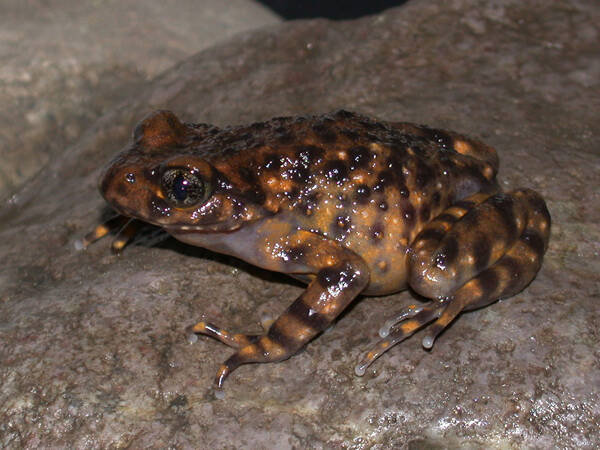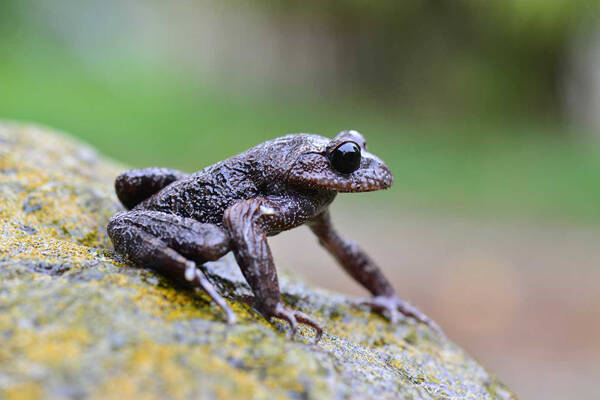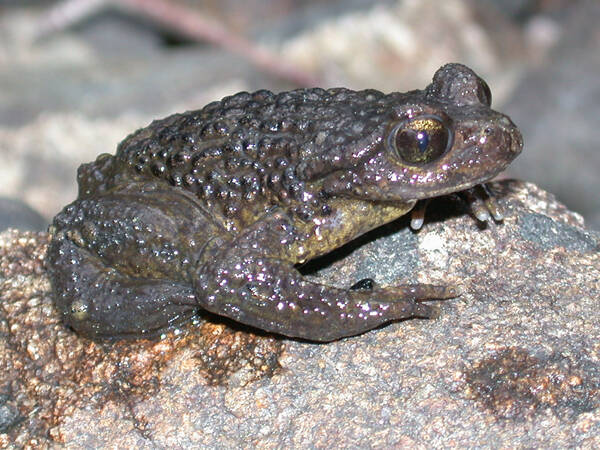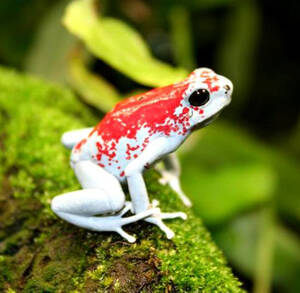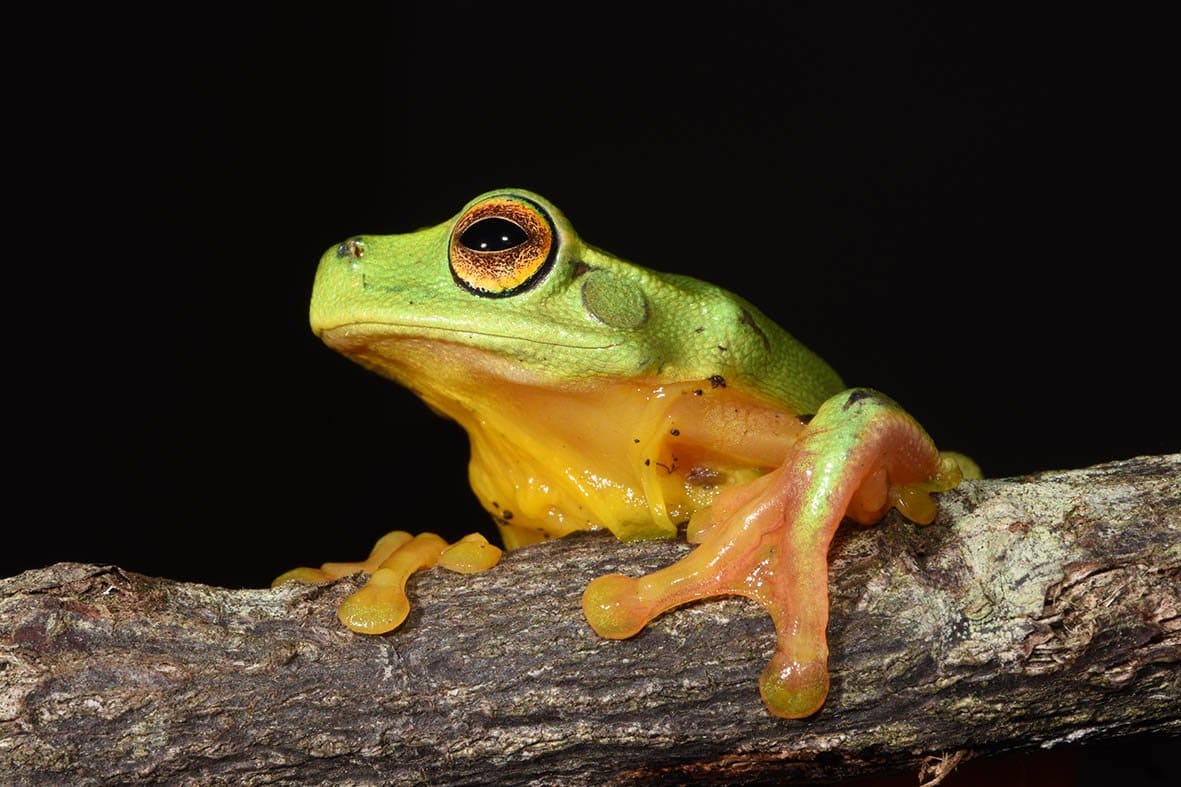
The Graceful Tree Frog (Litoria gracilenta), also widely known as the Dainty Tree Frog, is a small, bright green tree frog native to eastern Australia. It is commonly encountered around ponds, wetlands and garden water features in warm, humid regions.
Taxonomy & Names
English names: Graceful Tree Frog, Dainty Tree Frog
Scientific name: Litoria gracilenta
Genus: Litoria (Australian tree frogs)
Family (broad sense): Australian green tree frog group
Appearance
The Graceful Tree Frog is a slender, attractive species with a typical “green tree frog” look:
Body size: adults are usually about 3–4 cm in length, with females generally larger than males;
Dorsal colour: bright green to yellow-green, sometimes with a slightly bluish tint, and the shade can change somewhat with temperature and background;
Side markings: a narrow golden or bronze stripe often runs along the flanks, and some individuals show small orange patches on the sides or legs;
Belly: underside is whitish or cream-coloured, with the throat in calling males sometimes yellowish;
Eyes: relatively large eyes with a golden or copper iris and dark pupil;
Feet: fingers and toes have rounded pads for gripping leaves and stems, and the toes are partially webbed, reflecting a semi-aquatic, vegetation-based lifestyle.
Distribution & Habitat
The species is endemic to eastern Australia:
occurs mainly in eastern Queensland and northern New South Wales;
found from coastal lowlands into nearby hills and ranges in warm, humid climates.
The Graceful Tree Frog favours habitats with shallow water and dense vegetation:
natural sites include swamps, ponds, lakes, slow-flowing streams and wetland margins with reeds and grasses;
it is also common around farm dams, roadside drains, constructed wetlands and suburban garden ponds;
wherever standing or slow-moving water is present together with emergent plants and shrubs, this species may occur.
Behaviour & Call
This is a nocturnal, arboreal / reed-dwelling tree frog:
by day individuals usually rest on reeds, grasses, shrubs or tree trunks near water, often well camouflaged among leaves;
they become most active at dusk and at night, especially during warm, humid weather;
during the breeding season males call from vegetation at the water’s edge, producing a series of clear, high-pitched notes often described as “reek… reek” or “trik… trik”, forming a conspicuous chorus when many males call together.
Diet
The Graceful Tree Frog feeds mainly on small invertebrates:
mosquitoes and other small flying insects around water and lights;
small beetles, ants, aphids and other insects on leaves and stems;
small spiders and other arthropods living in reeds and shrubs.
It usually waits on foliage and snaps up passing prey with a rapid flick of its sticky tongue.
Breeding & Life Cycle
Breeding is closely linked to warm, wet conditions:
breeding occurs mainly in the warmer, wetter months, often following rainfall;
males gather around ponds, swamps and temporary pools and call from emergent vegetation;
females lay eggs in still or slow-moving water, often attached to aquatic plants or placed in shallow areas;
tadpoles develop in the water and must complete metamorphosis before temporary pools dry out;
after metamorphosis, tiny froglets leave the water and move into surrounding vegetation, gradually adopting a more arboreal, reed-dwelling lifestyle.
Conservation Status & Threats
On the IUCN Red List the Graceful Tree Frog is currently listed as Least Concern (LC), reflecting its relatively wide distribution and stable populations in many areas.
Local populations may, however, be affected by:
loss of small wetlands and vegetated pond margins through drainage, infilling and urban development;
water pollution and pesticide runoff impacting eggs, tadpoles and adults;
changes in rainfall patterns and increased frequency of drought under climate change scenarios.
Maintaining small ponds and wetlands, planting native aquatic and riparian vegetation and reducing chemical use in gardens and farms all help conserve this species and other native amphibians.