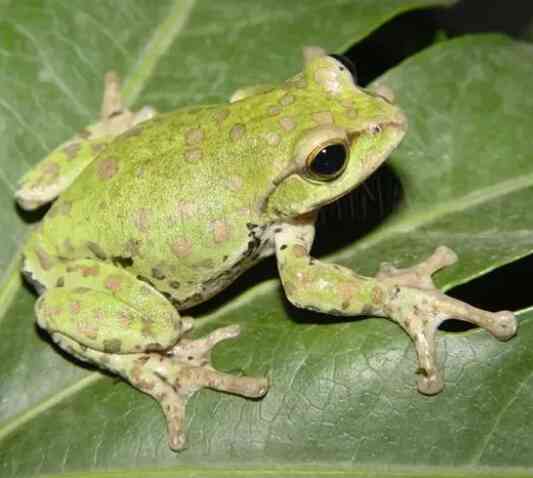
The name Robust Whistling Frog is commonly used for small, sturdy frogs with clear, whistle-like calls, especially in parts of Australia and nearby regions. Because the common name is not used consistently in all sources and may refer to more than one closely related species, this page provides a general overview of a “whistling frog type” rather than a single, strictly defined species.
Taxonomy & Naming (General)
In modern amphibian taxonomy, “whistling frogs” are small frogs whose males produce short, whistle-like calls. They belong to the class Amphibia and the order Anura (frogs and toads), but the exact family and genus can differ between regions and species. For that reason, this entry does not assign a single scientific name and is intended as a broad educational summary.
Common name: Robust Whistling Frog (used variably in different regions and field guides);
Chinese name (here): 强壮口哨蛙(general descriptive name);
Taxonomic level: Amphibia → Anura; precise family and genus should be confirmed for each target species.
Appearance (Typical “Whistling Frog Type”)
Robust whistling frogs are usually small but relatively sturdy little frogs with the following general traits:
Body size: adults around 2–3 cm in snout–vent length, giving a small yet somewhat compact appearance;
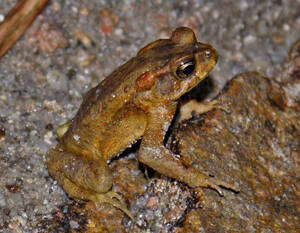
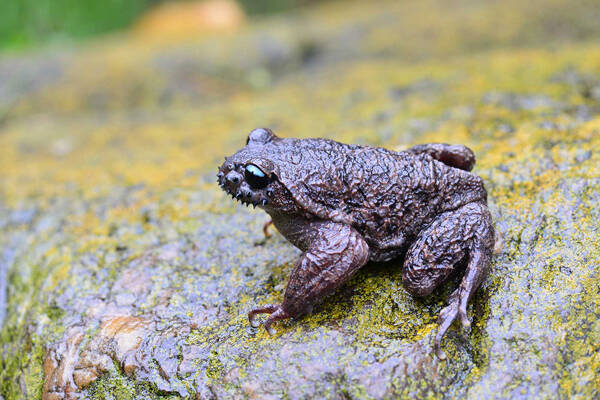
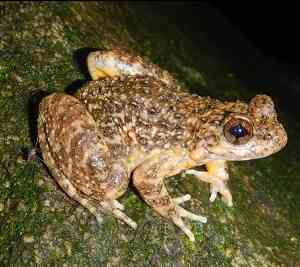
Dorsal colour: grey-brown, yellow-brown or olive-brown, often with irregular darker mottling that camouflages them among soil and leaf litter;
Belly: underside pale cream to light grey, sometimes with fine speckling;
Skin texture: slightly rough or finely warty on the back, smoother or finely granular on the belly;
Limbs: short, strong limbs adapted for short hops rather than long leaps, with little webbing on the toes; some species have slightly expanded toe tips;
Head & eyes: a short, broad head with relatively large eyes that are useful for nocturnal activity.
Distribution & Habitat (Overview)
Many frogs referred to as “whistling frogs” occur in Australia and nearby regions, where they occupy a range of temperate and subtropical habitats.
Typical habitat features include:
proximity to ponds, swamps, farm dams, roadside ditches and temporary rain-filled pools;
ground cover such as grasses, low shrubs, leaf litter, rocks and fallen logs that provide shelter;
use of agricultural land, pasture edges, roadside verges and urban parks and gardens where small wetlands remain.
Behaviour
Robust whistling frogs are generally nocturnal, ground-dwelling frogs:
by day they hide under litter, stones, vegetation or in soil cracks to avoid desiccation and predators;
they become active from dusk onward, especially on humid nights and after rain;
they move by short hops and slow walking around the edges of water bodies and across damp ground.
Call
The call is the key reason for the “whistling frog” name:
males produce short, high-pitched notes that sound like a clear whistle or “peep” repeated at intervals;
during wet periods and the breeding season, calling males may form choruses around small pools and ditches;
differences in pitch, tempo and pattern help distinguish individual species within the whistling frog group.
Diet
Robust whistling frogs feed mainly on very small invertebrates:
tiny insects such as ants, small beetles, flies, mosquitoes, midges and small crickets;
other minute arthropods and larvae living in leaf litter and on damp soil;
they typically forage slowly at night, snapping up any suitably sized prey they encounter.
Reproduction & Life Cycle (Generalised Pattern)
Breeding in whistling frog species is closely tied to rainfall:
males gather at the edges of ponds, roadside ditches, swamps and temporary pools created by heavy rain;
females lay eggs in still or gently flowing water, sometimes attached to submerged vegetation or deposited on the bottom;
tadpoles develop in these shallow water bodies, feeding and growing until they metamorphose into tiny froglets;
once metamorphosis is complete, froglets leave the water and begin life on land around the breeding sites.
Conservation Status & Threats
As a group, many whistling frog species remain locally common, but amphibians worldwide face similar pressures, including habitat loss, pollution and climate change. Because “Robust Whistling Frog” is a broad common name rather than a single globally standardised species, no single IUCN category is given here.
Key threats may include:
drainage, infilling and pollution of small wetlands and temporary pools used for breeding;
agricultural chemicals and urban pollutants affecting eggs, tadpoles and adults;
habitat fragmentation from roads and development, increasing the risk of roadkill and isolating populations;
changes in rainfall patterns that affect the timing and persistence of ephemeral water bodies.
Protecting small wetlands, maintaining vegetated buffers and reducing chemical run-off in agricultural and urban landscapes can all help whistling frog populations persist in human-modified environments.