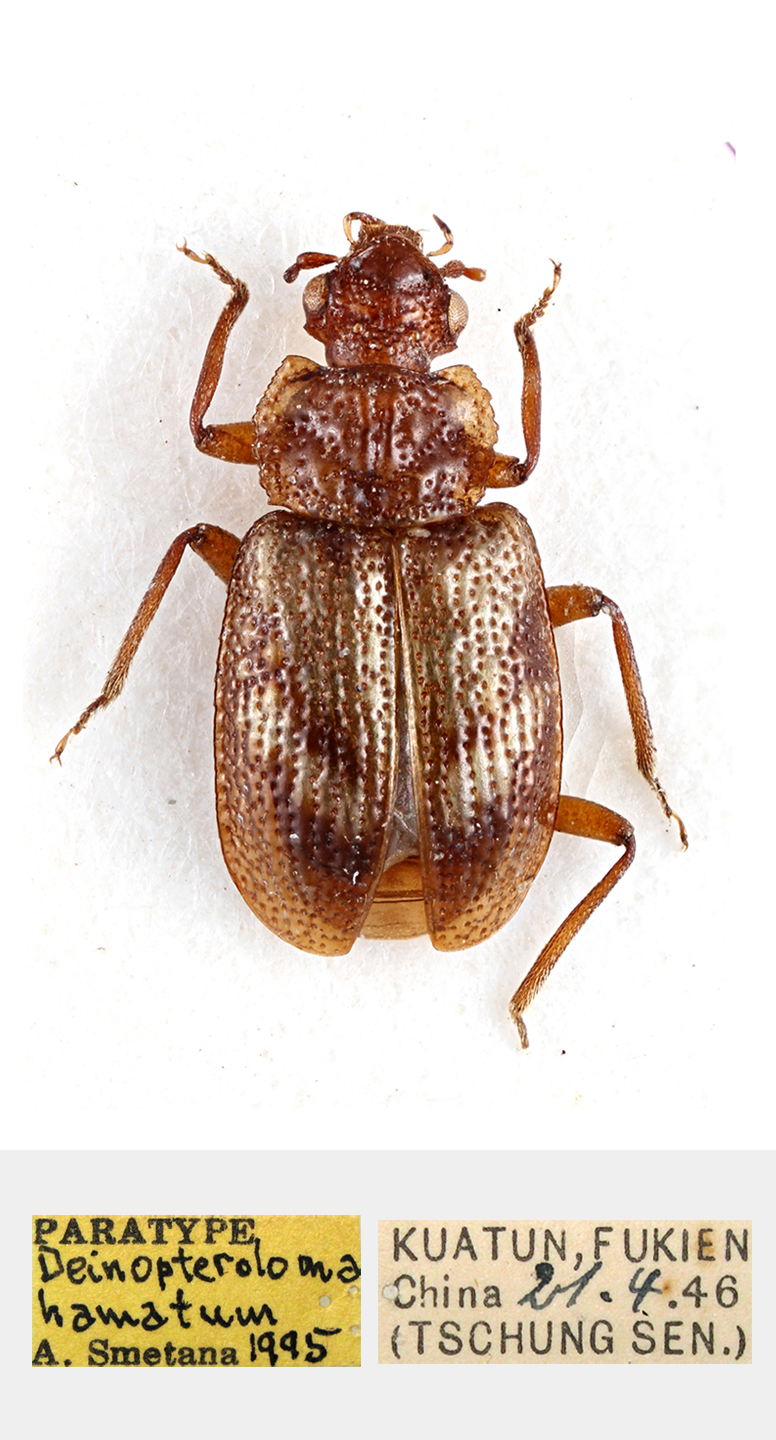
Australian Carpet Beetles are a group of small dermestid beetles that commonly infest homes, museums and storage facilities in Australia. They belong to the family Dermestidae, with a representative species being Anthrenocerus australis. The larvae feed on wool, carpets, furs, feathers, leather and dried animal products, making them important household and museum pests.
Taxonomy & Representative Species
Common name: Australian Carpet Beetles;
Representative scientific name: Anthrenocerus australis and related dermestid species;
Family: Dermestidae (carpet beetles, hide beetles);
Representative genus: Anthrenocerus and other carpet beetle genera.
In practice, several small dermestid beetles that damage textiles and animal products indoors are collectively referred to as “carpet beetles”.
Appearance
Australian carpet beetles are tiny, but adults and larvae look very different from each other:
Body size: adults are usually about 2–5 mm long, making them very small beetles;
Adult shape: adults have a rounded to oval body with a convex back, resembling a tiny, domed seed;
Colour & pattern: depending on species, adults may be brown, dark brown or patterned with pale scales, sometimes giving a mottled or “ladybird-like” appearance;
Antennae: relatively short antennae, often with an enlarged or clubbed tip;
Larval form: larvae are elongate-oval and covered in hairs or bristles, often with a tuft of longer hairs at the rear, giving them a “hairy caterpillar” look;
Activity: adults may be seen near windows, lights or on carpet surfaces, while larvae remain hidden deep in carpets, skirting board gaps, wardrobes or stored materials.
Distribution & Indoor Habitat
Although many dermestid beetles occur naturally outdoors as scavengers, Australian carpet beetles have adapted very well to human environments:
Geographic range: widespread in populated regions of Australia, both in cities and rural areas;
Indoor habitats: wool carpets and rugs, upholstered furniture, wardrobes, storage boxes, museum collections and warehouses;
Outdoor sites: bird nests, animal carcasses, dried meat and fish, and other natural sources of dried animal material.
Behaviour
Australian carpet beetles undergo complete metamorphosis: egg → larva → pupa → adult.
Daily activity: adults may be active in the daytime or at dusk and are sometimes attracted to light;
Larval behaviour: larvae avoid light and prefer dark, undisturbed places with abundant fibres or dried animal material to feed on;
Environmental conditions: warm, dry indoor conditions favour rapid development and population growth;
Damage pattern: larvae cause irregular holes, bare patches and fraying in fabrics and can severely damage museum specimens.
Diet & Damage
Carpet beetle larvae have a strong preference for keratin and other animal-based materials:
wool, felt, natural-fibre carpets and rugs, and sometimes mixed-fibre textiles;
furs, feathers, leather goods and items such as brushes, taxidermy mounts and insect collections;
dried meat and fish, bones and other dried animal remains;
when animal-based material is scarce, they may also nibble cotton and other plant fibres, though less efficiently.
Typical signs of infestation include small, irregular holes in fabrics, bare patches in carpets, shed larval skins and the presence of live larvae or adults.
Life Cycle
Under suitable indoor conditions, carpet beetles can breed throughout the year:
females lay eggs in concealed locations close to suitable food sources;
larvae hatch and feed within textiles, dust accumulations or dried animal materials, moulting several times;
mature larvae pupate in hidden places, including within the material itself or nearby cracks and crevices;
the duration of the life cycle varies with temperature, humidity and food supply, ranging from several months to more than a year.
Control & Management
Although carpet beetles play a natural role as scavengers outdoors, indoors they are treated as important pests:
regular vacuuming of carpets, skirting boards, under furniture and inside wardrobes to remove dust, hair and food residues;
storing woollens, furs and valuable textiles in sealed containers or bags, especially for long-term storage;
using physical methods such as freezing, heat treatment or sunlight exposure to kill larvae and eggs on infested items;
when necessary, seeking advice from professional pest managers and using insecticides in a targeted and safe manner。
Conservation Status
From a conservation perspective, most carpet beetle species are not considered threatened. On the IUCN Red List they are generally Not Evaluated (NE) or Least Concern, and in indoor environments they are managed as economic and hygiene pests rather than species needing protection。