 LC
LC
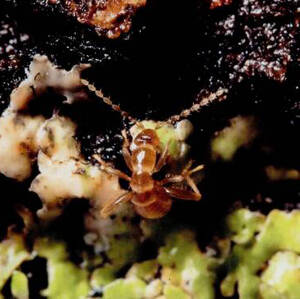
Zorotypus medoensis
Zorotypus medoensis
Zorotypus medoensis is an insect of the family Zorotypus and genus Zorotypus, with no subspecies.The wingless type of Medog wingle···
Explore the enormous diversity of animals without backbones, from mollusks and arthropods to echinoderms, worms, and other major groups.

Use these shortcuts to move into more specific animal groups.
Invertebrates are the most diverse and widespread group of animals on Earth, accounting for the vast majority of species in the animal kingdom. Invertebrates do not have a backbone, and their body structures vary greatly from simple to complex, adapting to a variety of ecological environments.
Scientific name: Invertebrata (not a strict scientific classification, only describing animals with invertebrate characteristics)
Main characteristics:
Spineless: lack of backbone
Various sizes: From microscopic microorganisms to giant squids, the size range is huge.
Diversity: There are many species, including insects, mollusks, annelids, etc.
Diverse reproduction methods: Includes asexual reproduction and sexual reproduction.
Dominance: Plays an important role in terrestrial, marine and freshwater ecosystems.
Ecological role:
Decomposer: Promotes nutrient cycling.
Food chain base: Provides food for many vertebrates.
Pollinator: Insect pollination maintains plant ecosystems.
Evolutionary history:
Originated from the Cambrian explosion (about 540 million years ago).
They are the earliest group of animals to evolve and form the cornerstone of modern ecosystems.
Invertebrates are divided into several phyla. The following are the main invertebrate phyla and their representative categories.
| Classification level | Phylum | Class | Genus | Examples |
|---|---|---|---|---|
| Phylum | Porifera | Calcarea | Spongia | Lime sponge, glass sponge |
| Cnidaria | Scyphozoa | Aurelia | Jellyfish, anemone | |
| Anthozoa | Corallium | Red coral, staghorn coral | ||
| Platyhelminthes | Platyhelminthes | Turbellaria | Planaria | Turbellaria |
| Trematoda | Schistosoma | Schistosoma | ||
| Cestoda | Taenia | Pork tapeworm | ||
| Nematoda | Secernentea | Caenorhabditis | Nematodes | Roundworms |
| Annelida | Annelida | Polychaeta | Nereis | Nereis |
| Hirudinea | Hirudo | Leech, leech | ||
| Oligochaeta | Lumbricus | Earthworm | ||
| Mollusca | Mollusca | Gastropod (Gastropoda) | Helix | Snails, snails |
| Bivalvia | Mytilus | Mussels, clams | ||
| Cephalopoda | Sepia | Squid, octopus | ||
| Arthropoda | Arthropoda | Insecta | Formica | Ants, butterflies |
| Arachnida | Araneus | Spiders, scorpions | ||
| Crustacea | Cancer | Crabs, shrimps | ||
| Echinodermata | Echinodermata (Echinodermata) | Asteroidea | Asterias | Starfish |
| Echinoidea | Echinus | Sea urchin |
Spineless: lack of vertebrae, body structure ranges from simple to complex.
Diversity: diverse morphology, ranging from single cells to complex multicellular structures.
Gas exchange: gas exchange through the body surface or gills.
Circulatory system: from none to closed circulatory system (such as annelids)
Asexual reproduction: through division or budding (such as sponges).
Sexual reproduction: through fertilized eggs.
Found in the ocean, fresh water and land, it is an important component of the ecosystem.
Cambrian Explosion:
Invertebrates originated in the Cambrian period (about 540 million years ago) and diversified rapidly during the Cambrian Explosion.
Fossils representing early invertebrates include trilobites and brachiopods.
Ocean Domination:
During the Paleozoic Era, invertebrates dominated the oceans, including corals and echinoderms.
Land Invasion:
Arthropods (such as insects and arachnids) were the first invertebrates to adapt to life on land.
Decomposers:
Annelids (such as earthworms) decompose organic matter and improve soil.
Food chain base:
Insects and plankton are food sources for many vertebrates.
Pollination and seed dispersal:
Insects such as bees are important agents of plant pollination.
Representative species: Coral (Corallium), Starfish (Asterias), Anemone (Aurelia).
Distribution: Mainly distributed in tropical and temperate waters.
Representative species: Ants (Formica), snails (Helix).
Distribution: Adapted to various terrestrial ecological environments.
Representative species: Leech (Hirudo), mussel (Mytilus).
Distribution: Distributed in lakes, rivers and wetlands.
Environmental pollution:
Chemical pollution and plastic waste seriously affect marine invertebrates.
Climate change:
Rising temperatures and ocean acidification pose a threat to coral reefs and marine life.
Overfishing:
Commercial fishing puts pressure on invertebrate populations such as shrimp and crabs.
Protection measures:
Establish marine protected areas.
Study the contribution of invertebrates to the ecosystem.
Invertebrates refer to lower animal groups that do not have backbones. They are the primitive form of animals. Their species account for 95% of the total number of animal species. Distributed all over the world, there are about 1 million species in existence. Including protozoa, echinoderms, mollusks, flatworms, annelids, coelenterates, arthropods, nematodes, etc.
Search the animals shown on this page or narrow them by IUCN conservation code.
LC
Zorotypus medoensis
Zorotypus medoensis is an insect of the family Zorotypus and genus Zorotypus, with no subspecies.The wingless type of Medog wingle···
 LC
LC
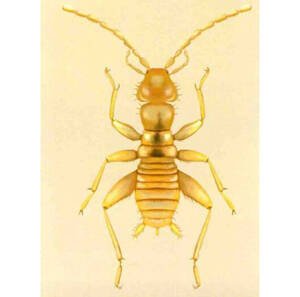
Zorotypus sinensis
Zorotypus sinensis (scientific name: Zorotypus sinensis) is an insect of the family Zorotypus and genus Zorotypus.In 1973, the ins···
 LC
LC
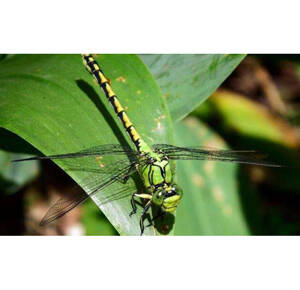
Ophiogomphus spinicornis,Northern arrow dragonfly
Ophiogomphus spinicornis is an insect of the family Ophiogomphidae and the genus Ophiogomphus. This species was first published by···
 LC
LC
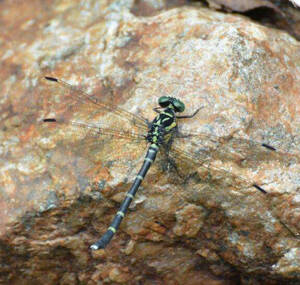
Sharp-edged dragonfly, curved-tailed spring dragonfly,Heliogomphus retroflexus
Heliogomphus retroflexus (scientific name: Heliogomphus retroflexus) is an insect of the family Heliogomphidae and the genus Helio···
 LC
LC
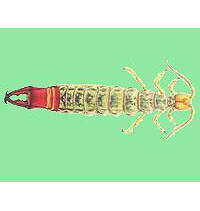
Atlatsjapyx atlas
The Atlatsjapyx atlas is a large insect of the order Diplodocus. It feeds on humus, fungi and tiny animals.Listed in the second le···
 LC
LC
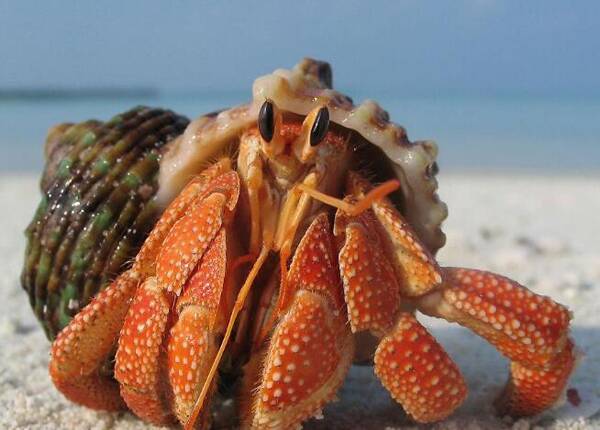
Paguroidea,hermit crabs,Hermit shrimp, white house, dry house
Hermit crab is a general term for the superfamily Hermit crabs and the superfamily Hermit crabs of the order Decapoda. Common herm···
 LC
LC
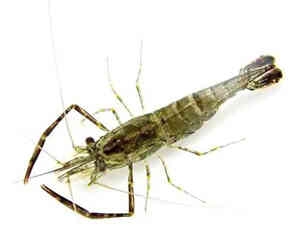
Macrobranchium nipponense,Macrobrachium nipponense
River shrimps are widely distributed in rivers, lakes, reservoirs and ponds in my country. They are high-quality freshwater shrimp···
 LC
LC
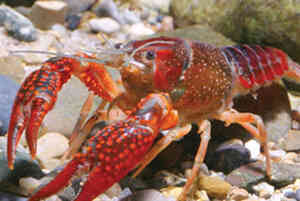
Procambarus clarkii,Red Swamp Crayfish或Louisiana crayfish,Cambarus clarkii,Red crayfish, Procambarus clarkii, freshwater crayfish, red swamp crayfish
Crayfish is a freshwater economic shrimp that usually carries lung flukes and is widely popular because of its delicious meat. It ···
 LC
LC
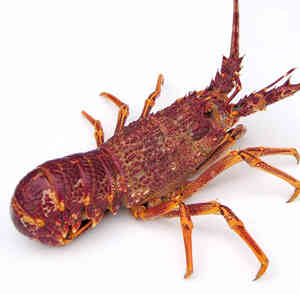
Palinuridae;lobster, prawns, dragon head prawns, shrimps, sea prawns
Lobster (scientific name: Palinuridae) is the general name for species in the family Hominididae, class Arthropoda, order Decapoda···
 LC
LC
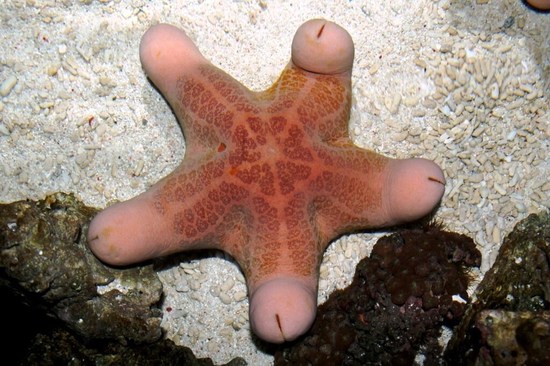
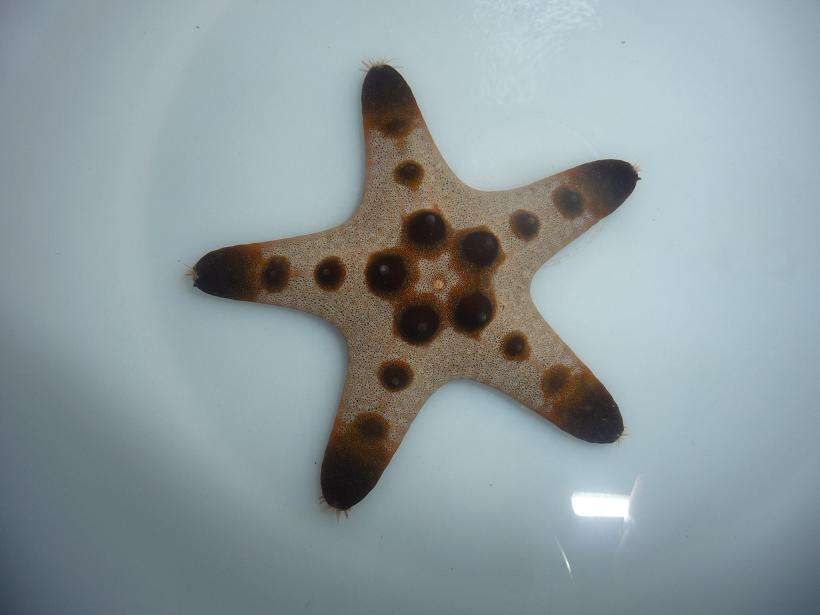
Tumor starfish
Tumor starfish generally refers to starfish with a gentle temperament. Mainly lives in shallow tidal areas of the Indian Ocean abo···
 LC
LC
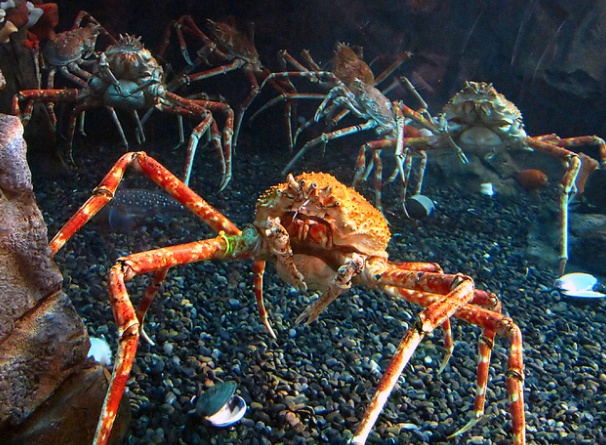
Japanese spider crab, giant crab, giant spider crab, Gan's giant crab, Gan's giant crab, tall crab
The Japanese spider crab is the largest crab in the world, and also the largest crustacean and arthropod in the world. It is a str···
 LC
LC
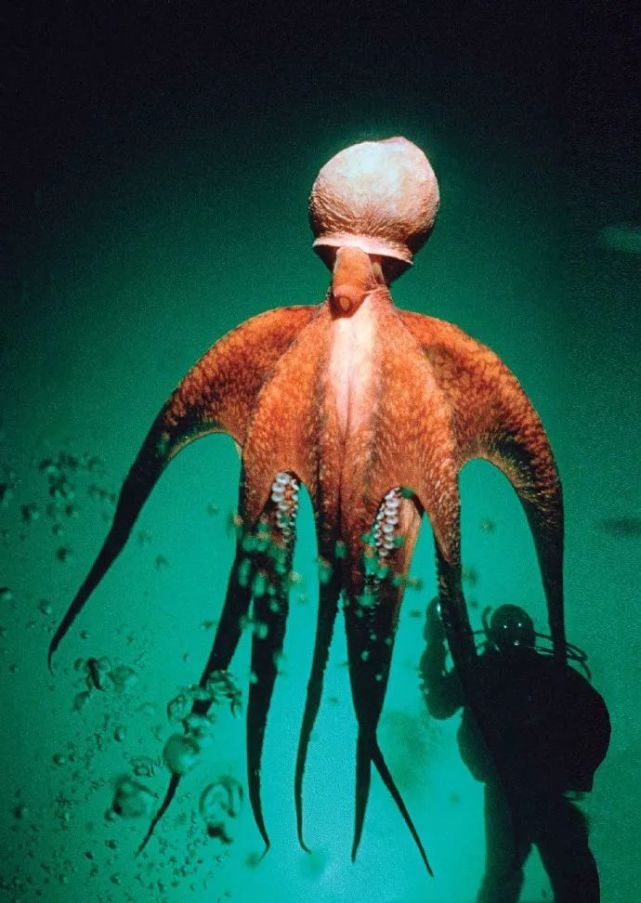
Giant North Pacific Octopus
As a representative of invertebrates, the octopus has a soft body and a hard mouth. The Pacific giant octopus is the largest one a···
 LC
LC
Zhenghaixing
Tumor starfish have extraordinary regenerative abilities. If a predator attacks them and they lose their arms, they can regrow the···
 LC
LC
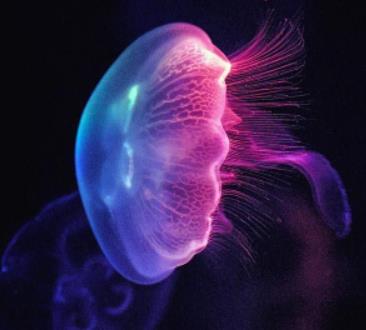
Moon jellyfish, UFO jellyfish, Moon jellyfish
Moon jellyfish feed on plankton such as mollusks, crustaceans, worms and copepods.Moon jellyfish occasionally eat gelatinous zoopl···
 LC
LC
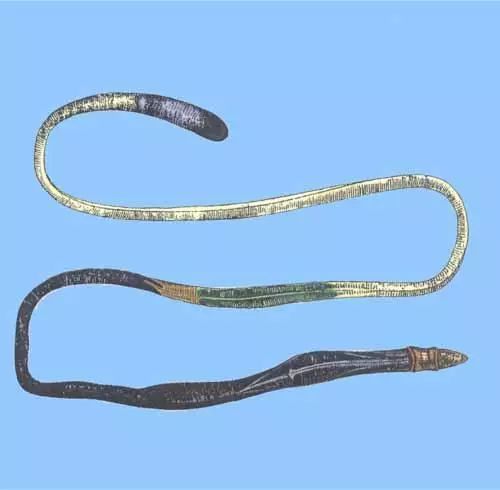
Saccoglossus hwangtauensis,Huangdao long-nosed acorn worm, jade hookworm
The snout of the Huangdao long-nosed worm is relatively long, about 1/20 of the total length, hence the name. The snout is oblate ···
 LC
LC
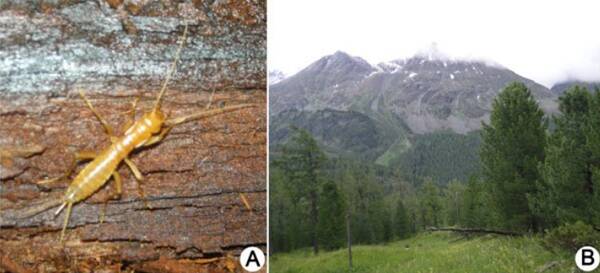
Grylloblattella cheni
Chen's western cockroach has an ancient origin, which can be traced back to the Upper Lime Period about 300 million years ago.···