 Level 2
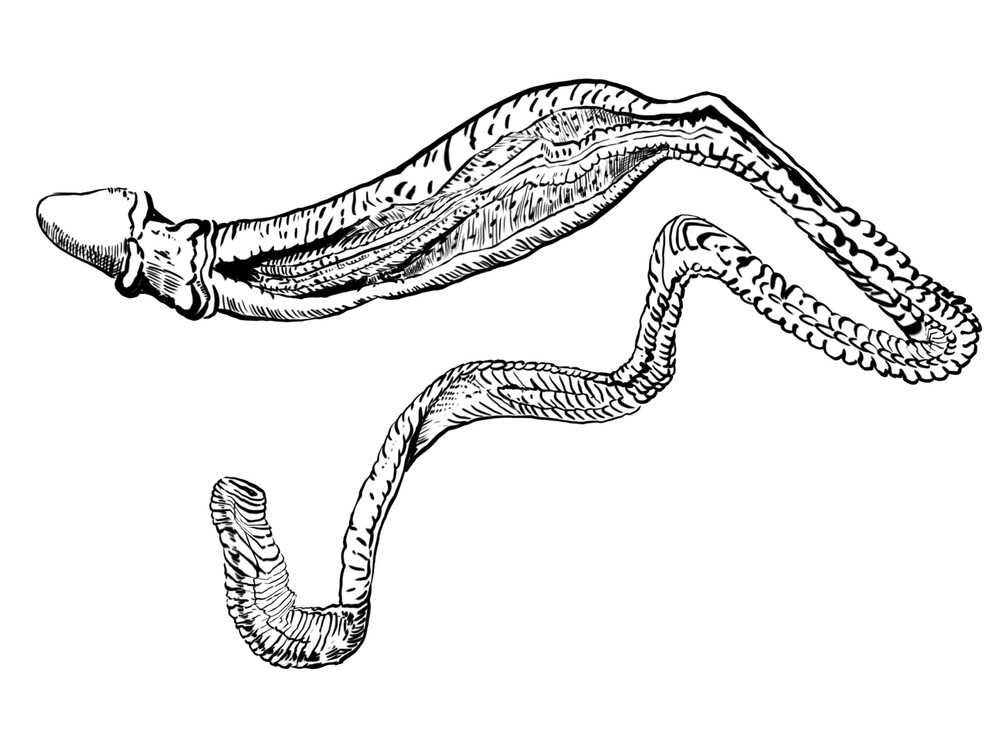
yellow-winged acornworm
Ptychodera flava
Ptychodera flava (scientific name: Ptychodera flava) is an enterobranchial animal widely distributed in coastal areas of the Pacif···
Explore the enormous diversity of animals without backbones, from mollusks and arthropods to echinoderms, worms, and other major groups.

Use these shortcuts to move into more specific animal groups.
Invertebrates are the most diverse and widespread group of animals on Earth, accounting for the vast majority of species in the animal kingdom. Invertebrates do not have a backbone, and their body structures vary greatly from simple to complex, adapting to a variety of ecological environments.
Scientific name: Invertebrata (not a strict scientific classification, only describing animals with invertebrate characteristics)
Main characteristics:
Spineless: lack of backbone
Various sizes: From microscopic microorganisms to giant squids, the size range is huge.
Diversity: There are many species, including insects, mollusks, annelids, etc.
Diverse reproduction methods: Includes asexual reproduction and sexual reproduction.
Dominance: Plays an important role in terrestrial, marine and freshwater ecosystems.
Ecological role:
Decomposer: Promotes nutrient cycling.
Food chain base: Provides food for many vertebrates.
Pollinator: Insect pollination maintains plant ecosystems.
Evolutionary history:
Originated from the Cambrian explosion (about 540 million years ago).
They are the earliest group of animals to evolve and form the cornerstone of modern ecosystems.
Invertebrates are divided into several phyla. The following are the main invertebrate phyla and their representative categories.
| Classification level | Phylum | Class | Genus | Examples |
|---|---|---|---|---|
| Phylum | Porifera | Calcarea | Spongia | Lime sponge, glass sponge |
| Cnidaria | Scyphozoa | Aurelia | Jellyfish, anemone | |
| Anthozoa | Corallium | Red coral, staghorn coral | ||
| Platyhelminthes | Platyhelminthes | Turbellaria | Planaria | Turbellaria |
| Trematoda | Schistosoma | Schistosoma | ||
| Cestoda | Taenia | Pork tapeworm | ||
| Nematoda | Secernentea | Caenorhabditis | Nematodes | Roundworms |
| Annelida | Annelida | Polychaeta | Nereis | Nereis |
| Hirudinea | Hirudo | Leech, leech | ||
| Oligochaeta | Lumbricus | Earthworm | ||
| Mollusca | Mollusca | Gastropod (Gastropoda) | Helix | Snails, snails |
| Bivalvia | Mytilus | Mussels, clams | ||
| Cephalopoda | Sepia | Squid, octopus | ||
| Arthropoda | Arthropoda | Insecta | Formica | Ants, butterflies |
| Arachnida | Araneus | Spiders, scorpions | ||
| Crustacea | Cancer | Crabs, shrimps | ||
| Echinodermata | Echinodermata (Echinodermata) | Asteroidea | Asterias | Starfish |
| Echinoidea | Echinus | Sea urchin |
Spineless: lack of vertebrae, body structure ranges from simple to complex.
Diversity: diverse morphology, ranging from single cells to complex multicellular structures.
Gas exchange: gas exchange through the body surface or gills.
Circulatory system: from none to closed circulatory system (such as annelids)
Asexual reproduction: through division or budding (such as sponges).
Sexual reproduction: through fertilized eggs.
Found in the ocean, fresh water and land, it is an important component of the ecosystem.
Cambrian Explosion:
Invertebrates originated in the Cambrian period (about 540 million years ago) and diversified rapidly during the Cambrian Explosion.
Fossils representing early invertebrates include trilobites and brachiopods.
Ocean Domination:
During the Paleozoic Era, invertebrates dominated the oceans, including corals and echinoderms.
Land Invasion:
Arthropods (such as insects and arachnids) were the first invertebrates to adapt to life on land.
Decomposers:
Annelids (such as earthworms) decompose organic matter and improve soil.
Food chain base:
Insects and plankton are food sources for many vertebrates.
Pollination and seed dispersal:
Insects such as bees are important agents of plant pollination.
Representative species: Coral (Corallium), Starfish (Asterias), Anemone (Aurelia).
Distribution: Mainly distributed in tropical and temperate waters.
Representative species: Ants (Formica), snails (Helix).
Distribution: Adapted to various terrestrial ecological environments.
Representative species: Leech (Hirudo), mussel (Mytilus).
Distribution: Distributed in lakes, rivers and wetlands.
Environmental pollution:
Chemical pollution and plastic waste seriously affect marine invertebrates.
Climate change:
Rising temperatures and ocean acidification pose a threat to coral reefs and marine life.
Overfishing:
Commercial fishing puts pressure on invertebrate populations such as shrimp and crabs.
Protection measures:
Establish marine protected areas.
Study the contribution of invertebrates to the ecosystem.
Invertebrates refer to lower animal groups that do not have backbones. They are the primitive form of animals. Their species account for 95% of the total number of animal species. Distributed all over the world, there are about 1 million species in existence. Including protozoa, echinoderms, mollusks, flatworms, annelids, coelenterates, arthropods, nematodes, etc.
Search the animals shown on this page or narrow them by IUCN conservation code.
Level 2
Ptychodera flava
Ptychodera flava (scientific name: Ptychodera flava) is an enterobranchial animal widely distributed in coastal areas of the Pacif···
 Level 2
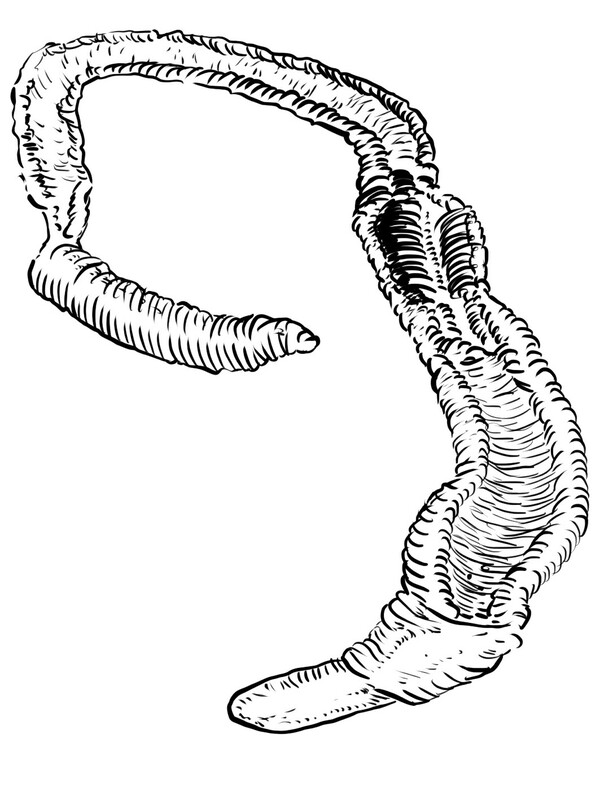
Balanoglossus carnosus
The fleshy acornworm (scientific name: Balanoglossus carnosus) is an enterobranchial animal distributed in the coastal areas of th···
 Level 2
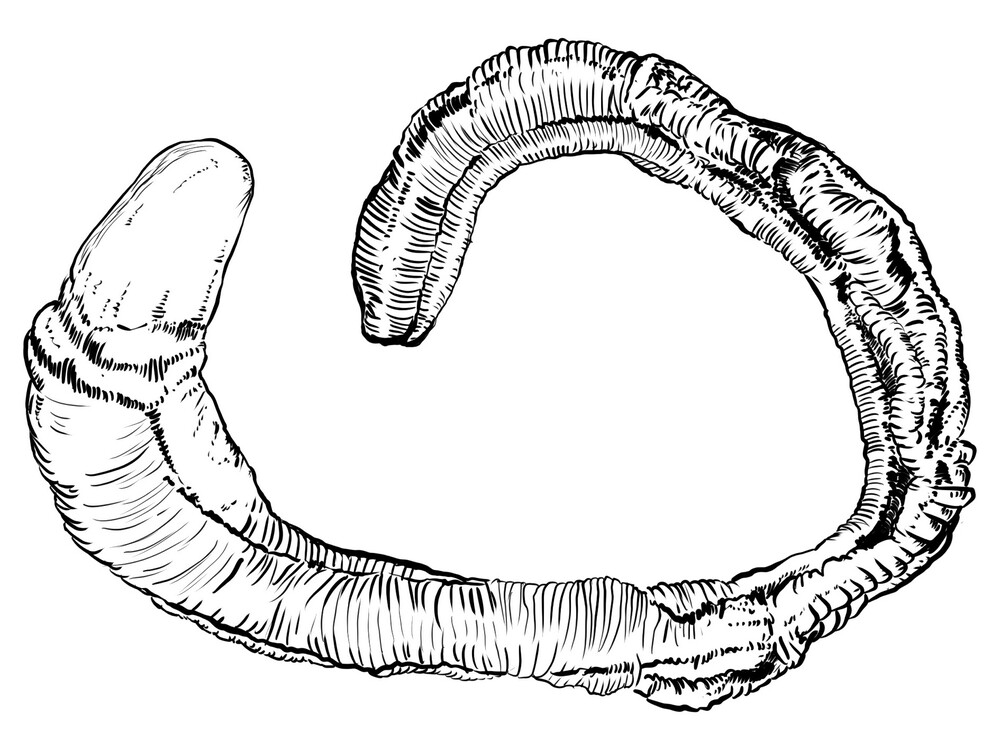
Glossobalanus mortenseni
Glossobalanus mortenseni (scientific name: Glossobalanus mortenseni) is an enterobranchial animal distributed along the coast of t···
 Level 2
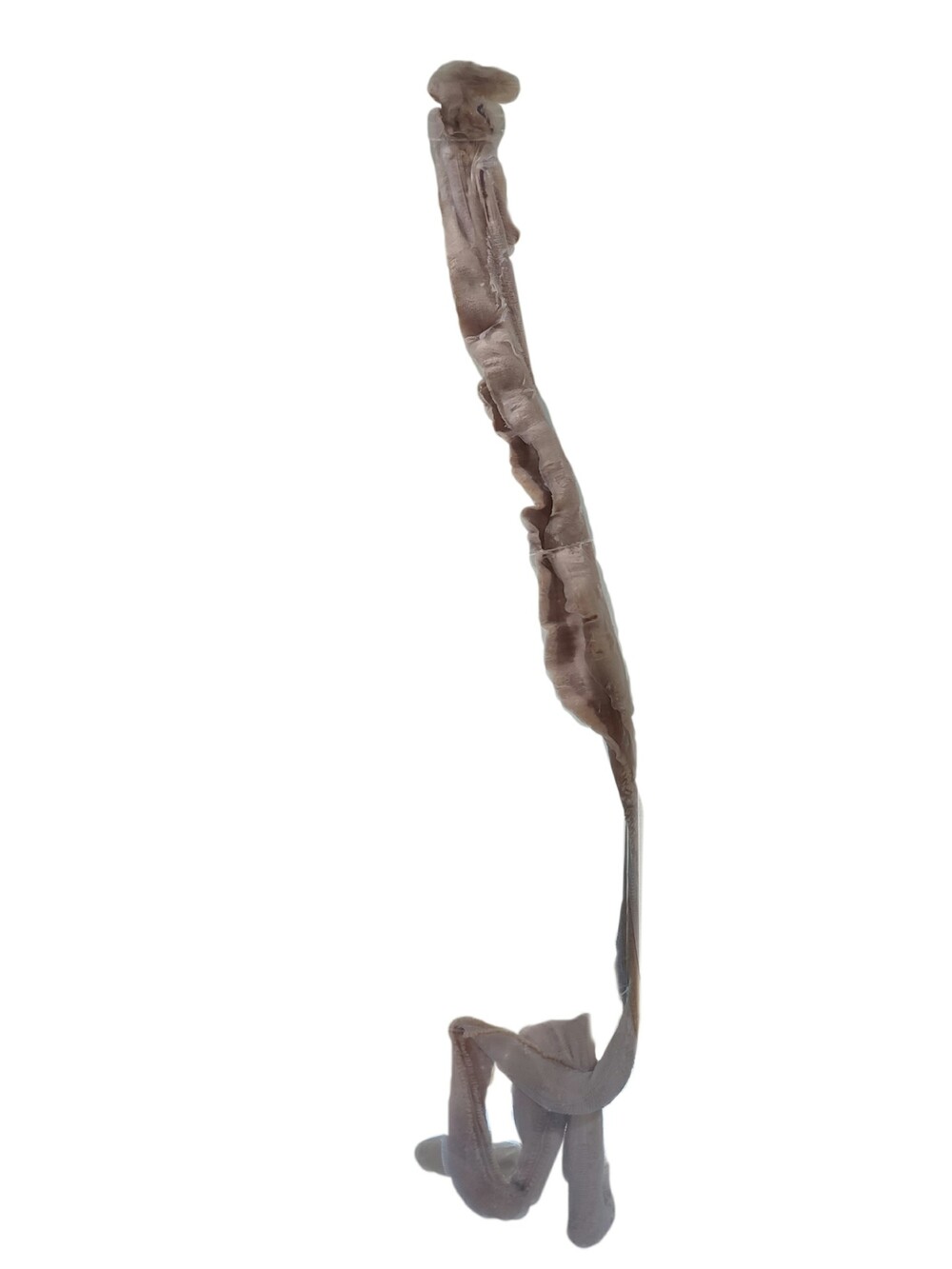
Balanoglossus misakiensis, acorn worm, jade hook
Balanoglossus misakiensis (scientific name: Balanoglossus misakiensis) is an enterobranchial animal distributed in coastal areas o···
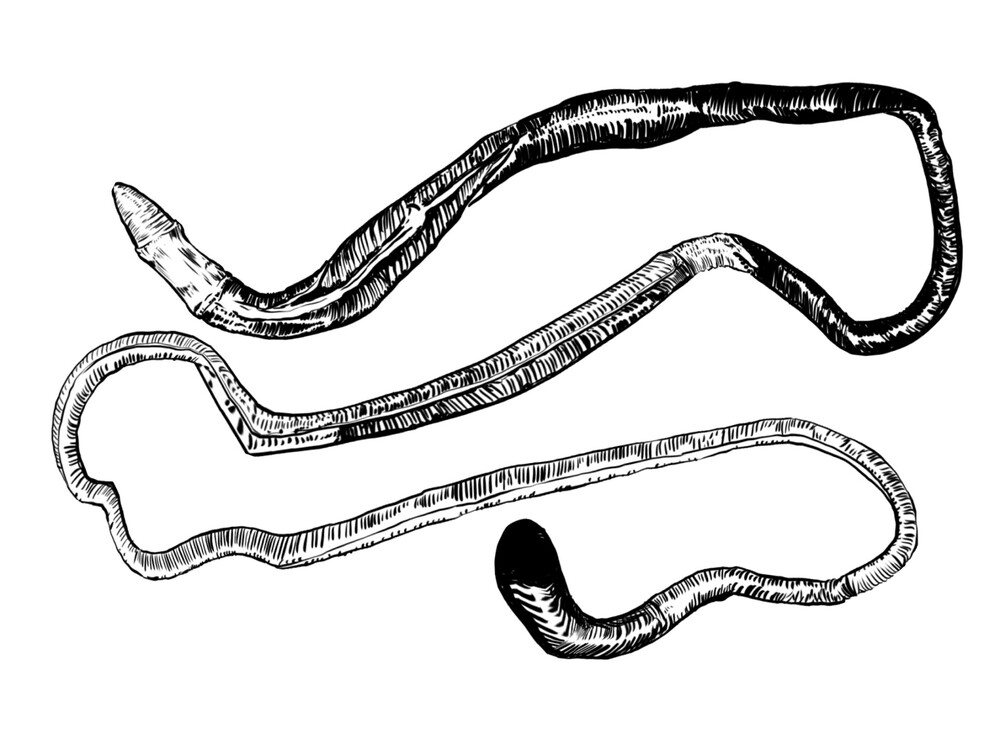 Level 1
Glossobalanus polybranchioporus
Polyglochiola was discovered by Chinese biologist Zhang Xi and others in 1965, and was named because of its distinctive feature of···
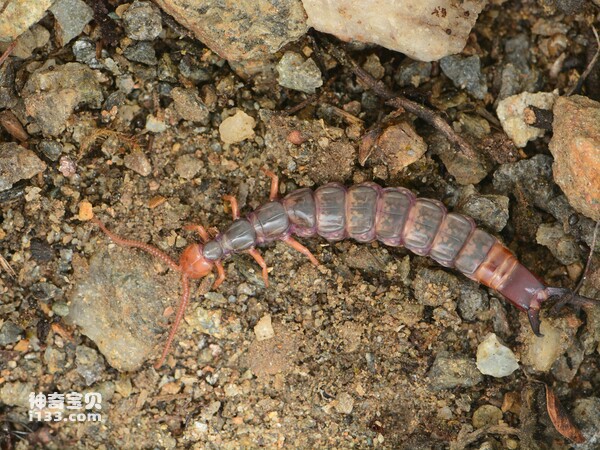 LC
LC
pa
Atlas japyx atlas (scientific name: Atlas japyx atlas) is an arthropod found in Xiangcheng County, Sichuan Province, the People's ···
 LC
LC
Nautiloidea,Nautilidae
Nautilus refers to a family classification under the order Nautilus in the class Cephalopoda. The common features of nautilus are ···
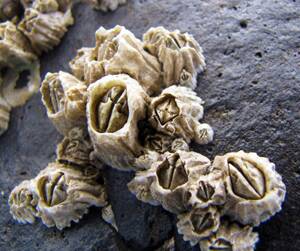 LC
LC
Balanus,Touch, horse teeth, oyster soup
There are more than 500 species of barnacles (scientific name: Balanus), and about 110 species are found in my country. Barnacles ···
 LC
LC
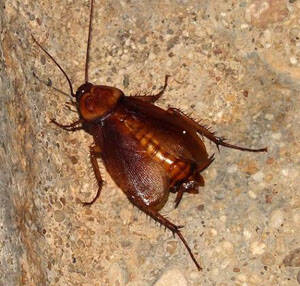
Blatta orientalis,Oriental cockroach, Blatta orientalis
The Oriental cockroach (scientific name: Blatta orientalis) is the largest cockroach in the world.Oriental cockroaches are extreme···
 LC
LC
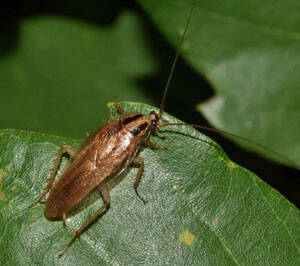
Blattella germanica,German cockroach, German cockroach, Blattella germanica
German cockroach (Blattella germanica) is the most widely distributed and most difficult to control type of household pests in the···
 LC
LC
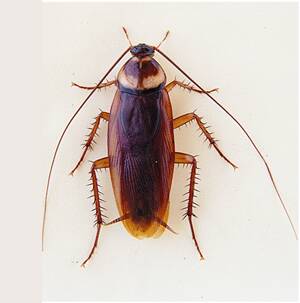
Periplaneta americana,Red cockroach, ship cockroach, cockroach
The American cockroach is scientifically named Periplaneta americana, and is the largest insect in the Blattidae family.The Americ···
 LC
LC
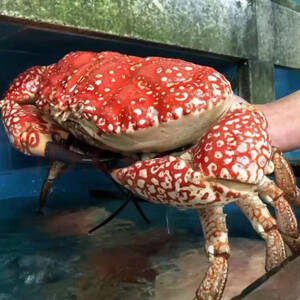
Pseudocarcinus gigas,King crab, heavy false back crab, Australian king crab, Australian giant crab
The giant shore crab is also commonly known as the emperor crab, and should not be confused with the king crab.The giant shore cra···
 LC
LC
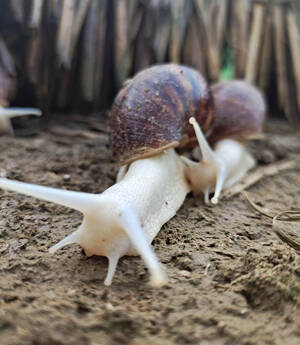
Achatina fulica,Brown cloud agate snail, Chinese white jade snail
The scientific name of the white jade snail is Achatina fulica, also known as the brown cloud agate snail, which is a subspecies o···
 LC
LC
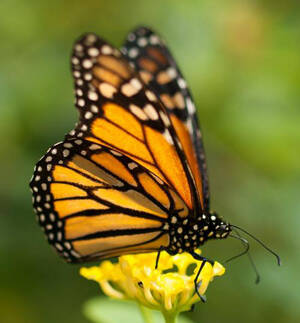
Danaus plexippus,Great Birch Butterfly, Monarch Butterfly, Monarch Butterfly, Black-veined Birch Butterfly, Monarch Butterfly
The Monarch Butterfly (scientific name: Danaus plexippus) is a large butterfly that is very common in North America. In Australia,···
 LC
LC
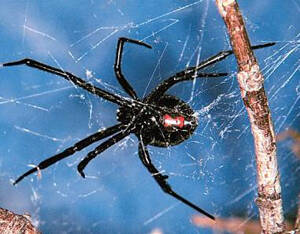
Latrodectus,black widow,Spider
The scientific name of the black widow spider is Latrodectus, and its foreign name is black widow. Because the female of this spid···
 LC
LC
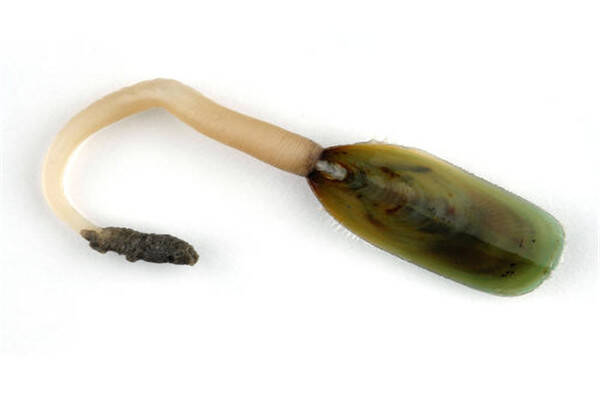
Lingula
The oldest organism on earth is Lingula. Lingula, commonly known as sea bean sprouts, is the genus with the longest survival histo···
 LC
LC
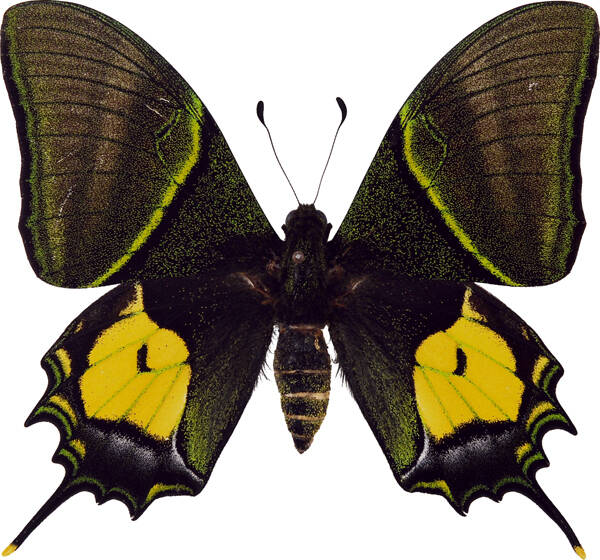
Teinopalpus aureus
As a unique treasure of China, the Golden Swallowtail is known as the "national butterfly" and the "pride of butter···
 LC
LC
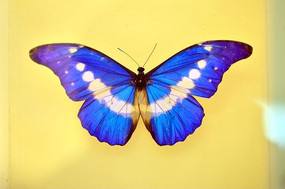
Morpho Helena,Blue morpho Helena butterfly,Helena Morpho, Goddess of Light, Helena Morpho, Blue Danube
The Blue morpho Helena butterfly (scientific name: Morpho Helena) was once a subspecies of the blue morpho butterfly (Morpho rhete···
 LC
LC
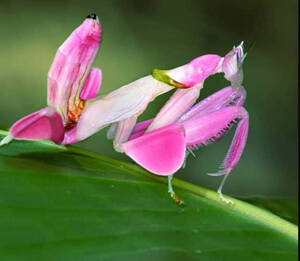
Hymenopus coronatus,Orchid Mantis
Orchid Mantis (scientific name: Hymenopus coronatus) is an animal of the family Hymenopidae and the class Insecta.Wild orchid mant···
 LC
LC
Australian box jellyfish,Sea Wasp
The Australian box jellyfish, whose Latin name is Australian box jellyfish, has caused countless injuries or deaths to humans in t···
 LC
LC
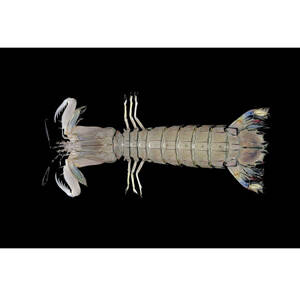
Oratosquilla oratoria,Mantis shrimp, mantis shrimp, mantis shrimp, mantis shrimp
The Latin name of mantis shrimp is Oratosquilla oratoria. It is found along the coast of China. The most common species is the man···
 LC
LC
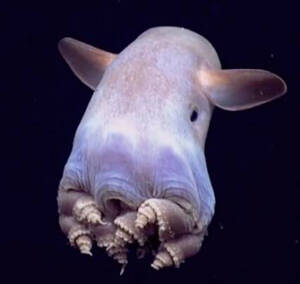
Grimpoteuthis bathynectes,Dumbo Octopus,Gulf of Mexico ash octopus, semi-deep sea ash octopus
Dumbo Octopus (scientific name: Grimpoteuthis bathynectes), also known as Dumbo Octopus in foreign languages, is a peculiar "···
 LC
LC
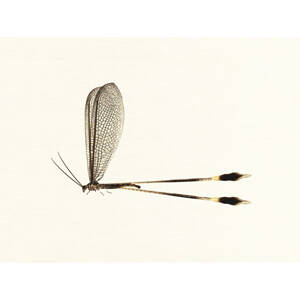
Nemopistha sinica
The Latin name of the Chinese lacewing is Nemopistha sinica, which is the only lacewing known in our country.On May 28, 2022, the ···
 LC
LC
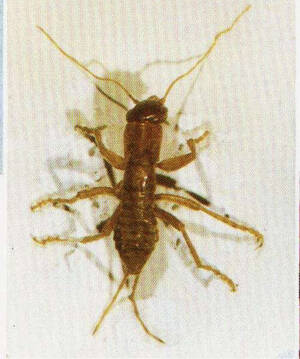
Galloisiana sinensis
Chinese cockroach (scientific name: Galloisiana sinensis) is an insect of the Blattidae family and the genus Blattia, with no subs···