 LC
LC
Scyphozoa (True Jellyfish · Overview)
Scyphozoa
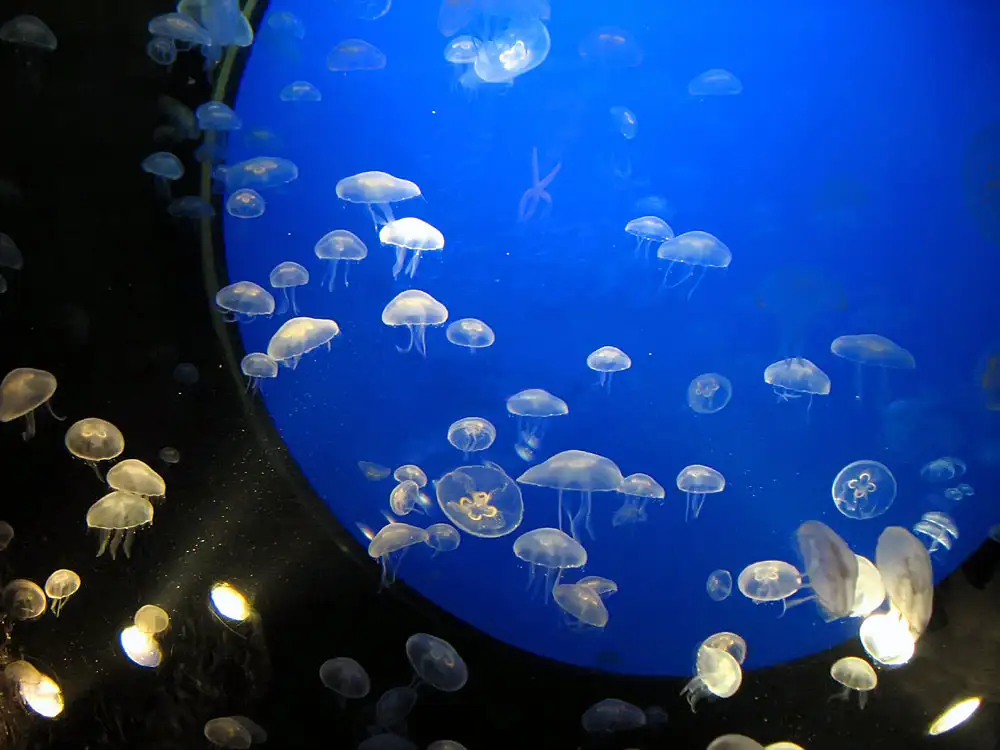
Scyphozoa—the true jellyfish—are cnidarians whose life cycles are dominated by the free‑swimming medusa stage.Most species also···
Explore the enormous diversity of animals without backbones, from mollusks and arthropods to echinoderms, worms, and other major groups.

Use these shortcuts to move into more specific animal groups.
Invertebrates are the most diverse and widespread group of animals on Earth, accounting for the vast majority of species in the animal kingdom. Invertebrates do not have a backbone, and their body structures vary greatly from simple to complex, adapting to a variety of ecological environments.
Scientific name: Invertebrata (not a strict scientific classification, only describing animals with invertebrate characteristics)
Main characteristics:
Spineless: lack of backbone
Various sizes: From microscopic microorganisms to giant squids, the size range is huge.
Diversity: There are many species, including insects, mollusks, annelids, etc.
Diverse reproduction methods: Includes asexual reproduction and sexual reproduction.
Dominance: Plays an important role in terrestrial, marine and freshwater ecosystems.
Ecological role:
Decomposer: Promotes nutrient cycling.
Food chain base: Provides food for many vertebrates.
Pollinator: Insect pollination maintains plant ecosystems.
Evolutionary history:
Originated from the Cambrian explosion (about 540 million years ago).
They are the earliest group of animals to evolve and form the cornerstone of modern ecosystems.
Invertebrates are divided into several phyla. The following are the main invertebrate phyla and their representative categories.
| Classification level | Phylum | Class | Genus | Examples |
|---|---|---|---|---|
| Phylum | Porifera | Calcarea | Spongia | Lime sponge, glass sponge |
| Cnidaria | Scyphozoa | Aurelia | Jellyfish, anemone | |
| Anthozoa | Corallium | Red coral, staghorn coral | ||
| Platyhelminthes | Platyhelminthes | Turbellaria | Planaria | Turbellaria |
| Trematoda | Schistosoma | Schistosoma | ||
| Cestoda | Taenia | Pork tapeworm | ||
| Nematoda | Secernentea | Caenorhabditis | Nematodes | Roundworms |
| Annelida | Annelida | Polychaeta | Nereis | Nereis |
| Hirudinea | Hirudo | Leech, leech | ||
| Oligochaeta | Lumbricus | Earthworm | ||
| Mollusca | Mollusca | Gastropod (Gastropoda) | Helix | Snails, snails |
| Bivalvia | Mytilus | Mussels, clams | ||
| Cephalopoda | Sepia | Squid, octopus | ||
| Arthropoda | Arthropoda | Insecta | Formica | Ants, butterflies |
| Arachnida | Araneus | Spiders, scorpions | ||
| Crustacea | Cancer | Crabs, shrimps | ||
| Echinodermata | Echinodermata (Echinodermata) | Asteroidea | Asterias | Starfish |
| Echinoidea | Echinus | Sea urchin |
Spineless: lack of vertebrae, body structure ranges from simple to complex.
Diversity: diverse morphology, ranging from single cells to complex multicellular structures.
Gas exchange: gas exchange through the body surface or gills.
Circulatory system: from none to closed circulatory system (such as annelids)
Asexual reproduction: through division or budding (such as sponges).
Sexual reproduction: through fertilized eggs.
Found in the ocean, fresh water and land, it is an important component of the ecosystem.
Cambrian Explosion:
Invertebrates originated in the Cambrian period (about 540 million years ago) and diversified rapidly during the Cambrian Explosion.
Fossils representing early invertebrates include trilobites and brachiopods.
Ocean Domination:
During the Paleozoic Era, invertebrates dominated the oceans, including corals and echinoderms.
Land Invasion:
Arthropods (such as insects and arachnids) were the first invertebrates to adapt to life on land.
Decomposers:
Annelids (such as earthworms) decompose organic matter and improve soil.
Food chain base:
Insects and plankton are food sources for many vertebrates.
Pollination and seed dispersal:
Insects such as bees are important agents of plant pollination.
Representative species: Coral (Corallium), Starfish (Asterias), Anemone (Aurelia).
Distribution: Mainly distributed in tropical and temperate waters.
Representative species: Ants (Formica), snails (Helix).
Distribution: Adapted to various terrestrial ecological environments.
Representative species: Leech (Hirudo), mussel (Mytilus).
Distribution: Distributed in lakes, rivers and wetlands.
Environmental pollution:
Chemical pollution and plastic waste seriously affect marine invertebrates.
Climate change:
Rising temperatures and ocean acidification pose a threat to coral reefs and marine life.
Overfishing:
Commercial fishing puts pressure on invertebrate populations such as shrimp and crabs.
Protection measures:
Establish marine protected areas.
Study the contribution of invertebrates to the ecosystem.
Invertebrates refer to lower animal groups that do not have backbones. They are the primitive form of animals. Their species account for 95% of the total number of animal species. Distributed all over the world, there are about 1 million species in existence. Including protozoa, echinoderms, mollusks, flatworms, annelids, coelenterates, arthropods, nematodes, etc.
Search the animals shown on this page or narrow them by IUCN conservation code.
LC
Scyphozoa
Scyphozoa—the true jellyfish—are cnidarians whose life cycles are dominated by the free‑swimming medusa stage.Most species also···
 LC
LC
Sepia apama
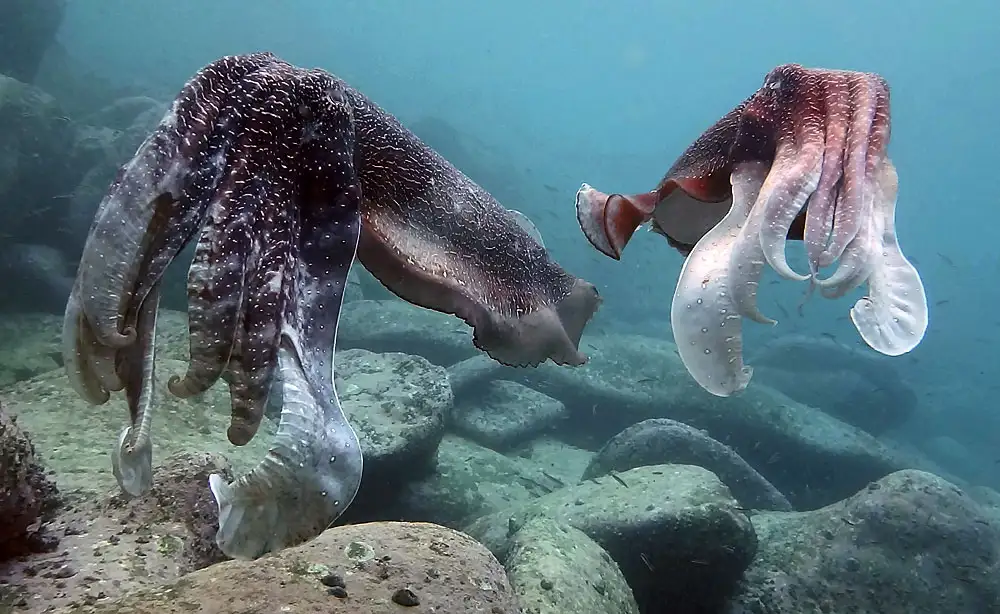
Sepia apama, the Giant Australian Cuttlefish, is among the largest cuttlefish (order Sepiida, family Sepiidae).It is famed for mil···
 LC
LC
Octopodidae
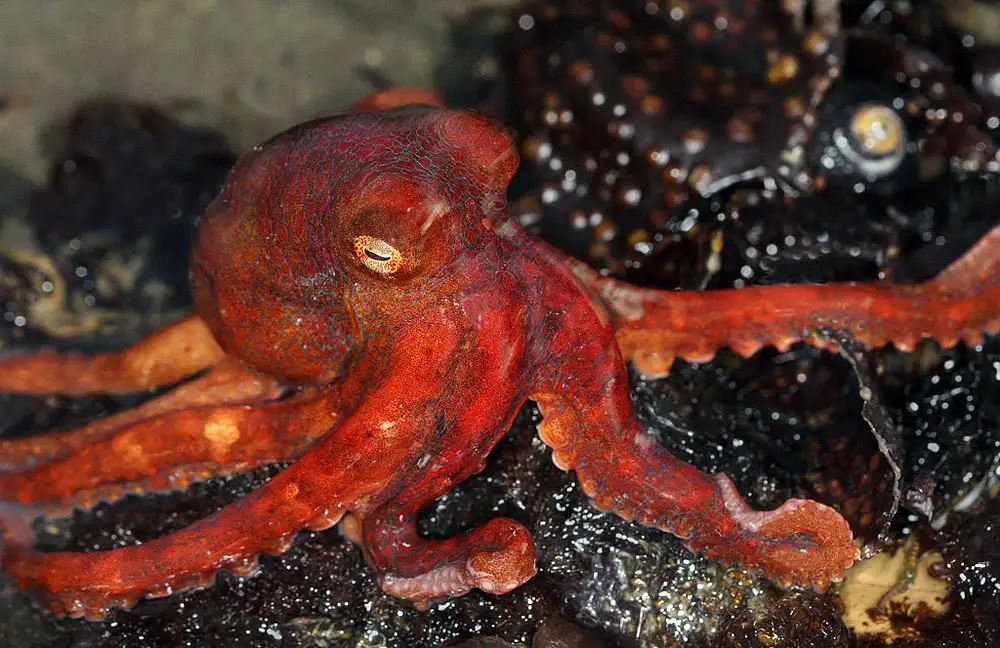
Octopodidae is the principal family of true octopuses (Cephalopoda: Octopoda), widespread from intertidal rocky shores to shelf an···
 LC
LC
Spirobranchus giganteus
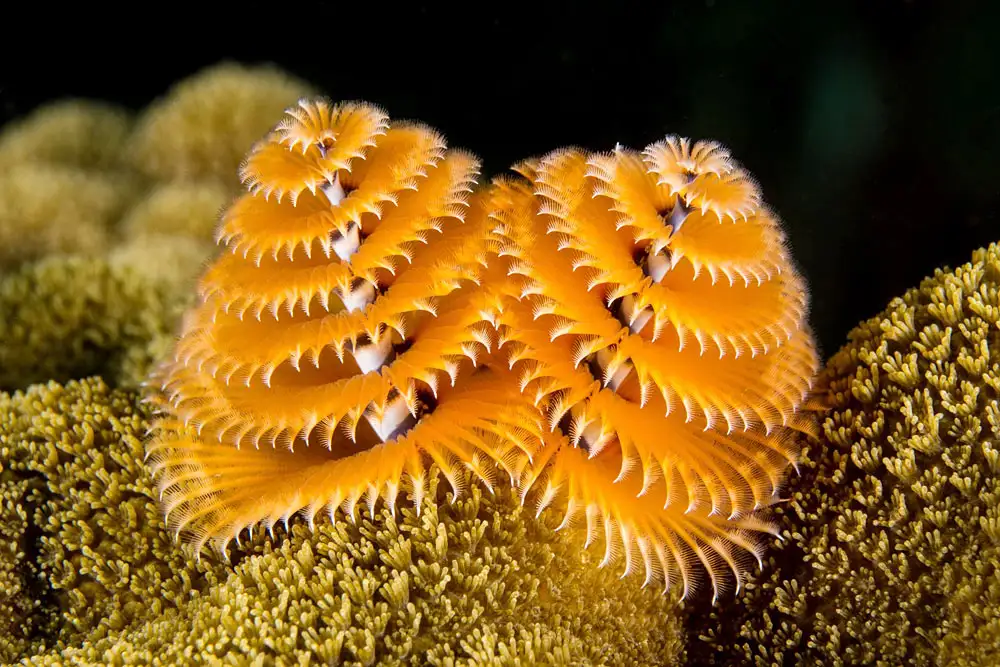
Spirobranchus giganteus—the Christmas tree worm—is a tube‑dwelling serpulid polychaete withtwo vividly coloured, spiral radiola···
 LC
LC
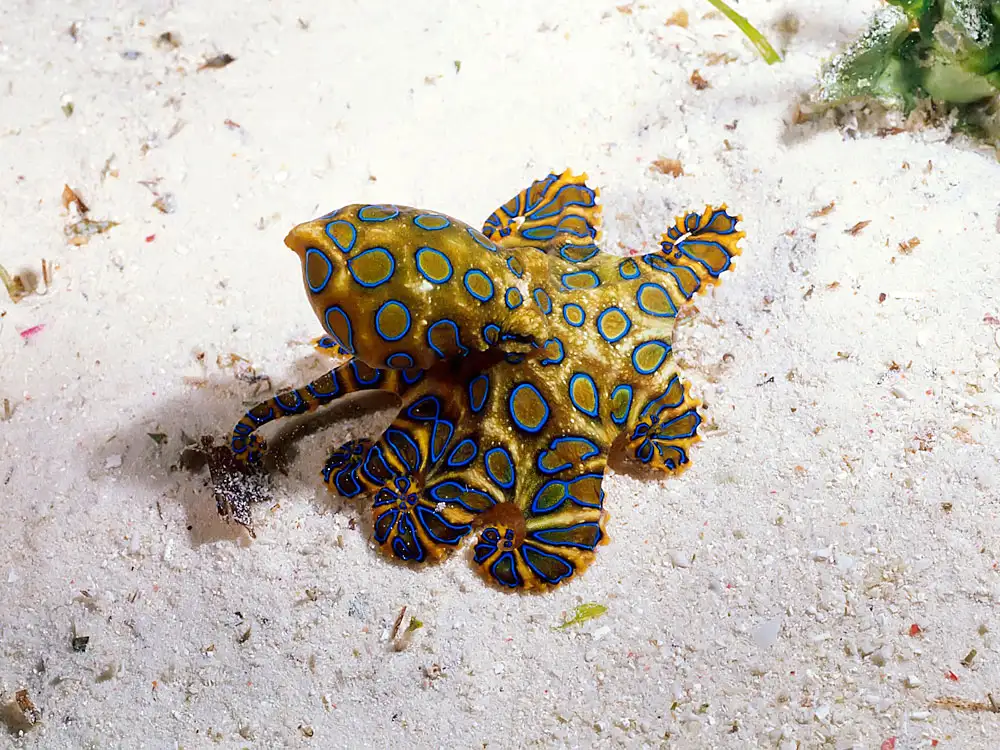
Hapalochlaena maculosa
Hapalochlaena maculosa—the southern blue‑ringed octopus—is a small, highly venomous octopus (family Octopodidae).When threatene···
 LC
LC
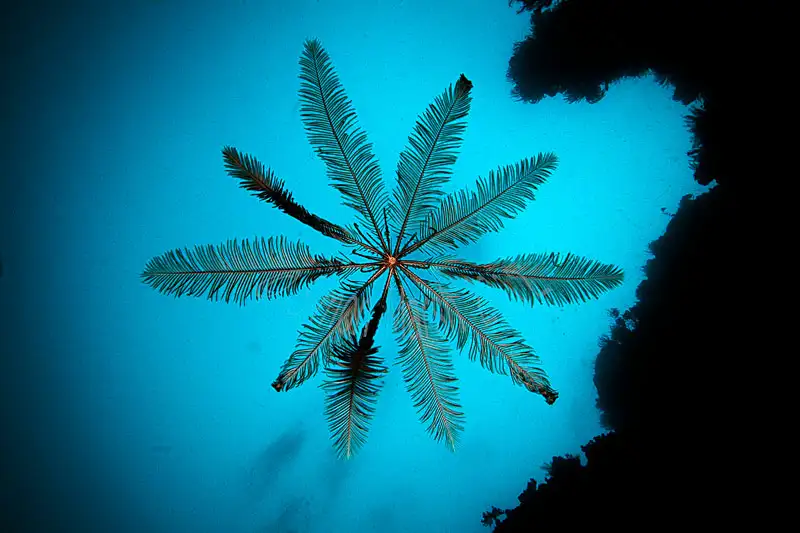
Crinoidea (crinoids)
Crinoids (class Crinoidea) comprise stalked sea lilies and unstalked feather stars.They are suspension feeders that capture plankt···
 LC
LC
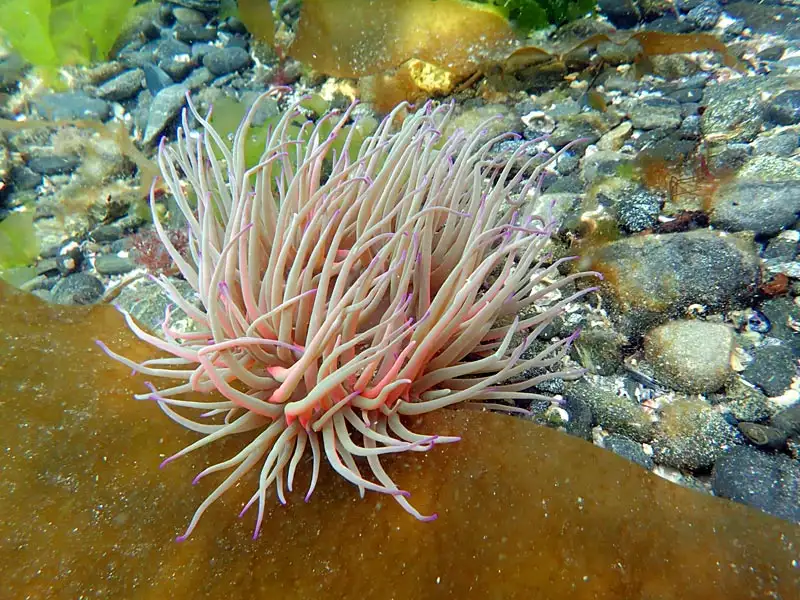
Actiniaria
Actiniaria (sea anemones) are anthozoan cnidarians that are typically solitary and lack a calcareous skeleton.The body comprises a···
 LC
LC
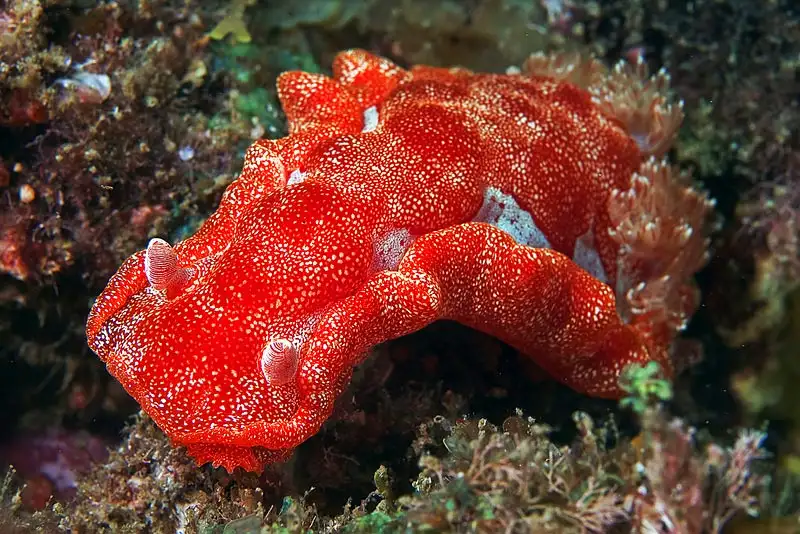
Hexabranchus sanguineus
Hexabranchus sanguineus, the iconic Spanish dancer, is one of the largest and most conspicuousIndo‑Pacific nudibranchs. When dist···
 LC
LC
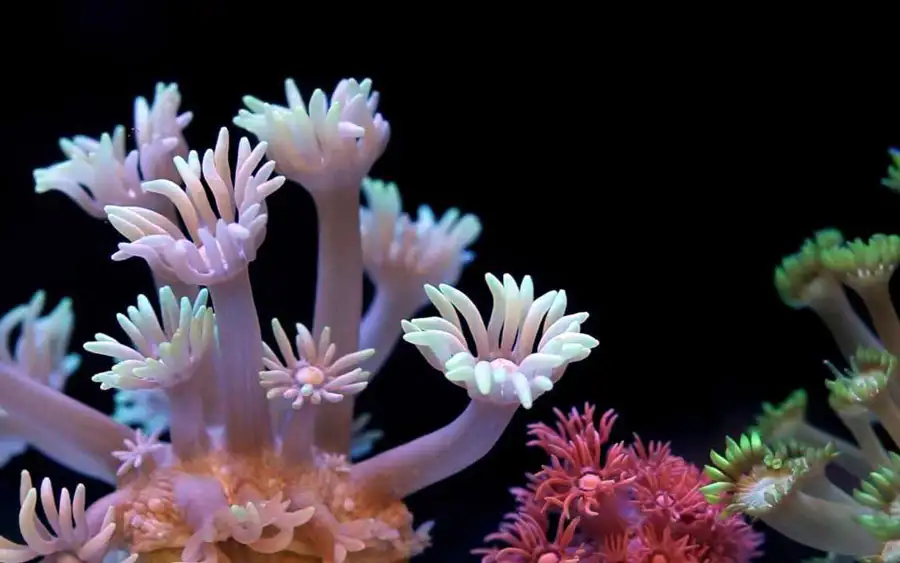
Goniopora lobata
Goniopora lobata is a classic “flowerpot coral” in family Poritidae (order Scleractinia).Its polyps bear long, flower‑like tent···
 LC
LC
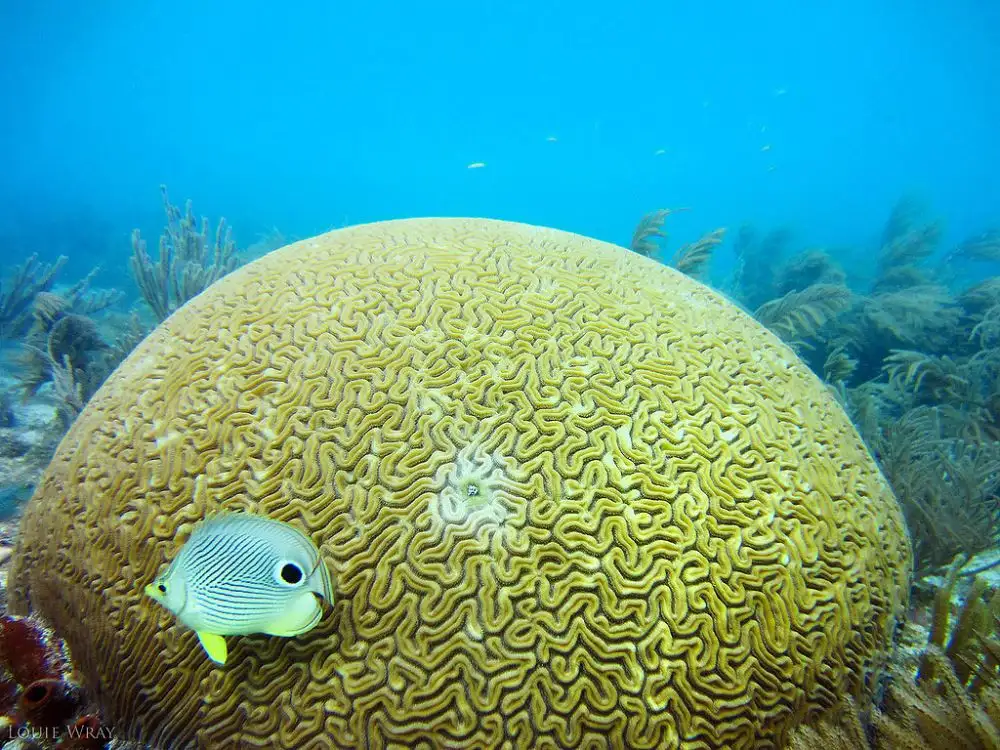
Trachyphyllia geoffroyi
Trachyphyllia geoffroyi, the open brain coral, is a classic large‑polyp stony coral (LPS).Adults are often free‑living on sand o···
 LC
LC
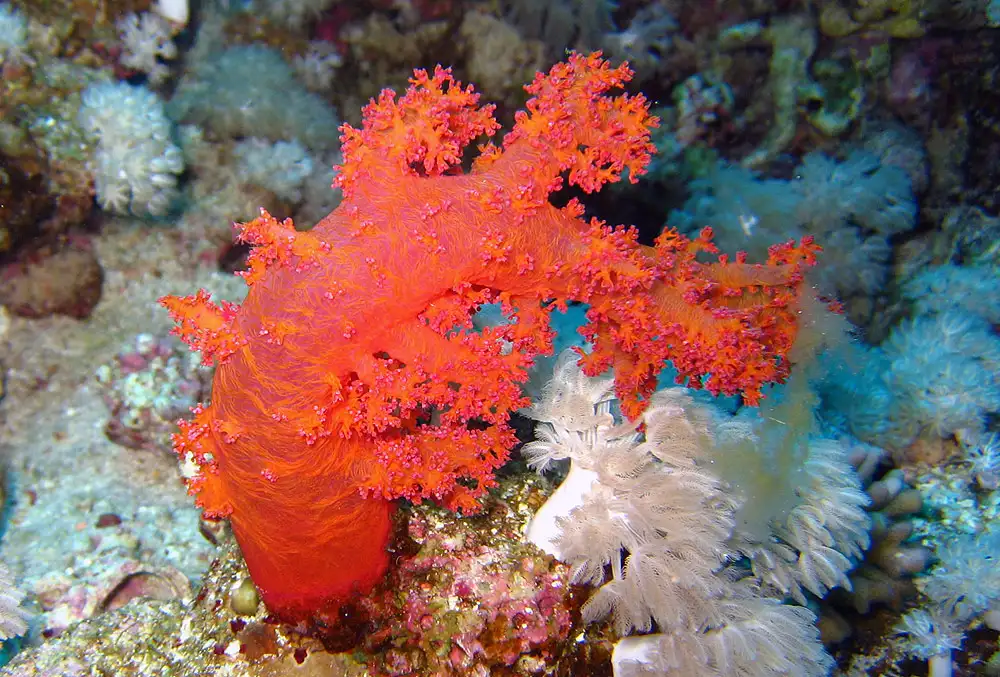
Dendronephthya sp.
Dendronephthya sp. (carnation/tree soft corals) are azooxanthellate octocorals that rely onsuspension feeding rather than photosyn···
 LC
LC
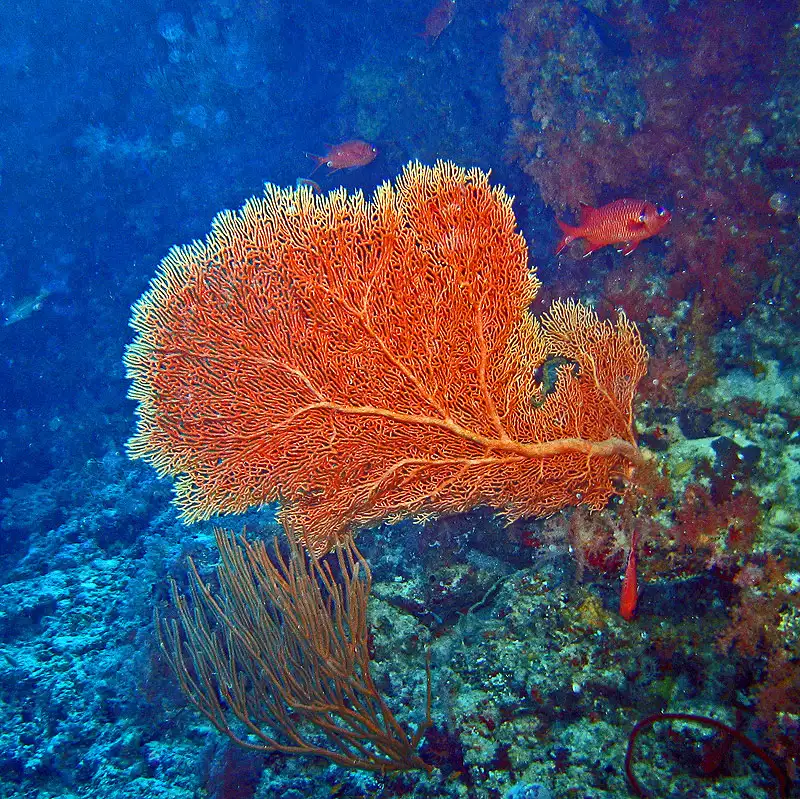
Subergorgia suberosa
Subergorgia suberosa, commonly called the yellow sea fan, is a gorgonian‑type soft coral(Octocorallia: Alcyonacea) forming planar···
 LC
LC
Plerogyra sinuosa
Plerogyra sinuosa, commonly called the bubble coral, is a photosymbiotic reef‑building coral in the familyEuphylliidae. By day th···
 LC
LC
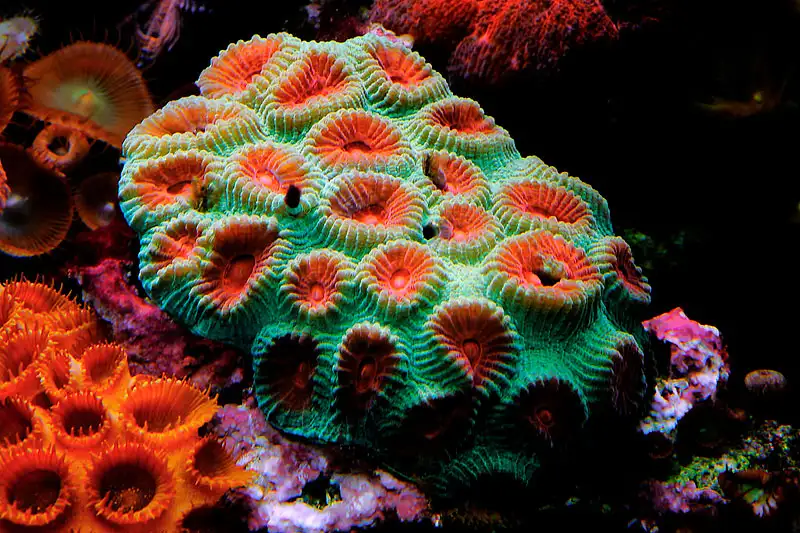
Favia speciosa (= Dipsastraea speciosa)
Favia speciosa (also cited as Dipsastraea speciosa) is a photosymbiotic, reef‑building stony coral.It harbours zooxanthellae (Sym···
 LC
LC
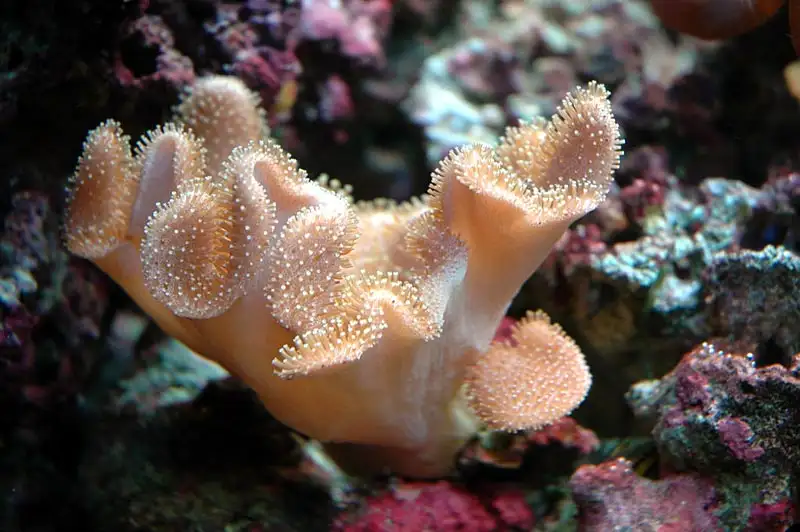
Sarcophyton elegans
Sarcophyton elegans is an Indo‑Pacific leather (toadstool) soft coral in family Alcyoniidae.Colonies have a stout stalk and a fla···
 LC
LC
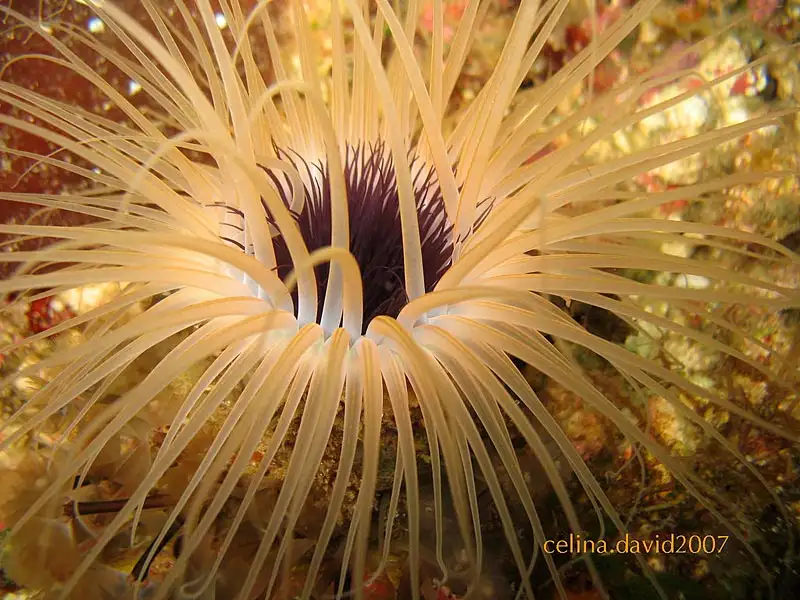
Cerianthus membranaceus
Cerianthus membranaceus is a classic tube‑dwelling anemone (phylum Cnidaria; class Anthozoa;order Ceriantharia, family Cerianthid···
 LC
LC
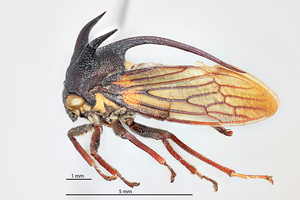
thorn bugs,Treehoppers,Tree lice, stinging lice, stinging insects
Membracidae are members of the family Membracidae, in the order Homoptera, class Insecta, and are often called "tree lice&quo···
 VU
VU
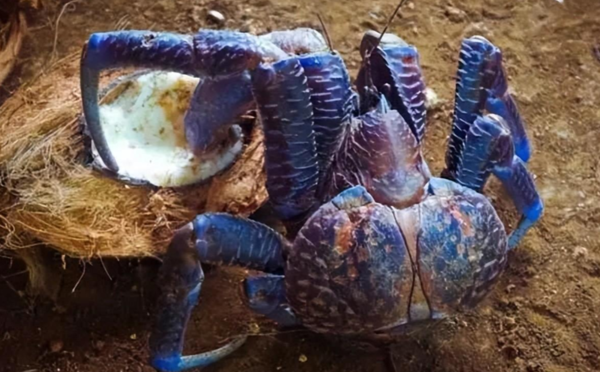
Coconut Crab,Gossip crab, robber crab
Coconut crab (scientific name: Birgus latro, foreign name Coconut Crab), also known as gossip crab and robber crab, belongs to the···
 LC
LC
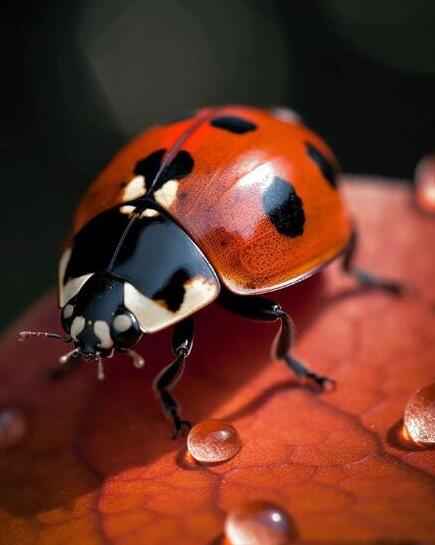
Coccinella septempunctata,ladybirds,ladybug,Fatty, matchmaker, sister Hua, Tiandao worm, golden turtle, pearl turtle, Dr. Mai, stinky turtle
Ladybugs (scientific name: Coccinellidae, binomial name: Coccinella septempunctata), the "lady" in the English name lady···
 LC
LC
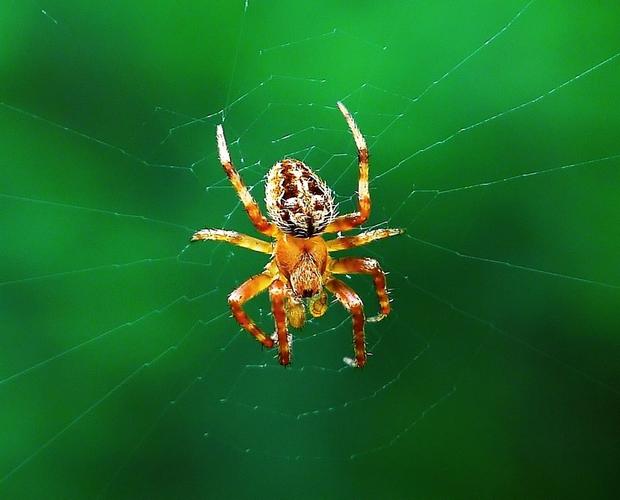
Webworms, flat spiders, garden spiders, octopuses, crickets, silkworms
Spiders (scientific name Araneida; Araneae, foreign name Spider) are also known as webworms, flat spiders, garden spiders, eight-l···
 LC
LC
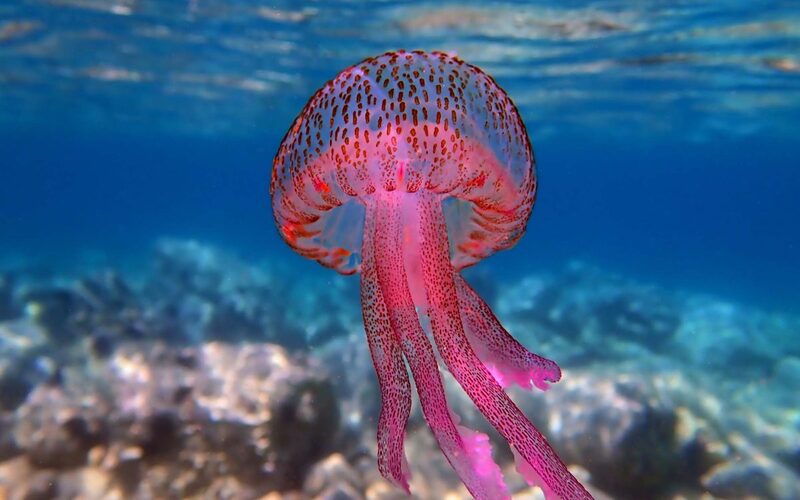
Medusozoa
Jellyfish are important plankton in aquatic environments, including the Scyphozoa, Cross-Jellyfish, and Cubozoa in the Cnidaria. T···
 LC
LC
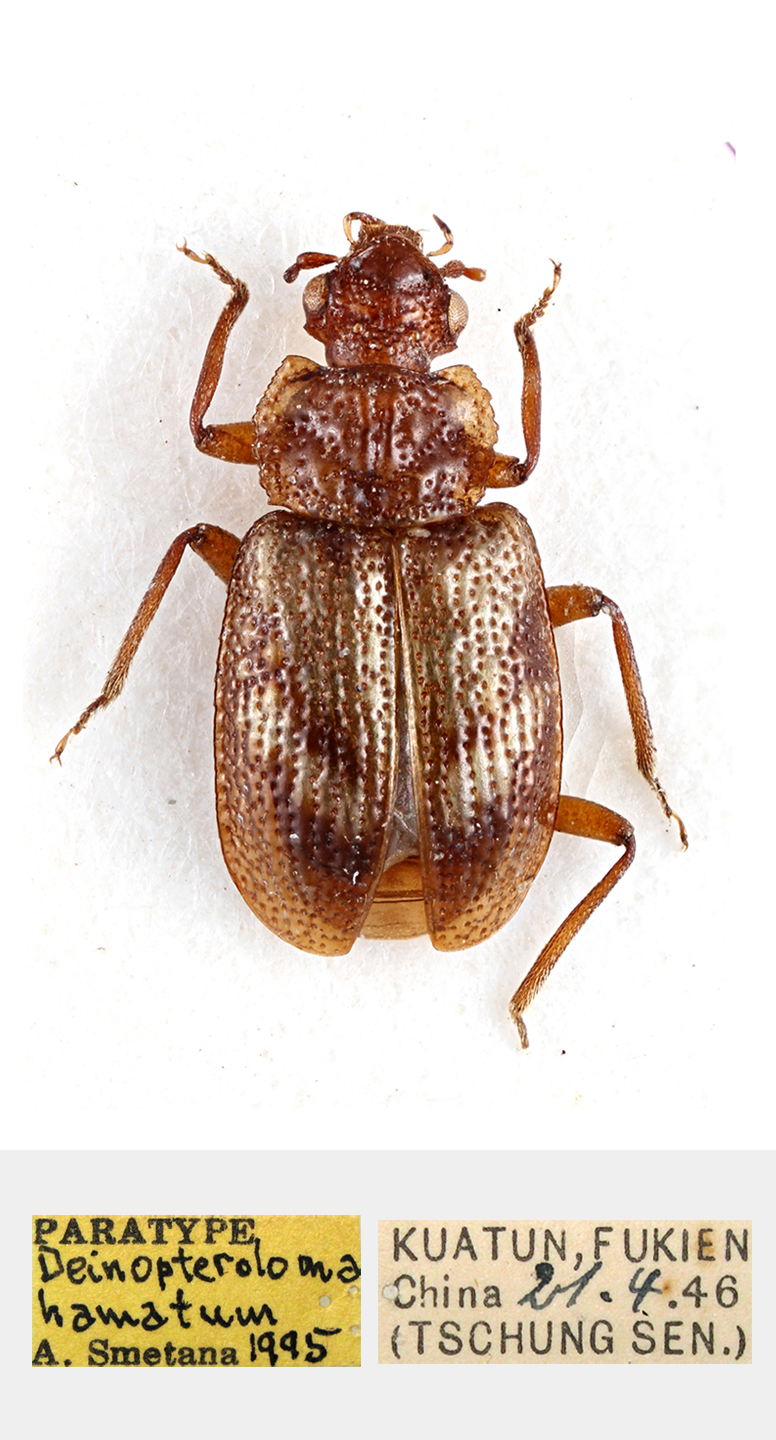
Paederus fuscipes is a small insect of the family Staphylinidae, widely distributed in tropical and subtropical regions. They are ···
 Level 2
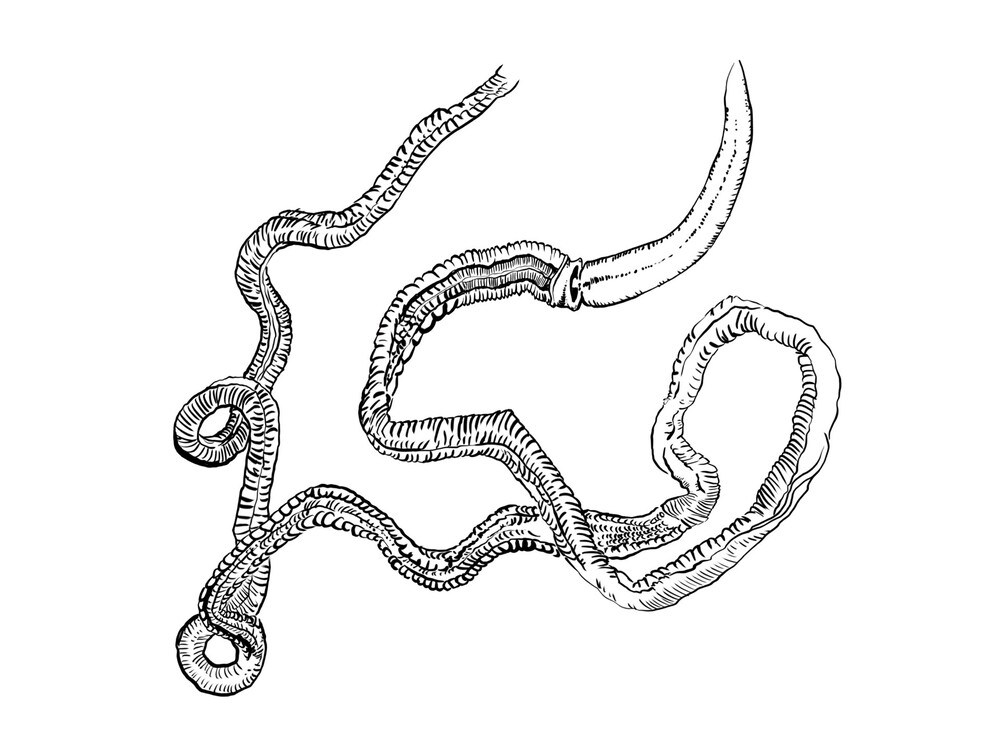
Huangdao acornworm, hookworm, Saccoglossus hwangtauensis
Saccoglossus hwangtauensis (scientific name: Saccoglossus hwangtauensis) is an enterobranchial species distributed in the intertid···
 Level 2
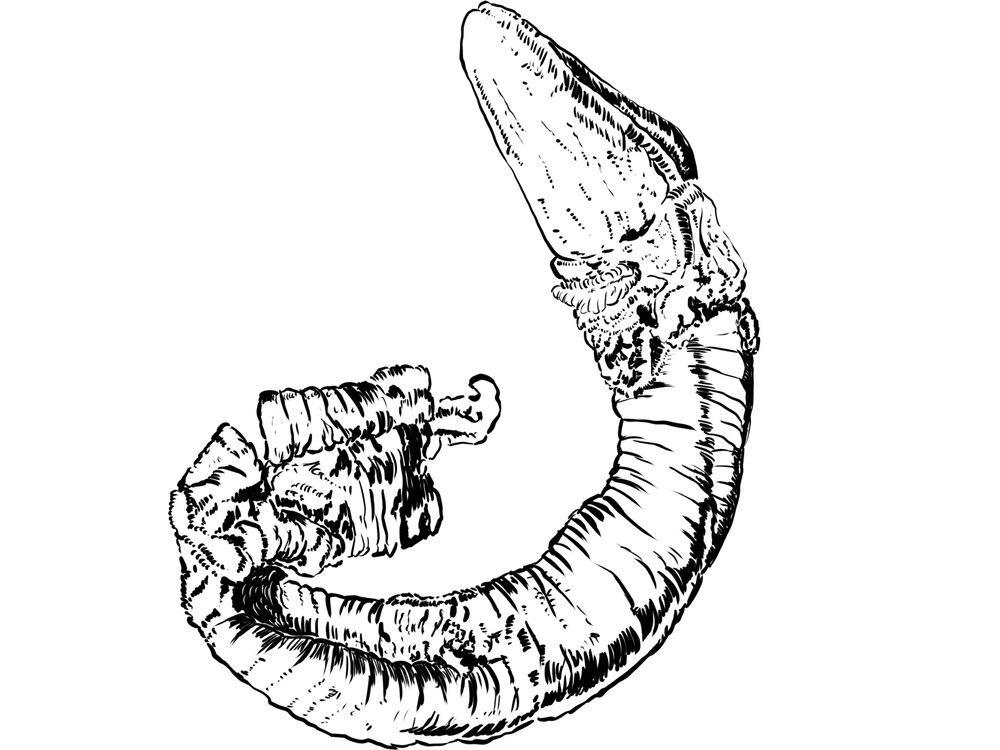
Glandiceps qingdaoensis,Qingdao rough kissing insect
Glandiceps qingdaoensis (scientific name: Glandiceps qingdaoensis), also known as Glandiceps qingdaoensis, is an enterobranchial s···