The sugar glider is a small, nocturnal, highly social marsupial famous for gliding between trees. By spreading a membrane between its fore and hind limbs, it can glide efficiently through the canopy, conserving energy and reducing time spent on the ground. The common name comes from its taste for sweet foods such as nectar and tree sap.
Sugar gliders typically live in family groups and maintain social bonds through vocalizations, shared nest sites, and frequent scent marking. They are popular in the pet trade, but they have complex needs: social companionship, appropriate temperatures and humidity, a balanced diet, and plenty of night‑time space for climbing and gliding. Poor care can quickly lead to stress, nutritional disease, and behavioral problems.
Taxonomy and naming
The sugar glider belongs to the family Petauridae and the genus Petaurus. The scientific name is Petaurus breviceps. It is closely related to other Australian gliders such as the squirrel glider, but it is smaller and has a broad distribution across Australia and New Guinea.
Physical features
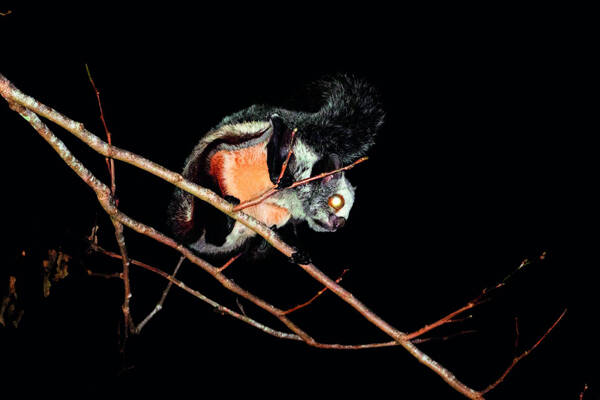
Sugar gliders have grey to silvery‑grey fur above with a distinct dark dorsal stripe, and pale underparts. Large eyes support night vision, and the ears are thin and highly mobile. The signature feature is the patagium, a gliding membrane that runs from wrist to ankle. When the limbs are spread, it forms an aerodynamic surface for controlled gliding. The long tail provides balance and steering. The feet are adapted for gripping bark and handling food, with opposable digits that improve grasp.
Range and habitat
In the wild, sugar gliders occur in parts of northern and eastern Australia and are widespread across New Guinea and nearby islands. They prefer forests and woodlands with connected canopy and plenty of hollow‑bearing trees for nesting. Flowering and sap flow influence local movements and seasonal activity. In heavily fragmented landscapes, the loss of canopy corridors can force ground crossings and increase mortality from cars and predators.
Behavior and activity
They are active at night and usually sleep by day in tree hollows with group members. Social structure is strong, and scent marking is common—especially by males using forehead and chest glands—to label territory and reinforce group identity. When alarmed, they may produce sharp calls and display by spreading the limbs. Gliding is typically initiated from a high launch point, with the tail and body angle controlling direction and landing accuracy.
Diet
Sugar gliders are opportunistic omnivores. Nectar, pollen and plant exudates (sap and gum) provide energy, while insects and other invertebrates supply essential protein and micronutrients, especially for breeding and growing young. Fruit and soft plant material may be eaten seasonally, and diet varies with habitat and flowering cycles.
Reproduction and life cycle
Females usually produce 1–2 young per litter. Newborns develop in the pouch, then move to a hollow nest where the mother continues nursing and guarding them as they learn to climb, forage and glide. Breeding timing varies with climate and food peaks; group stability, nest safety and nutrition strongly influence juvenile survival.
Relationship with people
In natural ecosystems, sugar gliders can contribute to pollination and help regulate insect populations. As pets, they are not well suited to solitary housing because isolation can cause chronic stress. Ethical, legal sourcing and proper husbandry are essential, including a scientifically balanced diet and enough vertical space and enrichment for night activity. In the wild, clearing, fire and road fragmentation can degrade habitat and reduce hollow trees.
Conservation status and threats
Globally the sugar glider is often listed as Least Concern (LC), but local populations can be affected by habitat loss, changes in fire regimes, increased predation, and illegal capture for trade. Conservation measures emphasize retaining hollow‑bearing old trees, restoring connected canopy corridors, reducing risky road crossings, regulating trade, and supporting habitat recovery after major fires.