The water‑rat, widely known in Australia by the Indigenous name “rakali,” is a distinctive semi‑aquatic rodent that looks more like a small otter than a pest rat. It has waterproof fur, partly webbed hind feet, and a thick tail that often ends in a bright white tip. Many individuals also have orange or golden underfur, which is reflected in the scientific name chrysogaster, meaning “golden belly.”
Rakali are native predators and scavengers of waterways. They hunt aquatic insects, fish and crustaceans, crack open molluscs, and may take frogs or other small vertebrates. Because they depend on healthy water and well‑vegetated banks for shelter and prey, they can be useful indicators of wetland and riverbank condition.
Taxonomy and naming
The rakali belongs to the rodent family Muridae and the genus Hydromys. The scientific name is Hydromys chrysogaster. “Rakali” is one of several Aboriginal language names and is now commonly used alongside “Australian water‑rat.”
Physical features
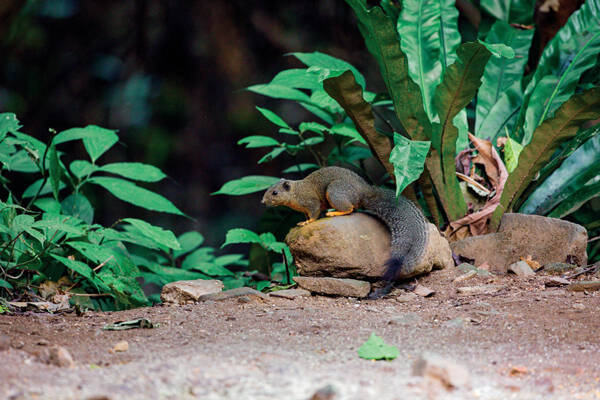
It has a streamlined body with a slightly flattened head, a blunt nose, strong whiskers, and relatively small ears and eyes. The back is usually dark brown to blackish, while the belly can be white, orange or golden. The thick, muscular tail often has a sharply defined white tip and helps with balance and steering in water. Broad hind feet are partly webbed, and the dense coat repels water and provides insulation in cold conditions.
Range and habitat
Rakali are widespread across Australia, including Tasmania and nearby islands, and the range extends into parts of New Guinea and adjacent islands. They live near permanent water in many settings: rivers and creeks, lakes and wetlands, farm channels and storages, and also brackish or coastal habitats such as estuaries, mangrove edges and sheltered bays. Dens are often burrows in banks, but they may also use hollow logs, reed beds, root tangles or other sheltered cavities where riparian vegetation provides concealment.
Behavior and activity
They are mostly nocturnal, resting by day and patrolling shorelines at night. Individuals are often solitary and strongly territorial, using scent marking and repeated travel routes along the water’s edge. In areas with abundant food, local densities can be higher, but direct encounters are still typically limited.
Diet
Rakali are opportunistic carnivores and scavengers. Their diet commonly includes aquatic insects, crayfish and crabs, fish, mussels and snails, and they may also take frogs and other small vertebrates. Some individuals leave piles of opened shells or crustacean fragments at regular feeding spots on banks, which can be a useful field sign of their presence.
Reproduction and life history
Breeding is linked to seasonal conditions and food availability. Females raise young in secure dens, and juveniles gradually learn swimming, foraging and predator avoidance. Because wild individuals often live only a few years on average, safe den sites and stable, productive waterways are important for local persistence.
Relationship with people
Historically, rakali were heavily trapped for fur. Today they often live in and around urban waterways and constructed wetlands, which brings new risks such as pollution, plastic waste, fishing line and hook injuries, and road mortality near river crossings. Reducing litter, managing fishing gear responsibly and maintaining vegetated banks can directly improve survival in human‑dominated landscapes.
Conservation status and threats
Globally the rakali is assessed as Least Concern (LC) and remains widespread. Local populations can still be affected where wetlands are drained, banks are cleared, or water quality declines. Entanglement in fishing line and predation by introduced cats and foxes can also increase mortality. Conservation action is most effective when it protects clean water, continuous riparian vegetation, and safe shoreline refuge while reducing entanglement and accidental capture.