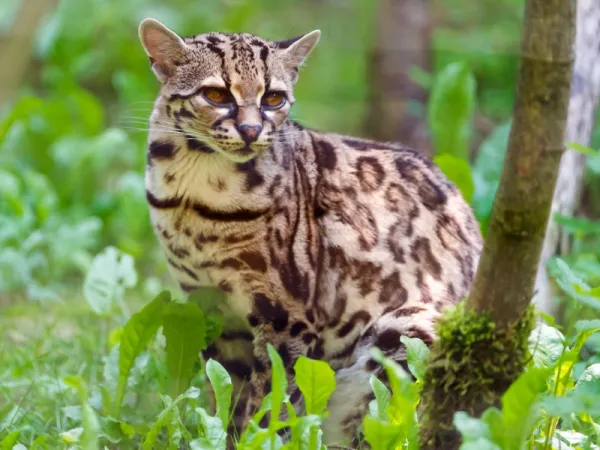
22 Endangered Animals of Panama (Field Guide)
Straddling the Central American isthmus, Panama blends tropical climate, coast-to-coast shorelines, lowland rainforests, cloud forests and mangroves—conditions that foster exceptional biodiversity. Unfortunately, habitat fragmentation, pollution, illegal hunting and wildlife trade are pushing many...
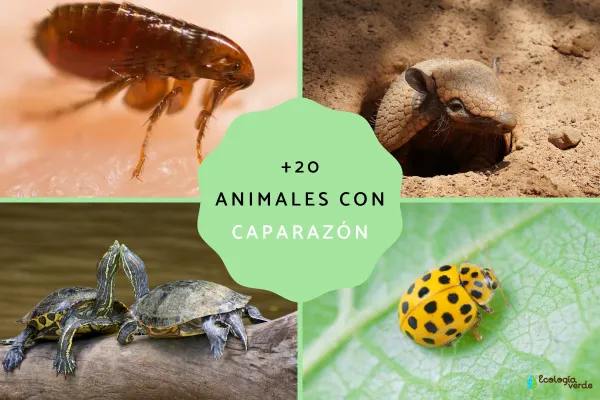
20+ Animals with Shells (What They Are, How They’re Built, and Classic Examples)
Across the animal kingdom, body plans vary wildly: some lineages rely on internal skeletons made of bone or cartilage, others on external skeletons, and many have evolved hard coverings for defense, support, and movement. One of the most successful of these adaptations is the shell—a tough structur...
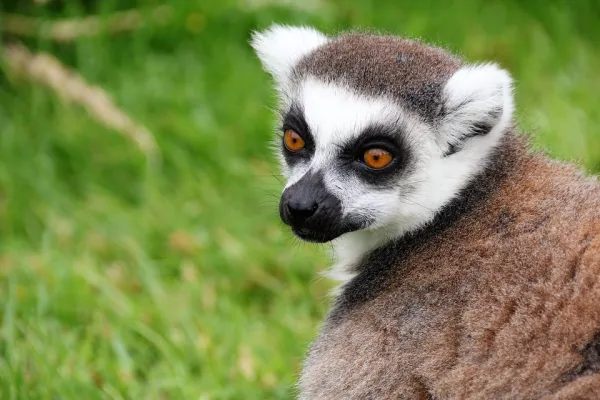
13+ Endemic Animals of Madagascar (Names, Traits & Fast Facts)
To talk about Madagascar is to talk about endemism. This large island off southeastern Africa split from the mainland more than 100 million years ago, and its plants and animals evolved in isolation—creating about 5% of the planet’s biodiversity, with roughly 70% of species found nowhere else. Tod...
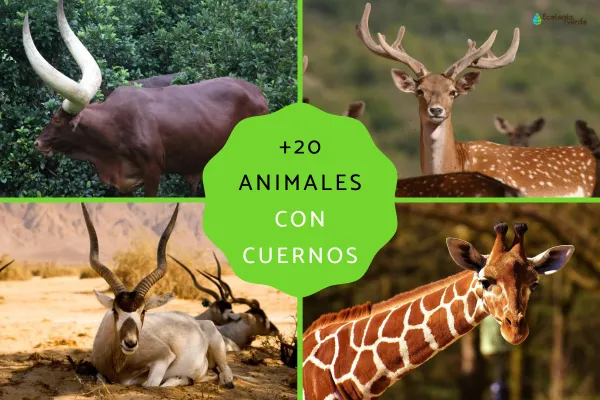
20+ Horned Animals: What Counts as a “Horn,” How They Differ from Antlers, and Flagship Species (wit
Many animals carry horn- or horn-like structures on the head. Some are weapons for defense or intraspecific combat, others help with display or even heat regulation. Shapes range from slim needles to sweeping scimitars or tight spirals. Below you’ll find what a true horn is (and isn’t), how it dif...
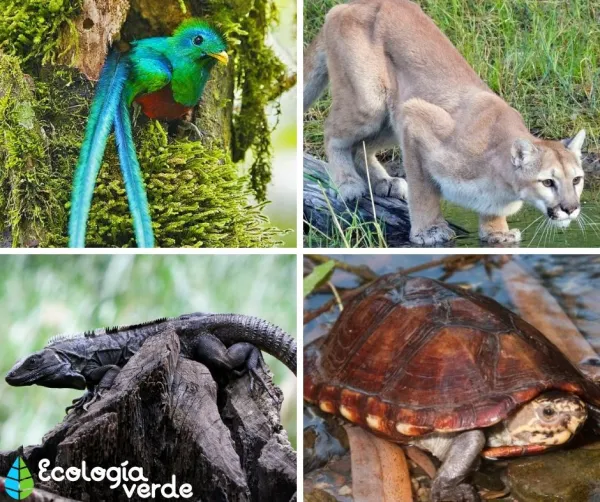
15+ Endangered Animals of Guatemala: Quick Guide to Species, Threats & Where They Live
Guatemala packs cloud forests, tropical lowlands, mangroves, and high mountains into a small map—an incredible diversity now pressured by rapid habitat loss and illegal hunting. The IUCN Red List ranks extinction risk from Least Concern (LC) → Near Threatened (NT) → Vulnerable (VU) → Endangered...
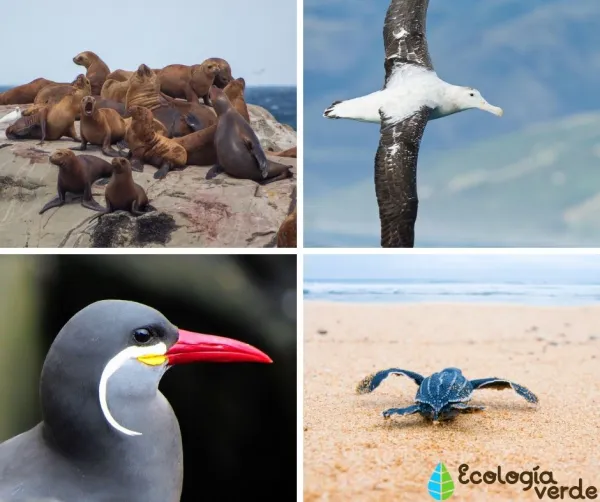
25+ Representative Animals of the Peruvian Coast (Quick Facts)
Supercharged by the Humboldt (Peru) Current and powerful upwelling, Peru’s Pacific shoreline is one of South America’s richest marine corridors. Nutrient-dense waters feed vast schools of fish, which in turn attract seabirds, sea turtles, and whales. Below is a handy, copy-ready guide to the most...
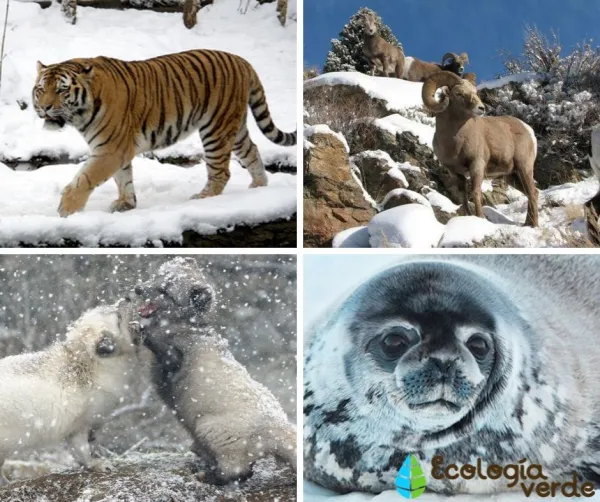
15 Representative Animals of Russia (with Scientific Names & Key Facts)
Spanning both Europe and Asia and covering about 17.09 million km², Russia contains an extraordinary range of ecosystems—from Arctic tundra and taiga to high mountains, vast rivers, and the world’s deepest lake. That breadth of habitats supports remarkable wildlife. Below are 15 emblematic Russia...
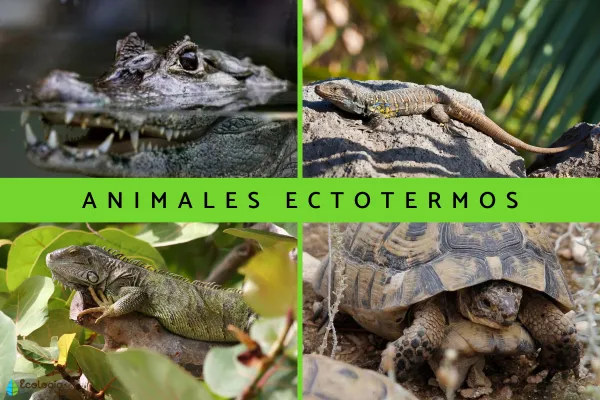
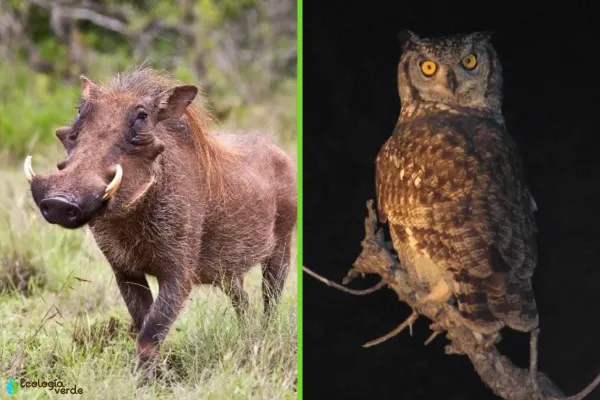
Diurnal vs. Nocturnal Animals: Traits, Examples & Key Differences
Most animals—including us—run on roughly 24-hour biological rhythms (circadian rhythms) that schedule when we’re alert, when we feed, and when we sleep. Based on when activity peaks over a day, species are commonly grouped as diurnal (active by day) or nocturnal (active by night). Very few are hi...

14 Animals “Without a Brain”: Names, Traits & Field Notes
Nature doesn’t insist on a single blueprint. Many animals thrive without a centralized brain, relying instead on simple nerve nets, ring-and-radial nerves, or chains of ganglia to sense, move, feed, and reproduce—especially in the sea. Here’s a clear, reader-friendly guide to 14 classic examples....

60+ Coastal Animals (Names, Traits & Where They Live)
Coasts and nearshore waters are among Earth’s richest life zones. Beyond the familiar dolphins, gulls, and sea turtles, tidepools, beaches, rocky shores, estuaries, and near-coastal seas teem with fishes, birds, reptiles, and invertebrates. This field-guide style overview introduces the flagship gr...

45+ Native Animals of Peru: Names & Quick Facts
Peru is among the world’s most biodiverse countries. More than 1,730 bird species have been recorded—second only to Colombia. Stretching from the Pacific coastal deserts across the Andes to the Amazon rainforest, Peru’s dramatic gradients in climate and terrain create a mosaic of habitats that su...

30+ Animals of the Amazon: Names, Traits & Highlights
The Amazon Basin—spanning Brazil, Colombia, Peru and extending into Bolivia, Ecuador, Venezuela, Guyana, Suriname, and French Guiana—is one of Earth’s greatest biodiversity hotspots. Anchored by the mighty Amazon River, this region supports an astonishing web of life. Across studies, scientists e...
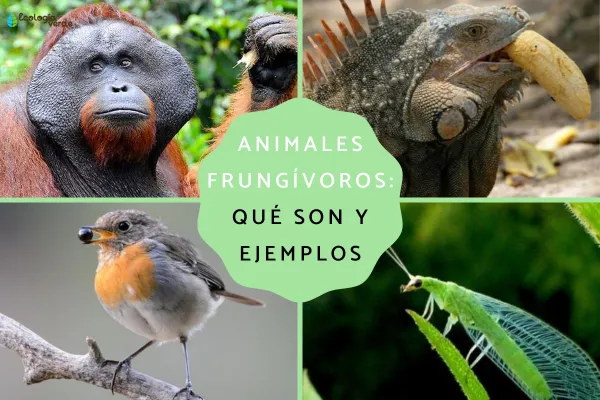
Frugivorous Animals: Definition, Key Traits & Representative Species
Frugivores are animals that obtain much (or most) of their nutrition from fruit. Some species are almost strict fruit eaters, while many are facultative frugivores that eat fruit seasonally or opportunistically within a broader herbivorous or omnivorous diet. Frugivores form mutualistic interactions...
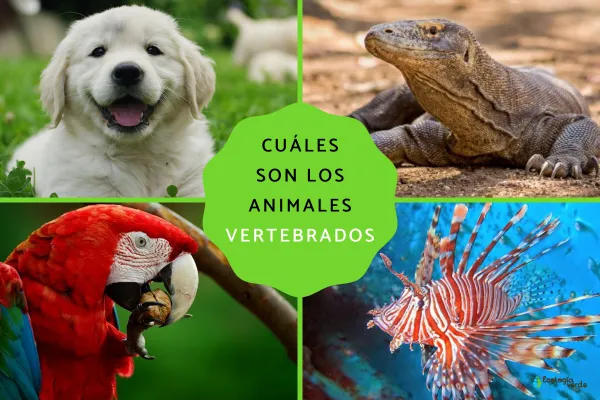
Vertebrate Animals: Classification, Characteristics, and Examples
Did you know that there are over 62,000 known species of vertebrate animals on Earth today?This impressive number includes a vast variety of creatures, from the smallest fish to the largest mammals, all sharing one key feature: a backbone.Because they have skeletons that fossilize easily, vertebrate...

Herbivorous Animals: Definition, Types, Examples, and Ecological Importance
Nutrition is one of the vital life functions of living organisms. Different species can be classified according to their feeding strategies and habits, which they have developed through evolution. Understanding the diets of animals not only reveals how they live, but also helps us understand the rol...
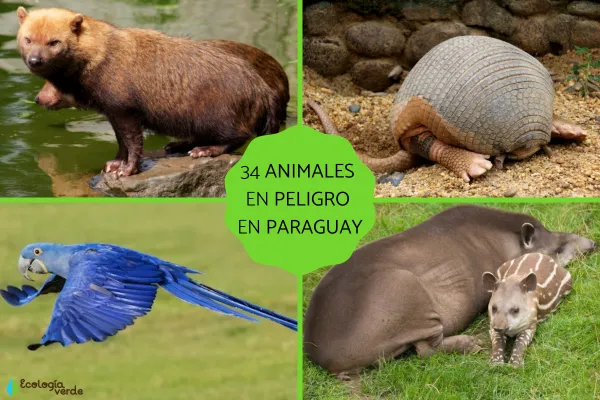
34 Endangered Animals in Paraguay – List, Species & How to Help
Every year, the list of endangered animals in Paraguay continues to grow. Some species are well known, while others are lesser-known, but all wildlife plays a vital role in maintaining ecological balance and healthy ecosystems.In this article, we’ll explore 34 species in danger of extinction in Par...
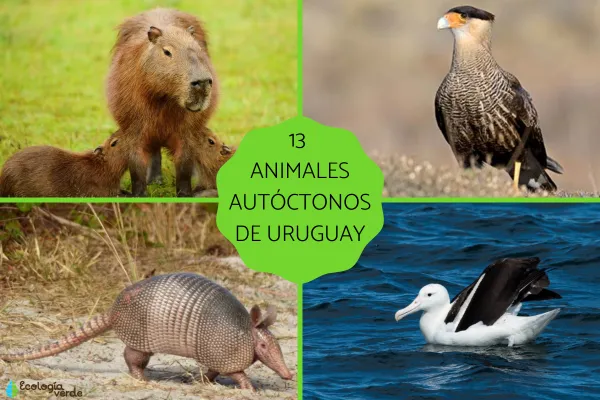
13 Native Animals of Uruguay: Names, Characteristics, and Conservation Status
Uruguay, located in southeastern South America, boasts a rich variety of ecosystems, including grasslands, forests, wetlands, hills, and coastal areas. These diverse landscapes support a wide range of native wildlife, playing a crucial role in the country’s natural heritage.In this article, you'...

42 Endangered Animals in Nicaragua (Full List + Detailed Guide)
Nicaragua, the largest country in Central America, is home to exceptional biodiversity. Its 68 terrestrial and aquatic ecosystems support over 14,000 species of invertebrates and around 1,800 species of vertebrates. However, habitat degradation, fragmentation, and loss have placed many of Nicaragua’...

25 Animals of Antarctica: Species List, Features, and Conservation Status
Antarctica, the southernmost continent on Earth, spans approximately 14 million square kilometers. It is one of the coldest, most remote, and least inhabited places on the planet. Despite its harsh conditions, this frozen continent is home to a surprising number of unique and resilient animal specie...