
20 Iconic Animals of New Zealand (Including Endemic and Rare Species)
New Zealand, composed of two main islands with intense volcanic activity, was separated from the ancient supercontinent Gondwana around 100 million years ago. This long period of geographic isolation led to the evolution of many unique and endemic species—especially birds.Today, about a quarter of...

Top 10 smartest marine animals
The ocean, as the most vast and mysterious ecosystem on earth, breeds a rich variety of life forms. Organisms living in the ocean or saltwater areas of coastal estuaries are collectively called marine organisms. They not only support the global ecological balance, but also make great contributions t...

20 Solitary Animals and Their Unique Traits
In the animal kingdom, social behavior varies widely. Some animals rely on groups for protection, hunting, or social bonding, while others prefer a solitary lifestyle. Though living alone may seem like a disadvantage, many species have adapted successfully to solitude. This article introduces 20 rem...

15 Animals That Are Blind: Life Without Sight in the Natural World
In the animal kingdom, not all creatures rely on vision to survive. For many species living in dark environments—such as deep-sea ecosystems, underground burrows, or caves—sight is unnecessary and often becomes obsolete. These animals have evolved with underdeveloped or completely absent eyes but...

15 Animals with Trunks: Uses, Adaptations, and Evolution
Throughout evolution, trunks and elongated snouts have appeared in various animal groups, serving an incredible range of purposes. In some species, such as butterflies, the trunk has a single, specialized function. In others, like elephants or tapirs, it’s a versatile biological tool used for feedi...
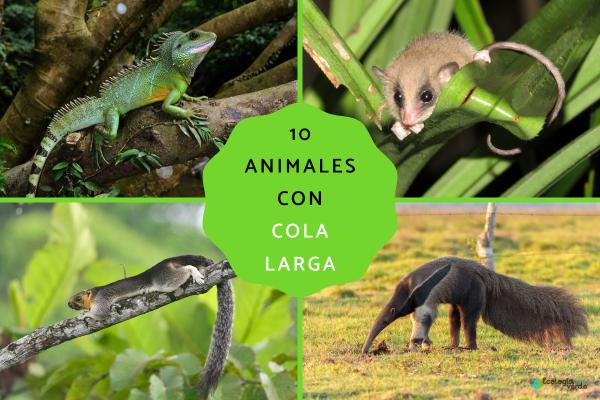
10 Animals With Remarkably Long Tails – Functions, Facts, and Fascination
Tails are far more than decorative add-ons. In many vertebrates they act as counterweights, rudders, fifth limbs, blankets, signal flags, or mobile food stores, depending on what survival demands. Below you’ll meet ten wild species whose extra-long tails showcase evolution’s engineerin...

Endangered Animals in Uruguay: Species at Risk and How to Help
Uruguay, the second smallest country in South America after Suriname, boasts remarkable biodiversity despite its limited geographic size. However, like many regions worldwide, Uruguay faces increasing threats to its wildlife, with many species now endangered. The primary cause of this alarming trend...

5 Animals with Blue Tongues: Unique Adaptations and Their Functions
In the animal kingdom, we often expect certain colors and traits, but there are fascinating exceptions and variations that give species an edge for survival. One such rare and striking trait is a blue tongue.Have you ever wondered what color a polar bear’s tongue is? Or if animals really have purpl...

Amazing Animals That Can Regenerate: 10 Incredible Examples and How They Do It
Regeneration in animals is a fascinating survival strategy that allows them to recover lost or damaged body parts. This incredible ability not only helps them escape predators but also keeps them alive in harsh environments. In this article, we explore 10 remarkable animals known for their regenerat...

30 Animals That Play Dead: Survival Strategy Explained
Survival strategies in living organisms are not only linked to environmental factors like temperature or humidity changes but also to interactions between species within the same food chain. In these interconnected ecological networks, some animals have developed unique tactics to avoid being hunted...
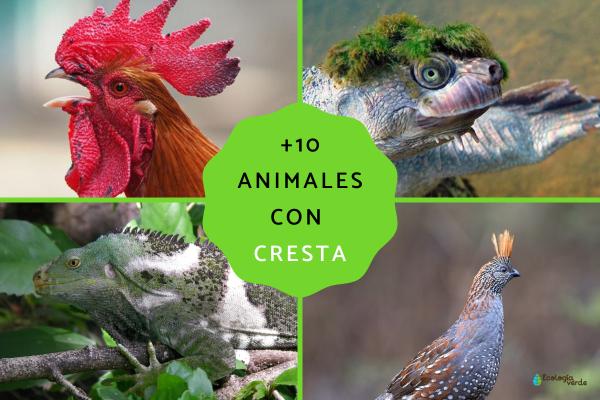

20 Bipedal Animals: Definition and Examples
Animals have evolved various modes of locomotion that provide advantages in their environments. Just as birds are known for flying and fish for breathing underwater through gills, bipedalism—a mode of walking on two legs—is a unique adaptation found in relatively few animals, including humans. In...

Carnivorous Animals: Classification, Examples, and Names
Animals exhibit various dietary habits, including omnivory and herbivory. Among all, carnivorous predators fascinate humans the most due to their remarkable strength and hunting skills. But did you know the term "carnivore" extends beyond just animals eating large warm-blooded prey? In thi...

6 Animals with Exoskeletons: Examples and Key Characteristics
Living organisms are equipped with skeletons that provide support, maintain shape, and protect the body. Skeletons can be classified into two types based on their location: endoskeletons and exoskeletons. Exoskeletons form the external covering of certain animals, acting as a natural armor. Have you...

10 Typical Ungulate Animals: Key Features, Examples, and Knowledge Guide
Among terrestrial animals, ungulates stand out as a unique group of mammals that walk not on their whole feet, but on the tips of their toes—specifically, on hooves. Do you know which animals are classified as ungulates? What unique features do they have? This article will help you fully understand...
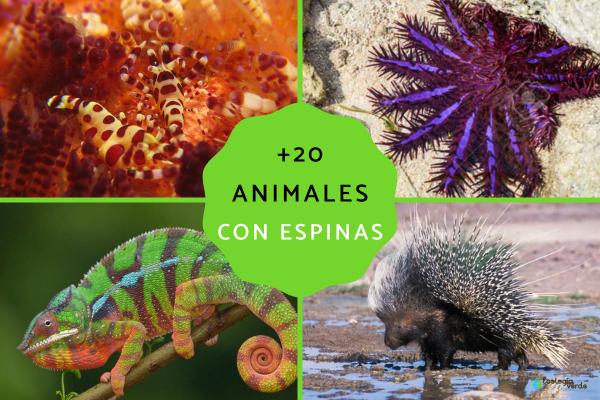
20 Common Thorny Animals and Their Characteristics
In the animal kingdom, many species have evolved spines or spikes as a defense mechanism against predators or harsh environments. These spines can be made of different materials, such as chitin in insects or keratin in mammals, and serve various purposes from protection to camouflage. Let’s explore...

Sea Spiders: Features, Habitat, and Diet Explained
The ocean, the cradle of life on Earth, is home to countless mysterious and little-known creatures. Among them, sea spiders stand out as ancient marine animals with fascinating adaptations and a history dating back over 500 million years. If you’re curious about these “oceanic spiders,” this guid...

12 Endangered Animals in Puebla, Mexico (With Images and Key Facts)
Puebla, a state located in central Mexico, is characterized by diverse topography—volcanoes, highlands, valleys, and plateaus—that results in a wide variety of climates: from snowy peaks to temperate, warm, and dry areas. This geographic richness gives rise to exceptional biodiversity. However, in...
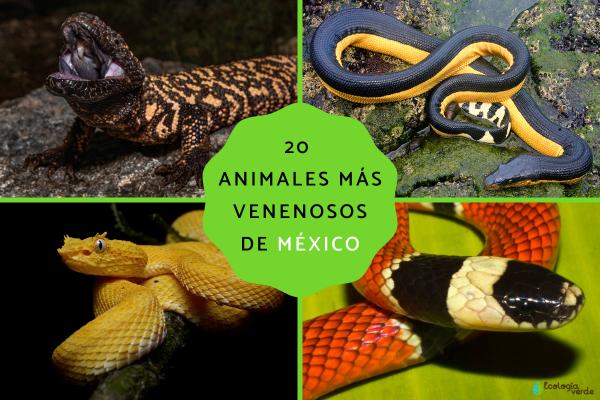
20 Most Venomous Animals in Mexico (With Photos & Detailed Facts)
Mexico is one of the most biodiverse countries in the world, and it's famously home to a wide variety of venomous animals. In fact, Mexico has the highest number of venomous snake species globally and leads the world in scorpion sting incidents. Some of these creatures even share habitats with h...