 LC
LC
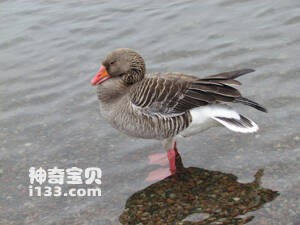
Pink-footed Goose
Pink-footed Goose,Anser brachyrhynchus
The footed Goose (Anser brachyrhynchus) is a large, relatively heavy bird of the genus Footed goose.Pink-footed geese live in Arct···
Explore birds by lifestyle and ecological group, from waterfowl and waders to parrots, raptors, landfowl, and songbirds.

Use these shortcuts to move into more specific animal groups.
Waterfowl is one of the six major ecological groups of birds, covering all species in the seven orders of Anseriformes, Loons, Grebes, Slugformes, Pelecaniformes, Larus, and Spheniscus in the traditional classification system of birds. Waterfowl are suitable for feeding in water. Such as geese, ducks, swans, etc. They like to live in water, with feet stretched back, webbed toes, flat or pointed beaks, good at swimming, diving and digging food in water, most of them are not good at walking on land, but fly very fast.
Definition and Characteristics
Habitat: Primarily found in or around bodies of water (rivers, lakes, wetlands, seas). Many species rely on aquatic environments for foraging or breeding, though some also spend time on land or in flight.
Morphological Adaptations: Often exhibit webbed (or partially webbed) feet, streamlined bodies, dense plumage with effective waterproofing, and well-developed oil glands—all aiding in swimming, diving, or floating.
Diverse Diets: Ranging from aquatic plants, plankton, fish, crustaceans, to mollusks, reflecting herbivorous, omnivorous, or carnivorous feeding habits.
Reproductive Strategies: Many nest near shorelines or in wetlands. Some species form large breeding colonies, migrate seasonally, or exhibit specialized egg incubation behaviors (including underwater nest sites).
Diversity and Distribution
“Water birds” are distributed worldwide, from polar penguins to tropical pelicans, from inland loons to pelagic albatrosses.
Because of similar habitat demands, many unrelated groups exhibit convergent evolution (e.g., webbed feet, streamlined shapes) despite varying systematic positions.
Broader Avian Background
Birds originated from theropod dinosaurs in the Mesozoic era. By the late Cretaceous, they had already diversified significantly.
Through continental drift and climate shifts, various avian lineages adapted to marine, coastal, and inland aquatic environments, evolving specialized forms for swimming, diving, or wading.
Multiple Independent Transitions to Aquatic Life
Modern water birds do not derive from a single common “water-adapted ancestor.” Rather, different avian lineages evolved aquatic lifestyles multiple times (e.g., ducks vs. penguins have distant ancestry).
Convergent traits include webbing or lobed feet, waterproof plumage, streamlined bodies, salt glands (in some marine birds), and diving adaptations.
Human Interactions
Aquatic birds play essential ecological roles—controlling aquatic prey, dispersing seeds, and serving as indicators of environmental health.
Humans have historically hunted or domesticated many water birds (e.g., ducks and geese) and continue to impact them through wetland drainage, pollution, and climate change.
Below is a simplified list of avian orders and families commonly associated with aquatic or semi-aquatic habitats. It includes typical genera and example species.
Note: For clarity, we focus on birds strongly linked to swimming and diving. Some waders or partially aquatic birds (e.g., certain Gruiformes or terrestrial waterfowl) are mentioned briefly. This summary is not exhaustive.
| Family | Representative Genera | Example Species | Notes |
|---|---|---|---|
| Anatidae (Ducks, Geese, Swans) | Anas (mallards), Branta (geese), Cygnus (swans), etc. | Mallard (Anas platyrhynchos), Whooper Swan (Cygnus cygnus), Canada Goose (Branta canadensis) | Classic waterfowl with webbed feet, globally widespread. Diets vary from herbivory to omnivory. Many species migrate. |
| Anhimidae (Screamers) – less common | Anhima (Horned Screamer) | Horned Screamer (Anhima cornuta) | South American birds with partially webbed feet; quite different in appearance from typical ducks. |
| Anseranatidae (Magpie Goose) – less common | Anseranas (Magpie Goose) | Magpie Goose (Anseranas semipalmata) | Found in Australia and New Guinea; has semi-webbed feet, mixing goose/duck traits with more primitive features. |
| Family | Representative Genera | Example Species | Notes |
|---|---|---|---|
| Podicipedidae (Grebes) | Podiceps (e.g., Great Crested Grebe), Tachybaptus (Little Grebe) | Great Crested Grebe (Podiceps cristatus), Little Grebe (Tachybaptus ruficollis) | Skilled divers with legs placed far back on the body for propulsion, typically nest in floating vegetation. |
| Family | Representative Genus | Example Species | Notes |
|---|---|---|---|
| Gaviidae (Loons) | Gavia (the loon genus) | Arctic Loon (Gavia arctica), Pacific Loon (Gavia pacifica), etc. | Northern Hemisphere diving birds; legs placed far to the rear, excellent swimmers, awkward on land. |
| Family | Representative Genera | Example Species | Notes |
|---|---|---|---|
| Diomedeidae (Albatrosses) | Diomedea, Phoebastria, etc. | Wandering Albatross (Diomedea exulans), Black-footed Albatross (Phoebastria nigripes) | Masterful long-distance fliers, extremely long wings, found circling the globe at sea. |
| Procellariidae (Shearwaters, Petrels) | Puffinus (Shearwaters), Calonectris, Fulmarus, etc. | Cory’s Shearwater (Calonectris diomedea), Northern Fulmar (Fulmarus glacialis) | Pelagic birds with tubular nostrils aiding salt excretion; many feed on the ocean surface. |
| Hydrobatidae (Storm Petrels) | Oceanodroma, etc. | Leach’s Storm Petrel (Oceanodroma leucorhoa), etc. | Smallest seabirds, feeding far offshore, returning to land only to breed, weak swimmers. |
Modern molecular data often place frigatebirds, boobies, cormorants, pelicans, and others within or near Pelecaniformes and Suliformes. Below are some key “aquatic” families.
| Order | Family | Representative Genera | Example Species | Notes |
|---|---|---|---|---|
| Pelecaniformes | Pelecanidae (Pelicans) | Pelecanus (pelicans) | Great White Pelican (Pelecanus onocrotalus), etc. | Large gular pouch for scooping fish, often nest in colonies near water. |
| Ardeidae (Herons, Egrets)* partially wading | Ardea (herons), Egretta (egrets) | Grey Heron (Ardea cinerea), Great Egret (Egretta alba) | Many are waders, but some can swim; typically hunt fish/amphibians in shallow water. | |
| Suliformes | Phalacrocoracidae (Cormorants) | Phalacrocorax (cormorants) | Great Cormorant (Phalacrocorax carbo), etc. | Diving piscivores with partially wettable plumage, often seen drying wings after fishing. |
| Sulidae (Boobies, Gannets) | Sula (boobies), Morus (gannets) | Northern Gannet (Morus bassanus), Peruvian Booby (Sula variegata) | Marine plunge divers, snatching fish with swift dives from the air. | |
| Fregatidae (Frigatebirds) | Fregata (frigatebirds) | Magnificent Frigatebird (Fregata magnificens), etc. | Superb aerialists, small webbed feet, seldom land on water, often steal food from other birds. |
| Family | Representative Genera | Example Species | Notes |
|---|---|---|---|
| Spheniscidae (Penguins) | Aptenodytes (Emperor Penguins), Pygoscelis (Adélie Penguins), Spheniscus (banded penguins), etc. | Emperor Penguin (Aptenodytes forsteri), Adélie Penguin (Pygoscelis adeliae), etc. | Flightless marine birds in the Southern Hemisphere, wings modified into flippers for efficient underwater swimming. |
| Family | Representative Genera | Example Species | Notes |
|---|---|---|---|
| Laridae (Gulls, Terns) | Larus (gulls), Sternula (terns), Chroicocephalus (black-headed gulls), etc. | Herring Gull (Larus argentatus), Black-headed Gull (Chroicocephalus ridibundus), etc. | Worldwide distribution, opportunistic feeders, both marine and inland aquatic habitats. |
| Stercorariidae (Skuas, Jaegers) | Stercorarius (jaegers) | Pomarine Jaeger (Stercorarius pomarinus), etc. | Aggressive seabirds often stealing prey (“kleptoparasitism”) from other birds. |
| Alcidae (Auks, Puffins, Guillemots) | Fratercula (puffins), Uria (murres), etc. | Tufted Puffin (Fratercula cirrhata), Thick-billed Murre (Uria lomvia) | Northern Hemisphere diving seabirds reminiscent of penguins, but capable of flight. |
| Glareolidae (Coursers, Pratincoles)* Some semi-aquatic | Glareola (pratincoles), etc. | Oriental Pratincole (Glareola maldivarum), etc. | Some species inhabit wetlands or riverbanks, capturing insects or small aquatic prey in flight. |
| Family | Representative Genus | Example Species | Notes |
|---|---|---|---|
| Phoenicopteridae (Flamingos) | Phoenicopterus (Greater Flamingo), etc. | Greater Flamingo (Phoenicopterus ruber), Chilean Flamingo (Phoenicopterus chilensis), etc. | Long legs and neck, specialized lamellae for filtering algae, crustaceans in saline or brackish lagoons. |
A Polyphyletic Assembly
Though we informally group these adept swimmers and divers as “water birds,” molecular phylogenetics shows they belong to many orders and families with varying degrees of evolutionary distance.
Convergent traits (webbed feet, waterproof feathers, streamlined bodies) reflect repeated adaptations to aquatic life.
Evolution and Ecological Role
The diversity of water birds stems from geographical and resource-driven selective pressures across seas, lakes, rivers, and wetlands.
In aquatic ecosystems, they fill roles ranging from herbivores and carnivores to scavengers and bioindicators, crucial for ecological balance.
Conservation Challenges
Habitat degradation (wetland loss), coastal and ocean pollution, overfishing, and climate change all threaten water bird populations. Migratory species require international cooperation and protected areas.
Understanding their taxonomy, habits, and evolutionary history emphasizes the importance of preserving aquatic ecosystems—and the birds that rely on them.
While this overview includes many prominent aquatic bird orders and families, it is not exhaustive. Ongoing molecular studies may shift the classification of certain groups. For deeper or region-specific information, consulting specialized field guides, scientific papers, and local avifaunal surveys is recommended. By showcasing the diversity of water birds, your website can help users appreciate the fascinating adaptations and ecological roles these species play in aquatic habitats.
Search the animals shown on this page or narrow them by IUCN conservation code.
LC
Pink-footed Goose,Anser brachyrhynchus
The footed Goose (Anser brachyrhynchus) is a large, relatively heavy bird of the genus Footed goose.Pink-footed geese live in Arct···
 LC
LC
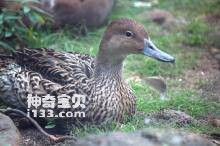
Anas wyvilliana,Hawaiian Duck,Koloa
The Hawaiian Duck (Anas wyvilliana), also known as Hawaiian Duck or Koloa, is a swimming bird of the genus Anatidae. The native Ha···
 LC
LC
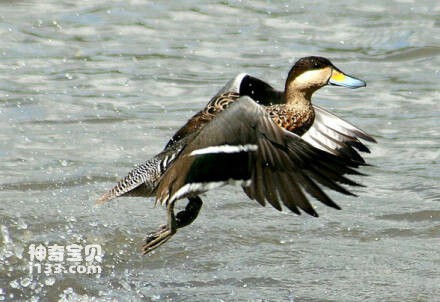
Silver Teal,Anas versicolor
The Silver duck (Anas versicolor) is known as Silver Teal and has three subspecies. Duck is a medium-sized swimming bird.The silve···
 LC
LC
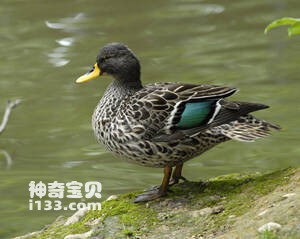
African Yellow-billed Duck,Anas undulata
The African Yellow-billed Duck (Anas undulata) has two subspecies and belongs to the family Anatidae.The African yellow-billed duc···
 LC
LC
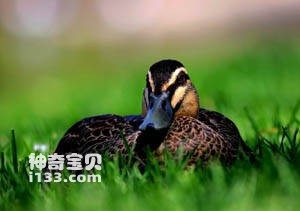
Anas superciliosa,Pacific Black Duck,Grey Duck
The Pacific Black Duck (Anas superciliosa) is a medium sized swimming bird in the family Anatidae.Pacific black ducks usually appe···
 LC
LC
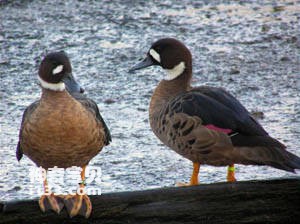
Spectacled Duck,Bronze-winged Duck,Speculanas specularis
Anas specularis: Spectacled Duck, Bronze-winged Duck, belonging to the family Anatidae.The copper-winged duck mainly floats on the···
 LC
LC
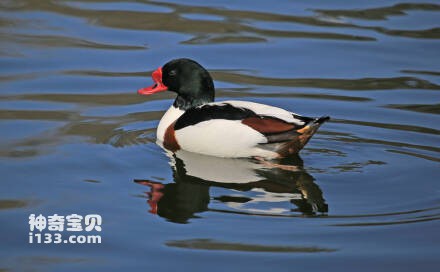
Tadorna tadorna,Common Shelduck
The Common Shelduck (Tadorna tadorna) is a large duck with no subspecies.In early March, the ducks began to leave the wintering gr···
 LC
LC
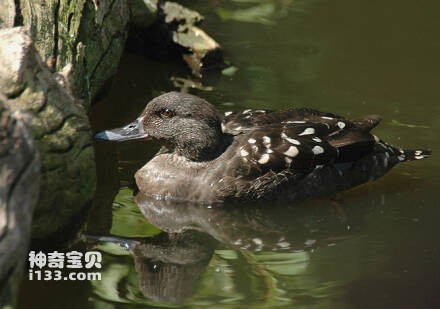
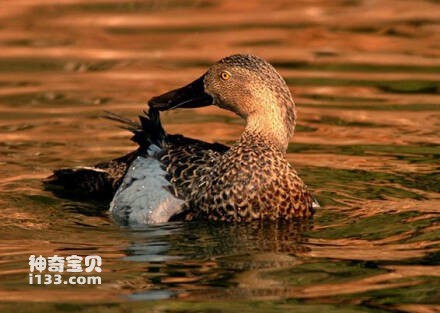
African Black Duck,Anas sparsa
The African Black Duck (Anas sparsa) is a medium-sized swimming bird in the family Anatidae.African black ducks are typically rive···
 LC
LC
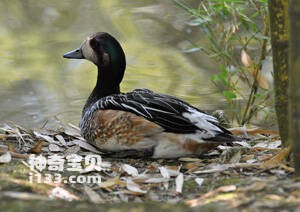
Anas smithii,Cape Shoveler
Cape Shoveler (Anas smithii) is a medium-sized swimming bird in the family Anatidae.Brown-top Spoonbill prefers to live in cluster···
 LC
LC
Chiloe Wigeon,Anas sibilatrix
Chiloe Wigeon (Anas sibilatrix) is a medium-sized swimming bird in the family Anatidae.Black and white ducks like to live in clust···
 LC
LC
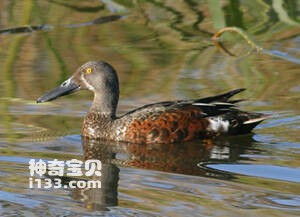
Anas rubripes,American Black Duck,Black Duck
The North American Black Duck (Anas rubripes) is a medium-sized swimming bird in the family Anatidae.North American black ducks ea···
 LC
LC
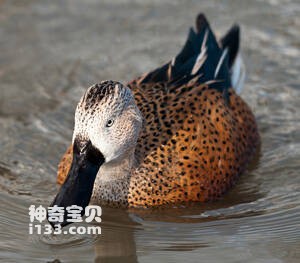
Anas rhynchotis,Spatula rhynchotis,Australasian Shoveler
The black-headed Spoonbill (Spatula rhynchotis) is a medium-sized swimming bird in the family Anatidae and the genus Spatula, with···
 LC
LC
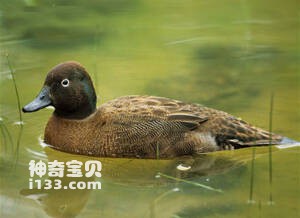
Red Shoveler,Spatula platalea
The Red Shoveler (Spatula platalea) is a medium-sized swimming bird belonging to the family Anatidae.The red Spoonbill duck has sp···
 LC
LC
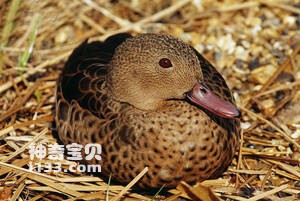
Anas nesiotis,Campbell Islands Teal
The Campbell Islands Teal (Anas nesiotis) is a medium-sized swimming bird belonging to the family Anatidae.Kan Island ducks are ti···
 LC
LC
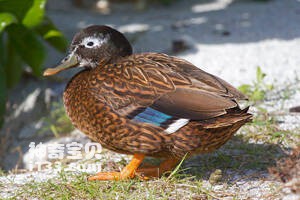
Meller’s Duck,Anas melleri
Meller's Duck: There are two species of duck in Madagascar: Anas bernieri and Anas melleri, and the common name in Chinese is ···
 LC
LC
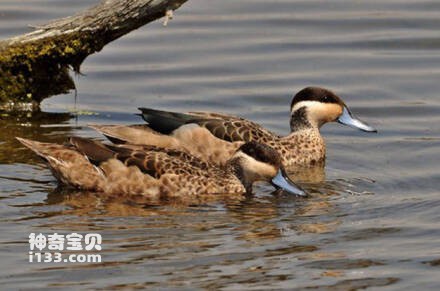
Anas laysanensis,Laysan Duck
The Laysan Duck (Anas laysanensis), formerly a subspecies of the mallard duck, was classified as a separate species in 1987.Lae du···
 LC
LC
Hottentot Teal,Anas hottentota
The South African duck (Anas hottentota), commonly known as Hottentot Teal, lives in couples or small groups and forages in the ea···
 LC
LC
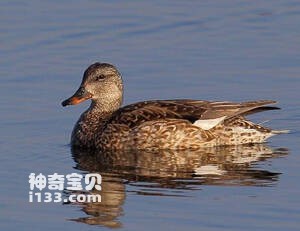
Anas gracilis,Grey Teal
The Grey duck (Anas gracilis), also known as Grey Teal, was once classified as a subspecies of the Javanese grey duck, but was rec···
 LC
LC
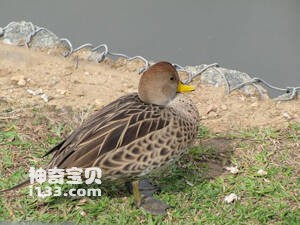
Anas gibberifrons,Sunda Teal
The Javan grey duck (Anas gibberifrons), also known as Sunda Teal, has three subspecies.The Javan grey duck prefers to live in clu···
 LC
LC
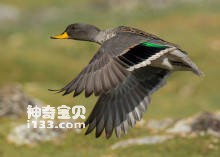
Yellow-billed Pintail,Anas georgica
The Yellow-billed Pintail (Anas georgica) has two subspecies.In winter, the yellow-billed pintail ducks prefer to live in clusters···
 LC
LC
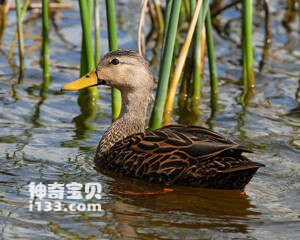
Anas fulvigula,Mottled Duck
The Mottled Duck (Anas fulvigula) is a medium-sized swimming bird in the family Anatidae.The North American spotted duck likes to ···
 LC
LC
Anas flavirostris,Speckled Teal
The clubbed duck (Anas flavirostris) is known as Speckled Teal and has four subspecies.In winter, spotted ducks prefer to live in ···
 LC
LC
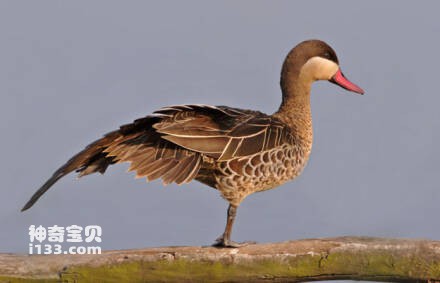
Red-billed Duck,Red-billed Teal
The red-mouted duck (Anas erythrorhyncha) is a highly social social species, with colonies reaching several thousand during the br···
 LC
LC
Anas eatoni,Eaton’s Pintail
It is also known as Anas eatoni or Eaton's Pintail, and has two subspecies.The Isle of Kay Pintail intakes freshwater lakes, s···