 LC
LC
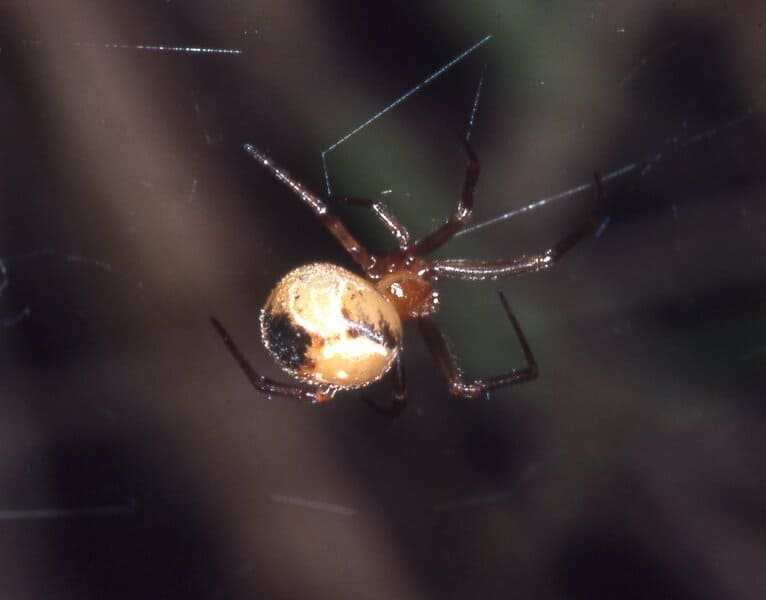
Comb‑footed platform spiders
Theridiidae (e.g., Parasteatoda, Steatoda)
Comb‑footed platform spiders refer to members of the family Theridiidae that build aplatform‑like three‑dimensional tangle fitt···
Explore the enormous diversity of animals without backbones, from mollusks and arthropods to echinoderms, worms, and other major groups.

Use these shortcuts to move into more specific animal groups.
Arthropods are a large group of animals, consisting of exoskeleton animals such as the subphylum Hexapoda (insects, etc.), the subphylum Crustacea (shrimp, crabs, etc.), the subphylum Chelicerata (spiders, scorpions, etc.), and the subphylum Myriapoda (centipedes, millipedes, etc.), which are called the Arthropoda (scientific name: Arthropoda). They include the well-known shrimps, crabs, mosquitoes, flies, butterflies, spiders, centipedes, and extinct trilobites. There are about 1.2 million existing species in the world, accounting for 80% of the total number of existing animal species. There are more than 750,000 named insects. Arthropods live in a wide range of environments, whether in seawater, freshwater, soil, or air. Some species also parasitize inside or outside other animals.
Taxonomic Placement
Arthropoda is the largest phylum in the animal kingdom, comprising approximately 1.2 million described species, which accounts for about 80% of all known animal species. Arthropods are characterized by their segmented bodies, exoskeleton made of chitin, and jointed appendages. This phylum includes diverse groups such as insects, arachnids, crustaceans, myriapods, and others.
Morphological Traits
Tracheae: Found in insects, these are a network of tubes that deliver oxygen directly to tissues.
Book Lungs and Book Gills: Present in arachnids and some crustaceans, respectively.
Gills: Common in aquatic arthropods like crustaceans for gas exchange.
Body Segmentation: Arthropods exhibit a segmented body plan, which is divided into distinct regions such as the head, thorax, and abdomen in insects. Segmentation allows for specialization of body regions, enhancing functionality and adaptability.
Exoskeleton: Arthropods possess an external skeleton (exoskeleton) made primarily of chitin, often reinforced with proteins and minerals like calcium carbonate. The exoskeleton provides structural support, protection, and aids in preventing desiccation.
Jointed Appendages: One of the defining features of arthropods is their jointed limbs, which allow for a wide range of movements and functions, including locomotion, feeding, and sensory perception.
Bilateral Symmetry: Arthropods display bilateral symmetry, meaning their body can be divided into mirror-image halves along a single plane.
Open Circulatory System: Most arthropods have an open circulatory system where hemolymph (blood equivalent) flows freely within the body cavity, bathing the organs directly.
Nervous System: Arthropods possess a well-developed nervous system, including a dorsal brain and a ventral nerve cord with paired ganglia. This system facilitates complex behaviors and sensory processing.
Respiratory Systems: Depending on their habitat, arthropods have various respiratory structures:
Reproductive Systems: Arthropods exhibit diverse reproductive strategies, including sexual reproduction with distinct males and females, hermaphroditism, and complex mating behaviors. Many undergo metamorphosis, transitioning through distinct life stages.
Life Habits
Arthropods occupy virtually every ecological niche on Earth:
Terrestrial: Insects and some arachnids thrive on land, occupying roles as pollinators, decomposers, predators, and prey.
Aquatic: Crustaceans and certain myriapods inhabit freshwater and marine environments, participating in various ecological processes.
Parasitic: Some arthropods, like certain mites and lice, are parasitic, living on or within host organisms.
Symbiotic Relationships: Arthropods engage in mutualistic, commensal, and parasitic relationships with other organisms, influencing ecosystem dynamics.
Ecological Roles
Pollinators: Insects like bees, butterflies, and certain beetles play critical roles in pollinating flowering plants, facilitating plant reproduction and biodiversity.
Decomposers: Arthropods such as beetles, termites, and various scavengers break down dead organic matter, recycling nutrients back into ecosystems.
Predators and Prey: Arthropods form integral parts of food webs, acting as both predators controlling populations of other organisms and as prey for larger animals.
Ecosystem Engineers: Species like termites and certain crustaceans modify their environments, creating habitats for other organisms and influencing soil structure and water quality.
Disease Vectors: Some arthropods, including mosquitoes, ticks, and fleas, transmit diseases to humans and other animals, impacting public health and wildlife populations.
Economic and Cultural Value
Agriculture: Arthropods are vital for pollination, pest control, and soil aeration. However, agricultural pests like locusts and aphids can cause significant crop damage.
Medical Applications: Venoms from arachnids and other arthropods are studied for their potential in developing pharmaceuticals, including painkillers and anti-cancer agents. Additionally, arthropod-derived substances like silk from spiders and proteins from bees have various applications.
Fisheries and Aquaculture: Crustaceans such as shrimp, crabs, and lobsters are economically important in global fisheries and aquaculture industries.
Textiles and Materials: Silk produced by silkworms and other arthropods is used in the textile industry, while chitin extracted from crustacean shells is utilized in biodegradable materials and biomedical applications.
Cultural Significance: Arthropods feature prominently in art, mythology, and symbolism across various cultures, representing concepts such as transformation, industriousness, and resilience.
Origins and Fossil Record
Arthropods are believed to have originated during the early Cambrian period, around 541 million years ago. Their early evolution is marked by the development of key features such as segmentation, jointed appendages, and the exoskeleton, which contributed to their evolutionary success and diversification. The Cambrian Explosion, a period of rapid evolutionary innovation, saw the emergence of various arthropod lineages. Due to their hard exoskeletons, arthropods have a relatively rich fossil record compared to other invertebrates, with fossils dating back to the Precambrian-Cambrian boundary.
Modern Diversification and Adaptations
Throughout geological time, arthropods have diversified into an extensive range of forms and adapted to nearly every habitat on Earth:
Terrestrial Adaptations: The colonization of land by arthropods involved significant adaptations, including the development of tracheal systems for respiration, strengthened exoskeletons to prevent desiccation, and reproductive strategies suited for terrestrial environments.
Aquatic Adaptations: Aquatic arthropods, such as crustaceans, have evolved gills and specialized appendages for swimming, feeding, and mating in water.
Flight in Insects: The evolution of wings in insects represents one of the most significant adaptations, allowing for aerial locomotion, escape from predators, and exploitation of new ecological niches.
Social Structures: Some arthropods, particularly certain insects like bees, ants, and termites, have developed complex social structures and division of labor, enhancing their survival and efficiency.
Venom and Defense Mechanisms: The evolution of venomous stingers, pincers, and other defense mechanisms has enabled arthropods to defend against predators and capture prey effectively.
Phylogenetic Insights
Advances in molecular phylogenetics have significantly enhanced our understanding of arthropod relationships and evolutionary history:
Clade Relationships: Arthropoda is divided into several major subphyla, including Chelicerata (spiders, scorpions), Crustacea (crabs, lobsters, shrimp), Myriapoda (centipedes, millipedes), and Hexapoda (insects and their relatives).
Monophyly of Major Groups: Molecular data supports the monophyly of major arthropod groups, clarifying relationships that were previously based solely on morphological traits.
Evolution of Key Traits: Phylogenetic studies have traced the evolution of critical arthropod features, such as the exoskeleton, segmentation, and specialized appendages, highlighting their role in arthropod success.
Arthropods are classified into several major subphyla, classes, orders, families, genera, and species based on their morphology, life cycles, and genetic characteristics. Below is a table outlining the primary subphyla, classes, orders, families, genera, and representative species within the phylum.
Chelicerates are characterized by having chelicerae (mouthparts) and lack antennae. They include spiders, scorpions, mites, and horseshoe crabs.
| Class | Order | Family | Genus | Example Species | Distribution & Notes |
|---|---|---|---|---|---|
| Arachnida | Araneae | Theridiidae | Latrodectus | Latrodectus mactans (Black Widow Spider) | Widely distributed; known for venomous bites and web-building behaviors. |
| Arachnida | Scorpiones | Buthidae | Androctonus | Androctonus australis (Fat-tailed Scorpion) | Found in arid regions; highly venomous; used in medical research for venom components. |
| Arachnida | Acari | Tetranychidae | Tetranychus | Tetranychus urticae (Two-spotted Spider Mite) | Agricultural pests; feed on plant sap; control measures are essential for crop protection. |
| Arachnida | Opiliones | Phalangidae | Phalangium | Phalangium opilio (Common Harvestman) | Non-venomous; found in various terrestrial habitats; important as predators of small invertebrates. |
| Xiphosura | Limulidae | Limulus | Limulus | Limulus polyphemus (Atlantic Horseshoe Crab) | Marine; important for biomedical research due to their blood's endotoxin detection properties. |
Crustaceans are primarily aquatic arthropods with two pairs of antennae and biramous (branched) appendages. This subphylum includes crabs, lobsters, shrimp, barnacles, and copepods.
| Class | Order | Family | Genus | Example Species | Distribution & Notes |
|---|---|---|---|---|---|
| Malacostraca | Decapoda | Portunidae | Carcinus | Carcinus maenas (Green Crab) | Widely distributed; invasive species in some regions; important in fisheries and ecosystem dynamics. |
| Malacostraca | Isopoda | Armadillidiidae | Armadillidium | Armadillidium vulgare (Pill Bug) | Terrestrial; known for rolling into a ball; important decomposers in soil ecosystems. |
| Malacostraca | Euphausiacea | Euphausidae | Euphausia | Euphausia superba (Antarctic Krill) | Found in Antarctic waters; vital food source for whales, seals, and penguins; key role in marine food webs. |
| Maxillopoda | Copepoda | Cyclopidae | Cyclops | Cyclops sp. (Cyclops Water Flea) | Aquatic; planktonic filter feeders; important indicators of water quality. |
| Maxillopoda | Cirripedia | Balanidae | Balanus | Balanus amphitrite (Acorn Barnacle) | Sessile; attach to submerged surfaces; important in fouling communities and marine ecosystems. |
| Branchiopoda | Anostraca | Daphniidae | Daphnia | Daphnia pulex (Water Flea) | Freshwater; planktonic filter feeders; important in aquatic food webs and ecological studies. |
Myriapods are characterized by having numerous body segments, each typically bearing one or two pairs of legs. This subphylum includes centipedes, millipedes, and pauropods.
| Class | Order | Family | Genus | Example Species | Distribution & Notes |
|---|---|---|---|---|---|
| Chilopoda | Scolopendridae | Scolopendra | Scolopendra | Scolopendra gigantea (Giant Centipede) | Tropical and subtropical regions; highly venomous; active predators of insects and small vertebrates. |
| Diplopoda | Julidae | Julus | Julus | Julus terrestris (Common Millipede) | Found in moist terrestrial environments; detritivores; important for decomposition and soil health. |
| Symphyla | Scolopendrellidae | Scolopendrellus | Scolopendrellus | Scolopendrellus dehaani (De Haan's Symphylan) | Soil-dwelling; feed on decaying organic matter; important in soil ecosystems. |
| Pauropoda | Pauropodidae | Pauropus | Pauropus | Pauropus siamensis (Siamese Pauropod) | Tiny, soil-dwelling myriapods; play a role in soil aeration and decomposition. |
Hexapods are primarily terrestrial arthropods with three body segments (head, thorax, abdomen) and three pairs of legs. This subphylum includes insects, springtails, and diplurans.
| Class | Order | Family | Genus | Example Species | Distribution & Notes |
|---|---|---|---|---|---|
| Insecta | Coleoptera | Coccinellidae | Coccinella | Coccinella septempunctata (Seven-spotted Lady Beetle) | Widely distributed; beneficial predators of aphids; important in agriculture and gardening. |
| Insecta | Diptera | Culicidae | Anopheles | Anopheles gambiae (African Malaria Mosquito) | Vectors of malaria; widespread in tropical and subtropical regions; significant public health concern. |
| Insecta | Lepidoptera | Nymphalidae | Danaus | Danaus plexippus (Monarch Butterfly) | Migratory; important pollinators; iconic for their long-distance migration patterns. |
| Insecta | Hymenoptera | Apidae | Apis | Apis mellifera (Western Honeybee) | Crucial for pollination; producers of honey and beeswax; keystone species in many ecosystems. |
| Insecta | Hemiptera | Cimicidae | Cimex | Cimex lectularius (Common Bed Bug) | Parasitic; feed on blood; widespread in human habitats; significant pest in urban areas. |
| Insecta | Orthoptera | Gryllidae | Gryllus | Gryllus bimaculatus (Field Cricket) | Found in various terrestrial environments; known for their chirping sounds; important in food webs. |
| Entognatha | Collembola | Entomobryidae | Entomobrya | Entomobrya nivalis (Snow Flea) | Small, soil-dwelling arthropods; important for soil health and decomposition. |
| Entognatha | Diplurans | Dipluridae | Diplura | Diplura scutellata (Shield-backed Dipluran) | Soil-dwelling; feed on decaying organic matter; important in soil ecosystems. |
Although extinct, trilobites are a significant group within Arthropoda, known from their rich fossil record.
| Class | Order | Family | Genus | Example Species | Distribution & Notes |
|---|---|---|---|---|---|
| Trilobita | Phacopida | Phacopidae | Phacops | Phacops rana (Rana Trilobite) | Lived during the Silurian and Devonian periods; known for their large compound eyes and segmented bodies. |
| Trilobita | Asaphida | Asaphidae | Asaphus | Asaphus kowalewskii (Kowalewski Trilobite) | Widespread in Paleozoic seas; characterized by their broad, flat bodies and well-developed cephalon (head). |
| Trilobita | Proetida | Proetidae | Proetus | Proetus antiquus (Ancient Proetid) | Persisted until the end of the Permian period; diverse in morphology and ecology. |
Sea spiders are marine arthropods with long legs and a small body, often found in cold and deep waters.
| Class | Order | Family | Genus | Example Species | Distribution & Notes |
|---|---|---|---|---|---|
| Pycnogonida | Pycnogonida | Achelia | Achelia | Achelia echinata (Spiny Sea Spider) | Found in various marine environments; predators and scavengers; possess unique proboscis for feeding. |
| Pycnogonida | Pycnogonida | Anoplodactylidae | Anoplodactylus | Anoplodactylus abyssicola (Abyssal Sea Spider) | Inhabit deep-sea environments; adapted to high pressure and low temperatures; specialized feeding structures. |
Includes scorpions, mites, and ticks, which possess chelicerae but are distinct from spiders.
| Class | Order | Family | Genus | Example Species | Distribution & Notes |
|---|---|---|---|---|---|
| Arachnida | Opiliones | Phalangiidae | Phalangium | Phalangium opilio (Common Harvestman) | Non-venomous; found in various terrestrial habitats; important predators of small invertebrates. |
| Arachnida | Scorpiones | Buthidae | Androctonus | Androctonus australis (Fat-tailed Scorpion) | Found in arid regions; highly venomous; important in medical research for venom components. |
| Arachnida | Acari | Tetranychidae | Tetranychus | Tetranychus urticae (Two-spotted Spider Mite) | Agricultural pests; feed on plant sap; control measures are essential for crop protection. |
| Arachnida | Pseudoscorpiones | Cheliferidae | Chelifer | Chelifer cancroides (European Pseudoscorpion) | Small, non-venomous; found in various habitats; important predators of small arthropods. |
Although extinct, trilobites are a significant group within Arthropoda, known from their rich fossil record.
| Class | Order | Family | Genus | Example Species | Distribution & Notes |
|---|---|---|---|---|---|
| Trilobita | Phacopida | Phacopidae | Phacops | Phacops rana (Rana Trilobite) | Lived during the Silurian and Devonian periods; known for their large compound eyes and segmented bodies. |
| Trilobita | Asaphida | Asaphidae | Asaphus | Asaphus kowalewskii (Kowalewski Trilobite) | Widespread in Paleozoic seas; characterized by their broad, flat bodies and well-developed cephalon (head). |
| Trilobita | Proetida | Proetidae | Proetus | Proetus antiquus (Ancient Proetid) | Persisted until the end of the Permian period; diverse in morphology and ecology. |
Sea spiders are marine arthropods with long legs and a small body, often found in cold and deep waters.
| Class | Order | Family | Genus | Example Species | Distribution & Notes |
|---|---|---|---|---|---|
| Pycnogonida | Pycnogonida | Achelia | Achelia | Achelia echinata (Spiny Sea Spider) | Found in various marine environments; predators and scavengers; possess unique proboscis for feeding. |
| Pycnogonida | Pycnogonida | Anoplodactylidae | Anoplodactylus | Anoplodactylus abyssicola (Abyssal Sea Spider) | Inhabit deep-sea environments; adapted to high pressure and low temperatures; specialized feeding structures. |
Origins and Fossil Record
Arthropods are believed to have originated during the early Cambrian period, around 541 million years ago. Their early evolution is marked by the development of key features such as segmentation, jointed appendages, and the exoskeleton, which contributed to their evolutionary success and diversification. The Cambrian Explosion, a period of rapid evolutionary innovation, saw the emergence of various arthropod lineages. Due to their hard exoskeletons, arthropods have a relatively rich fossil record compared to other invertebrates, with fossils dating back to the Precambrian-Cambrian boundary.
Modern Diversification and Adaptations
Throughout geological time, arthropods have diversified into an extensive range of forms and adapted to nearly every habitat on Earth:
Terrestrial Adaptations: The colonization of land by arthropods involved significant adaptations, including the development of tracheal systems for respiration, strengthened exoskeletons to prevent desiccation, and reproductive strategies suited for terrestrial environments.
Aquatic Adaptations: Aquatic arthropods, such as crustaceans, have evolved gills and specialized appendages for swimming, feeding, and mating in water.
Flight in Insects: The evolution of wings in insects represents one of the most significant adaptations, allowing for aerial locomotion, escape from predators, and exploitation of new ecological niches.
Social Structures: Some arthropods, particularly certain insects like bees, ants, and termites, have developed complex social structures and division of labor, enhancing their survival and efficiency.
Venom and Defense Mechanisms: The evolution of venomous stingers, pincers, and other defense mechanisms has enabled arthropods to defend against predators and capture prey effectively.
Phylogenetic Insights
Advances in molecular phylogenetics have significantly enhanced our understanding of arthropod relationships and evolutionary history:
Clade Relationships: Arthropoda is divided into several major subphyla, including Chelicerata (spiders, scorpions), Crustacea (crabs, lobsters, shrimp), Myriapoda (centipedes, millipedes), and Hexapoda (insects and their relatives).
Monophyly of Major Groups: Molecular data supports the monophyly of major arthropod groups, clarifying relationships that were previously based solely on morphological traits.
Evolution of Key Traits: Phylogenetic studies have traced the evolution of critical arthropod features, such as the exoskeleton, segmentation, and specialized appendages, highlighting their role in arthropod success.
Diversity and Global Distribution
Species Diversity: Arthropoda is the most diverse animal phylum, encompassing approximately 1.2 million described species across multiple subphyla, including Chelicerata, Crustacea, Myriapoda, Hexapoda, and others. This diversity spans a wide range of morphologies, behaviors, and ecological niches.
Global Distribution: Arthropods are found in virtually every environment on Earth, from the deepest oceans and highest mountains to deserts and freshwater habitats. Their adaptability and evolutionary innovations allow them to thrive in diverse and extreme conditions.
Morphological and Physiological Adaptations: Arthropods exhibit a vast array of adaptations that enable their survival and reproduction in diverse environments. These include specialized appendages for locomotion, feeding, and sensory perception; complex reproductive strategies; efficient respiratory and circulatory systems; and protective exoskeletons.
Ecological and Human Interactions
Ecological Roles: Arthropods play critical roles in ecosystems as pollinators, decomposers, predators, prey, and ecosystem engineers. They are essential for nutrient cycling, plant reproduction, and maintaining biodiversity.
Economic Importance: Many arthropods are economically important, serving as pollinators in agriculture, sources of food and fisheries, and producers of materials like silk and honey. Conversely, some arthropods are pests and disease vectors, causing significant agricultural losses and public health challenges.
Medical and Scientific Research: Arthropods are invaluable in scientific research due to their diverse biological features and behaviors. They serve as model organisms in genetics, neurobiology, and evolutionary studies. Additionally, their venoms and bioactive compounds are studied for potential medical applications.
Cultural Significance: Arthropods hold cultural significance in various societies, symbolizing attributes such as industriousness (bees), transformation (butterflies), and fear (spiders and scorpions). They feature prominently in art, mythology, and folklore.
Conservation Challenges
Threats to Arthropods: Arthropods face numerous threats, including habitat destruction, pollution, climate change, pesticide use, and invasive species. These threats lead to population declines, reduced genetic diversity, and disruptions in ecosystem functions.
Conservation Efforts: Protecting arthropod populations involves habitat preservation, sustainable agricultural practices, reducing pesticide use, and mitigating climate change impacts. Conservation initiatives also include research and monitoring to understand arthropod diversity and ecosystem roles better.
Sustainable Practices: Implementing sustainable practices such as integrated pest management, promoting pollinator-friendly habitats, and supporting biodiversity conservation efforts helps maintain healthy arthropod populations and ensures their continued ecological and economic contributions.
This comprehensive Arthropoda Classification Guide provides an in-depth look at the Phylum Arthropoda, detailing their morphological traits, evolutionary history, major subphyla, classes, orders, families, genera, and representative species. Arthropods, with their remarkable diversity and adaptability, play indispensable roles in ecosystems and human economies. For more detailed information on specific subphyla, classes, orders, families, genera, or species—including their morphology, distribution, and conservation status—consult specialized entomological and arthropodological references, regional biodiversity reports, and the latest molecular phylogenetic studies. We hope this guide serves as a valuable resource for your website, enhancing public understanding and appreciation of these diverse and ecologically important invertebrates.
Search the animals shown on this page or narrow them by IUCN conservation code.
LC
Theridiidae (e.g., Parasteatoda, Steatoda)
Comb‑footed platform spiders refer to members of the family Theridiidae that build aplatform‑like three‑dimensional tangle fitt···
 LC
LC
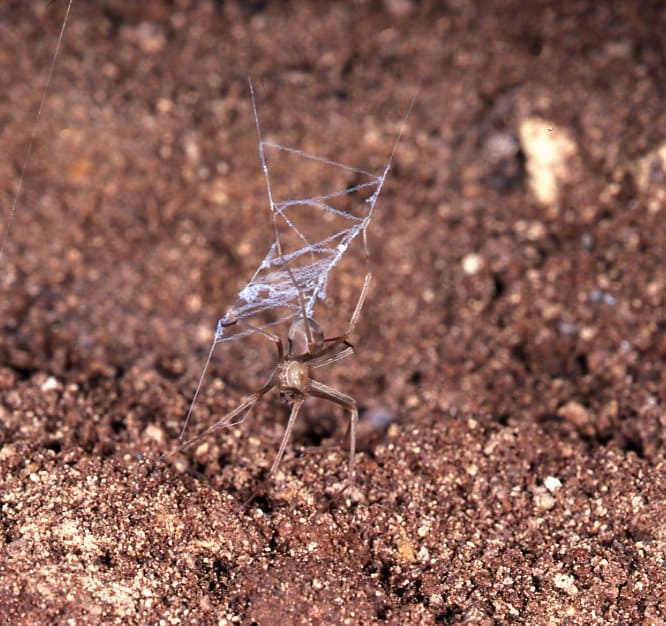
Progradungula carraiensis
The Carrai Cave Spider (Progradungula carraiensis) is a cave‑dwelling gradungulid endemic to theCarrai Plateau karst of New South···
 LC
LC
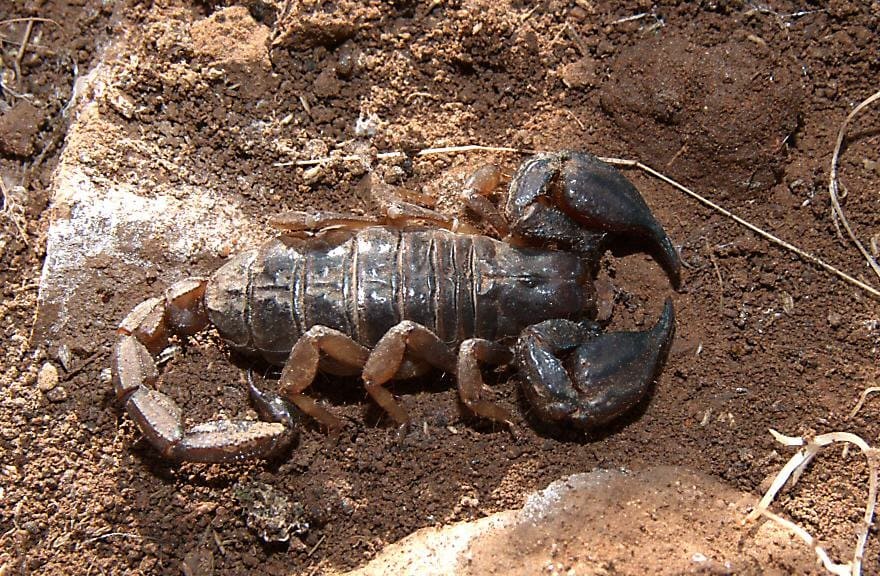
Urodacus manicatus
The Black Rock Scorpion (Urodacus manicatus) belongs to the Australian family Urodacidae.A medium‑sized, rock‑dwelling species o···
 LC
LC
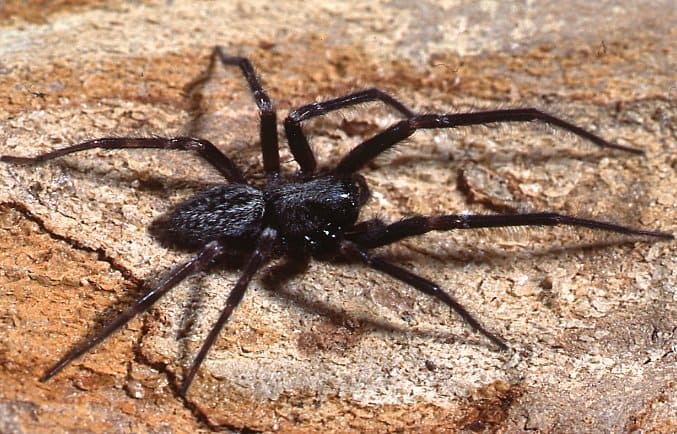
Badumna insignis
The Black House Spider (Badumna insignis) is a desid spider native to Australia, frequently foundaround eaves, window frames, door···
 LC
LC
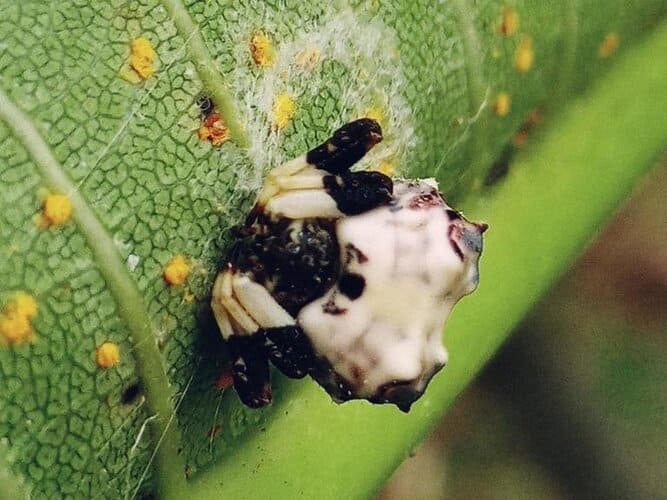
Araneidae (notably Celaenia excavata)
Bird‑dropping spiders are orbweavers that masquerade as bird droppings. The best‑known species isCelaenia excavata (family Arane···
 LC
LC
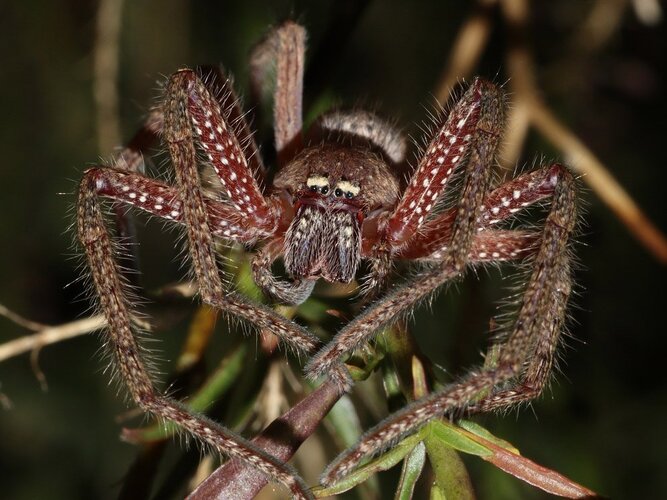
Neosparassus (family Sparassidae)
Badge huntsman spiders primarily refer to the Australian genus Neosparassus in the familySparassidae. The name “badge” comes fro···
 LC
LC
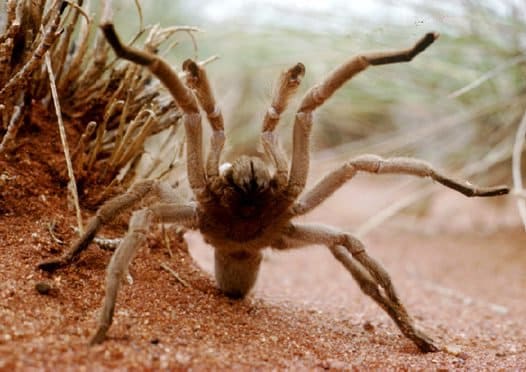
Theraphosidae (e.g., Selenocosmia, Phlogius, Selenotholus, Selenotypus)
Australian tarantulas, locally known as whistling spiders, belong to the family Theraphosidae.Representative genera include Seleno···
 LC
LC
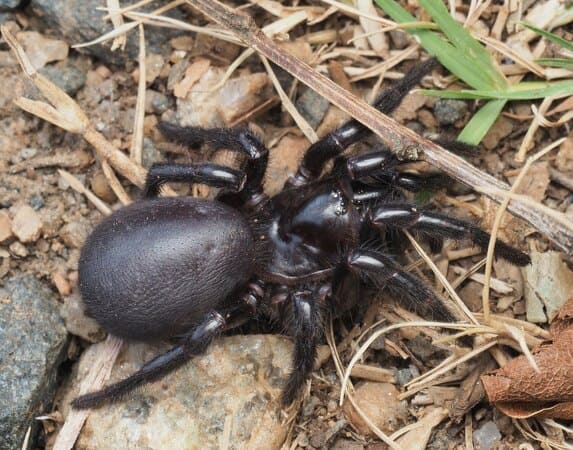
Atracidae (notably Atrax, Hadronyche, Illawarra)
Australian funnel‑web spiders chiefly refer to the family Atracidae, including the iconicSydney funnel‑web spider Atrax robustus···
 LC
LC
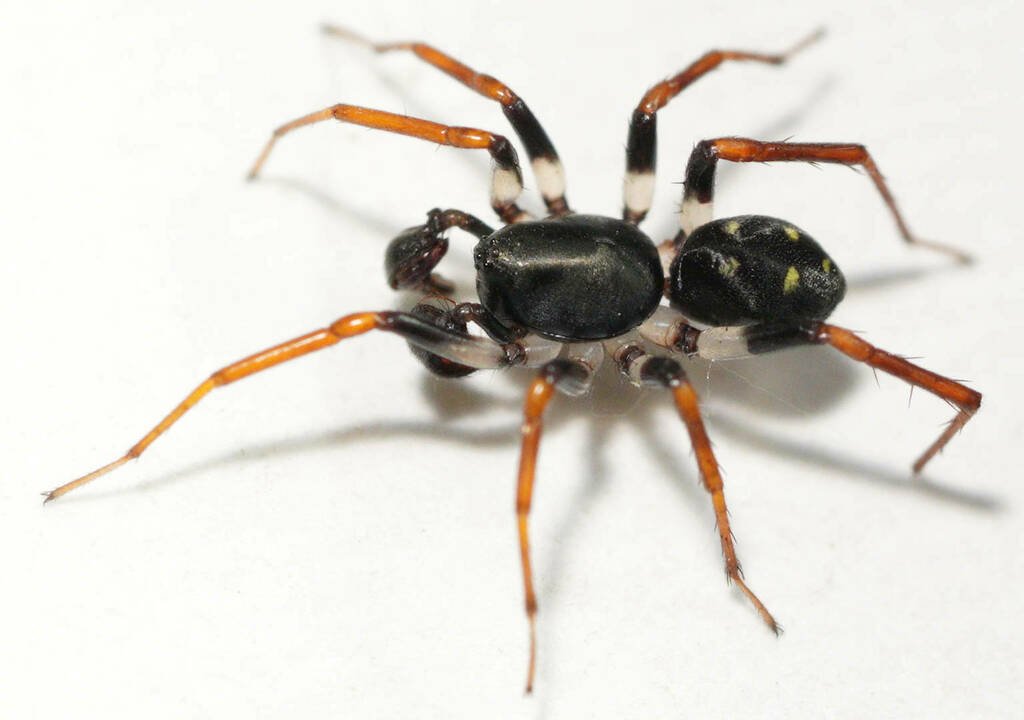
Zodariidae (e.g., Zodarion; plus some myrmecomorphic salticids)
Ant‑eating spiders commonly refers to Zodariidae and related ant‑specialists showing a strongpreference for ant prey. Some ant‑···
 LC
LC
Pollicipes pollicipes (commonly meant)
Percebes commonly refers to the goose barnacle, and in European gastronomy most often toPollicipes pollicipes. Goose barnacles are···
 LC
LC
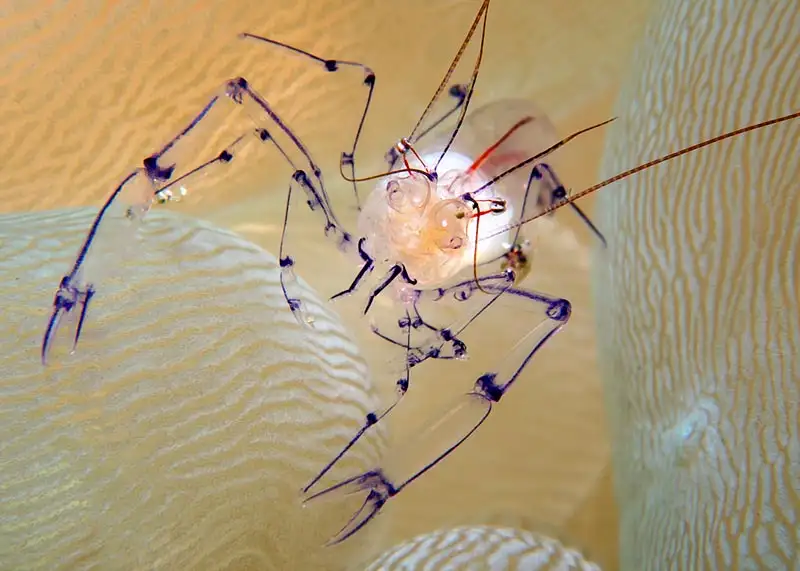
Vir philippinensis
Vir philippinensis—often called the Philippine anemone shrimp—is a commensal palaemonid shrimpassociated mainly with sea anemone···
 LC
LC
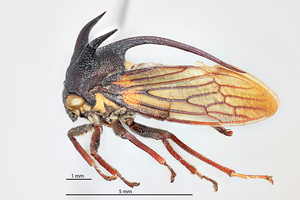
thorn bugs,Treehoppers,Tree lice, stinging lice, stinging insects
Membracidae are members of the family Membracidae, in the order Homoptera, class Insecta, and are often called "tree lice&quo···
 VU
VU
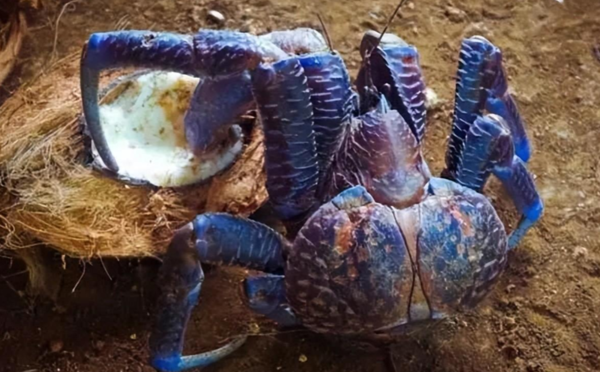
Coconut Crab,Gossip crab, robber crab
Coconut crab (scientific name: Birgus latro, foreign name Coconut Crab), also known as gossip crab and robber crab, belongs to the···
 LC
LC
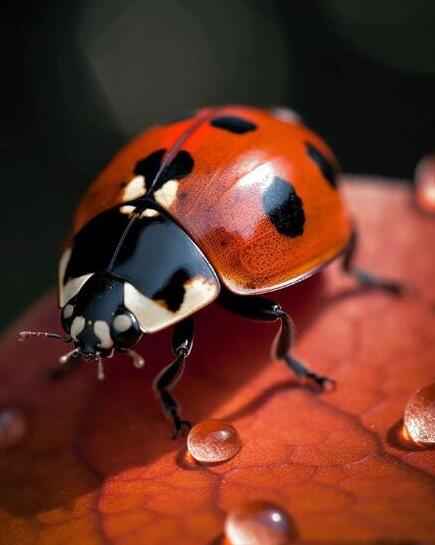
Coccinella septempunctata,ladybirds,ladybug,Fatty, matchmaker, sister Hua, Tiandao worm, golden turtle, pearl turtle, Dr. Mai, stinky turtle
Ladybugs (scientific name: Coccinellidae, binomial name: Coccinella septempunctata), the "lady" in the English name lady···
 LC
LC
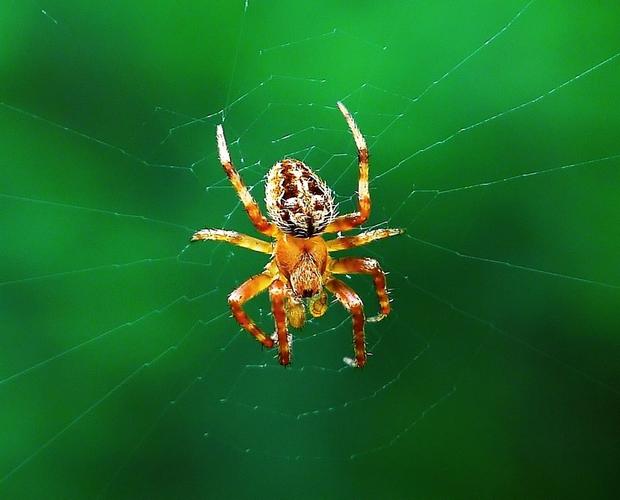
Webworms, flat spiders, garden spiders, octopuses, crickets, silkworms
Spiders (scientific name Araneida; Araneae, foreign name Spider) are also known as webworms, flat spiders, garden spiders, eight-l···
 LC
LC
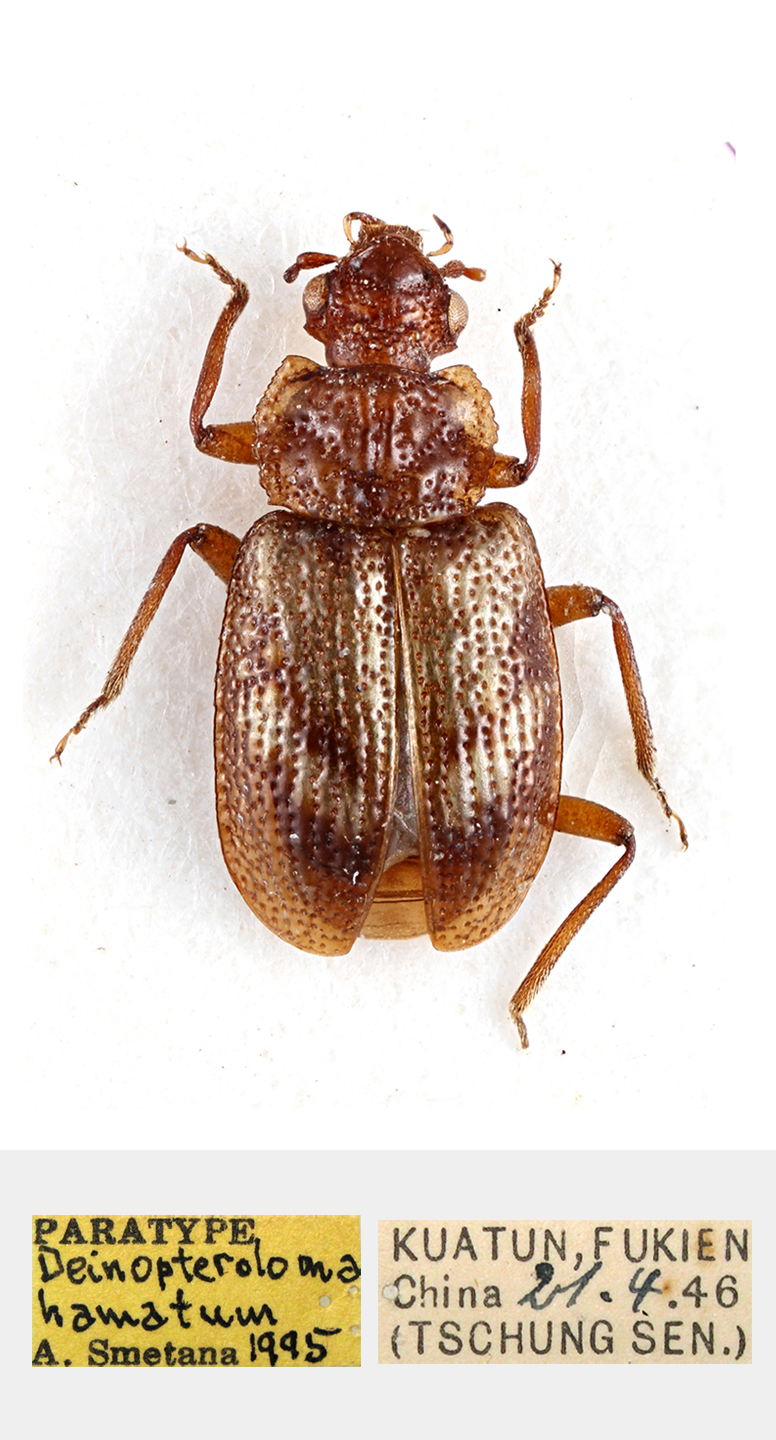
Paederus fuscipes is a small insect of the family Staphylinidae, widely distributed in tropical and subtropical regions. They are ···
 LC
LC
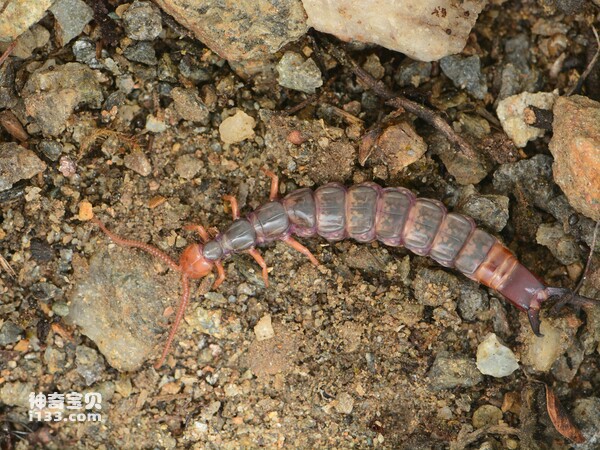
pa
Atlas japyx atlas (scientific name: Atlas japyx atlas) is an arthropod found in Xiangcheng County, Sichuan Province, the People's ···
 LC
LC
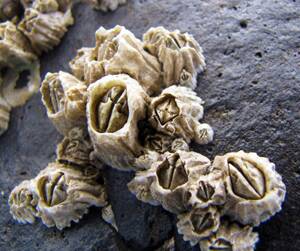
Balanus,Touch, horse teeth, oyster soup
There are more than 500 species of barnacles (scientific name: Balanus), and about 110 species are found in my country. Barnacles ···
 LC
LC
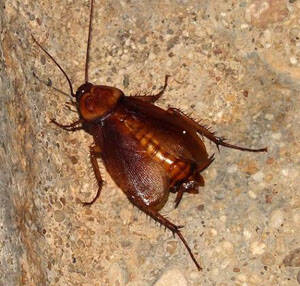
Blatta orientalis,Oriental cockroach, Blatta orientalis
The Oriental cockroach (scientific name: Blatta orientalis) is the largest cockroach in the world.Oriental cockroaches are extreme···
 LC
LC
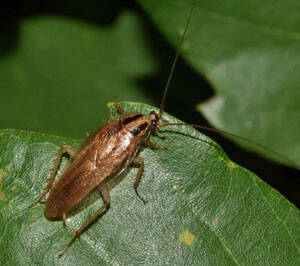
Blattella germanica,German cockroach, German cockroach, Blattella germanica
German cockroach (Blattella germanica) is the most widely distributed and most difficult to control type of household pests in the···
 LC
LC
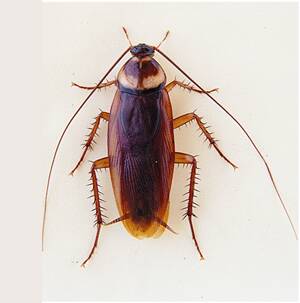
Periplaneta americana,Red cockroach, ship cockroach, cockroach
The American cockroach is scientifically named Periplaneta americana, and is the largest insect in the Blattidae family.The Americ···
 LC
LC
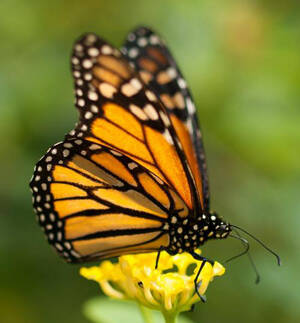
Danaus plexippus,Great Birch Butterfly, Monarch Butterfly, Monarch Butterfly, Black-veined Birch Butterfly, Monarch Butterfly
The Monarch Butterfly (scientific name: Danaus plexippus) is a large butterfly that is very common in North America. In Australia,···
 LC
LC
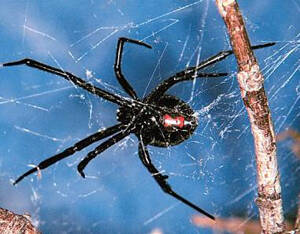
Latrodectus,black widow,Spider
The scientific name of the black widow spider is Latrodectus, and its foreign name is black widow. Because the female of this spid···
 LC
LC
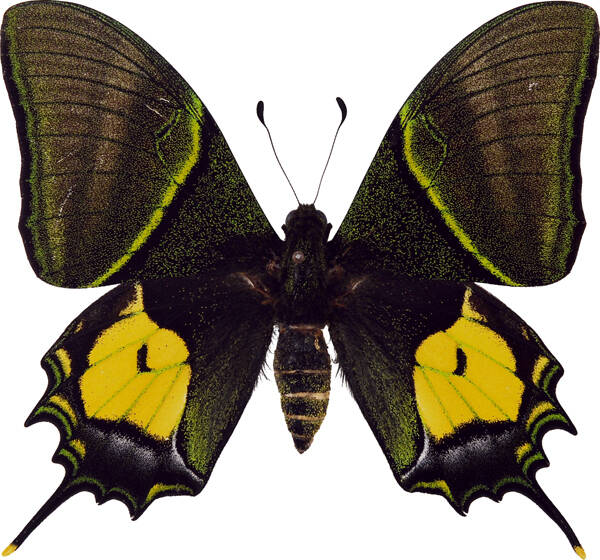
Teinopalpus aureus
As a unique treasure of China, the Golden Swallowtail is known as the "national butterfly" and the "pride of butter···