The Australian Copperhead (Austrelaps superbus), often simply called the Copperhead Snake in its native range, is a medium-sized, highly venomous elapid adapted to the cool, temperate climates of south-eastern Australia. Unlike many other Australian snakes that thrive in hot, arid regions, this species is well known for remaining active in relatively low temperatures and is frequently associated with wetlands, streams and marshy grasslands.
Taxonomy and naming
The Copperhead Snake belongs to Class Reptilia, Order Squamata, Suborder Serpentes, Family Elapidae and Genus Austrelaps. Several closely related copperhead species are recognised within this genus, all restricted to south-eastern Australia and Tasmania. Austrelaps superbus is often referred to as the “Lowland Copperhead” or “Common Copperhead” and is the best-known representative of the group. The English name “copperhead” refers to the coppery, reddish-brown or bronze tones often seen on the head and neck, contrasting with the darker body.
Physical characteristics
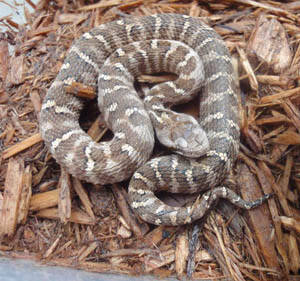
This species has a moderately robust, medium-length body with a head that is slightly broader than the neck. The head is wedge-shaped rather than strongly triangular, and the eyes are of moderate size with round pupils. Dorsal colour is variable but typically includes dark grey, slate-grey, olive-brown or deep brown tones, while the head and neck frequently show a distinct coppery or reddish-brown sheen. Some individuals display faint crossbands or subtle variation in shade along the body. The belly is usually cream, greyish or light brown, sometimes with darker shading along the sides. The scales have a moderate sheen, and the overall impression is of a dark, sober-coloured snake with a contrasting “copper” head that blends well into wet grassland and leaf litter.
Distribution and habitat
The Copperhead Snake is native to temperate and cool-temperate areas of south-eastern Australia, including parts of southern New South Wales, most of Victoria, the far south-eastern corner of South Australia and Tasmania. It is closely associated with water and is commonly found near creeks, rivers, lakes, farm dams, marshes and other wetlands. Typical habitats include damp grasslands, sedge and rush beds, shrublands and open forests near water, as well as pastures, drainage channels and farm edges where ground cover and moisture are suitable. Copperheads make use of fallen timber, rock piles, burrows and man-made structures as shelter.
Behaviour and lifestyle
Australian Copperheads are primarily diurnal but may shift their activity towards early morning and late afternoon during hot weather. They are well adapted to cooler conditions and may remain active on mild days in spring, autumn and even winter when many other snakes are inactive. The species is generally shy and tends to avoid confrontation, usually attempting to retreat if given the opportunity. When cornered, harassed or accidentally stepped on, however, it can coil, flatten the neck, hiss and deliver a rapid defensive strike. Although not as explosively fast as taipans, copperheads are still capable of striking quickly and their venom is medically significant.
Diet
The Copperhead Snake is a carnivorous predator with a strong preference for amphibians. Frogs and tadpoles form a major part of its diet, especially in wetland and stream-side habitats. It also consumes small fish, lizards, smaller snakes, small mammals and occasionally birds and invertebrates. In watery environments, copperheads may enter shallow water or hunt along the margins, ambushing frogs and other prey as they move between land and water. On land, they forage slowly through grass and low vegetation, pausing to strike at suitable prey and subduing it with potent venom before swallowing it whole.
Reproduction and life cycle
The Australian Copperhead is viviparous in the broad sense and gives birth to live young rather than laying shelled eggs in a nest. Breeding generally takes place from spring into early summer, with males ranging more widely in search of receptive females and sometimes engaging in ritualised combat. Females retain the developing embryos for several months and give birth to litters that typically contain around 7–20 young, depending on body size and condition. Newborn copperheads resemble miniature adults in pattern and colour and are born with functional venom glands, allowing them to begin feeding on small frogs and lizards soon after birth. Wild lifespan is not well documented but is thought to exceed 10 years, and captive individuals may live longer under good care.
Relationship with humans
Because of its preference for wetlands, streams, farm dams and moist pasture edges, the Copperhead Snake often occurs close to farms and rural houses, where people, livestock and working dogs may also be present. It plays an important ecological role as a predator of frogs and small mammals but, like other venomous snakes, poses a potential hazard if encountered at close range. Copperheads are not usually aggressive and most bites occur when the snake is accidentally stepped on, handled or deliberately harassed. Envenoming can produce local pain and swelling, systemic symptoms such as nausea, sweating and muscle pain, and in some cases coagulation or muscle damage, requiring hospital observation and, when indicated, antivenom. Practical safety measures include wearing sturdy footwear and long trousers in snake habitat, avoiding barefoot walks through damp grass, and never attempting to catch or kill snakes.
Conservation status and threats
According to current assessments, Australian copperheads, including Austrelaps superbus, are generally listed as Least Concern on the IUCN Red List, with populations considered stable across much of their range. Their distribution is relatively broad, and they can tolerate a certain level of habitat modification, including pasture and lightly used farmland. Nevertheless, local populations may be impacted by wetland drainage, habitat fragmentation, road mortality, pollution, persecution driven by fear of snakes and changes in prey availability. Long-term conservation of this species depends on protecting key wetlands and riparian habitats, maintaining natural vegetation along waterways, reducing chemical pollution and improving public awareness of the ecological value of copperheads and safe ways to live alongside venomous snakes.