Pit vipers are a major and widely known lineage within the viper family (Viperidae), commonly treated as the subfamily Crotalinae. They are famous for their facial “pits”—heat‑sensing organs between the eye and nostril that detect infrared radiation and allow accurate targeting of warm‑blooded prey in low light. Many pit vipers also have long, hinged fangs and potent venom, and they often hunt by ambush. Ecologically, they are important predators of rodents and other small vertebrates, influencing food webs and, in some landscapes, helping to limit agricultural pest populations.
Importantly, “pit vipers” are not a single species but a group containing many genera and hundreds of species, including Asian arboreal species (such as many Trimeresurus lineages), New World lanceheads (Bothrops), and rattlesnakes (Crotalus). Because of this diversity, size, behaviour, venom effects and conservation status vary widely: some species are widespread and stable, while others are threatened by habitat loss, illegal collection and persecution. For people, pit vipers are both fascinating components of biodiversity and a serious safety concern where humans and snakes overlap.
Taxonomy and naming
Pit vipers are usually placed in the viper family Viperidae as the subfamily Crotalinae. The term “pit” refers to the paired facial pits. The group includes many genera, for example Asian green pit vipers in and around Trimeresurus, American lanceheads such as Bothrops, and rattlesnakes in the genus Crotalus (and close relatives).
Physical features
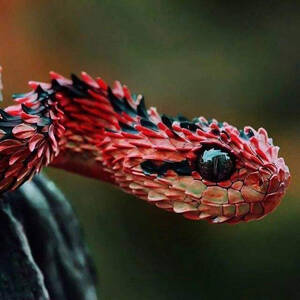
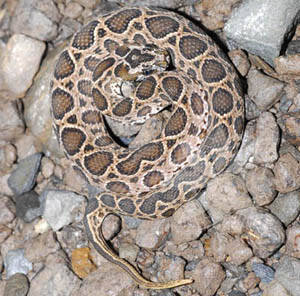
The hallmark feature is the facial heat‑sensing pit on each side of the head. Heads are often broad with a distinct neck, and many species have vertical pupils. Most have long, tubular fangs that fold back when not in use and swing forward during a strike to deliver venom. Colour patterns are highly variable and frequently match the habitat for camouflage. In rattlesnakes, the tail ends in a rattle used for warning displays.
Range and habitat
Pit vipers occur across large parts of Asia and the Americas. They occupy an exceptionally wide range of habitats, from tropical rainforest and cloud forest to temperate woodland, scrub, rocky hillsides and deserts. Some species are arboreal and rely on dense vegetation and canopy structure; others are mainly terrestrial or rocky‑dwelling and use leaf litter, burrows and crevices for shelter. In many places they track prey availability and microclimates, using shaded refuges in heat and basking sites in cooler periods.
Behaviour and ecology
Many pit vipers are ambush predators that sit motionless along prey routes, striking rapidly when an animal comes within range. The heat‑sensing pits help with precise targeting, especially at night. Activity patterns differ among species and climates, but dusk and night activity is common in warmer regions. When threatened, pit vipers may remain still, retreat slowly, or adopt defensive postures; rattlesnakes may add audible warning by vibrating the rattle to avoid conflict.
Diet
Diet typically includes small mammals (especially rodents), lizards, frogs and birds, with variation by species and age. Juveniles often take smaller prey such as lizards and frogs before shifting toward mammals as they grow. As mid‑to‑upper trophic predators, pit vipers influence prey populations and contribute to ecosystem balance.
Reproduction and life history
Reproductive mode varies: some species are egg‑laying, while many are live‑bearing (often described as ovoviviparous or viviparous depending on the lineage). Breeding is usually seasonal, linked to temperature and rainfall cycles. Newborn snakes are typically independent immediately, but early survival can be low due to predators and environmental hazards.
Relationship with people
Pit viper venoms can cause serious injury and are responsible for many medically significant snakebites worldwide. Human–snake encounters increase where agriculture, settlements and roads overlap with natural habitat. Risk reduction includes wearing sturdy footwear, using light at night, avoiding reaching into hidden spaces, and giving snakes space to move away. If a bite is suspected, urgent medical care is essential and local clinical guidance should be followed. At the same time, pit vipers can provide ecosystem services by preying on rodents.
Conservation status and threats
Because pit vipers include many species, there is no single conservation status. Threats commonly include habitat loss and fragmentation, persecution and road mortality, illegal pet and trade collection, and climate‑driven extremes that alter habitats and prey availability. Effective conservation focuses on protecting key habitats, reducing illegal trade, and managing conflict through education and safe coexistence practices.