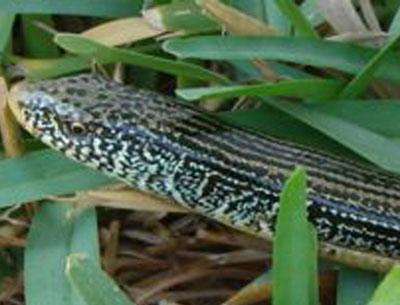
Ctenotus is one of the most species-rich and characteristic genera of skinks in Australia. These small to medium-sized lizards belong to the family Scincidae and are especially diverse in the arid and semi-arid regions of the continent. With more than one hundred described species, Ctenotus skinks occupy a wide range of habitats from deserts and red-soil plains to shrublands, savanna and open woodland. They are fast-moving, ground-dwelling insectivores that play an important role in controlling invertebrate populations and forming a key link in the Australian terrestrial food web.
Taxonomy and naming
The genus Ctenotus is placed in Class Reptilia, Order Squamata, Family Scincidae. It is one of the largest lizard genera in Australia in terms of species numbers. Many species are superficially similar, differing mainly in subtle scalation details, body proportions and distribution. The name “Ctenotus” is derived from Greek roots referring to “comb-like” structures, a reference to the fine, comb-like pattern created by the aligned scales, stripes and rows along the flanks and body of many species. In English they are often referred to collectively as “Ctenotus skinks” or simply “ctenotus lizards”.
Physical characteristics
Ctenotus skinks typically have slender, elongated bodies with well-developed limbs and long tails, giving them a classic “skink” appearance. The head is slightly triangular but not strongly broadened, and the eyes are of moderate size; many species have obvious ear openings. The scales are small, smooth and shiny, and in many species they form neat rows that produce fine longitudinal striping or delicate cross-bands. Colouration is extremely variable across the genus, ranging from sandy yellow, tan and brown to grey or nearly black, usually with combinations of stripes, spots and side stripes that help break up the body outline. The underside is usually paler—white, cream or light grey. Body size also varies among species: small species may have snout–vent lengths of only a few centimetres, whereas larger species can exceed 10 cm, with tails that are as long as or longer than the body.
Distribution and habitat
Ctenotus is almost entirely restricted to Australia and is one of the hallmark lizard groups of the continent’s dry interior. Most species are associated with arid and semi-arid environments, including sandy deserts, red-earth plains, open shrublands, spinifex grasslands and rocky slopes, although a few species occur in coastal dunes and open forests. They live close to the ground, using the bases of grass tussocks, leaf litter, small burrows, rock crevices and fallen branches as shelter. Many species show preferences for particular soil and substrate types—some are most abundant on loose sandy soils, while others favour firm red earth or stony ground. Their cryptic colours and rapid movements make them difficult to detect, but they are often among the most numerous small vertebrates in suitable habitats.
Behaviour and lifestyle
Most Ctenotus species are diurnal. On warm, sunny days they emerge from shelters to bask and then move quickly across the ground in search of prey. They are very wary and agile: at the slightest sign of danger they dart back into cover under vegetation, into cracks or down burrows. Many species show a characteristic “run-and-stop” foraging style, making short, rapid dashes followed by brief pauses to scan their surroundings. During very hot periods they may shift more of their activity to the cooler parts of the day—early morning and late afternoon—and retreat underground or into deep shade at midday.
Diet
Ctenotus skinks are primarily insectivorous, feeding mainly on ants, beetles and their larvae, grasshoppers, crickets, spiders and other small arthropods. Some species will also take other small invertebrates and occasionally include plant material such as fallen seeds, flowers or soft plant tissues in their diet, but animal prey dominates. They rely heavily on vision to detect movement, then rush forward to seize prey and swallow it whole. Frequent small meals throughout the day help support their high activity levels in often harsh, resource-limited environments.
Reproduction and life cycle
Reproductive modes vary among Ctenotus species. Many are egg-laying (oviparous), with females depositing clutches of several to a dozen or more eggs in shallow burrows or cavities in loose soil or sand during the warmer months. The eggs incubate in the substrate, with temperature and moisture influencing development time. Hatchlings emerge as miniature versions of the adults and are immediately independent, feeding on tiny insects. In some species, evidence suggests more complex reproductive strategies, including viviparity or ovoviviparity, but details can differ widely between species. Growth is relatively rapid, and many Ctenotus skinks reach sexual maturity within one to two years. Lifespan in the wild is influenced by predation and environmental conditions, but individuals that avoid predators may live for several years.
Relationship with humans
For humans, Ctenotus skinks are harmless. They are non-venomous and pose no medical risk. Most encounters with people consist of brief glimpses of small lizards dashing across tracks or between grass tussocks. Ecologically, they are highly beneficial as predators of insects and other invertebrates, helping to regulate populations that might otherwise become pests in natural and pastoral systems. Although a few species occasionally appear in the reptile hobby in regions where this is legal, their small size, speed and specific environmental needs mean they are more suited to experienced keepers, and wild collection is strictly regulated in Australia. Conservation-minded keeping should always prioritise captive-bred animals over wild-caught individuals.
Conservation status and threats
Because the genus contains so many species, conservation status varies: some widespread species are assessed as Least Concern, while others with restricted ranges or specialised habitat requirements may be considered threatened or near threatened. Overall, Ctenotus skinks are affected by many of the same pressures facing other small terrestrial reptiles in Australia, including habitat loss and degradation from land clearing, overgrazing, altered fire regimes, invasion of exotic plants and predation by feral cats and foxes. Maintaining representative areas of desert, shrubland and grassland habitat, managing fires carefully, controlling invasive predators and recognising the ecological importance of these small lizards are all important for the long-term persistence of Ctenotus species across the Australian landscape.