Sheep are often seen as quiet, simple farm animals—but they’re much more complex than they look.
They can recognize faces, have nearly panoramic vision, form strong emotional bonds, and even solve simple problems.
Below you’ll find 10 surprising facts about sheep, written in a way that’s easy to read and helpful for anyone curious about their behavior, senses, and role in nature.
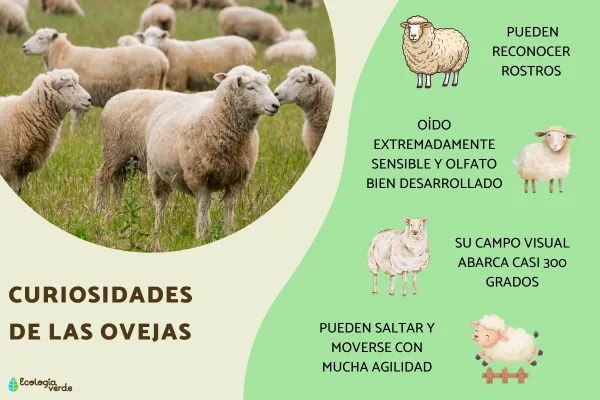
1. Sheep Can Recognize Faces and Remember Them for Years
One of the most striking abilities of sheep is their facial recognition:
They can distinguish between different sheep in their flock.
They also recognize human faces, especially people who feed them or work with them regularly.
Experiments have shown that sheep can remember a human face for up to two years after last seeing it.
This long-term visual memory helps them:
Tell familiar individuals from strangers
Maintain social structure within the flock
Feel safer around people they know
So no, they don’t “all look the same” to each other—sheep live in a world full of recognizable individuals.
2. They Have Extremely Sensitive Hearing and a Strong Sense of Smell
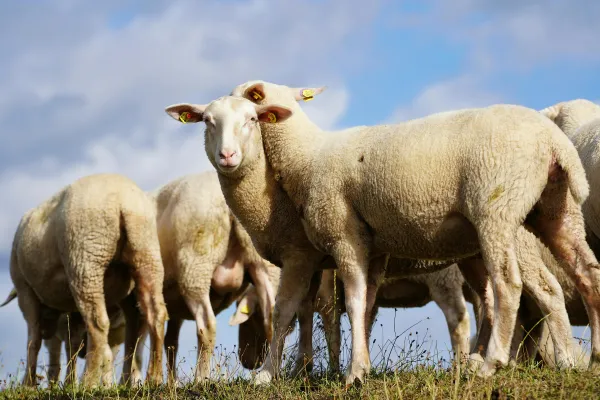
Sheep have an excellent sense of hearing:
Each ear can move independently, allowing them to “scan” for sounds from different directions.
They can detect distant noises and react quickly to potential danger, even while grazing.
Their hearing helps them:
Stay alert for predators
React quickly as a group
Communicate with one another using bleats and subtle sounds
They also have a well-developed sense of smell:
Sheep possess scent glands in front of their eyes and between their legs.
The exact role of these glands isn’t fully understood, but those on the face may play a part in social and courtship behavior, helping them recognize individuals and reproductive status.
3. Sheep Have Nearly 300-Degree Panoramic Vision
Because their eyes are positioned on the sides of the head, sheep enjoy a very wide field of view:
Their visual field ranges from about 270° to 320°, depending on the breed.
This means they can see most of what’s happening around them without turning their head.
This is a powerful anti-predator adaptation:
They can keep eating while still watching for danger.
Predators approaching from the side or behind are easier to detect.
However, their vision isn’t perfect:
Sheep have poor depth perception, especially for objects close to them.
Shadows, puddles, or changes in ground level can make them hesitate or step back.
They often prefer well-lit areas and are reluctant to enter dark spaces.
Their eyes usually have:
Very low hypermetropia (farsightedness)
Slight astigmatism
Together, this allows them to form a reasonably clear image of objects at medium to long distances, which is perfect for spotting predators in open landscapes.
In some long-wooled breeds, if the wool covers the face and isn’t trimmed, their peripheral vision can be greatly reduced.
4. Flocks Follow Clear Patterns and Have Subtle Roles
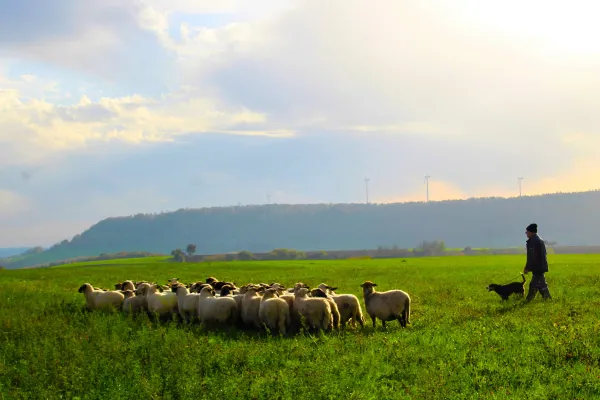
A flock of sheep doesn’t move randomly. Within the group:
Certain sheep act as natural leaders.
These individuals are usually the first to move toward new grazing areas or away from perceived threats.
The rest of the flock instinctively follows them.
This loose hierarchy helps:
Keep the flock organized while grazing
Coordinate movement over long distances
Ensure a fast, unified response to danger
The mature male (ram) also plays an important role, especially during breeding season:
His presence can change the behavior of the ewes and younger animals.
He influences flock dynamics, interactions, and sometimes movement.
Even though the hierarchy may not be as obvious as in wolves or primates, sheep do show structured social organization.
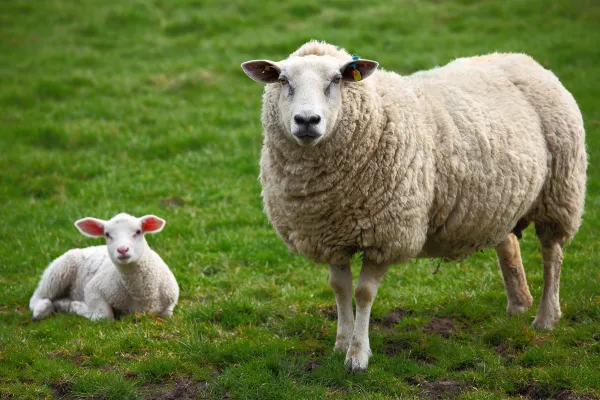
5. Sheep Have Lived Beside Humans for Over 10,000 Years
Sheep are among the earliest domesticated animals:
Domestication began more than 10,000 years ago.
The domestic sheep likely originated from wild species in Europe and colder regions of Asia, related to prehistoric antelope-like animals.
Over thousands of years, humans selectively bred sheep for:
Different types of wool (fine, coarse, long, short)
Meat and milk production
Temperament and adaptability to different climates and landscapes
Because of this long relationship, sheep have been crucial for:
The development of agriculture
Textile production (wool)
The economic and cultural life of many rural communities around the world
6. They Can Jump and Move With Surprising Agility
Sheep are often seen as slow or clumsy, but many of them are much more agile than they look:
They can jump over ditches, rocks, and fences of moderate height.
They move confidently across steep hillsides and rocky terrain.
This agility is especially important for:
Escaping predators
Moving between grazing areas in mountainous or uneven landscapes
Navigating natural obstacles in their habitat
So while they might seem calm and gentle, sheep are capable of quick, athletic movements when they need to.
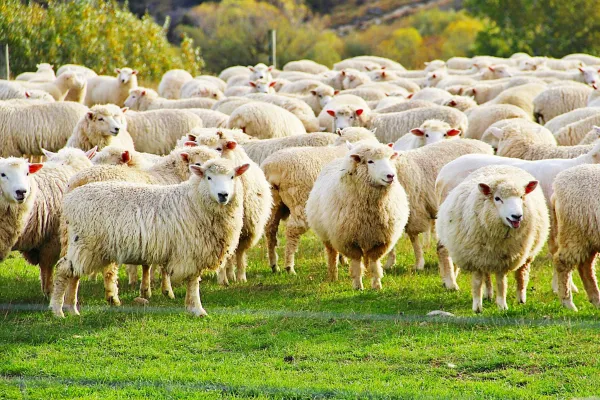
7. Their Bleats Have Different Meanings
A sheep’s bleat is more than just a random “baa”:
Changes in tone, volume and rhythm can carry different messages.
They bleat to:
Call their lambs
Signal hunger or discomfort
Express stress or alarm
Maintain contact with the flock
Each ewe develops a unique call for her lamb, and:
The lamb can recognize its mother’s voice
Even in a crowded flock with many other ewes and lambs
This vocal recognition is essential for keeping family units together and reducing confusion when the group is large.
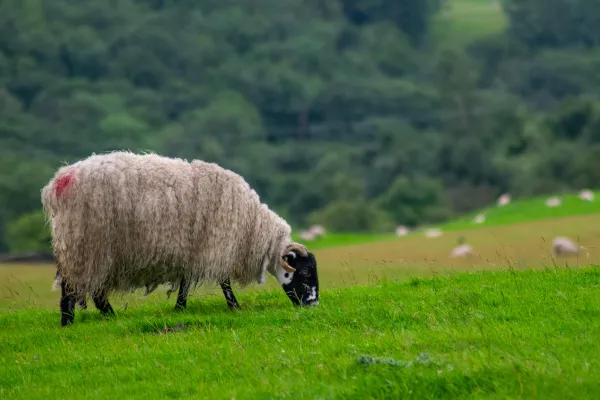
8. Sheep Form Emotional Bonds and Get Stressed When Alone
Sheep don’t stay in flocks only for physical protection. They are also social and emotional animals:
They recognize familiar companions and often prefer to stay close to certain individuals.
They build long-lasting social bonds within the flock.
When separated from their group, many sheep show signs of anxiety and stress.
This behavior tells us that sheep:
Are sensitive to isolation and change
Value social contact and safety in numbers
Have a level of emotional complexity that is often underestimated
For this reason, keeping a single sheep alone is generally not recommended in a welfare-friendly context.
9. They Play a Fundamental Role in Ecosystems
Beyond farming and wool production, sheep also have an ecological role:
Their grazing helps control low vegetation, preventing some areas from becoming overgrown.
By reducing dry plant material, they can help lower the risk of wildfires in certain landscapes.
As they move and feed, they spread seeds, aiding plant dispersal.
Their droppings add organic matter and nutrients to the soil, improving soil health and promoting plant growth.
Of course, this role depends on:
Grazing intensity
Proper land management
In well-managed systems, sheep can contribute positively to healthy grasslands and open habitats.
10. Sheep Can Learn, Remember Routes and Solve Simple Problems
Despite their reputation for being “not very smart”, sheep are actually capable of learning and problem-solving:
They can learn from experience, such as:
Remembering where water sources and good grazing areas are
Avoiding places where they previously felt threatened
They have been observed:
Solving simple mazes or obstacle tasks
Remembering the correct route for weeks afterward
Their spatial memory helps them:
Navigate large pastures
Find shelter, food and water
Return to familiar safe areas
Their ability to adapt behavior when something doesn’t work – and to remember solutions – shows that sheep are far from “mindless followers”. Their intelligence is closely tied to their social lifestyle and survival needs.
If you’re interested in animal behavior, senses and intelligence, sheep are a perfect example of how a “common” farm animal can be much more complex and fascinating than it first appears.