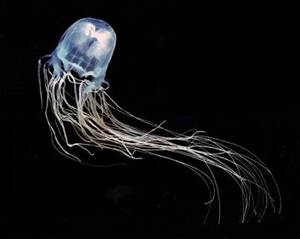
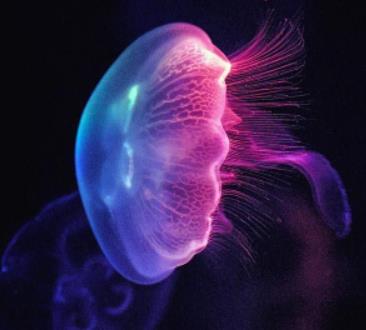
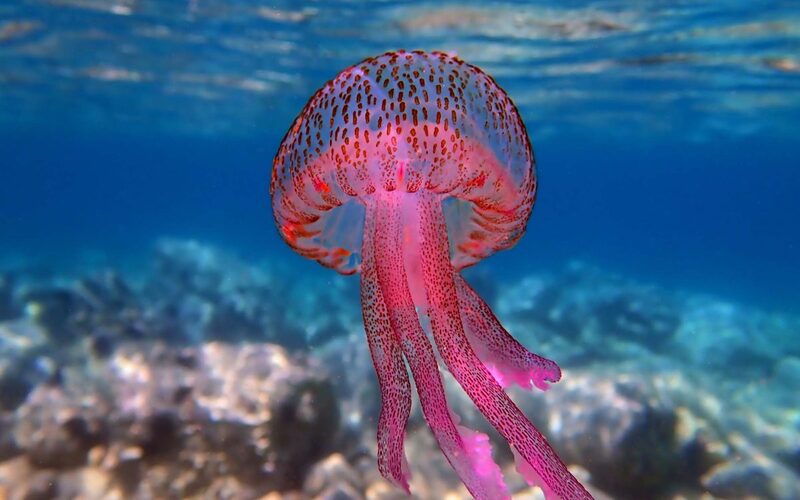
The Jewel Anemone, commonly referred to as Corynactis viridis, is a small sea anemone famous for its bright colours and translucent, jewel-like tentacles. Rather than living as isolated individuals, it often forms dense colonies that cover rock faces, cave entrances and crevice edges, creating the impression of a sparkling jewel carpet. Under natural sunlight or dive lights, the tentacles can show strong iridescence and sometimes a fluorescent glow, making it a favourite subject for divers and marine naturalists.
Despite its coral-like look, the jewel anemone is an anemone (order Actiniaria) and does not build a hard calcium carbonate skeleton like reef-forming corals. It feeds as a predator, using nematocysts on its tentacles to capture zooplankton and tiny drifting invertebrates, then transferring prey to the mouth for digestion. Colonies can also expand efficiently through asexual reproduction, allowing them to spread across suitable hard-bottom habitat when conditions are stable and food is available.
Taxonomy and naming
Jewel anemones are cnidarians in the class Anthozoa and the order Actiniaria. A widely cited species is Corynactis viridis, commonly called the Jewel Anemone. In some areas, similar-looking Corynactis species occur, so species-level identification can depend on regional context and detailed morphology.
Physical features
Individuals are small, typically with an oral disc around 1–3 cm across. The disc is surrounded by multiple rings of short tentacles that are often translucent and vividly coloured. Tentacle tips may appear slightly swollen or bead-like. Dense colonies can blanket rock surfaces in bright patches of mixed colour.
Range and habitat
It is well known from rocky reefs of the northeast Atlantic and the Mediterranean, usually in the shallow subtidal. Colonies prefer shaded rock walls, cave margins and crevices on firm substrate. Water movement that brings a steady supply of planktonic food is beneficial, while excessive sedimentation and disturbance can be harmful.
Behaviour and ecology
Jewel anemones are mostly sessile. They extend their tentacles to feed when conditions are calm to moderately flowing, and they retract when disturbed. Colonies can be tightly packed, and expansion over time can create large, continuous carpets across suitable rock.
Diet
They feed primarily on zooplankton, tiny crustaceans and other small drifting animals. Nematocysts immobilize prey, which is then moved to the mouth and digested in the gastrovascular cavity. Moderate current helps maintain feeding by delivering suspended prey items.
Reproduction and life history
Jewel anemones can reproduce sexually and also expand locally through asexual reproduction. Asexual growth is a key reason colonies can spread rapidly once established. In stable habitats, colonies may persist for many years.
Relationship with people
Because of their beauty, jewel anemones are popular in dive tourism and marine education, and they also appear in the marine aquarium hobby. In the wild, it is best to observe without touching or removing animals, and to avoid damaging the reef microhabitat. Contact may cause mild irritation in some people.
Conservation status and threats
Jewel anemones are generally listed as Not Evaluated on the IUCN Red List. Local threats can include habitat damage from coastal development, pollution, poor water quality, and over-collection. Protecting rocky reef microhabitats and maintaining good water quality helps sustain healthy colonies.