 LC
LC
Freshwater Crocodile
Crocodylus johnstoni
The Freshwater Crocodile (Crocodylus johnstoni), often called Johnstone’s Crocodile or simply the “Freshie”, is a medium-sized ···
Explore reptiles including turtles, snakes, lizards, and crocodilians, with species profiles covering size, habitat, lifespan, traits, and IUCN status.

Use these shortcuts to move into more specific animal groups.
Crocodilians are an order of reptiles. They are large, bulky, amphibious, lizard-like, and carnivorous. Crocodilians include crocodiles and their relatives, alligators, broad-snouted crocodiles, and gharials. Crocodiles look like monitor lizards. But their skull structure shows that they are closer to dinosaurs than any existing reptiles. There are 21 species of crocodiles, and they all spend part of their time in water.
Taxonomic Scope
Crocodilia (also spelled “Crocodylia”) is a small yet important reptilian order comprising alligators, crocodiles, caimans, and gharials (including false gharials). Roughly two dozen extant species exist worldwide, primarily inhabiting tropical and subtropical rivers, lakes, wetlands, and estuaries.
Anatomy and Physiology
Body Plan: Long, streamlined body with a flattened dorsal-ventral profile, short yet sturdy limbs, and a powerful, laterally flattened tail used for swimming; the head is wedge- or long-snouted, with robust dentition.
Skin and Dermal Armor: Bony osteoderms under horny scales create a tough dorsal shield; ventral scales are thinner. This skin is valued in the luxury leather trade.
Circulatory System: A four-chambered heart (more advanced relative to other reptiles) and specialized cardiac shunts allow regulated blood flow underwater.
Behavior: Typically ambush predators capable of prolonged fasting; many species exhibit notable parental care. Female crocodilians build nests and guard both eggs and hatchlings.
Ecological Habits
Feeding Strategy: Usually ambush predators employing powerful jaw pressure and the infamous “death roll” to subdue larger prey. Diets range from fish, amphibians, and small mammals to large ungulates or carrion.
Reproduction and Nesting: During mating season, males and females use vocalizations (roars, low-frequency rumbles) and body postures for courtship. Females lay eggs in earthen or vegetative mound nests and guard them, sometimes helping hatchlings reach the water.
Role as Top Predators
In wetland ecosystems, crocodilians sit atop or near the apex of the food chain, regulating populations of aquatic and terrestrial animals. Their burrows or wallows can create water refuges for other species during dry seasons, earning them the title “ecosystem engineers.”
Economic and Cultural Value
Economic Use: Some species’ hides command high prices in luxury markets; crocodile farms also sell meat and support tourism.
Cultural Symbolism: In ancient Egypt, Southeast Asia, and Latin America, crocodiles or their relatives have been revered as deities or powerful spirits.
Human-Wildlife Conflict: Certain species (e.g., the Nile crocodile, American alligator) pose risks to humans. In contrast, captivity-based tourism and feeding exhibits raise both safety and ethical concerns.
Origins and Paleontological Record
Crocodilian ancestors date back to the late Triassic–early Jurassic within the clade Archosauria. By the late Mesozoic (Cretaceous), more modern crocodile-like forms appeared.
Early members of the wider Crocodylomorpha included terrestrial, marine, and semi-aquatic lineages; present-day crocodilians are primarily semi-aquatic ambush predators.
Surviving from the Dinosaur Age
Crocodylian ancestors coexisted with dinosaurs in the Mesozoic era and survived the Cretaceous–Paleogene mass extinction event, adapting to post-dinosaur freshwater and coastal habitats in the Cenozoic.
Subsequent diversification across Africa, the Americas, Asia, and Oceania shaped the modern distribution of the three main families.
Modern Diversity and Endangerment
Today’s crocodilians belong to three major families: Crocodylidae (true crocodiles), Alligatoridae (alligators and caimans), and Gavialidae (gharials and false gharials), totaling around 26 species.
Many are threatened by habitat destruction, pollution, poaching, and human-crocodile conflicts. However, some (e.g., American alligator) have rebounded via protection and ranching.
| Genus | Example Species | Distribution & Notes |
|---|---|---|
| Alligator | American alligator (Alligator mississippiensis), Chinese alligator (Alligator sinensis) | The American alligator inhabits southeastern U.S. wetlands; populations have recovered well. The Chinese alligator is endemic to the Yangtze River basin and critically endangered. |
| Caiman | Spectacled caiman (Caiman crocodilus), Yacare caiman (C. yacare), etc. | Ranges across Central/South America; found in rivers, marshes, and wetlands. Often smaller-sized than large crocodiles, but abundant in numbers. |
| Melanosuchus | Black caiman (Melanosuchus niger) | Native to the Amazon Basin; historically overhunted, but populations in certain areas have begun to recover. |
| Paleosuchus | Cuvier’s dwarf caiman (Paleosuchus palpebrosus), Schneider’s dwarf caiman (P. trigonatus) | Small species inhabiting forested river systems in South America; secretive and primarily nocturnal. |
| Genus | Example Species | Distribution & Notes |
|---|---|---|
| Crocodylus | Nile crocodile (Crocodylus niloticus), Saltwater crocodile (C. porosus), American crocodile (C. acutus), etc. | Widely distributed across Africa, Asia, the Americas, and Northern Australia. Many are large apex predators; the saltwater crocodile is the largest living reptile. |
| Osteolaemus (Dwarf crocodile) | West African dwarf crocodile (Osteolaemus tetraspis) | Found in West and Central African rainforests; small-bodied, nocturnal, and feeds on invertebrates and small vertebrates. |
| Mecistops (Slender-snouted crocodile) | African slender-snouted crocodile (Mecistops cataphractus) | West and Central Africa’s rivers; narrow snout adapted for fish. Formerly placed in Crocodylus or Tomistoma; recognized now as a separate genus. |
| Genus | Example Species | Distribution & Notes |
|---|---|---|
| Gavialis | Gharial (Gavialis gangeticus) | Endemic to Indian subcontinent rivers; extremely slender snout specialized for piscivory; critically endangered. |
| Tomistoma | False gharial (Tomistoma schlegelii) (classification debated) | Southeast Asia distribution. Formerly placed in Crocodylidae; morphological and molecular data often suggest closer ties to Gavialidae. |
Note: Some evidence (genetic and morphological) supports grouping false gharials (Tomistoma) with gavialids (Gavialidae), though historically placed in Crocodylidae.
Multiple Evolutionary Milestones and Global Spread
Crocodilians branched from archosaur ancestors in the Mesozoic, surviving the mass extinction at the end of the Cretaceous. By the Cenozoic, they had diversified into freshwater, estuarine, and coastal realms across Africa, the Americas, Asia, and Oceania.
Ecology and Human Interaction
As apex or near-apex predators in wetlands, crocodilians help regulate fish and mammal populations, and by digging or nesting, they can create microhabitats for other species.
Their hide and meat are economically prized; some species cause human-wildlife conflicts. Ecotourism, mythology, and cultural reverence further entwine crocodilians with human societies.
Conservation and the Future
Many crocodilian species appear on IUCN Red Lists as vulnerable, endangered, or critically endangered—threatened by habitat alteration, illegal hunting, pollution, and conflict.
Sustainable use (e.g., ranching), protected areas, captive breeding programs, and international trade regulations (CITES) have helped some populations recover. Others remain severely imperiled.
This overview briefly introduces the evolutionary history, main classification systems and ecological status of Crocodilia, aiming to provide you with detailed and easy-to-understand popular science. For more in-depth information on the morphological characteristics, distribution and conservation status of specific species, you can refer to local herpetological books, wetland and wildlife protection organization reports, and the latest molecular systematics literature. I hope that this "Crocodyliform Classification Encyclopedia" will help the public deepen their awe and protection awareness of amazing reptiles such as crocodiles, alligators and fish-eating crocodiles.
Search the animals shown on this page or narrow them by IUCN conservation code.
LC
Crocodylus johnstoni
The Freshwater Crocodile (Crocodylus johnstoni), often called Johnstone’s Crocodile or simply the “Freshie”, is a medium-sized ···
 LC
LC
Crocodylus porosus
The Estuarine Crocodile (Crocodylus porosus), often called the Saltwater Crocodile or “Saltie”, is the largest living reptile an···
 LC
LC
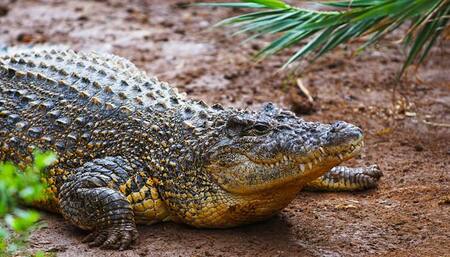
Crocodilia (scientific name: Crocodile, foreign name: Crocodile) is a typical large carnivore belonging to the class Sauropoda of ···
 LC
LC
Estuarine Crocodile,Salt-water Crocodile,Sea crocodile, saltwater crocodile, hoole, man-eating crocodile, estuarine crocodile, Malayan crocodile, naked neck crocodile
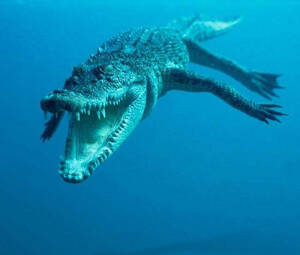
Saltwater crocodile (scientific name: Crocodylus porosus) is also known as Estuarine Crocodile and Salt-water Crocodile in foreign···
 LC
LC
Alligator sinensis ,Chinese Alligator,Alligator, Chinese alligator, earth dragon, pig dragon
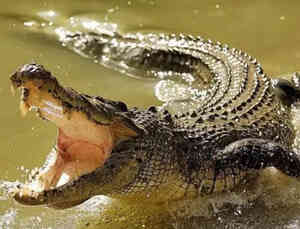
The Yangtze alligator, Alligator sinensis (Fauvel, 1879), was called tuó in ancient times, and is commonly known as "earth d···
 LC
LC
Malayan alligator, Malayan crocodile
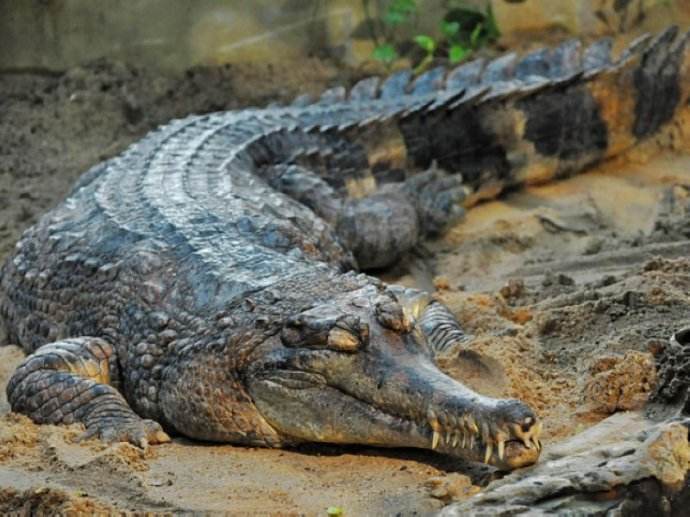
The Malayan crocodile looks very similar to the Ganges crocodile (Gavialis gangeticus), but its head gradually narrows towards the···